Milk spoils in a matter of hours — and that’s no exaggeration. A batch of raw milk that has been left unrefrigerated for just a little longer than necessary goes to waste, along with money and reputation. That is precisely why refrigeration equipment at a dairy is one of the cornerstones of the production process. In this article, we’ll look at the solutions used in the dairy industry, how different types of equipment differ, and what to consider when making a choice.
The importance of refrigeration equipment in the dairy industry’s production processes
Any enterprise involved in milk processing is obliged to maintain the cold chain, from the tanker right through to the finished product. Cooling systems are used in all stages of production: cooling tanks, pasteurisation lines, storage chambers and packaging areas. If the equipment is incorrectly selected or not designed to handle actual loads, even a brief breakdown can lead to the entire line coming to a standstill and significant losses.
Key objectives of cooling in milk and cheese production lines
In dairy production, the refrigeration system fulfils a number of functions:
Rapid cooling of milk to +2…+4 °C upon arrival at the dairy.
Maintaining the temperature regime in cooling tanks during the storage of raw materials.
Cooling milk mixtures during the production of yoghurts, cheeses and butter.
Temperature control in clean packaging areas and on cheese maturing lines.
Equipment selection should be approached systematically, taking all technological processes into account.
Dalgakiran chillers for cooling tanks
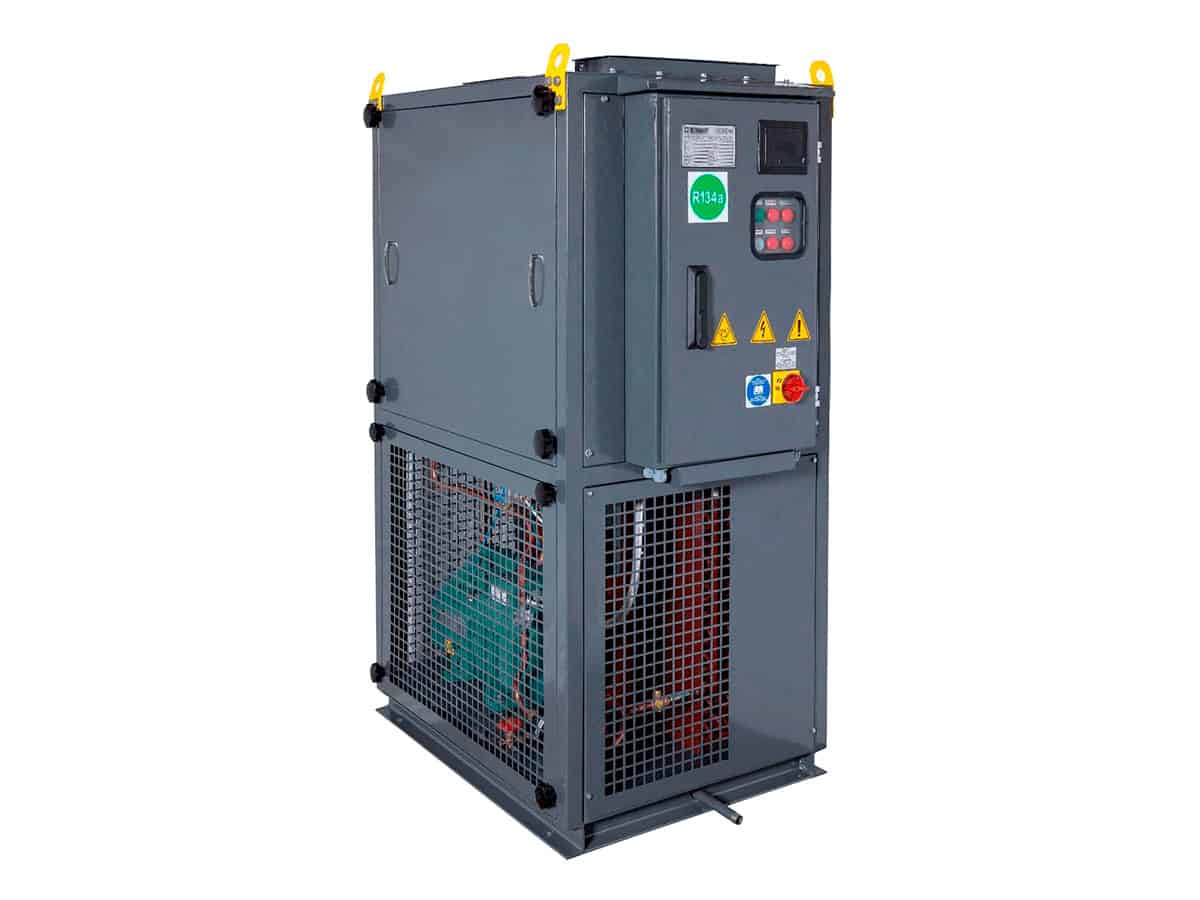
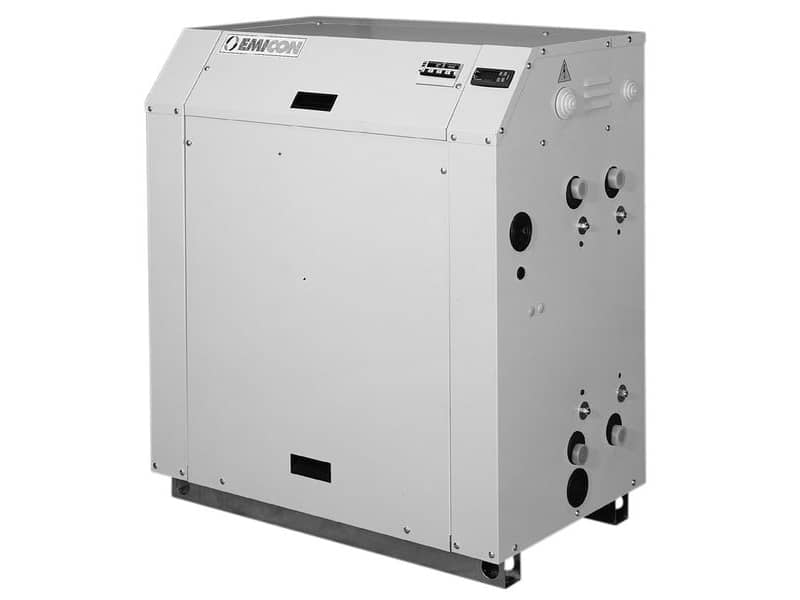
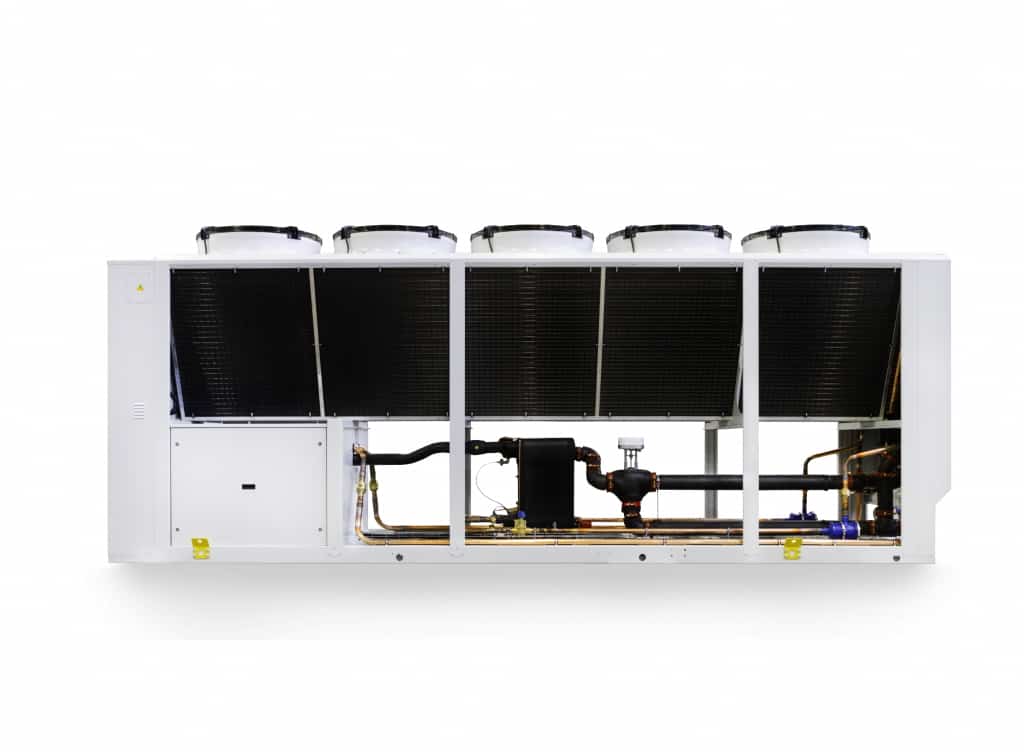
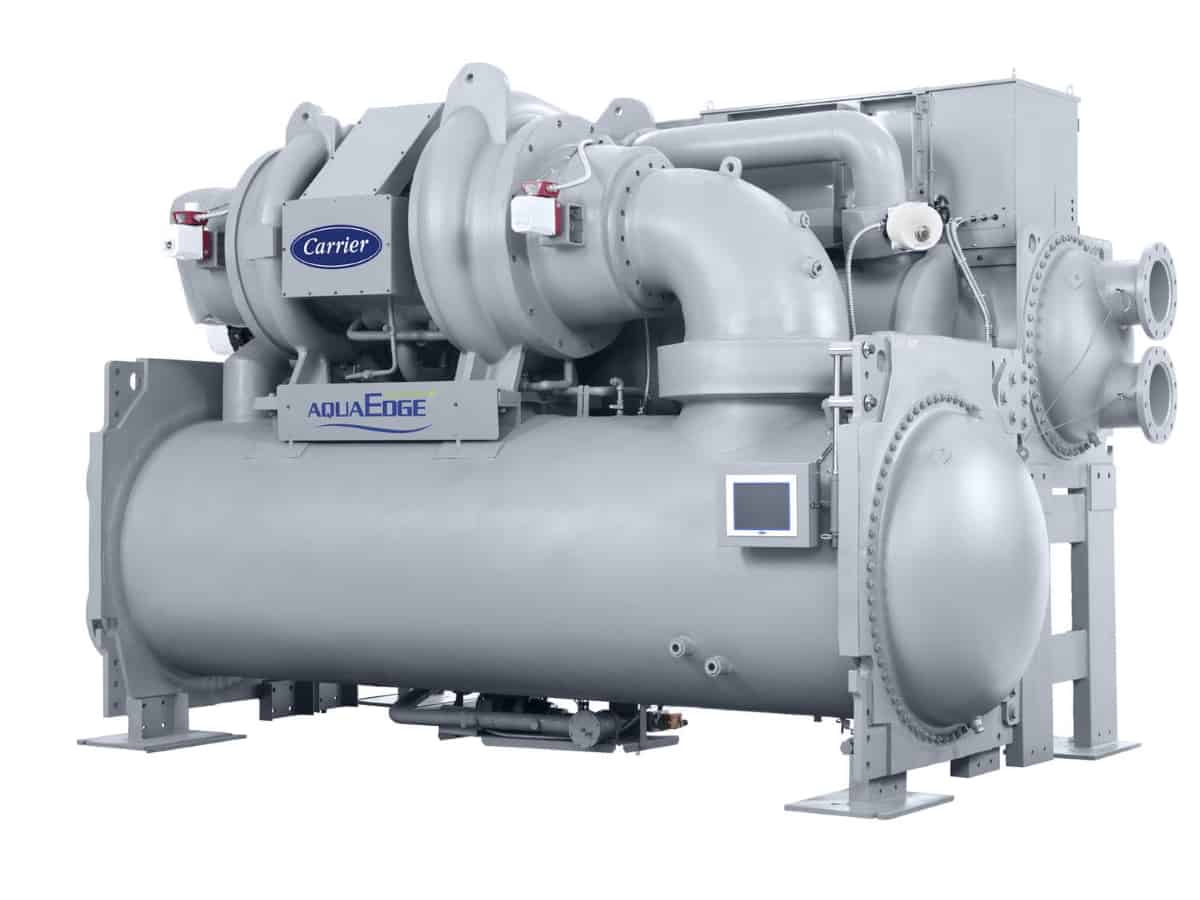
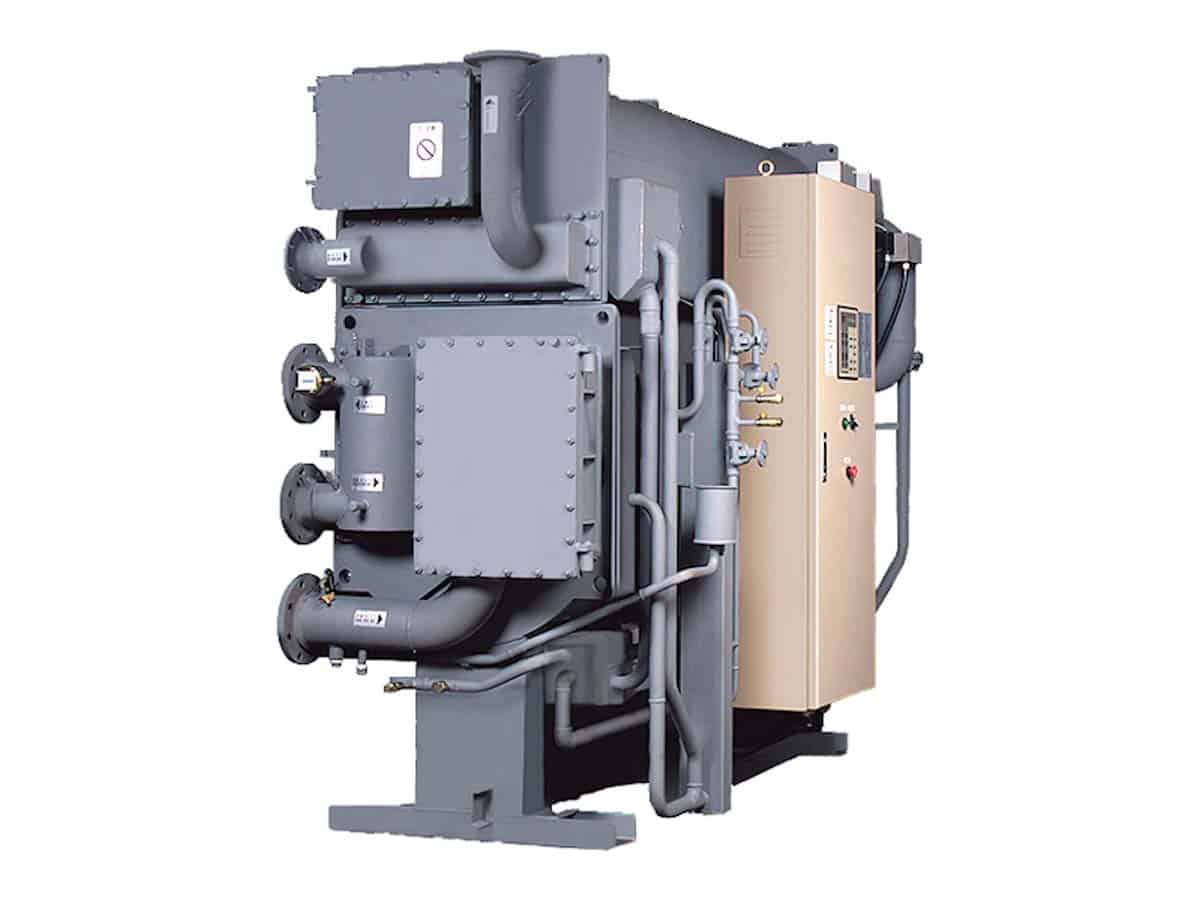
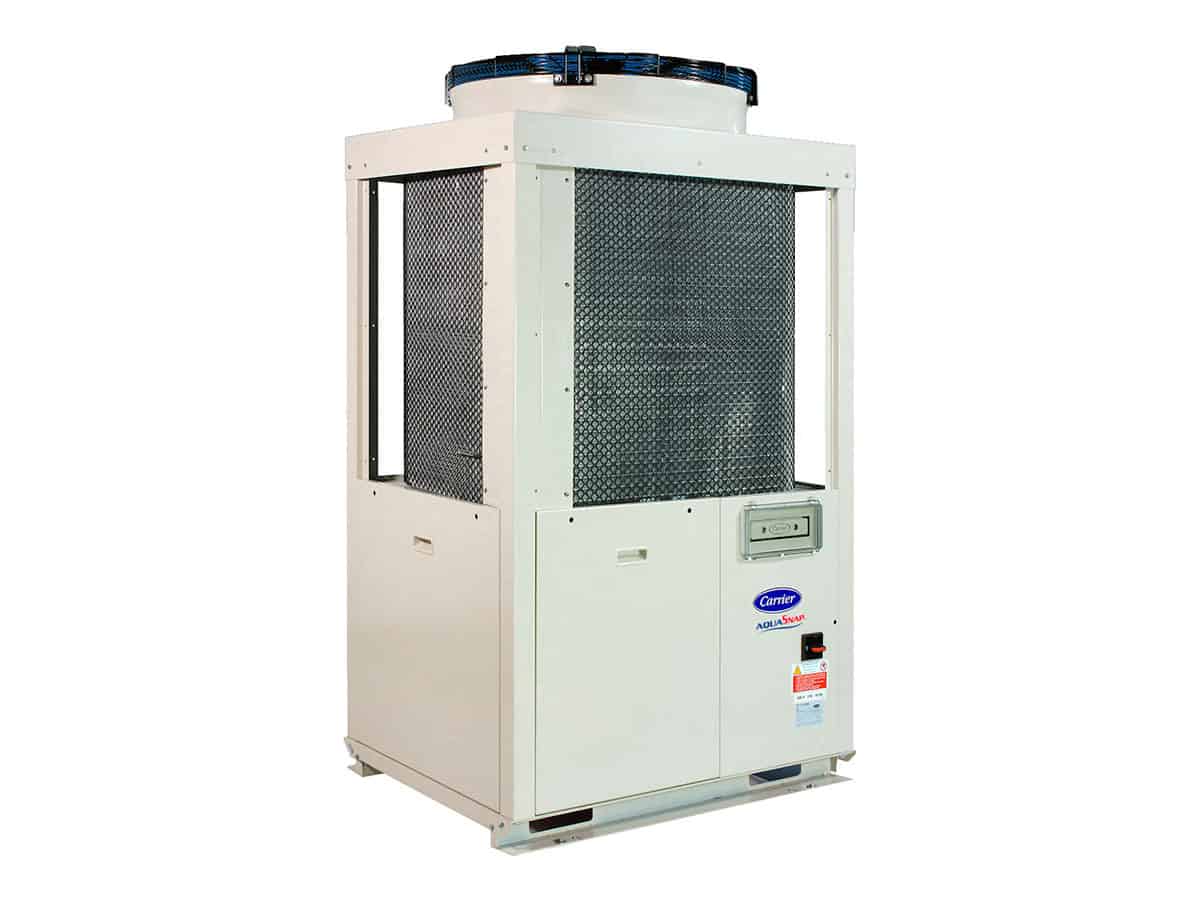
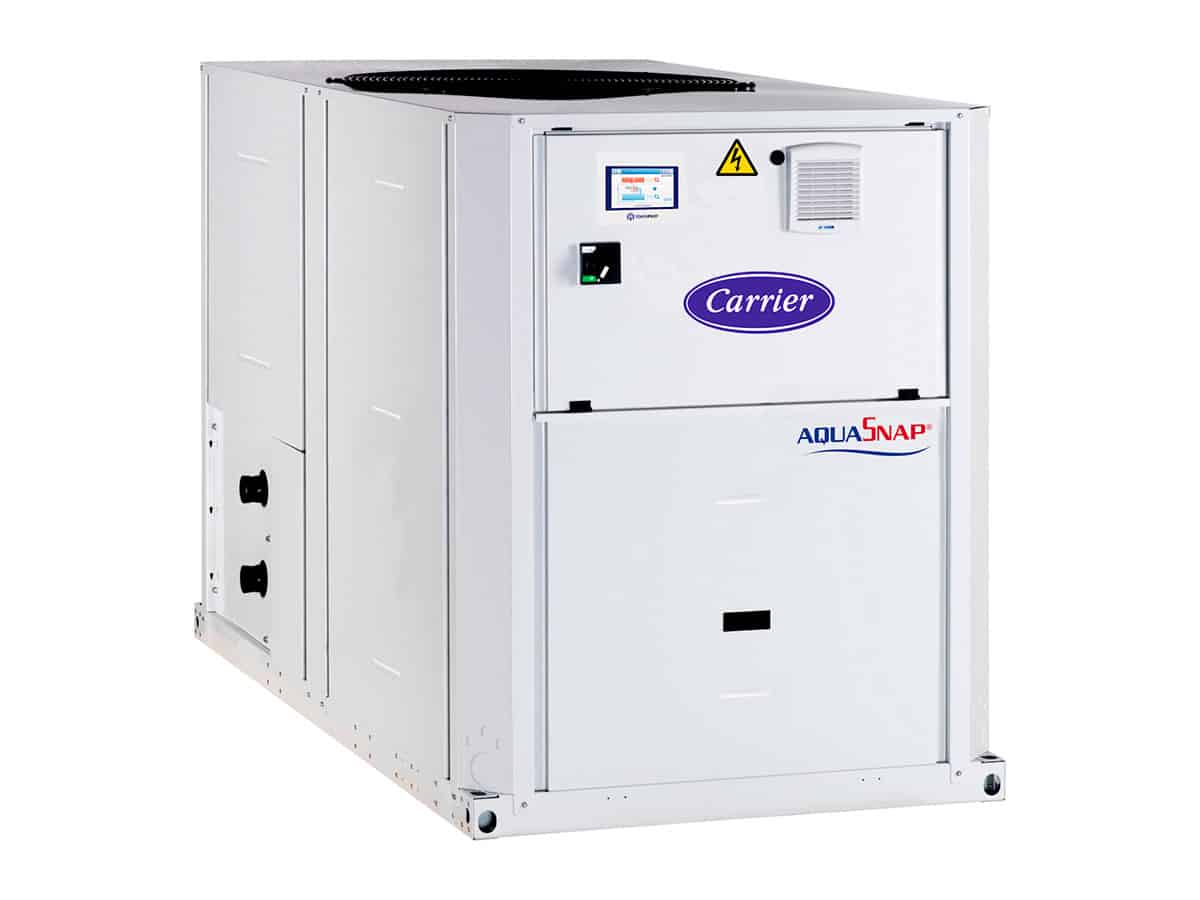
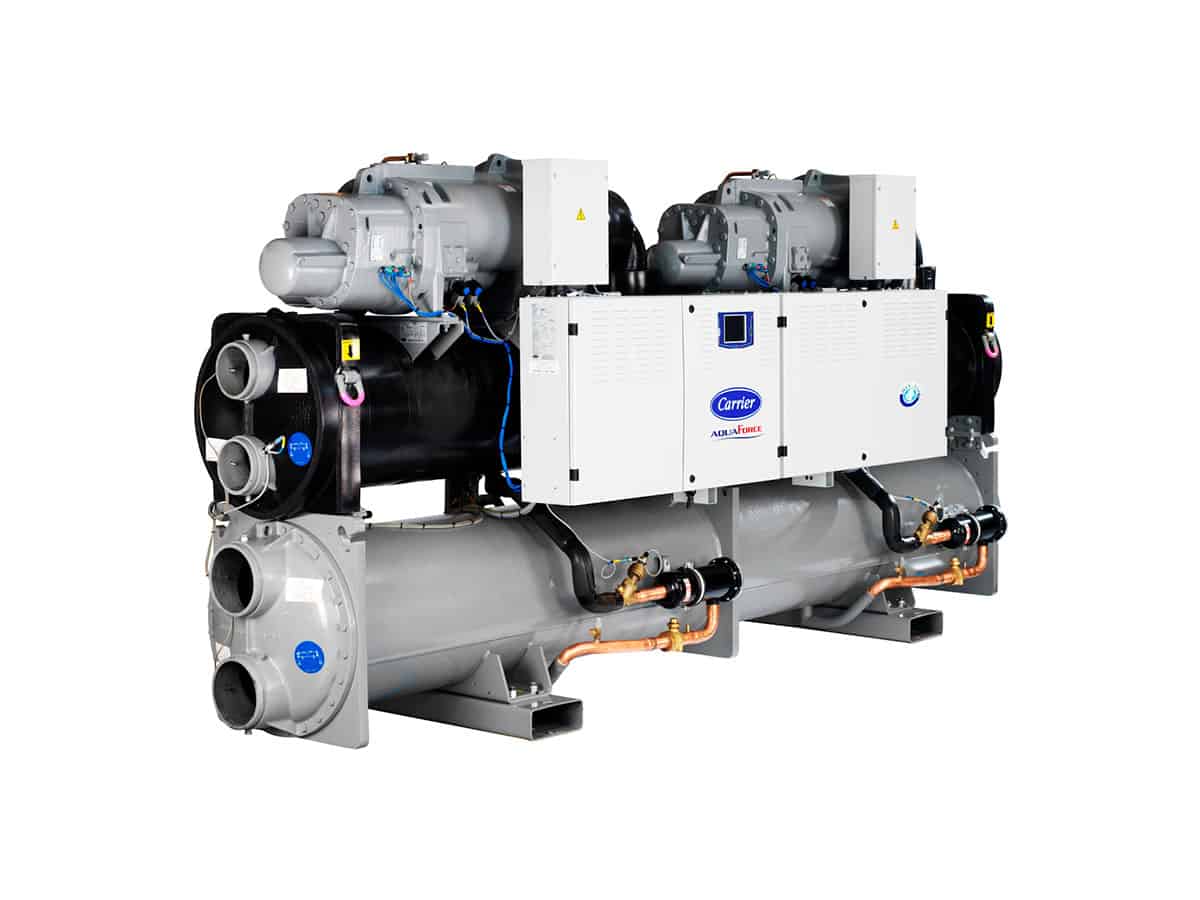
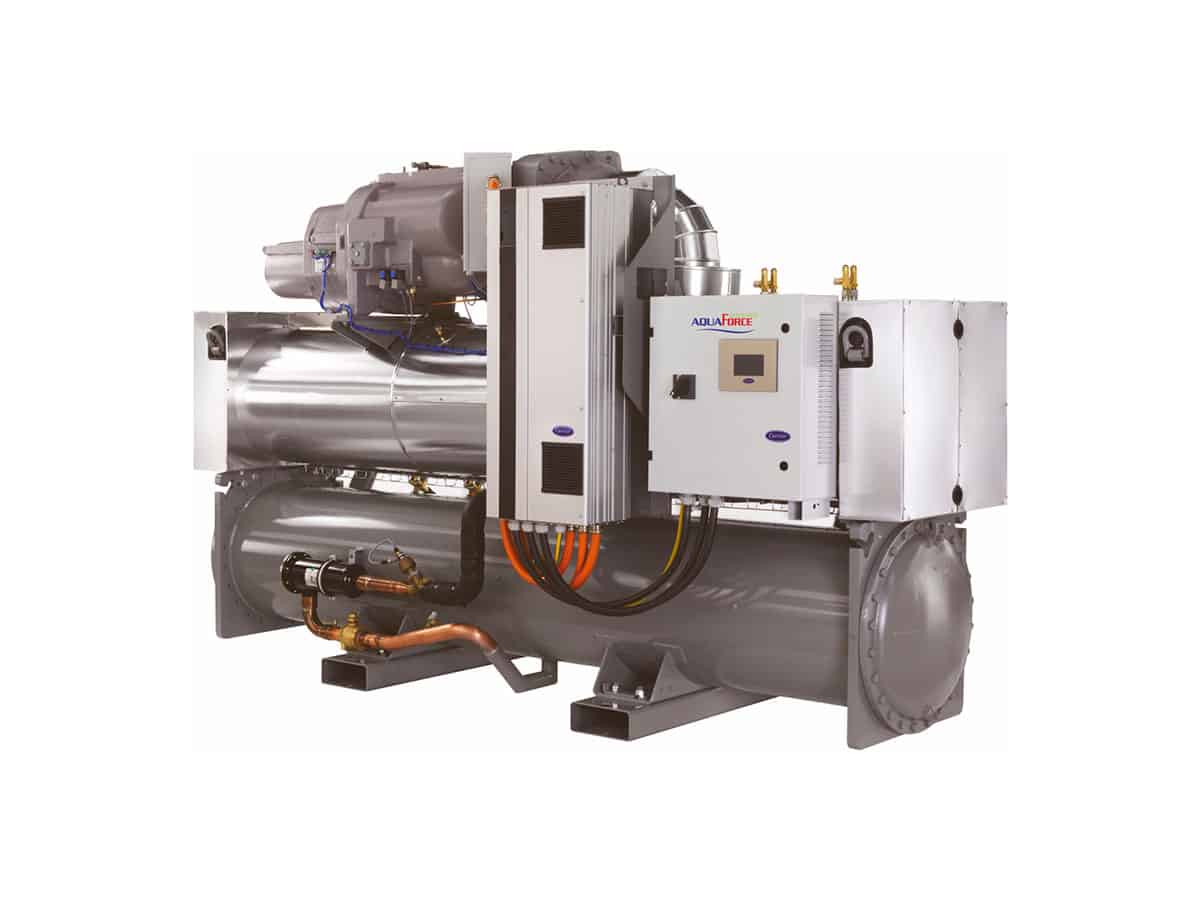
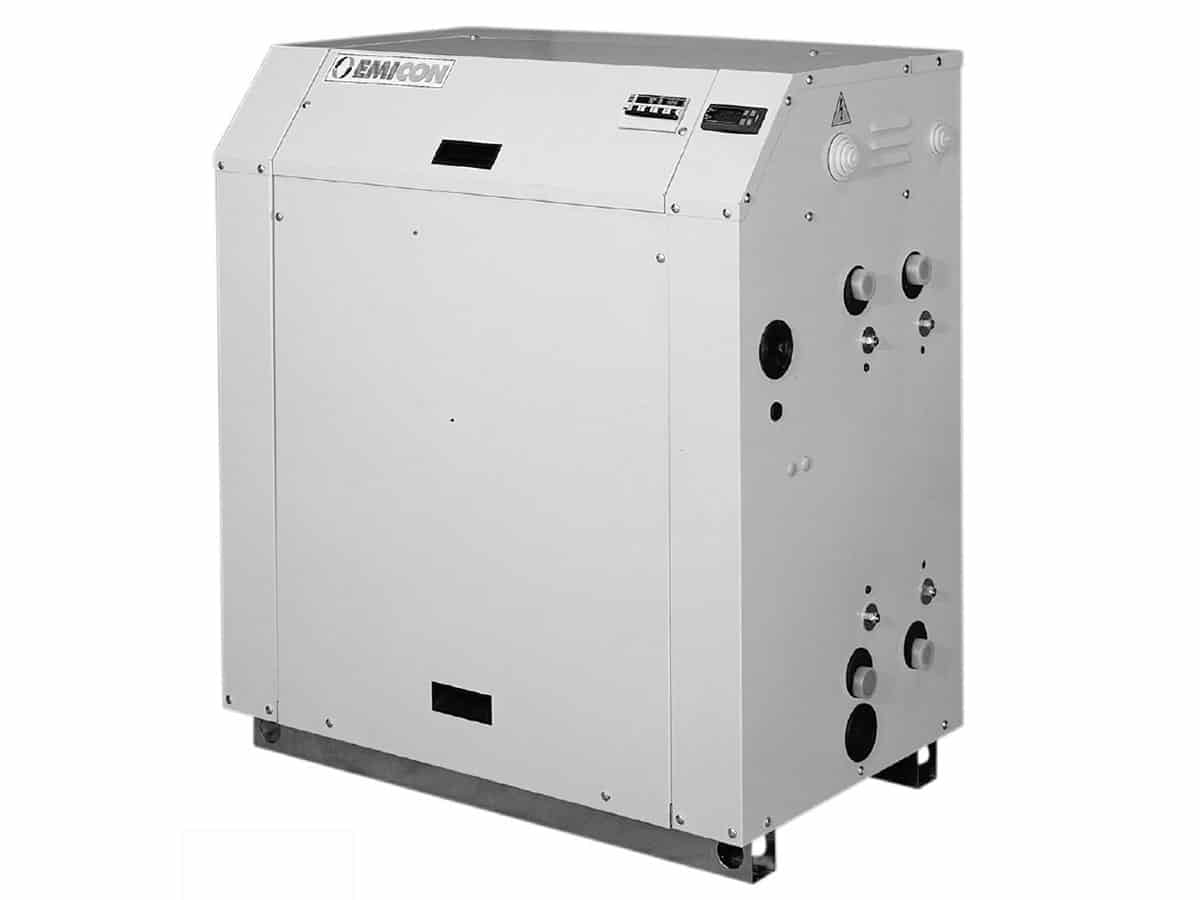
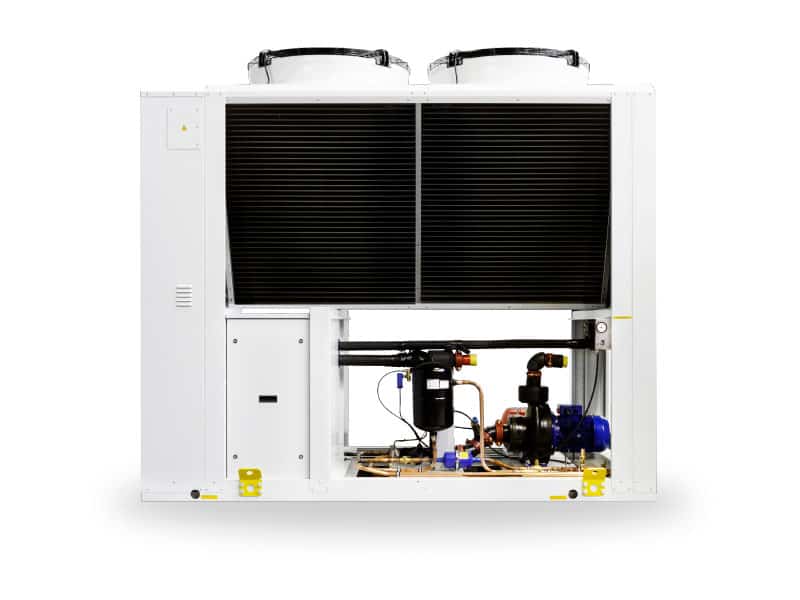
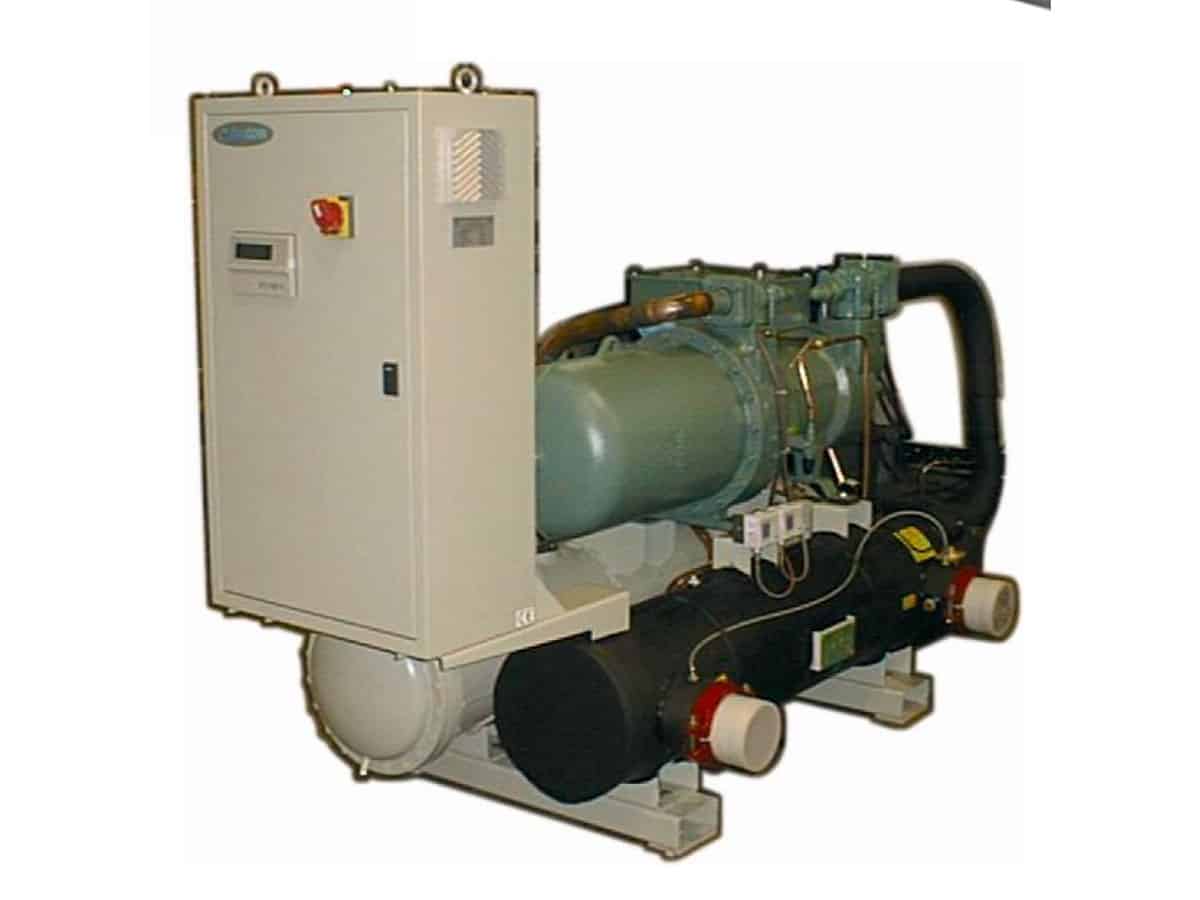
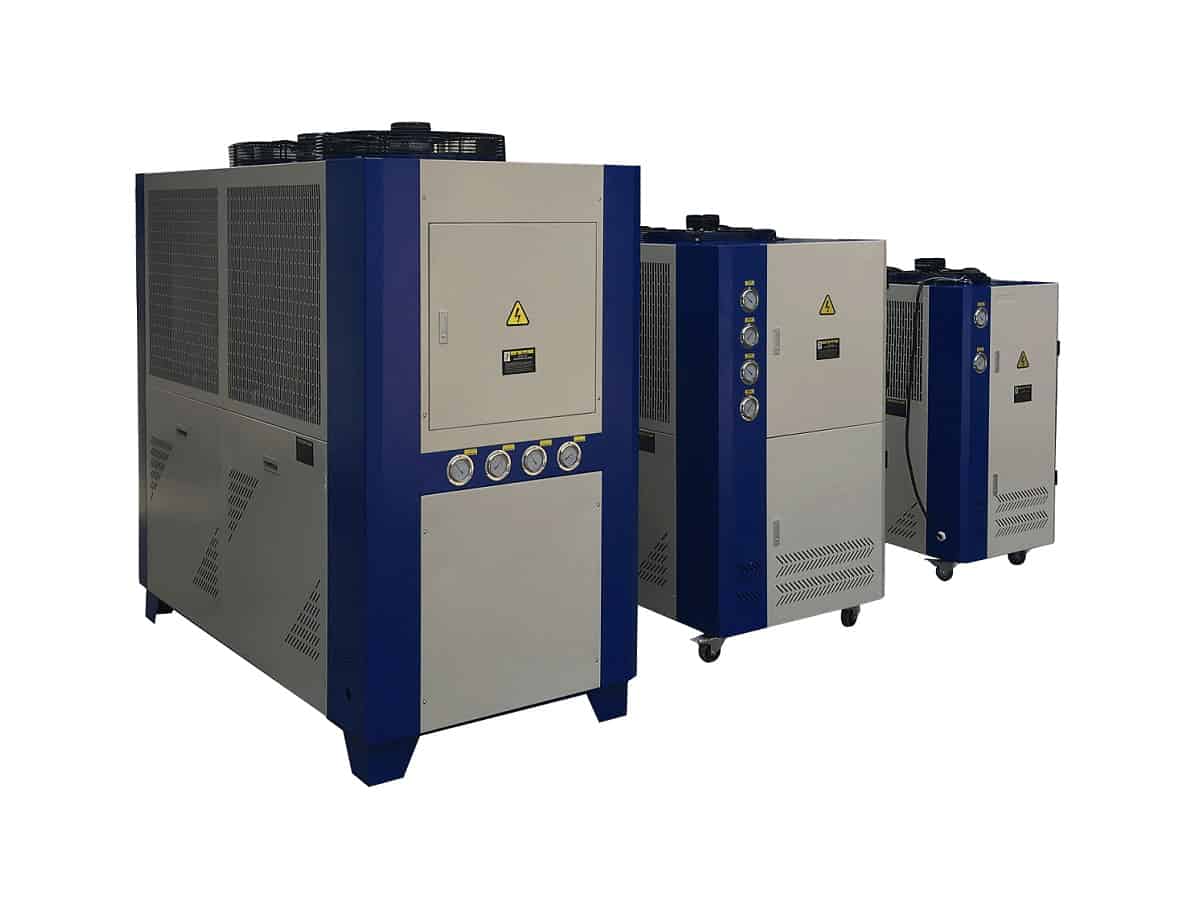
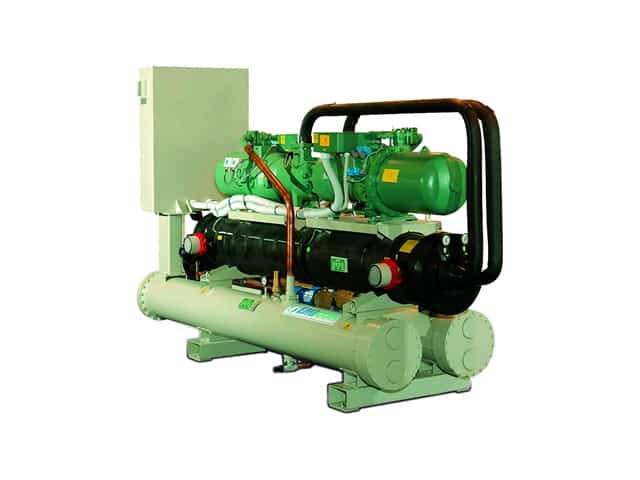
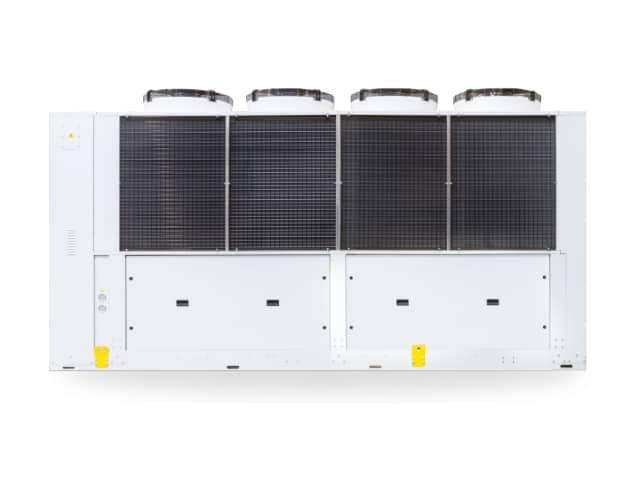
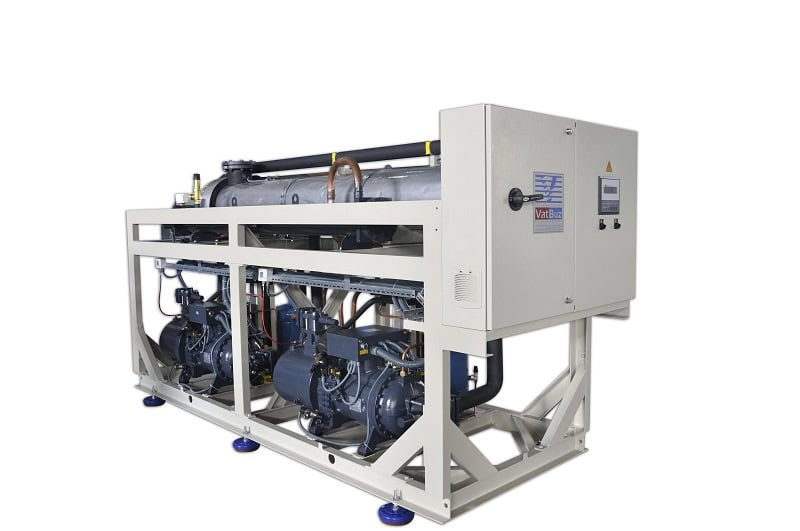
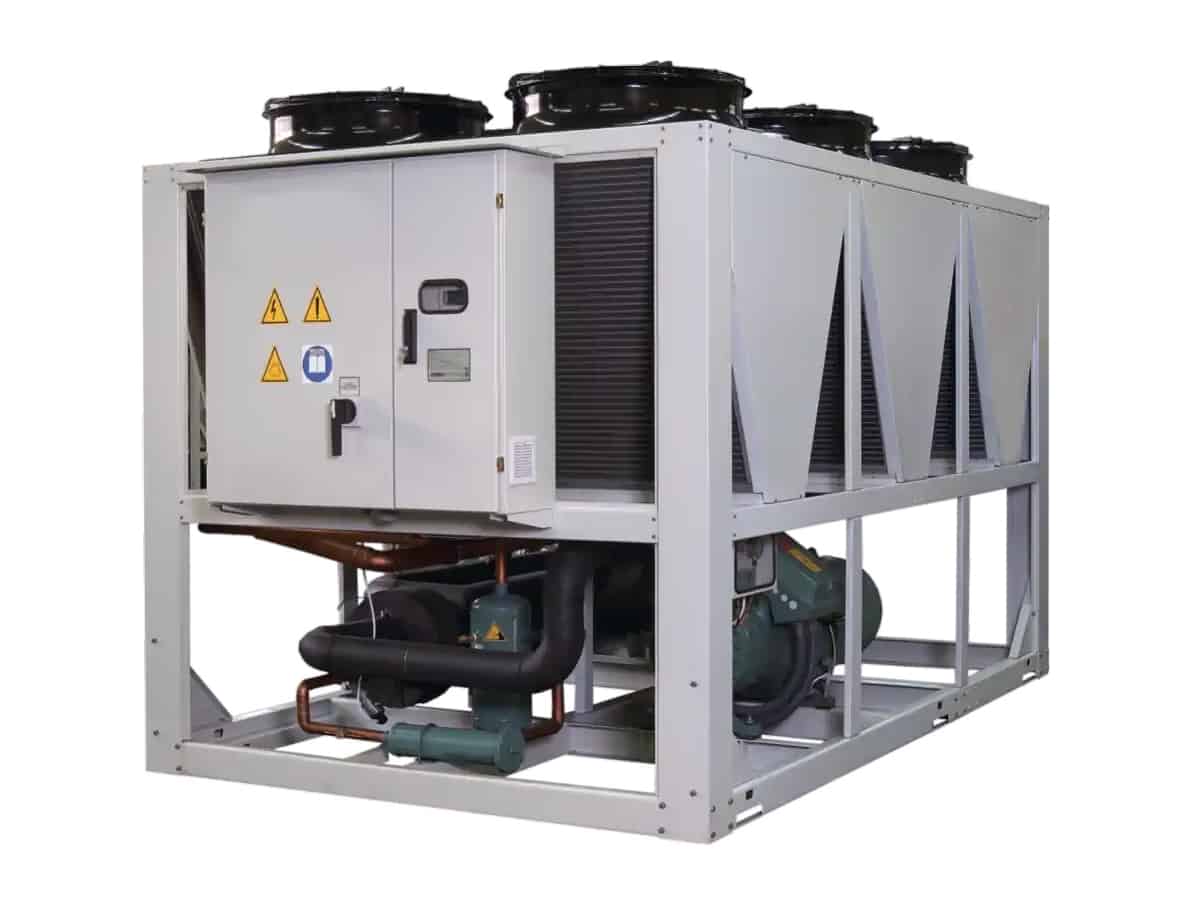
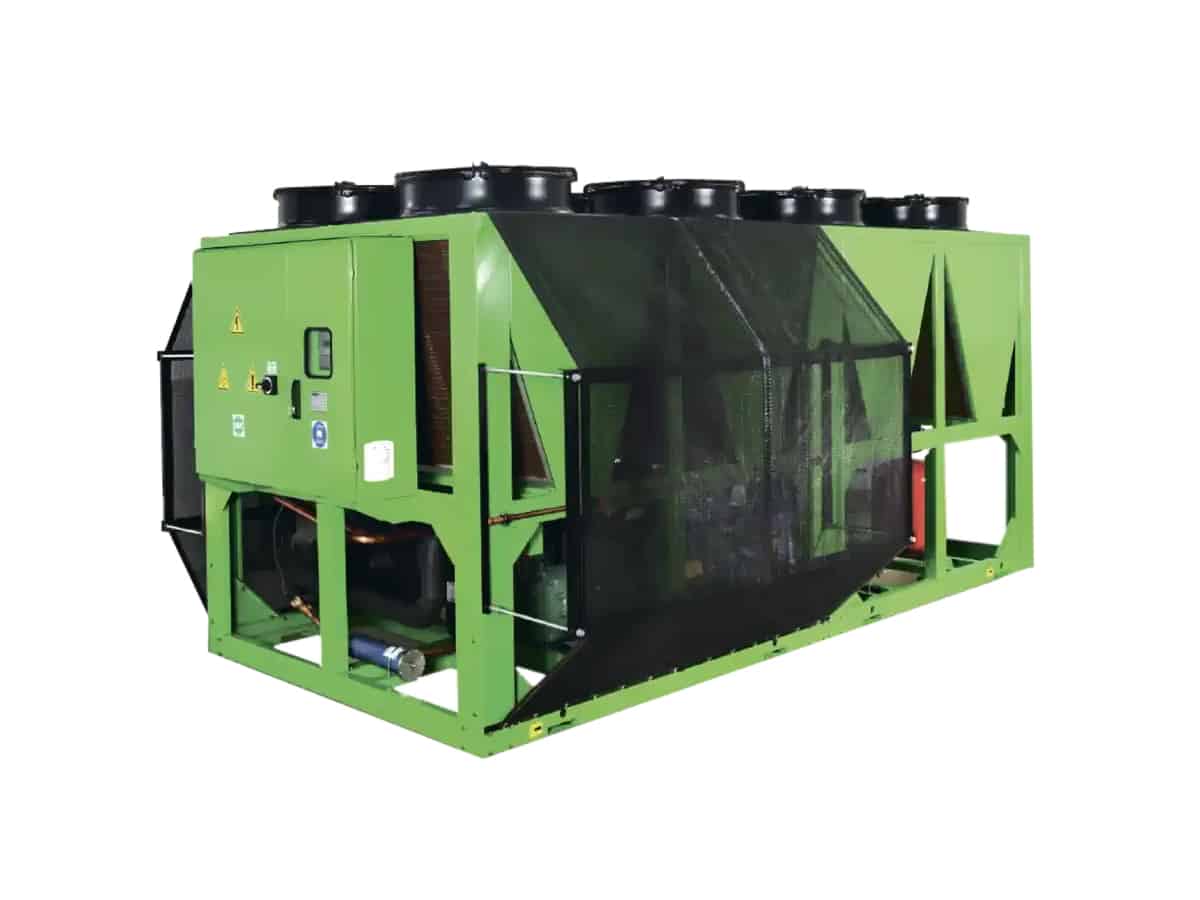
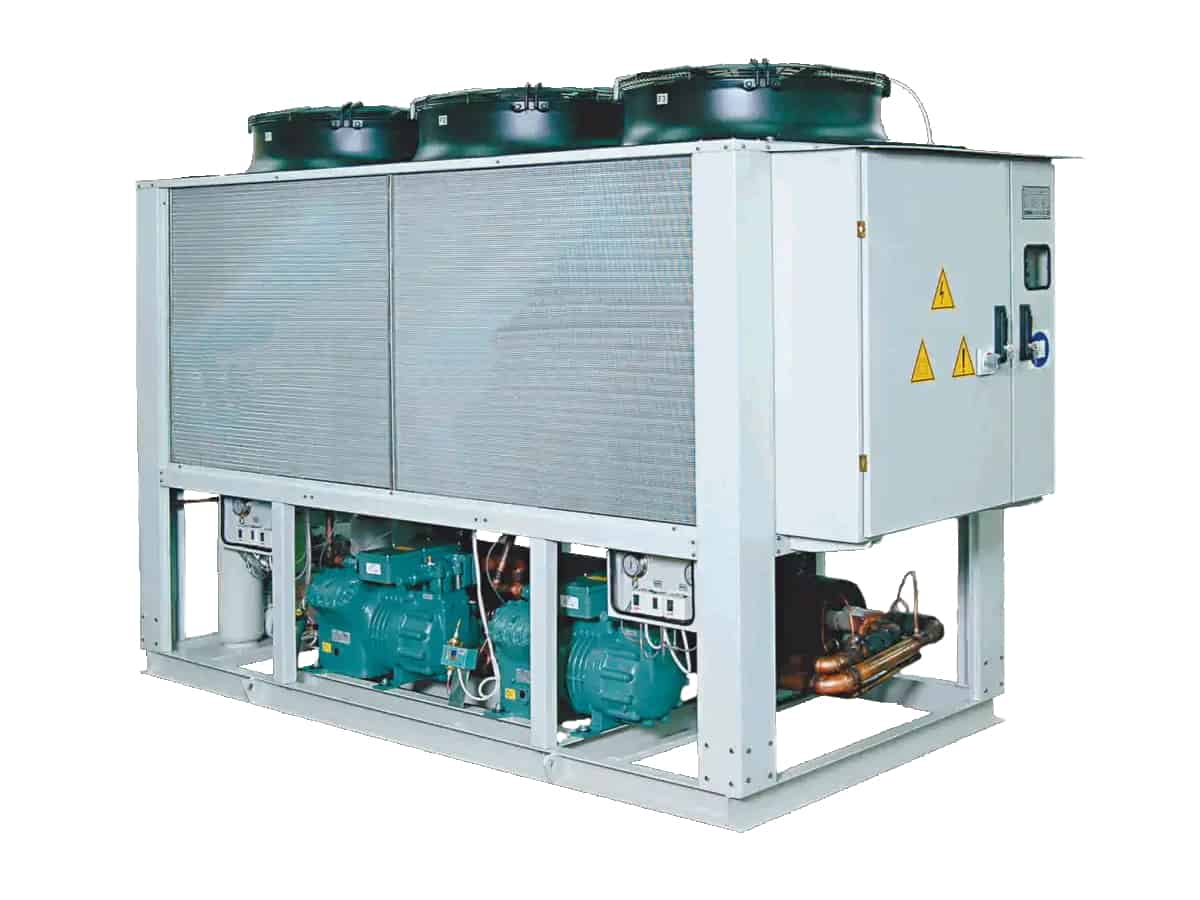
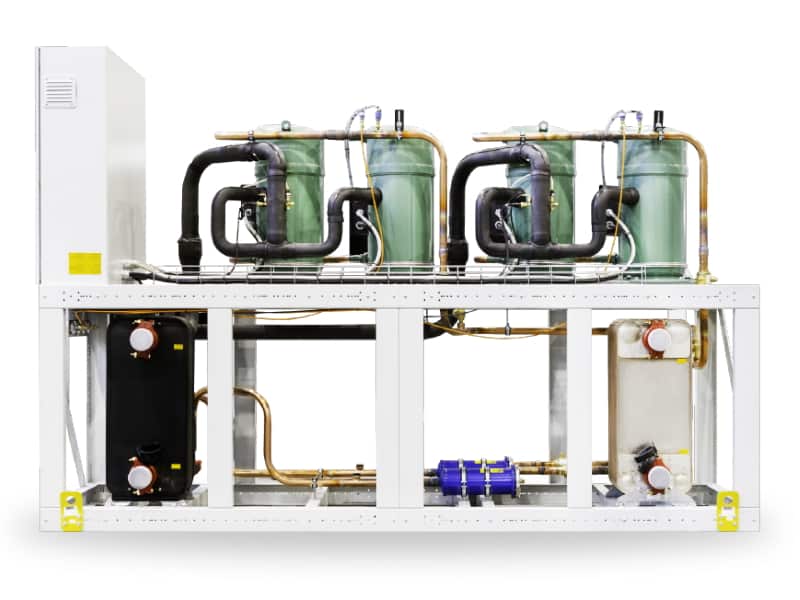
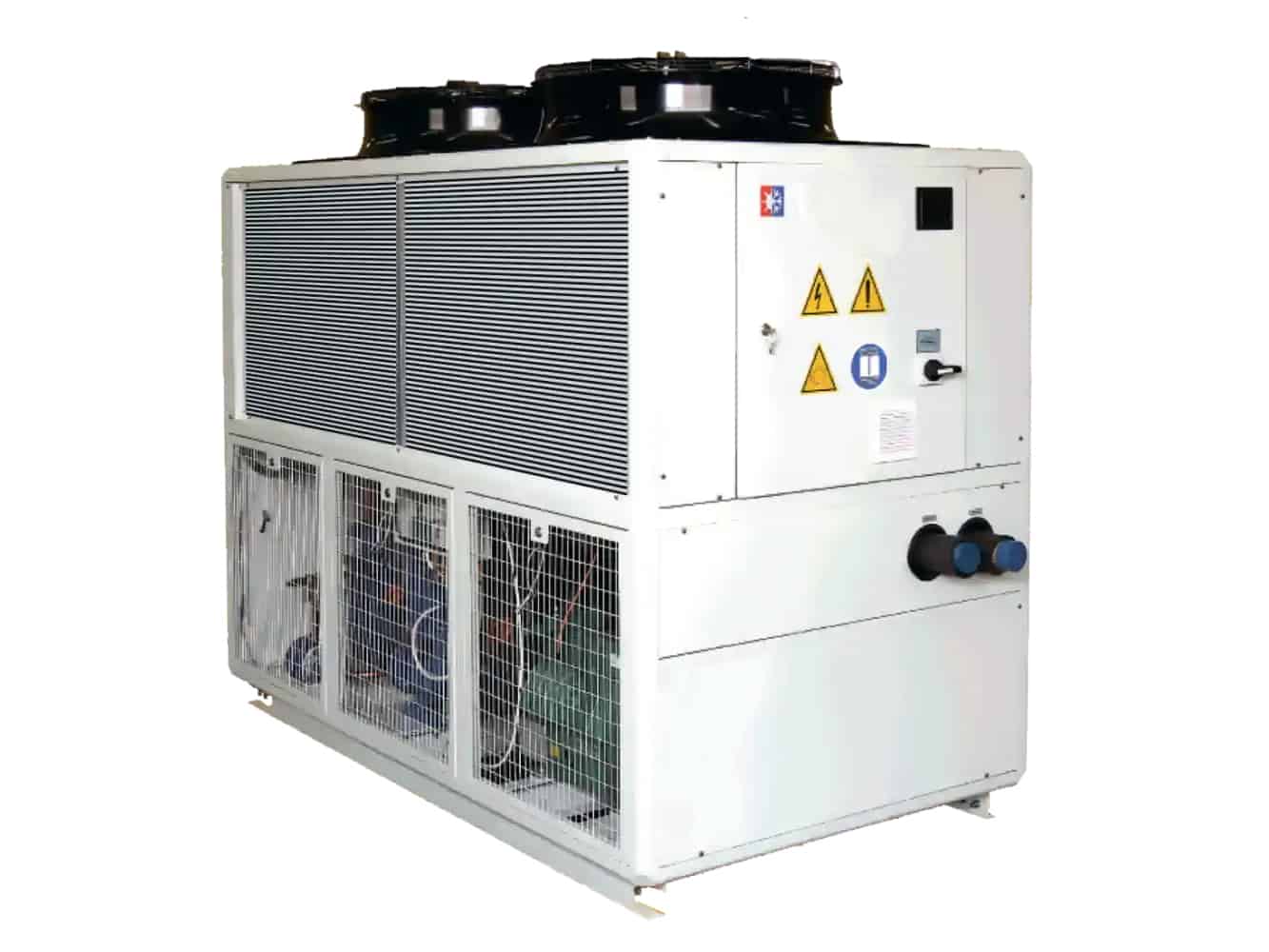
Chillers cool the coolant, which removes heat from milk or milk mixtures via a heat exchanger. Dalgakiran manufactures the following series of chillers:
DGSA (2.6–168 kW) for small workshops and primary cooling farms.
PAKCOLD (6.4–150 kW) — compact and easy to install.
EBHP (51.2–413.8 kW) for medium-sized dairies with multiple production lines.
EBHV (1,200–1,600 kW) — for large enterprises with high production volumes.
The unit maintains the coolant temperature within the range of −18 °C to +20 °C, covering the full spectrum of dairy production requirements. Dalgakiran’s specialists will help you calculate the optimum capacity for your specific processing volume. Simply contact us for a detailed consultation.
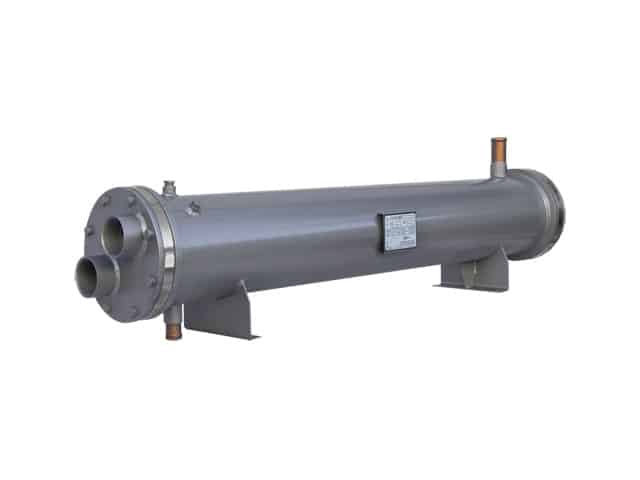
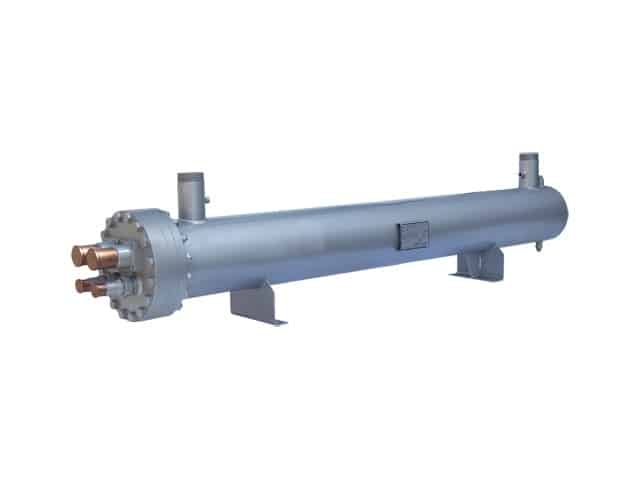
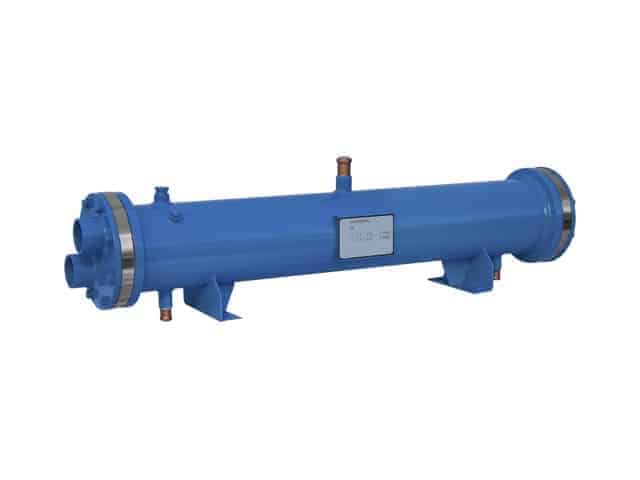
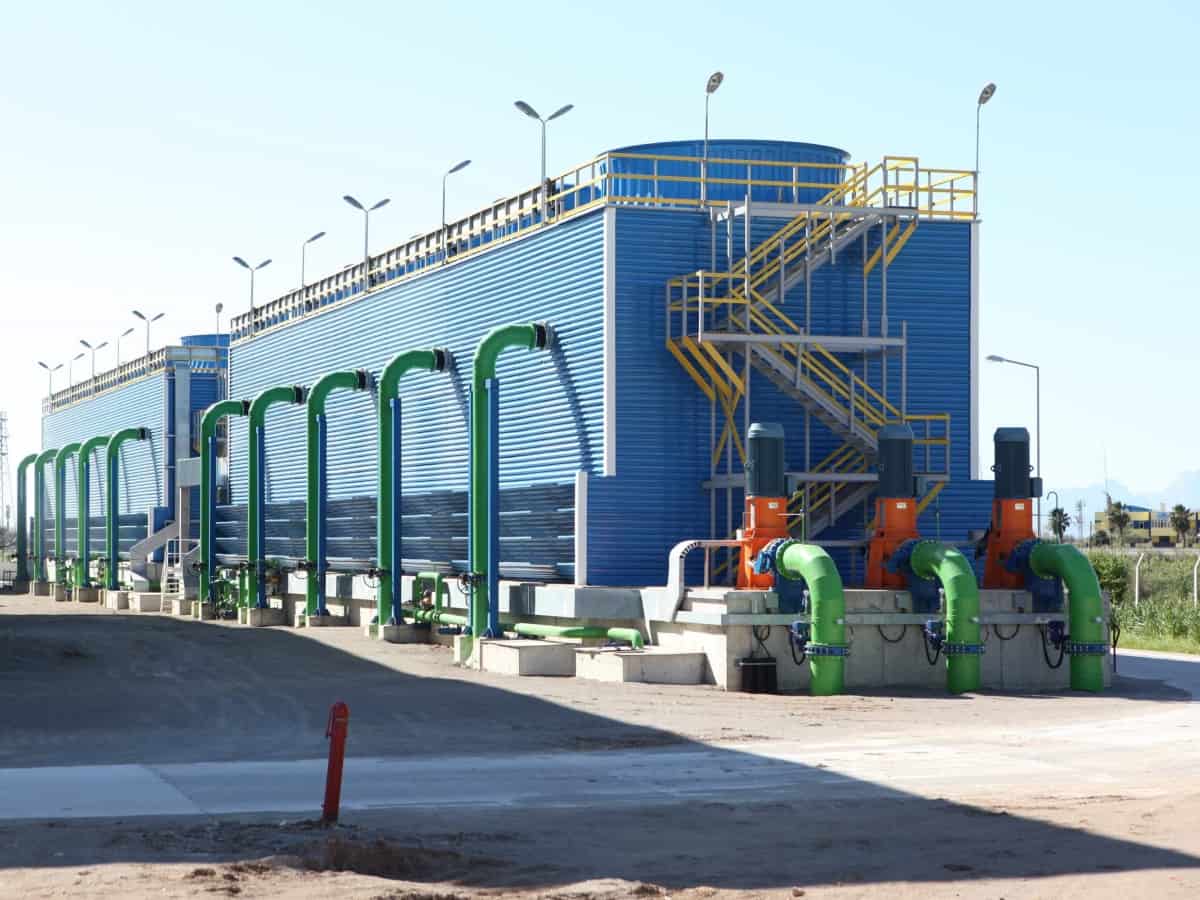
Cooling towers and heat exchangers at dairy plants
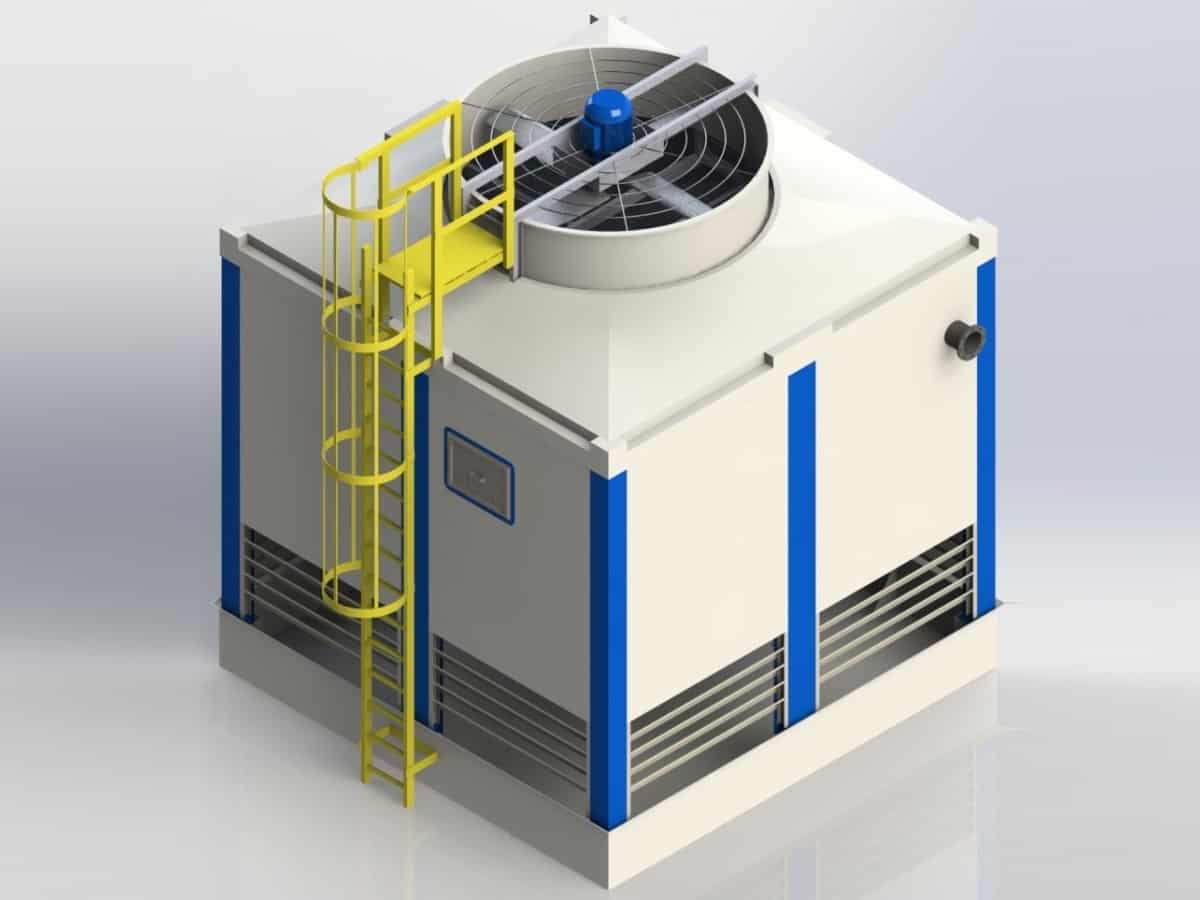
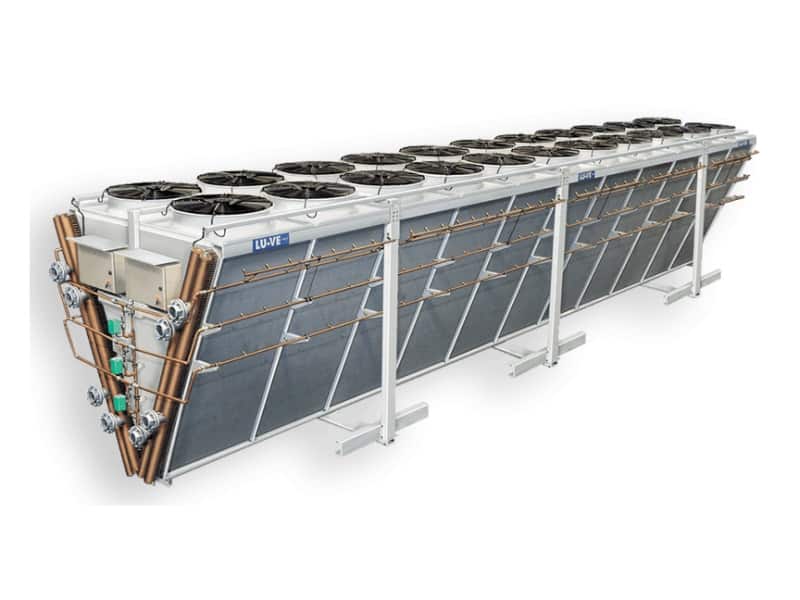
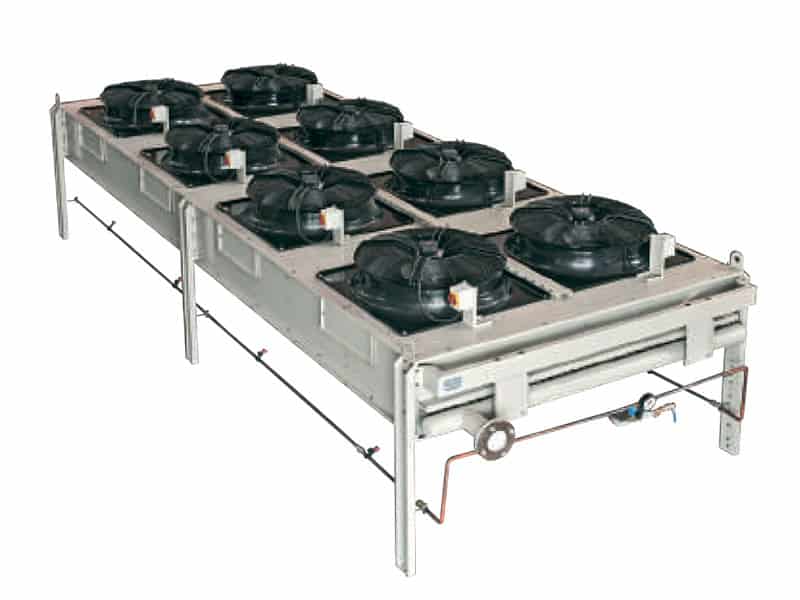
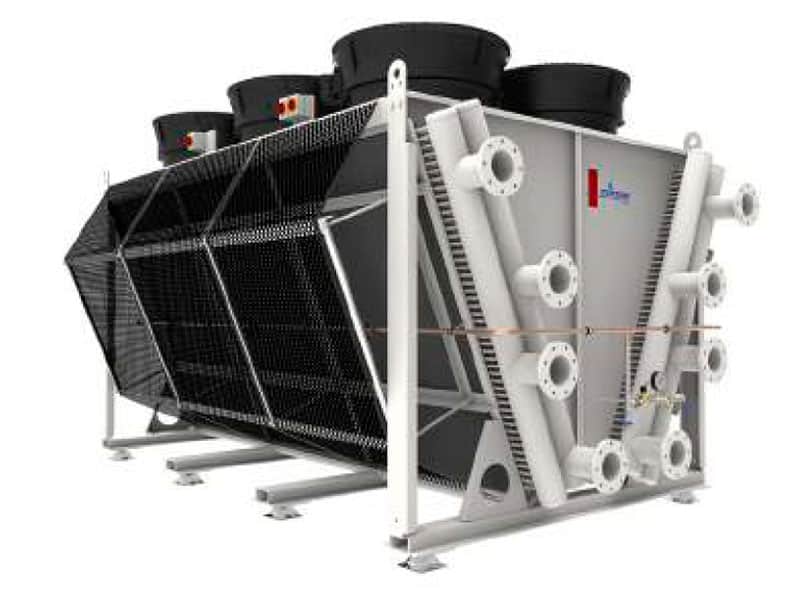
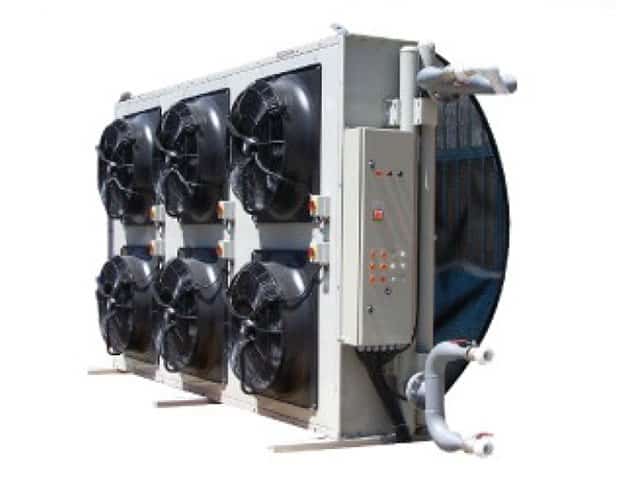
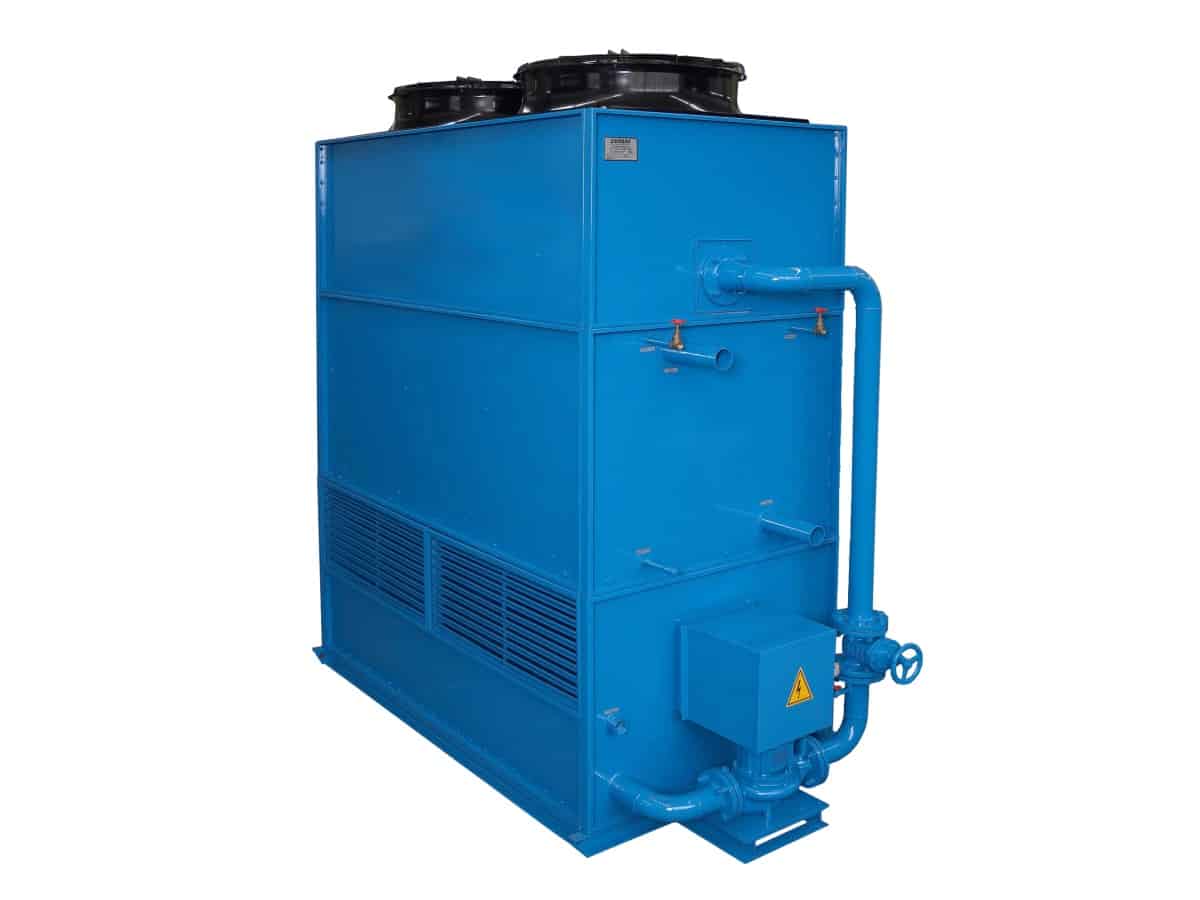
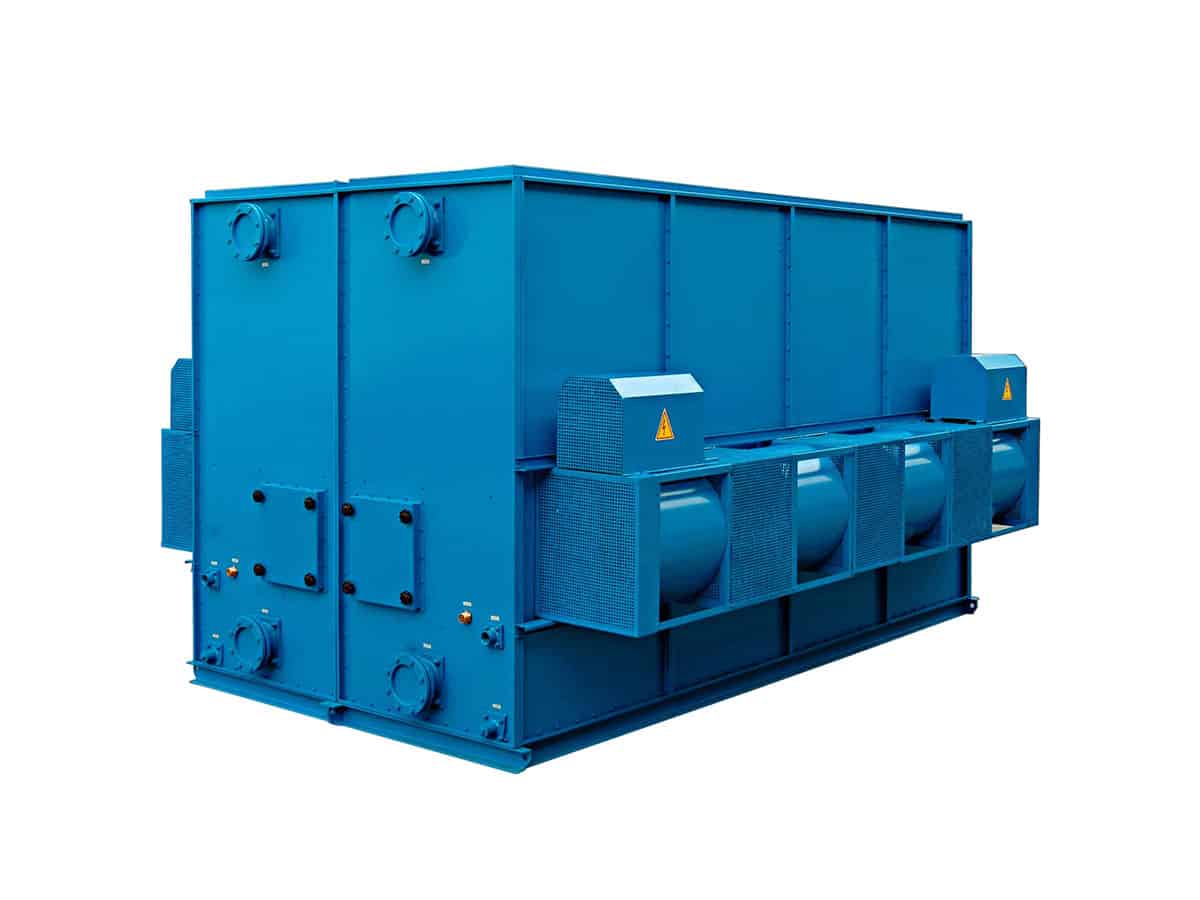
Large dairy complexes generate a significant amount of heat, which must be effectively dissipated. Cooling towers and heat exchangers of various designs are used for this purpose.
This table will help you better understand the temperature range in dairy production:
Production area
Required temperature
Consequences of non-compliance
Cooling tank (milk reception)
+2…+4 °C
Sour milk, total spoilage of the batch
Raw material storage chamber
+2…+4 °C
Accelerated bacterial growth
Cheese production line
+8…+14 °C (maturation)
Alteration in flavour and texture
Packaging area
+10…+16 °C
Condensation, risk of contamination
Finished product storage chamber
0…+4 °C
Reduced shelf life
In the dairy industry, it is particularly important that heat exchange surfaces are easy to clean, as milk residues are a potential source of bacterial contamination. Plate heat exchangers have a clear advantage in this respect.
Compact air conditioners and heat pumps for clean areas
Filling and packaging areas at a dairy require a stable microclimate. Dalgakiran heat pumps simultaneously cool production areas and heat ancillary areas — laboratories, sanitary zones and the administration block. This reduces heating costs by utilising heat from the refrigeration circuit.
Here’s what the experts say: ‘A heat pump recovers up to 40 per cent of the heat that the refrigeration system releases into the environment — this represents real savings for any dairy.’
Thermostats for pasteurisation and storage
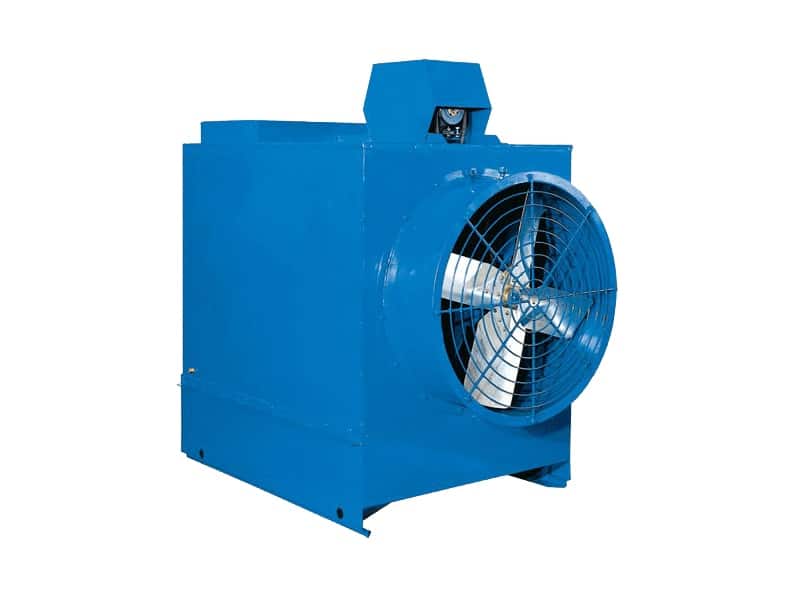
Pasteurisation is a stage where temperature deviations are unacceptable. This can lead to reduced processing efficiency and spoil the taste and consistency of the products. Thermostats ensure precise control and can be integrated into the overall production automation system. They are also used in storage chambers for mature cheeses, butter and infant formula, where a stable temperature is essential.
Why you should buy refrigeration equipment for dairies from Dalgakiran
Why do dairy plants in Ukraine trust our equipment in particular:
11 offices and service centres in Ukraine’s largest cities — support is always close at hand;
over 70 mobile service teams — prompt response to any breakdown;
over 200 specialists in our team, including officially certified engineers;
ISO 9001:2015 certification — confirmation of compliance with international quality standards;
tailored selection of equipment to suit the specific operational conditions of the dairy plant;
a full implementation cycle — from design documentation to commissioning of the equipment.
Are you looking for refrigeration equipment for a dairy processing plant? Contact Dalgakiran, and our specialists will offer the optimal solution tailored to your business.
Need a consultation?
Fill out the form and we will call you.
Your region
Request a call
Thank you, your request has been sent. A manager will contact you shortly.
 0800 30 13 77
 0800 30 13 77
 En
En