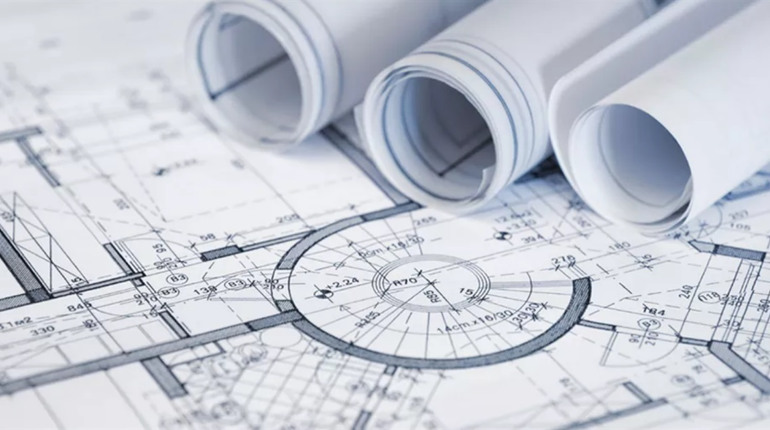
The construction of a modern solar power station is a complex engineering process, the success of which depends entirely on precise calculations. The design of solar power stations follows a clear algorithm, whilst at the same time being flexible enough to adapt to the specific requirements of each project. At this stage, architectural, electrical and structural solutions are established, which determine how the future system will operate. The designer becomes the architect of your energy independence, transforming sunlight into a stable supply of kilowatts for your business or home.
Careful design of a solar power plant allows you to calculate the total cost, implementation timeframe and exact future generation volumes even before purchasing the equipment. In this article, we will examine in detail all the technical and practical nuances of this process.
Key stages in the design of solar power stations
Creating an engineering design is a step-by-step process that combines on-site surveys, mathematical modelling and the use of specialised software. There are no minor details here, as a mistake at the first stage will undermine all subsequent steps.
Site analysis and potential assessment
Any engineering project begins with a thorough site audit. Specialists assess the site’s geographical location, the level of insolation, the architectural features of the building, and the topography of the plot. Designers measure the usable area and determine the roof pitch and orientation relative to the cardinal directions.
A separate step involves 3D shading modelling. Specialised software creates a digital copy of the site, taking into account trees, chimneys and neighbouring buildings. The programme calculates the sun’s path throughout the year, highlighting areas of shade.
Selection of equipment and technologies
Following the spatial analysis, the electrical design phase begins. Engineers analyse the site’s consumption patterns to determine the optimal capacity of the solar power plant, after which they calculate the solar strings. Photovoltaic modules and inverters are selected to ensure they are compatible in terms of current and voltage, both during the summer heat and in the winter cold.
At this same stage, the protection architecture is established and the cross-sectional area of the cable lines is calculated to prevent energy losses and fires. The design includes detailed specifications for DC and AC switchboards, fuses, circuit breakers and surge protection. The client receives a clear and safe connection diagram for each component.
The impact of structural design on the efficiency of a solar power plant
The method used to mount solar panels directly affects their performance: an error in the tilt angle will cost you 15–20% of your power generation.
When designing the structure, engineers usually choose one of two options: static profiles (for roofs), which rigidly fix the modules at a fixed angle of 30–35°.
Designers also ensure that wind and snow loads are factored in. The panels have a high windage, so the mountings and roof rafters must be able to withstand hurricane-force gusts and the weight of winter snow cover with a margin of safety.
The benefits of professional solar power plant design
Proper design of solar power plants is not an expense, but a tool for significant savings and a guarantee of safety. Such an investment pays for itself primarily by maximising generation, as precise calculations of angles, orientation and consideration of shadows allow the plant to operate at maximum efficiency. Furthermore, a professional design prevents the purchase of unnecessary materials or equipment with excessive specifications.
Equally important is the safety of life and property: a correctly calculated system is fully protected against short circuits, cable overheating, fires and structural damage caused by adverse weather conditions. In the future, the availability of detailed diagrams will ensure ease of maintenance, allowing any electrician to quickly understand the station’s layout, carry out scheduled maintenance or promptly replace a component.
Earthing of solar panels and mounting structures
Any electrical installation poses a heightened risk. As a solar farm is located in the open air, at height and covers a large area, the issue of establishing a reliable protective earthing and lightning protection system is a critically important aspect of every project.
Why is earthing necessary in solar power stations?
Earthing serves two fundamental functions: protecting people and protecting expensive equipment. When exposed to light, a solar power station generates high direct current voltages, which in industrial or large domestic strings can reach 1,000–1,500 volts. If the cable insulation is damaged, this high potential can be conducted to the aluminium frame of a panel or a metal structure. If a person touches such a structure, they will receive an electric shock. Earthing instantly diverts this leakage current into the ground.
Furthermore, solar installations attract atmospheric discharges during thunderstorms. A properly constructed earthing circuit, together with lightning protection, acts as a reliable barrier that absorbs extremely high currents and safely dissipates them into the ground.
Earthing of solar panels
Each solar panel is surrounded along its perimeter by a rigid frame made of anodised aluminium. As the anodised coating is a dielectric (it does not conduct electricity), mere physical contact between the frame and a metal profile is insufficient to establish a reliable electrical connection.
To solve this problem, special earthing washers with sharp spikes are used during installation; when the clamps are tightened, these pierce the anodised layer and establish an electrical connection between all the modules. In addition, the frame of each panel has factory-drilled holes marked with a grounding symbol. Through these holes, all photovoltaic modules in the string are connected in series with copper wire to form a single common conductor, which is routed down to the main earthing busbar.
Earthing the metal structure for mounting the panels
The metal framework supporting the solar array must also be earthed. All aluminium profiles, steel supports, trusses and cable trays must be connected to form a single metal bonding system. Special bolted clamps and conductors with a large cross-section are used for this purpose.
Safety and reliability requirements for the earthing system
The design of the earthing system is governed by the Electrical Installation Regulations (PUE), and its key parameter is electrical resistance: for solar power stations, this must not exceed 4 ohms (for small domestic systems, up to 10 ohms). To achieve this, engineers design an artificial circuit comprising several vertical steel rods (1.5–3 m), which are driven into the ground below the frost line and connected by a horizontal steel strip using welding or clamps.
The design must take into account the type of soil (sand, clay, black earth), as ground resistance depends on its moisture content and composition. To ensure the system operates reliably for over 25 years, all connections are protected against corrosion using anti-corrosion tapes or pastes. Compliance with these requirements guarantees the safety of the station for human life.
 0800 30 13 77
 0800 30 13 77
 En
En







Відгуків немає, поки що.