The modern energy sector is undergoing a major transformation, driven primarily by the shift towards renewable sources and the need to ensure the stability of power systems. In this context, energy storage systems (ESS) have become one of the most important technological components. But what exactly does this abbreviation stand for? Today, we’re exploring this topic together with DALGAKIRAN.
What are energy storage systems (ESS)?
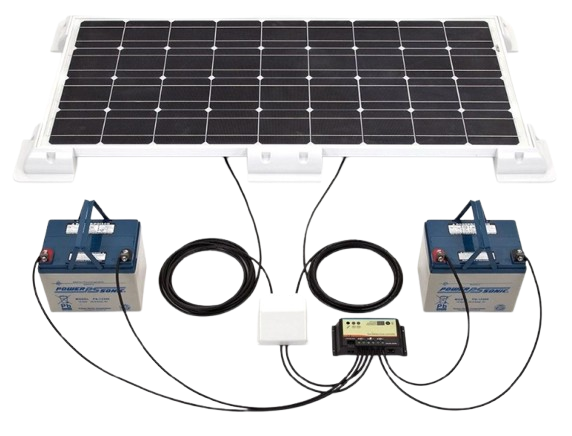
When a private or commercial property already has its own generation system in operation — for example, a solar power station — a natural question arises: how can surplus kilowatts be managed efficiently? The optimal solution in such cases is to install an ESS. This energy storage technology allows surplus electricity to be stored at times of peak generation and rapidly fed back into the grid when internal consumption begins to exceed generation. Internationally, the term BESS or BESS system (Battery Energy Storage System) is used to refer to such systems.
The main task addressed by energy storage systems is to bridge the time gap between electricity generation and consumption. Previously, power systems were based on the principle of instantaneous balancing: thermal or nuclear power stations generated exactly as many kilowatt-hours as were required by factories, commercial premises and domestic consumers at any given second. With the advent of energy storage systems, energy has become a liquid commodity that can be ‘stored’ and utilised with maximum flexibility.
Main components and operating principle of energy storage systems
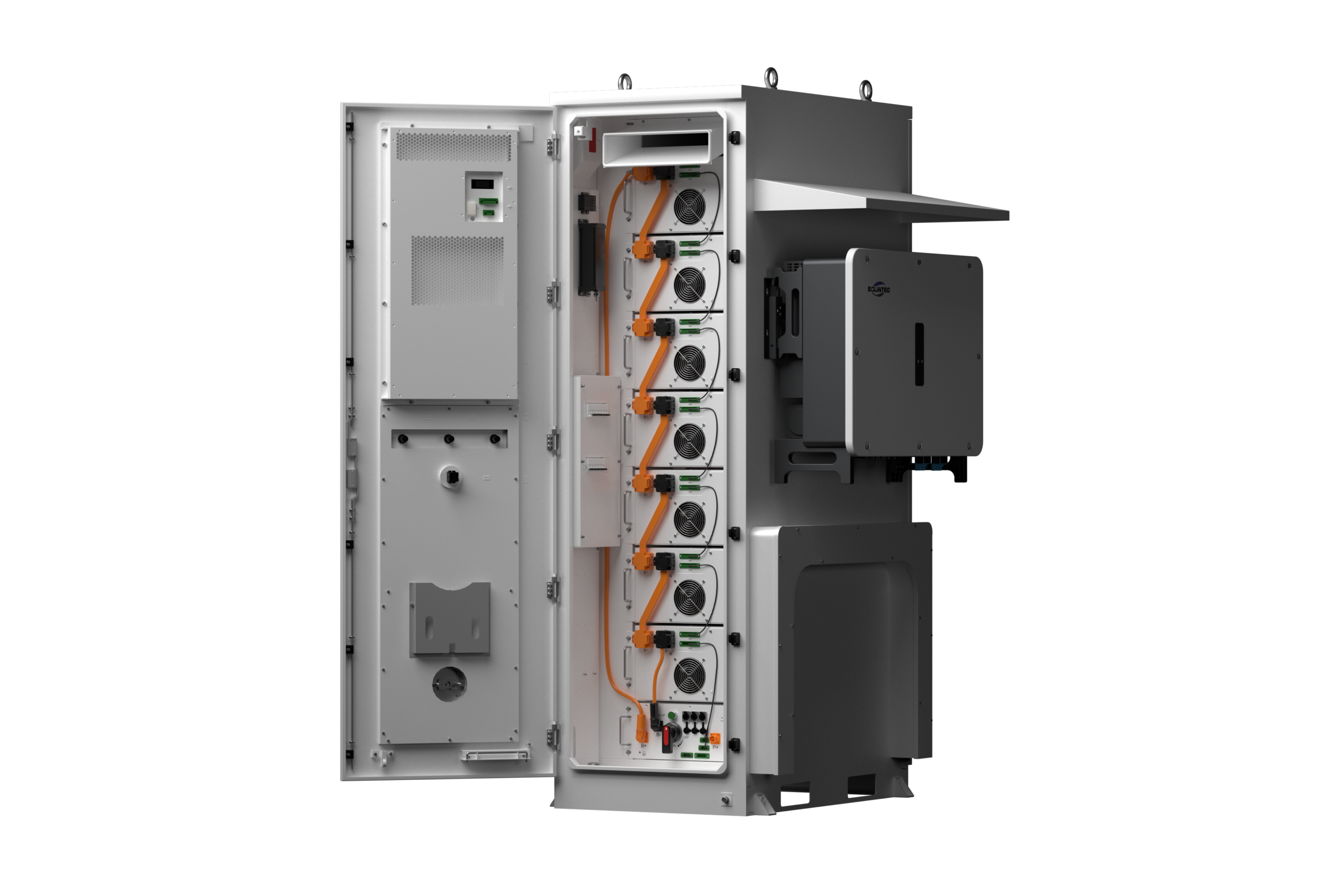
A modern industrial or commercial Battery BESS system is a complex comprising many components. The magic here lies in chemical processes, whilst smart electronics ensure stability and safety. If we break down a BESS system into its basic components, we can identify two main units.
Battery modules
This is the ‘heart’ of the entire system, where the electricity is stored. Most modern energy storage systems operate using lithium-ion (or, more precisely, lithium iron phosphate, LFP) batteries. They are durable, safe and have a high energy capacity. Small battery cells are combined into modules, which are then assembled into large blocks or cabinets (racks).
To ensure everything runs smoothly, every BESS system has a built-in computer — the Battery Management System (BMS). It monitors the voltage, current and temperature of each cell around the clock. The BMS simply won’t allow the batteries to overheat, discharge too deeply or overcharge, ensuring the equipment lasts for many years.
Inverters and power conversion systems
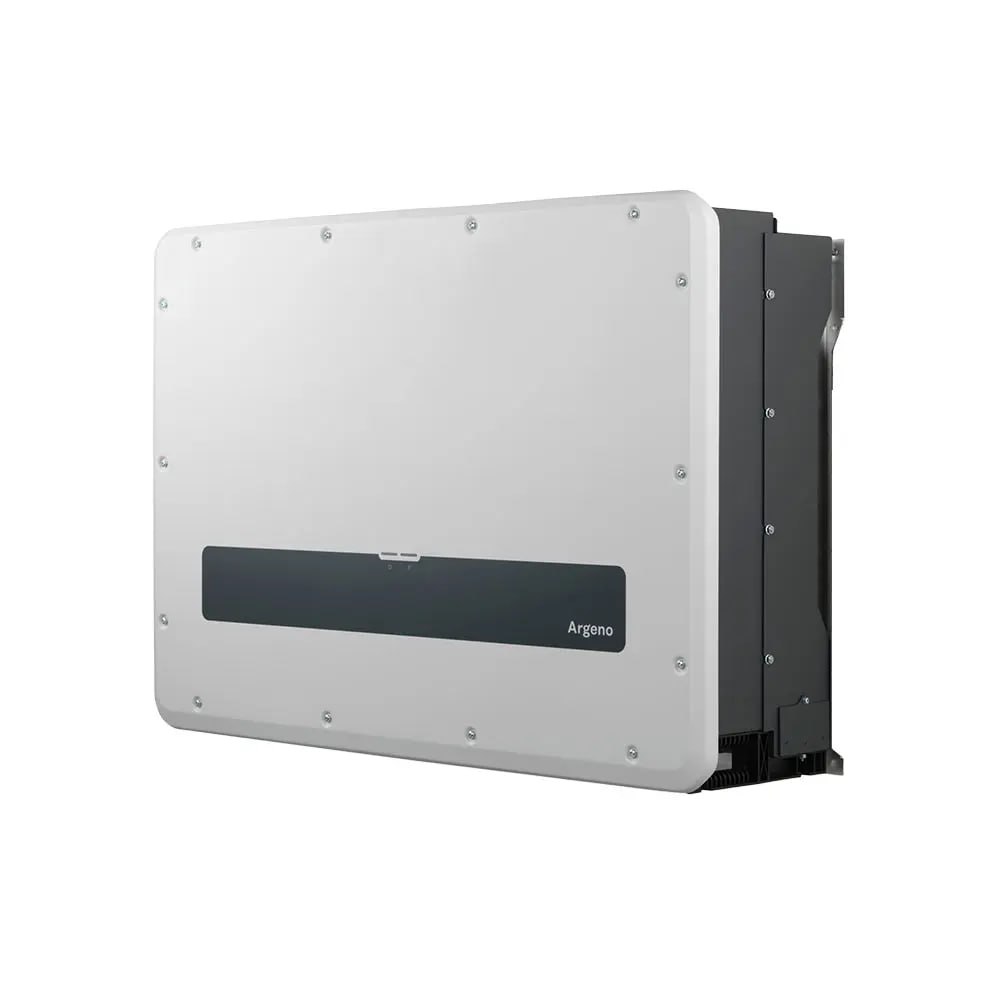
The batteries themselves can only supply and accept direct current (DC). However, our sockets, household appliances and factories run on alternating current (AC). To bridge this gap, BESS systems use special power converters known as inverters.
When the energy storage system is charging from the grid, the inverter converts alternating current into direct current and ‘feeds’ it into the batteries. And when the power goes out, the process runs in the opposite direction — the system instantly supplies the familiar alternating current back to the grid. In addition to inverters, the system necessarily includes air conditioning units to cool the batteries and an automatic fire-suppression system.
Advantages of using energy storage systems
Installing energy storage systems brings significant benefits to both individual businesses and the country’s entire power system. The main advantage lies in significant savings on electricity tariffs, as energy storage systems allow cheap electricity to be stored at night and used during expensive daytime peak periods. At the same time, the system acts as a reliable backup power supply which, in the event of an accident or blackout, instantly maintains the operation of hospitals, data centres or manufacturing facilities, thereby preventing losses. In addition to protecting a specific facility, such storage systems react within milliseconds to voltage spikes in the wider grid, stabilising it much faster than conventional equipment. Ultimately, the integration of a local BESS system enables businesses to avoid the enormous costs of building new substations or laying additional cables to increase capacity.
Applications of energy storage systems in various sectors
The flexibility of the technology allows it to be scaled to suit any requirement: from compact domestic storage units of 5–10 kWh to massive industrial parks with a capacity of hundreds of megawatt-hours. Today, energy storage systems are being actively implemented in heavy industry, the agricultural sector (for the off-grid power supply of grain silos and farms), logistics centres and the housing and utilities sector. However, one of the most important areas of development lies in the field of environmental transformation.
Integration with renewable energy sources
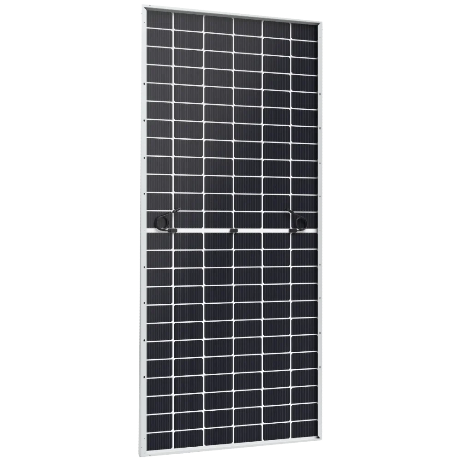
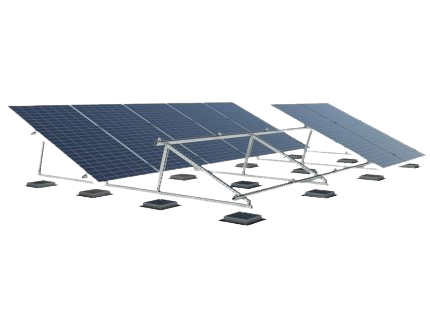
The main problem with ‘green’ energy is its instability and dependence on weather conditions. Solar power stations (SPS) generate the most energy in the middle of the day, when consumption falls, whilst wind turbines (WTS) can generate a surplus at night.
The use of a BESS system completely overcomes this shortcoming. The system stores clean daytime solar energy and releases it during the evening hours of peak demand, thereby removing restrictions on connecting new SPPs and WPPs to the grid and making renewable energy a fully-fledged, predictable and reliable source of generation.
Selecting and installing a BESS: what to look out for?
Purchasing and integrating an industrial BESS system is a long-term investment that requires a thorough technical and economic analysis. To ensure the equipment pays for itself and operates as efficiently as possible, several parameters must be taken into account at the design stage:
Capacity and power. Power (kW) determines the number of devices or the maximum load that the system can support simultaneously. Capacity (kWh) indicates the duration of this operation. The ratio of these parameters must clearly correspond to the system’s requirements.
Cycle life. This refers to the number of guaranteed charge and discharge cycles (the standard figure is around 6,000 cycles). This directly determines how many years the equipment will last before the batteries begin to lose capacity to some extent.
Efficiency. In high-quality equipment, this ranges from 85–92%. The higher the efficiency, the less energy you will lose during power conversion.
Safety and certifications. As high-capacity lithium batteries require monitoring, the system must have international safety certifications, effective cooling and intelligent BMS software that monitors every cell.
Ultimately, integrating a local BESS system allows businesses to avoid the huge costs of building new substations or laying additional cables to increase capacity. You will be able to buy electricity more cheaply, sell it at a higher price, or profitably balance the power grid.
Need a consultation?
Fill out the form and we will call you.
Your region
Request a call
Thank you, your request has been sent. A manager will contact you shortly.
 0800 30 13 77
 0800 30 13 77
 En
En