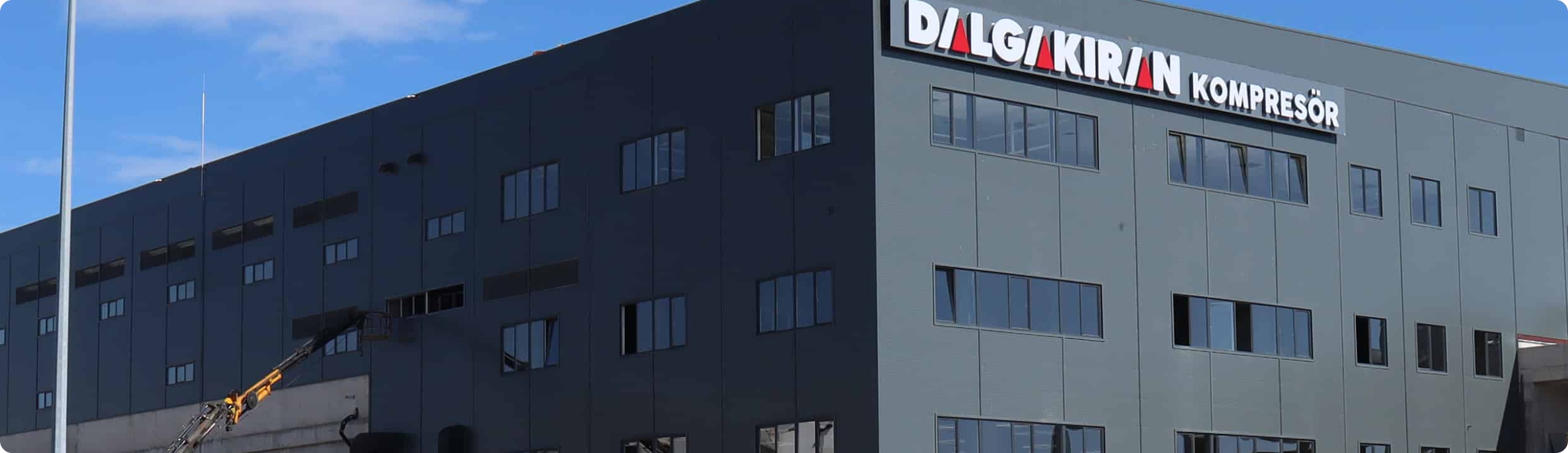
Dalgakiran gas reciprocating generators are a reliable solution for power supply to industrial and domestic consumers, as well as critical social infrastructure facilities. Electric generators from Dalgakiran, operating on natural and liquefied gas, are used for constant and backup power supply, and our cogeneration units not only provide electricity but also heat.
The relatively low cost of gas, low emissions of harmful substances during its combustion, the ability to power the generator from the gas main, and the option of cogeneration ensure the popularity of gas piston plants in the Ukrainian power generator market.
The gas-fired power generators offered by our company can be divided into 4 types:
power plants designed to operate continuously as the main source of electricity;
backup generators;
cogeneration units (the main source of electricity);
power generators running on liquefied natural gas.
The first three types of equipment use mainstream natural gas (methane) as fuel. The fourth type of unit runs on liquefied propane-butane.
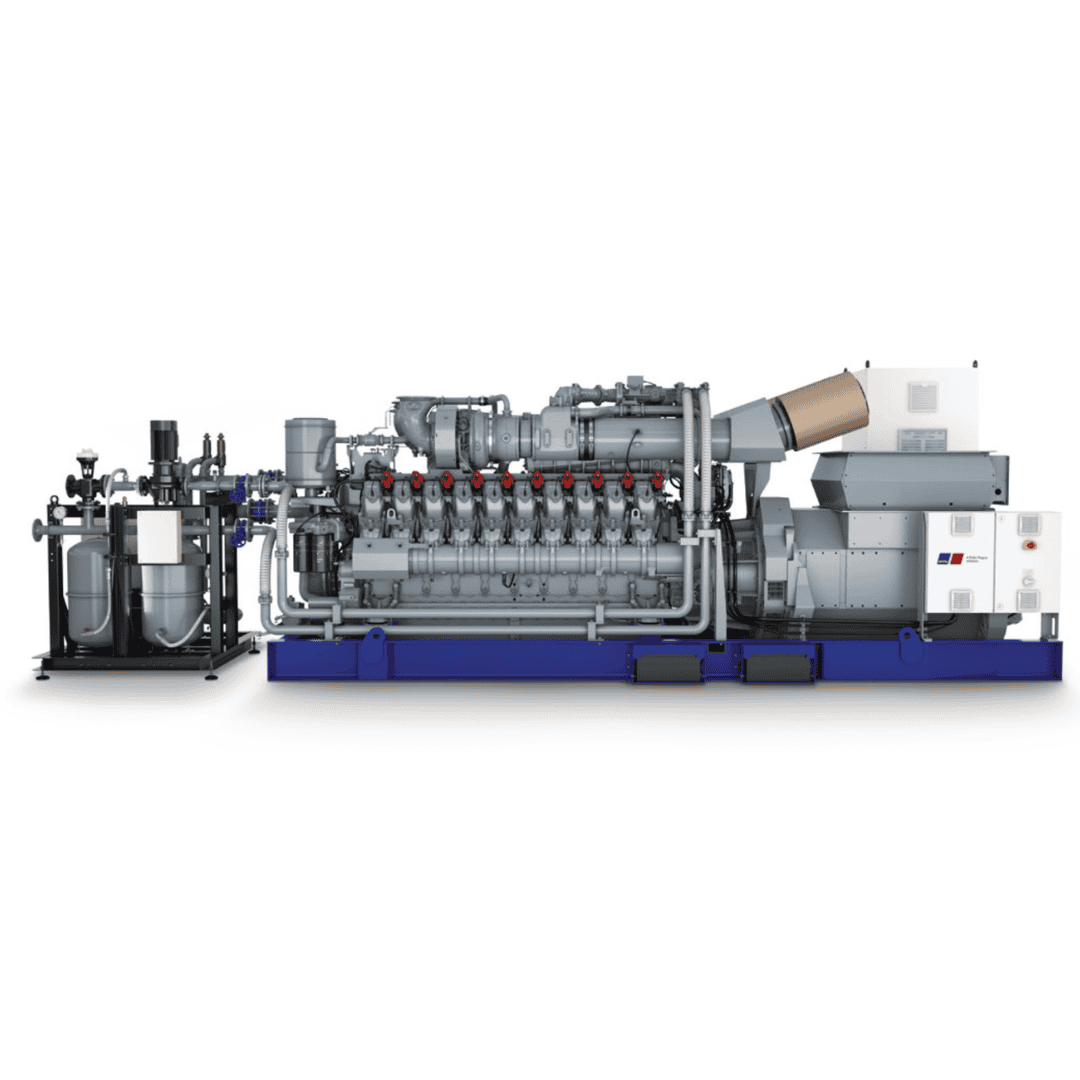
Generators for continuous operation
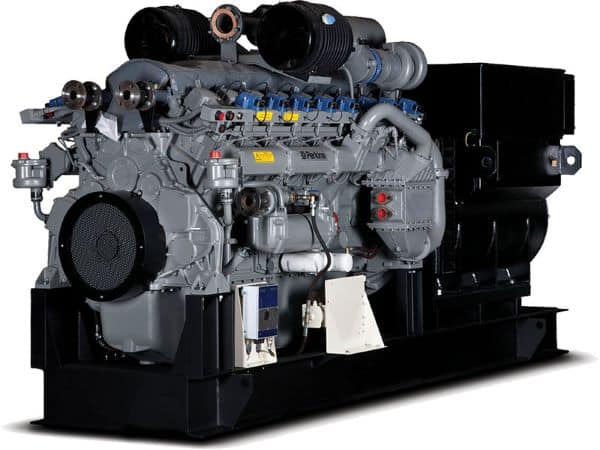
These gas generators are designed for long-term continuous operation as the main, sole source of power supply. This requires high wear resistance. It is provided by components from leading global manufacturers. Dalgakiran gas-fired power generators use exclusively reliable engines from Perkins (UK), MAN, Liebherr (Germany) and alternators from Leroy-Somer (France).
“Main gas” is an ideal fuel for such purposes, as it is continuously supplied to the gas generator for continuous use . There is no need for large fuel tanks and storage facilities, and the problem of fuel delivery is eliminated, which ultimately reduces operating costs.
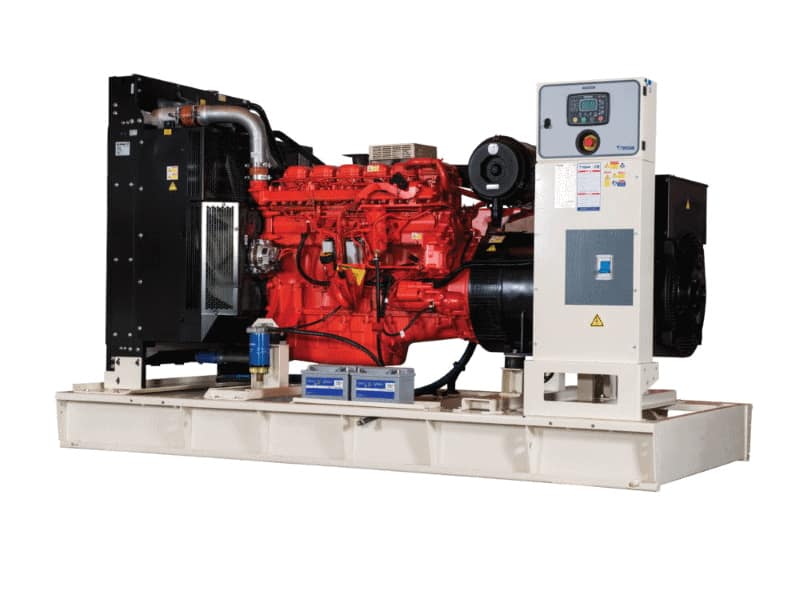
Generators for backup power supply
A gas generator with automatic start-up to ensure power supply to the facility in case of failure of the main power source. On average, accidents are eliminated within one day, up to three days. The cost of such equipment is much lower, as it does not require 24/7 operation.
Less commonly, such gas-fired power generators can be used to cover short consumption peaks when there may be a power shortage. Sometimes, due to the technical capabilities of local power grids, an enterprise is unable to provide the necessary power for production. Most often, this situation occurs in the agricultural sector and is seasonal.
Such generators are mainly used for engines:
SCANIA (Sweden) – with a capacity of 300 kW and above;
DOOSAN (South Korea) – with a capacity of 100 to 300 kW;
SDEC (Shanghai Diesel Engine Co, China) – with a capacity of 100 to 150 kW;
LOVOL (China) and YAVUZ (Turkey) – with a capacity of up to 90 kW.
Cogeneration units
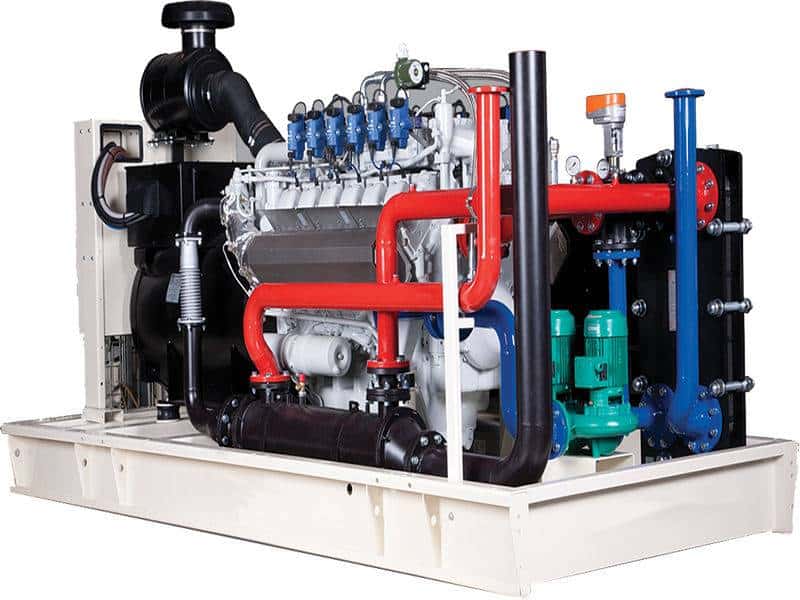
Natural gas-fired cogeneration units not only provide electricity to the facility, but also transfer heat to the heating and hot water supply system. Technically, such a system is a gas-fired power generator with a heat exchange system. Given that the efficiency of power generation is about 40%, up to 60% of the energy from gas combustion is used to generate heat. Thanks to heat exchangers, it is possible to transfer a significant part of the heat energy to the heating system or hot water supply. For example, with 300 kW of electricity generated by the plant, we receive about 400 kW of heat energy.
Gas power generators on liquefied gas
This type of plant uses liquefied propane-butane gas rather than methane gas as fuel. While methane-fired plants require a gas pipeline, a liquefied gas-fired power generator requires gas cylinder equipment.
The main advantage of such installations is that they can be used where there is no possibility of a gas pipeline or it would not be financially justified.
Why is it worth using gas generators?
Unlike its diesel and LPG counterparts, a generator running on main gas does not have any difficulties with refueling and storing fuel.
A diesel generator set, even with an enlarged tank and if there is an on-site diesel fuel storage facility, will not be able to provide such a long continuous operation. In addition, fuel delivery costs are inevitable.
For gas cylinder generators, the cost of maintenance is more expensive not only due to the need for space for their placement, transportation and refueling costs. The gas cylinders themselves require much more attention – malfunctioning valves, cracks and corrosion of the casing must not be allowed. The maintenance and servicing of LPG systems is regulated by the “Rules for Occupational Safety and Health during the Operation of Pressure Equipment”.
How to choose a gas power generator?
The principle of equipment selection is similar to the choice of a diesel generator set. Let’s take a closer look.
Power of the gas generator
The main or rated power is the maximum power output at a variable load for an unlimited operating time. The load should not exceed 70% of this capacity during 250 hours of continuous operation. An electric generator should not operate at 100% of its basic capacity for more than 500 hours per year.
As for the overload, it should not exceed +10% in one hour for 12 hours of continuous operation.
Number of phases and voltage
1-phase gas generators are produced only for low power, most of the equipment presented in our company is 3-phase.
Equipment class and additional options
As mentioned above, we offer 4 types of gas generators, and with equal power, they have a number of technical differences. For the correct selection of equipment, it is important for our specialists to know in which mode the gas power plant is planned to be operated and what conditions are available for this. In addition, the client may need additional options, such as remote monitoring and control of equipment.
Type of fuel
Main gas or LPG. Everything is simple here – the choice depends on the possibility or impossibility of supplying a gas main. It should be borne in mind that liquefied gas installations from Dalgakiran are limited to a capacity of 300 kVA.
Installation and connection of gas generators
The first thing to note is that the installation of a reciprocating gas power generator cannot be done independently and unauthorizedly. This requires a technical specification, a permit and a contract with a gas supplier. You can consult our specialists on this procedure by contacting us in any way convenient for you.
Installation of DALGAKIRAN gas-powered generators outside the premises is similar to that of diesel generators. The main difference lies in the gas supply line. Since the power plants are supplied in protective noise-insulating enclosures, the manufacturer has already provided protection against precipitation. If necessary, a protective fence can be supplied and an additional precipitation canopy can be installed.
Indoor installation imposes additional installation requirements. Depending on the capacity of the unit, free space, forced ventilation, fire safety and exhaust gas removal systems must be provided.
FAQs about gas generators
How does a natural gas generator differ from a diesel generator?
The main difference between a natural gas generator and a diesel generator lies in the type of fuel and operational economy: gas is supplied directly from the mains, eliminating the need for constant fuel delivery and storage. Gas generators have a significantly lower cost per kilowatt-hour generated and produce considerably lower levels of harmful emissions and noise during operation. Diesel generators, on the other hand, are more mobile, can take on the load more quickly at start-up and are the classic solution for backup power. Gas-fired power stations are ideal for long-term or continuous operation as a company’s primary source of power supply.
What are the advantages of natural gas generators compared to other types of fuel?
Natural gas generators are characterised by the lowest cost of electricity generated compared to their diesel and petrol counterparts. Thanks to their direct connection to the gas mains, they ensure continuous, autonomous operation without the need for regular refuelling, fuel delivery or storage. The environmental friendliness of natural gas ensures minimal emissions of combustion products and the absence of soot, which extends the engine’s service life and reduces maintenance costs. Furthermore, gas-fired generators operate with reduced noise and vibration levels, making it easier to locate them near industrial and residential premises.
How do you choose the right gas generator for a business?
Selecting a gas generator for a business begins with an accurate calculation of the total electrical power of all equipment, taking into account starting currents and the required safety margin (usually 20–25 per cent). It is important to determine the operating mode — whether the station will function as the primary power source or as a backup — and to assess the parameters of the existing gas network (pressure and gas flow rate). The type of enclosure (open or in a sound-absorbing, all-weather hood) and the possibility of cogeneration for the simultaneous production of electricity and heat are also taken into account. The best course of action is to engage engineers to carry out a site audit and select the appropriate configuration for specific operational requirements.
What capacity is required for a gas generator and how is it calculated?
The required power output of a gas generator depends on the total energy consumption of all connected loads and the mode of their simultaneous operation. To calculate this, first add up the rated power of all the equipment, then take into account the starting current factors (particularly for electric motors, compressors and pumps, where the starting power is 3–5 times the rated power). A margin of 20–30 per cent must be added to the resulting figure to prevent overloading and ensure optimised engine operation at 70–80 per cent of maximum capacity. For complex industrial facilities, start-up sequences and the possibility of automatic load redistribution are also taken into account.
Are gas generators suitable for long-term continuous operation?
Yes, gas generators (gas piston power stations) are the ideal solution for long-term, continuous operation as the primary source of power supply. They are designed around heavy-duty industrial engines with a long service life, enabling them to operate 24/7 for weeks or months between scheduled maintenance. A direct connection to the gas mains removes the fuel tank capacity limitations inherent in diesel or petrol-fuelled power stations. Furthermore, when using combined heat and power (CHP) units (which generate both electricity and heat simultaneously), continuous operation becomes as cost-effective as possible for the business.
What maintenance is required for a generator running on mains gas?
Maintenance of mains gas-fired generators is divided into daily monitoring and scheduled maintenance based on operating hours (usually every 250–500 hours). During scheduled maintenance, the engine oil, oil filters and air filters are replaced, and the spark plugs are checked and replaced. Service engineers also regularly check the condition of the gas fittings, pressure regulators and cooling system, and adjust the quality of the fuel-air mixture to maintain high efficiency. Equally important is the diagnosis of the exhaust system, valve clearances and the checking of the control systems to ensure the uninterrupted operation of the plant.
Need a consultation?
Fill out the form and we will call you.
Your region
Request a call
Thank you, your request has been sent. A manager will contact you shortly.
 0800 30 13 77
 0800 30 13 77
 En
En