Industrial enterprises are constantly looking for ways to optimize costs and modernize their production processes. The key to success usually lies in controlling the operation of high-power electric motors, which consume a significant portion of a company’s energy resources. In this article, we’ll explain how specialized power equipment helps achieve significant cost savings, what technical features it offers, and how to properly select the optimal model to ensure stable operation of your infrastructure under any conditions.
Frequency Converters: Functions, Capabilities, and Applications
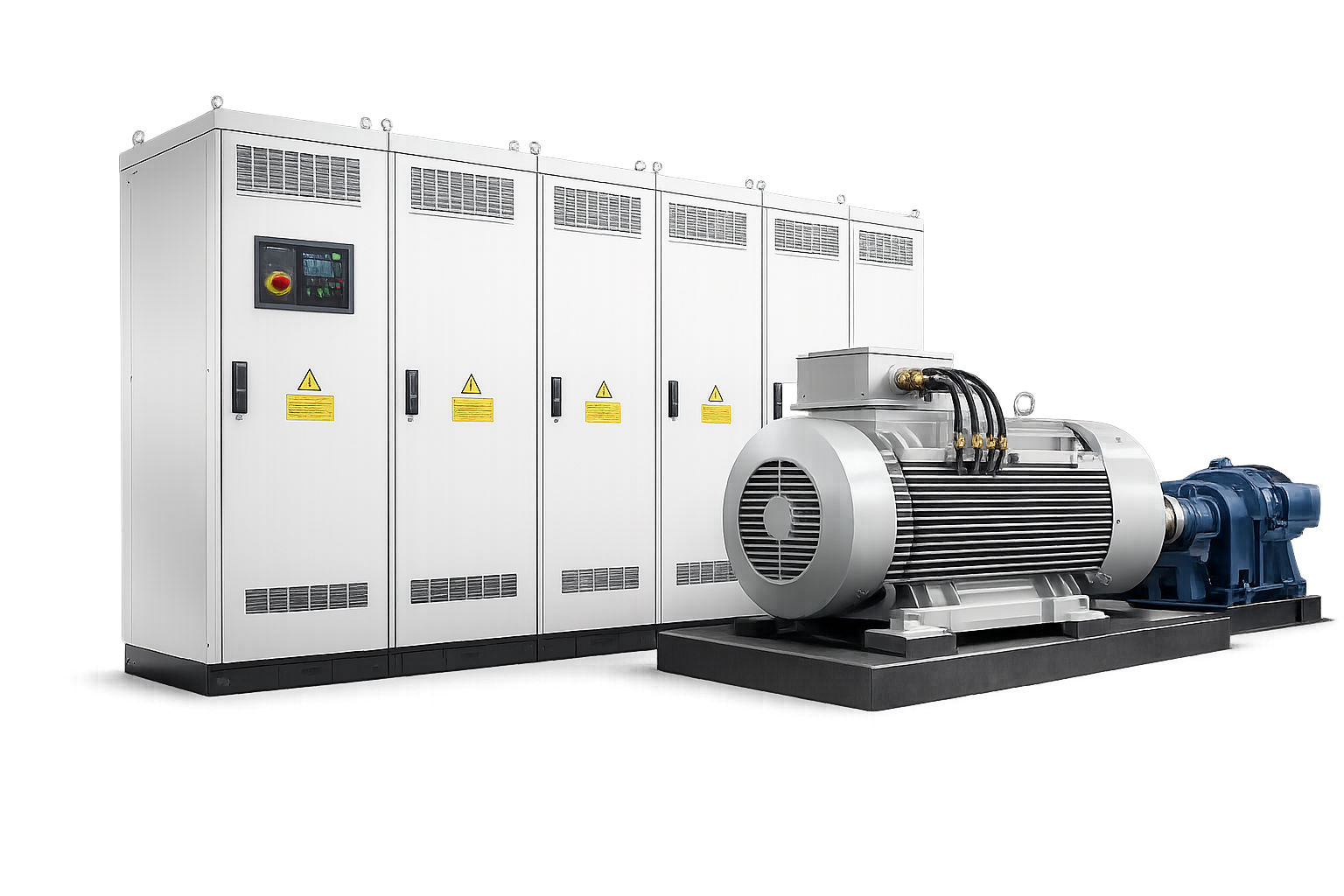
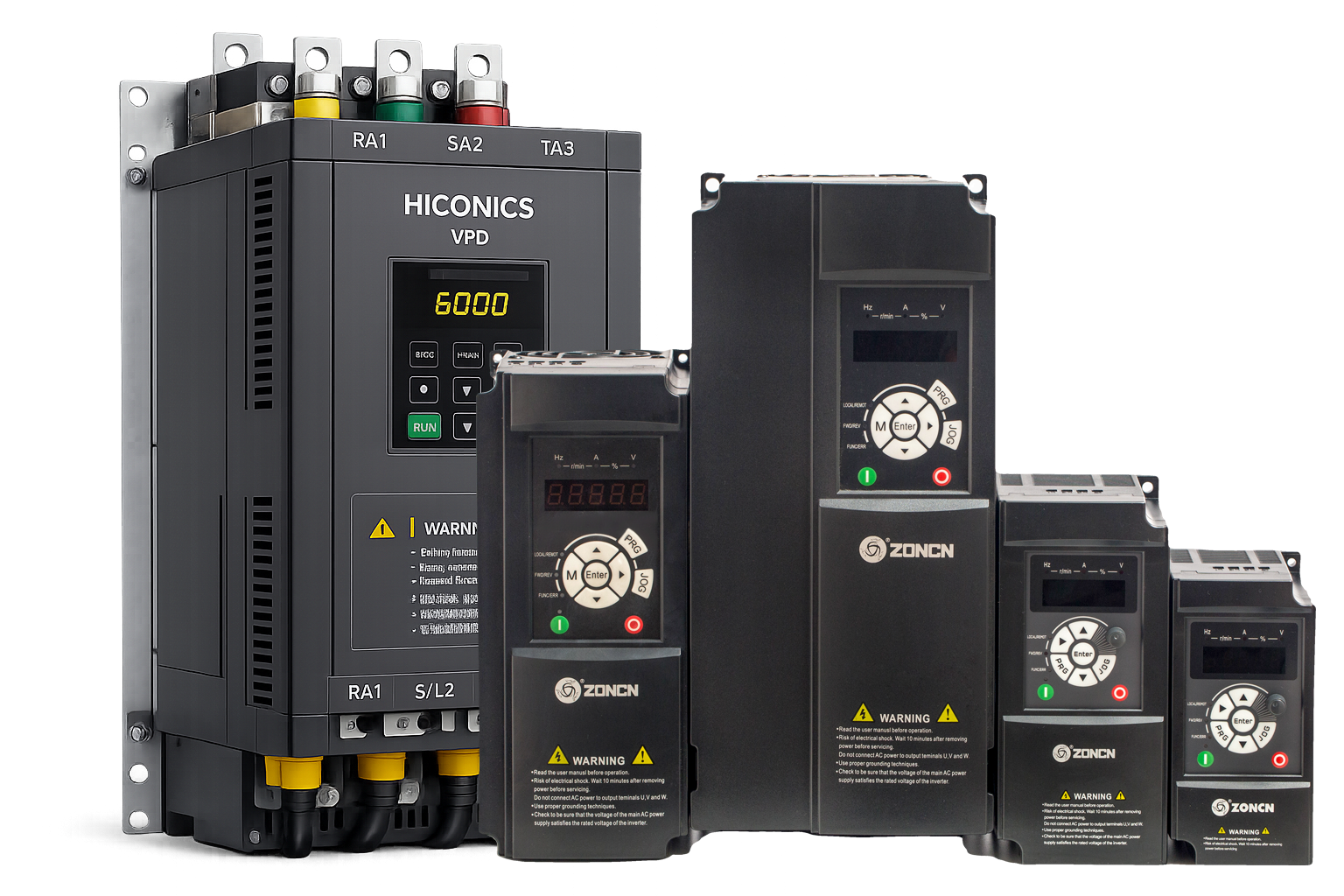
A specialized frequency converter serves as the intelligent control center for industrial power systems. The main task of this device is to optimize the operation of three-phase synchronous and asynchronous motors of various power ratings. If your facility uses standard, low-power units, modern low-voltage frequency converters that provide basic parameter control will suit your needs.
The equipment performs a wide range of technological functions:
smooth start-up and shutdown of connected electric motors under load;
precise speed control in previously unregulated processes;
synchronous control of a group of several high-power motors from a single device;
automation of drive operation and replacement of outdated DC systems;
ensuring optimal motor operating conditions with minimal inductive heating.
Thanks to their versatility, these devices can be integrated into ventilation, water supply, and heating systems, delivering energy savings of up to 50%.
How frequency converters work
An efficient frequency converter operates according to the classic AC-DC-AC formula. First, alternating current from the power grid is fed into the input circuits and rectified into direct current using diode modules. After that, the built-in DC link smooths the voltage, and the inverter stage based on IGBT modules converts it back into alternating current with the required frequency and amplitude parameters.
This pulse-width modulation (PWM) circuit design minimizes ripple and ensures the output current waveform is as close to sinusoidal as possible. The power switches are controlled by a microprocessor board. For applications with high precision requirements, we recommend selecting vector-controlled frequency converters, which respond instantly to changes in shaft load.
Key characteristics of frequency converters
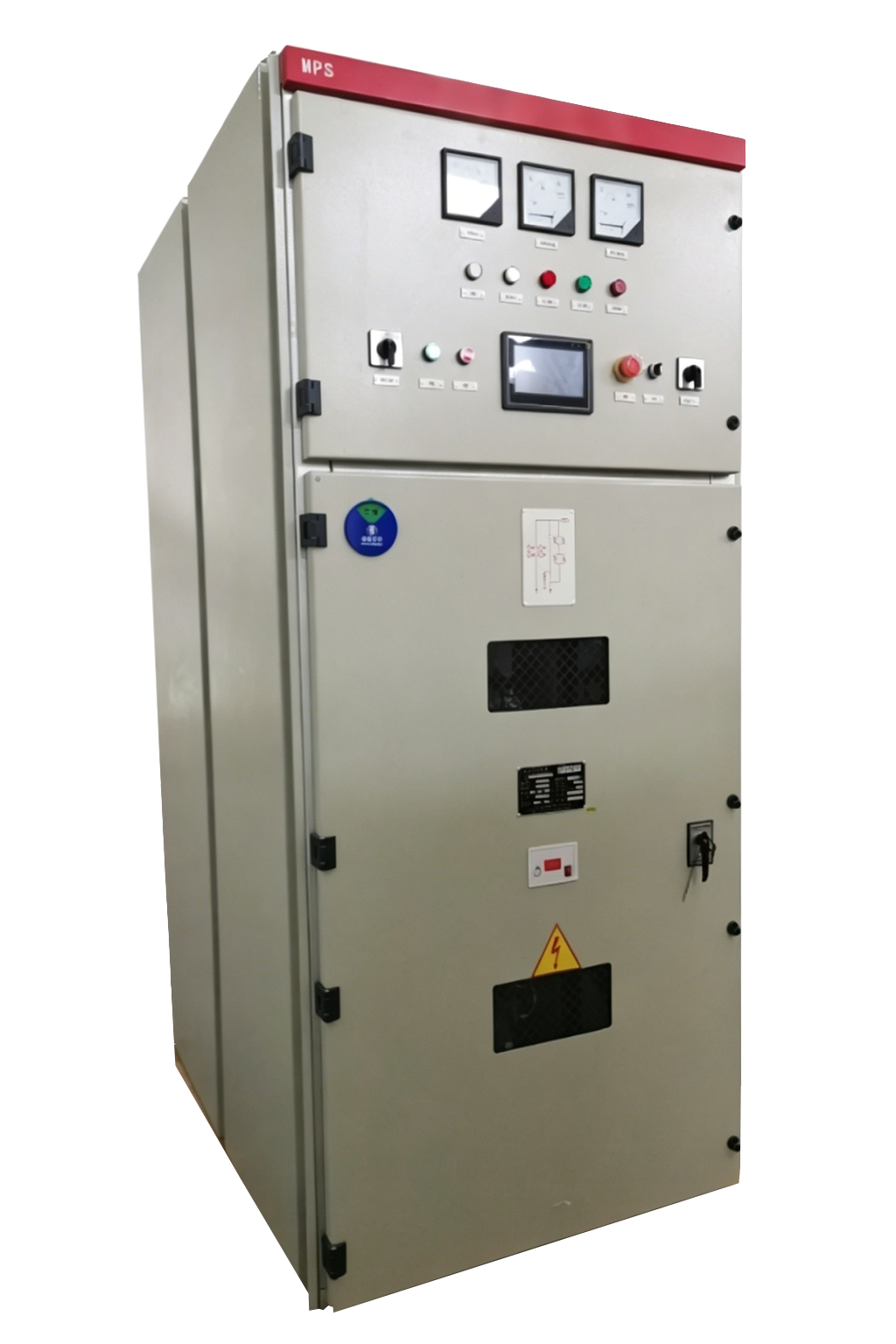
Modern variable-frequency drives are classified into two broad groups based on operating voltage: low-voltage (up to 1000 V) and high-voltage (over 1000 V). For large-scale facilities with heavy equipment and high-power motors, high-voltage frequency converters have been developed, which are classified internationally as Medium Voltage and fully comply with Ukrainian electromagnetic compatibility standards. At the same time, for standard factory lines and compact units, devices designed to operate in 220/380 V low-voltage networks are used.
The main technical parameters for different equipment classes are listed in the table of standard values:
Parameter Name
Low-Voltage Drives
High-voltage induction motors
Mains voltage
1 or 3 phases (220 / 380 / 660 V)
3-phase (3.3 / 6 / 6.6 / 10 kV)
Motor power
from 0.18 to 500+ kW
from 315 to 20,000 kW
Input operating frequency
45–65 Hz
45–65 Hz
Output frequency range
0–400 Hz (and higher)
0–50 Hz (80 Hz — optional)
Rated output current
depending on the model (up to 1,000+ A)
31 to 1,450 A
Overall system efficiency
≥ 97%
at least 96%
Power factor
≥ 0.95
not less than 0.96
Basic communication interface
RS-485 Modbus RTU / Profibus
RS-485 Modbus RTU (standard)
The selection of a specific model is always based on an analysis of the connected electric motor’s power and its installation conditions. For example, for specific operating conditions in enclosed spaces with limited air circulation, water-cooled frequency converters are suitable, as they effectively dissipate excess heat using an external chiller.
Advantages of Using Frequency Converters
The main reason to purchase a frequency converter is to reduce operating costs. In ventilation and water supply systems, variable-frequency control provides energy savings of up to 50%. The device optimizes starting currents, eliminates the negative effects of voltage spikes, and protects the motor from premature wear.
Modern variable-frequency drives offer the following advantages:
No EMC filters: PWM technology minimizes interference, eliminating the need for expensive input and output filters;
Operation on long lines: Mitigating the effect of rapid voltage rise removes restrictions on the maximum length of the power cable to the motor;
High fault tolerance: The automatic bypass function optimizes uninterrupted system operation in the event of failure of individual components or modules;
Convenient control: The equipment is equipped with ergonomic graphical terminals for quick configuration and monitoring of process control system parameters.
In industrial high-voltage systems, these advantages are complemented by dry-type transformer temperature sensors, fiber-optic control, and large 10-inch touchscreens.
Industrial Applications of Frequency Converters
On an industrial scale, frequency converters are used at water treatment plants, steel mills, and thermal power plants. They provide automated control of process parameters without water hammer or mechanical surges. Before purchasing a reliable frequency converter for production, it is necessary to consider the altitude above sea level (up to 1,000 meters without a reduction in power) and the humidity at the facility (up to 90% without a dew point).
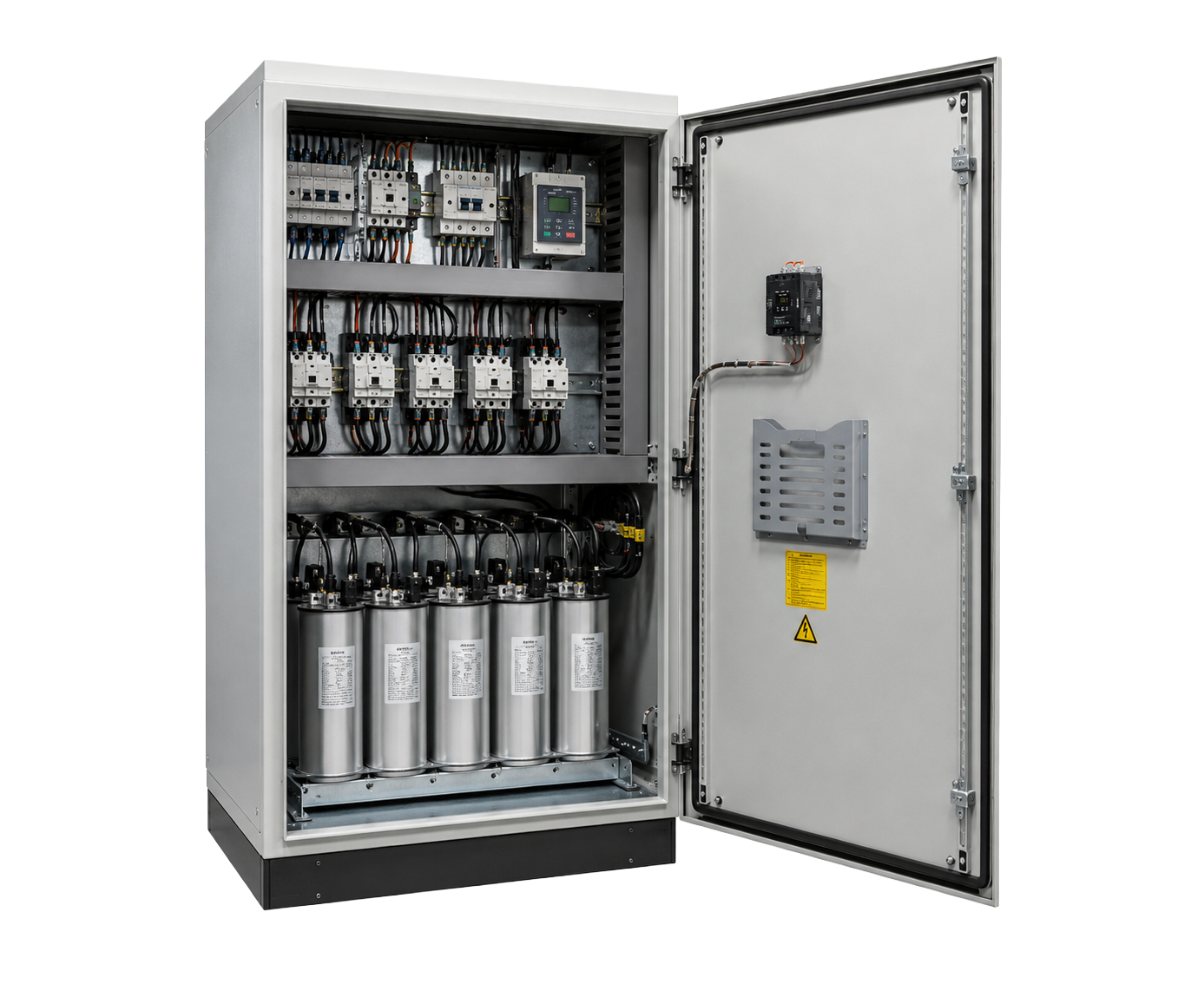
In addition to regulating drive speeds, to achieve comprehensive energy savings and reduce the load on the enterprise’s internal power grid, companies often install reactive power compensation devices are often installed to ensure comprehensive energy savings and reduce the load on the company’s internal power grid, which minimize heat loss in cables and transformers.
Benefits of ordering frequency converters from Dalgakiran
Dalgakiran has established itself as a reliable official supplier and service partner offering cutting-edge technical solutions. We supply original power equipment directly from the manufacturer. Our mission is to support the development of domestic businesses by implementing energy-efficient solutions.
When you order equipment from us, you receive a comprehensive range of service benefits:
implementation of complex turnkey engineering projects—from audit to VFD commissioning;
professional 24/7 technical maintenance with on-site service teams;
transparent pricing thanks to direct equipment shipments straight from manufacturers’ factories.
Every day, our team contributes to the stability of domestic enterprises and works confidently for the benefit of Ukraine’s economy, ensuring that everything runs smoothly with Dalgakiran under any circumstances.
Full cycle of energy solutions implementation
Dalgakiran Compressor Ukraine LLC provides a full range of work on creating autonomous and backup power supply systems.
We support the client at all stages – from the development of project documentation and construction and installation works to the issuance of permits and
commissioning of equipment.
Quality Assurance – International Certification
Our quality management system has successfully passed the international certification ISO 9001:2015, confirming compliance with the highest global standards in the organization of processes, production and service.
Qualified service — always nearby
The engineers of the Dalgakiran Ukraine service department undergo regular training and have official certification in the maintenance and repair of diesel engines, which are key components of generator sets.
This allows us to guarantee stable operation of the equipment even under conditions of intensive operation.
A comprehensive approach
We do not only supply compressors — Dalgakiran implements a full technological cycle on a turnkey basis. Our engineers analyze the customer’s needs, select optimal solutions, supply and launch all the necessary equipment. Both complete and phased re-equipment of production to energy-efficient and environmentally friendly technologies is possible.
Compressor design and operating principle
Compressors are divided into dynamic and positive displacement: the former use moving elements to change pressure, the latter use a piston or rotor to compress gas.
The most popular types are piston and screw. Piston are universal, work due to the reciprocating motion of the piston.
Screw are suitable for intensive use, compress air thanks to two rotating screws.
Compressor Power Overview
Compressor power is measured in watts, kilowatts, or horsepower. It indicates the device’s ability to create pressure and volume of air or gas per unit of time. More power means more pressure.
To buy an air compressor with powerful characteristics, we recommend paying special attention to this parameter.
Need a consultation?
Fill out the form and we will call you.
Your region
Request a call
Thank you, your request has been sent. A manager will contact you shortly.
 0800 30 13 77
 0800 30 13 77
 En
En