The efficient operation of modern equipment depends on the quality of the electricity supply. However, whilst batteries and solar power systems generate direct current (DC), most appliances — from domestic fridges to industrial machinery — run on alternating current (AC). The key link between them is the inverter. Below, we will discuss in detail the purpose of this equipment, its different types and the real benefits it offers for your energy independence.
What are inverters and what are they used for?
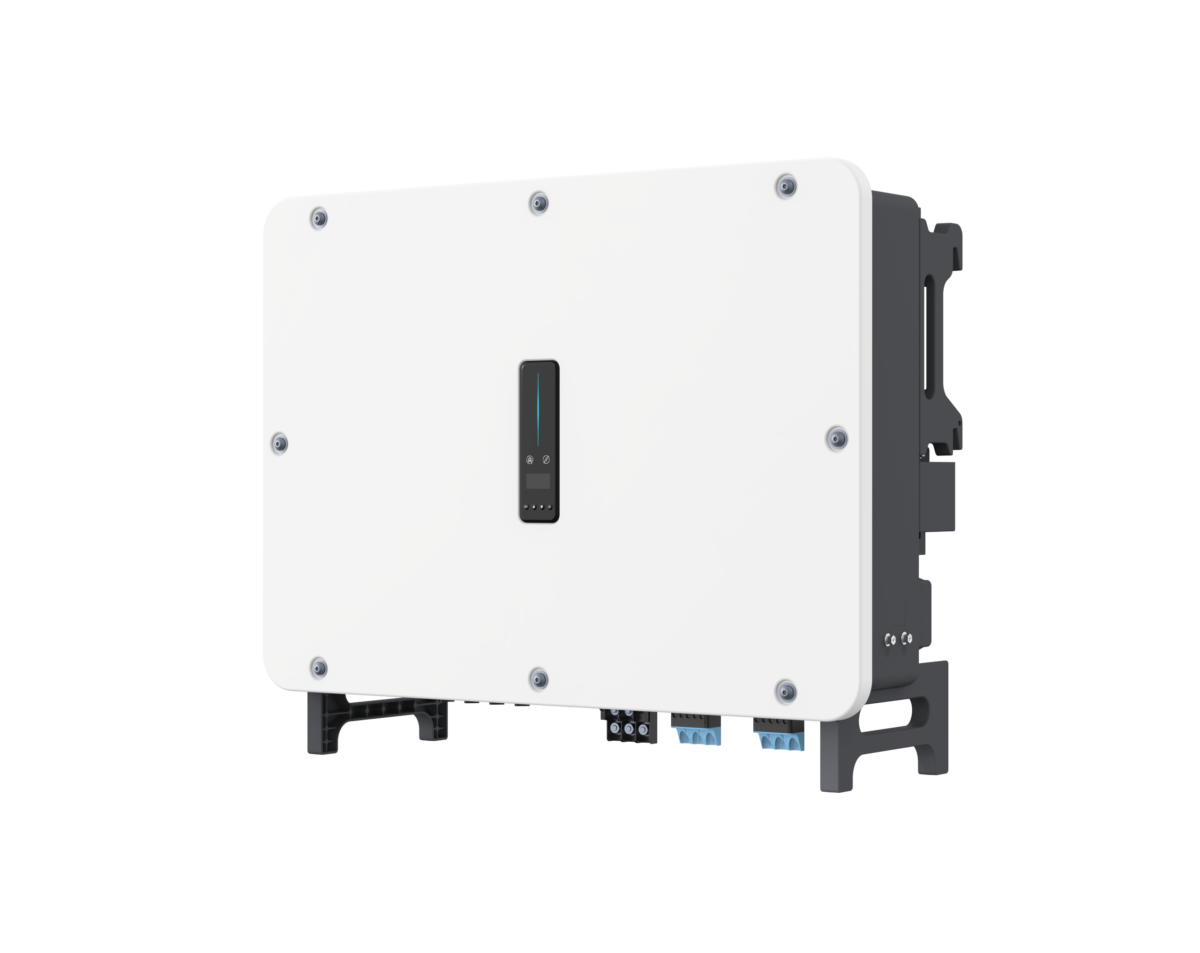
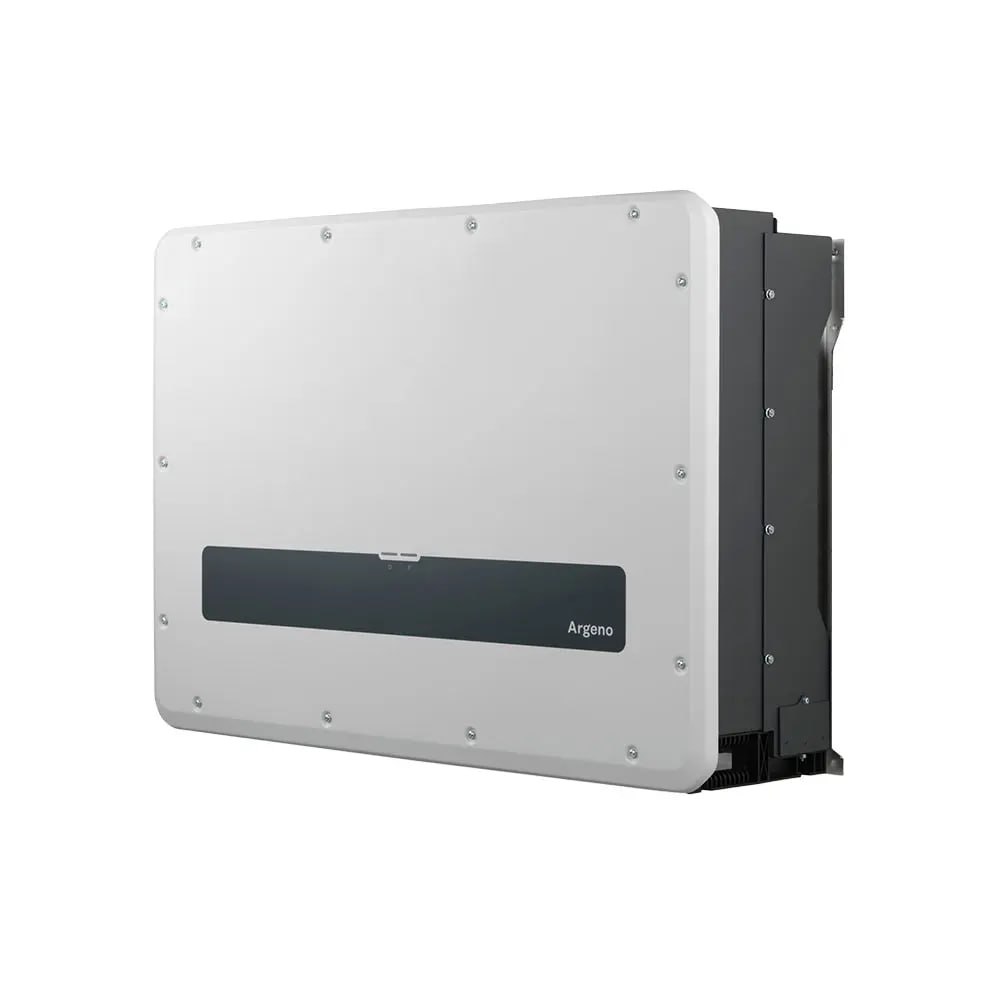
An electrical inverter is used to connect a power source to the end user. Essentially, it is a smart electronic device that converts direct current into alternating current.
However, modern inverters are not merely passive current converters. They are complex, intelligent energy management centres. An inverter monitors the quality of the output voltage, protects equipment from short circuits and overloads, synchronises the operation of various power sources (the mains, a generator, solar panels) and optimises the battery charging process. Without this device, it is impossible to build any modern solar power station or backup power system.
Main types of inverters
Depending on the architecture of the power system and the tasks it is designed to perform, the equipment is divided into several broad categories: grid-connected, hybrid and micro-inverters. Each inverter has its own design features, which determine its role within the system.
Grid-connected inverters (On-Grid)
This type of device is designed exclusively to operate in conjunction with the central electricity grid. It takes direct current from solar panels, converts it to alternating current and either supplies it directly to the facility’s needs or ‘feeds’ the surplus into the main grid (for example, under a ‘green tariff’ or a Net Billing scheme). The main feature of a grid-connected inverter is that it does not have a battery connection function. If there is a power cut in the mains grid, the grid-connected inverter automatically switches off for safety reasons.
Hybrid inverters
These are currently the most popular devices on the market. Hybrid inverters combine the functions of both grid-connected and off-grid devices. They are capable of operating simultaneously with solar panels, batteries and the mains grid. Such a device can power a home using solar energy, feed surplus power back into the grid, and, in the event of a power cut or outage, switch to battery power within milliseconds.
Micro-inverters
This is a relatively new term in the alternative energy sector. Unlike traditional large-scale systems, to which dozens of panels are connected, a micro-inverter is a small device mounted directly onto the back of each individual solar panel (or a pair of modules). They convert the electricity straight on the roof. This setup makes the system incredibly flexible: if one panel is shaded or becomes dirty, it will not affect the efficiency of the others in any way.
How to choose an inverter: key specifications
Purchasing equipment for energy self-sufficiency is a significant investment, so the choice of model should be based on hard technical calculations, not advertising slogans. Experts highlight several critical parameters that should be considered first and foremost:
Output voltage waveform (sine wave).
This is the most important indicator of quality. The inverter must produce a so-called pure (correct) sine wave. Only then will it be safe for sensitive household appliances: gas boilers, fridges, pumps and audio systems
Rated and peak power.
Rated power (measured in kW) indicates the total load the device can sustain over a prolonged period. Peak (or starting) power indicates the ability to withstand short-term loads (2–3 times higher than the rated power) when appliances with electric motors are switched on (for example, a borehole pump or an industrial machine tool).
Battery pack voltage.
Off-grid and hybrid inverters operate with batteries of various voltages — 12 V, 24 V or 48 V (in industrial models — over 100 V). The higher the power rating of the inverter itself, the higher the battery bank voltage must be in order to reduce currents and prevent cables from overheating. For systems ranging from 3–5 kW, 48 volts is the standard. In industrial and modern three-phase systems with a capacity exceeding 10–15 kW, high-voltage (HV) systems are increasingly being used, where the battery bank voltage ranges from 100 V to 400 V or more. In such configurations, the BMS (Battery Management System) plays a critical role.
Charging current and controller specifications (MPPT).
The built-in solar controller determines how many solar panels you can connect to the system and how efficiently they will operate in overcast conditions. An MPPT tracker is essential for modern systems.
Always choose a device with a power rating that has a margin of at least 20–30 per cent above maximum consumption. Operating equipment at the limits of its capacity significantly reduces its service life and leads to constant overheating of the forced cooling system.
The use of inverters in various sectors
Thanks to their versatility, inverters are used in virtually all sectors — from private households to industrial facilities. In ordinary houses and flats, they form part of uninterruptible power supply (UPS) systems, protecting household appliances from power surges and ensuring comfort during emergency power cuts.
For commercial premises and offices, a powerful inverter offers an alternative to noisy diesel generators: it keeps shops, pharmacies and servers running without harmful emissions, protecting businesses from losing customers. In turn, in industry and the agricultural sector, these technologies help to precisely control electric motors and ensure the autonomous operation of pumping stations, whilst in transport – in cars or campervans – compact devices make it easy to connect standard laptops and mini-fridges to the standard on-board electrical system.
Advantages of using inverters
Integrating high-quality inverter equipment into the power system offers the owner a number of undeniable advantages, making the property fully self-sufficient and protected from any external crises. The main advantage lies in the tangible financial benefit: the device can be configured to charge batteries at night at a cheaper tariff, whilst powering the home or office during the day without drawing on expensive mains electricity.
Unlike fuel-powered generators, this electronic converter operates almost silently, requires no fuel purchases or oil changes, and emits no exhaust fumes, so it can safely be installed even on a flat’s balcony or inside living areas. Furthermore, a high-quality voltage inverter acts as a reliable shield between the unstable mains supply and your expensive appliances, delivering a perfectly smooth current with a pure sine wave, which significantly extends the lifespan of all your household appliances.
A properly selected unit eliminates the fear of power cuts, keeps utility bills under control and ensures that your home or business remains lit under any circumstances.
Need a consultation?
Fill out the form and we will call you.
Your region
Request a call
Thank you, your request has been sent. A manager will contact you shortly.
 0800 30 13 77
 0800 30 13 77
 En
En