Globally, hydroelectric power stations generate approximately 24 per cent of all electricity and supply power to over 1 billion people. According to the National Renewable Energy Laboratory, the combined capacity of the world’s hydroelectric power stations is around 675,000 megawatts, equivalent to 3.6 billion barrels of oil.
At the heart of any hydroelectric power station is the generator, and a single power station usually houses several such units. It is the generator that is responsible for producing electricity. Its operating principle is based on the rotation of magnets inside coils of wire: as they move, electrons begin to flow, generating an electric current.
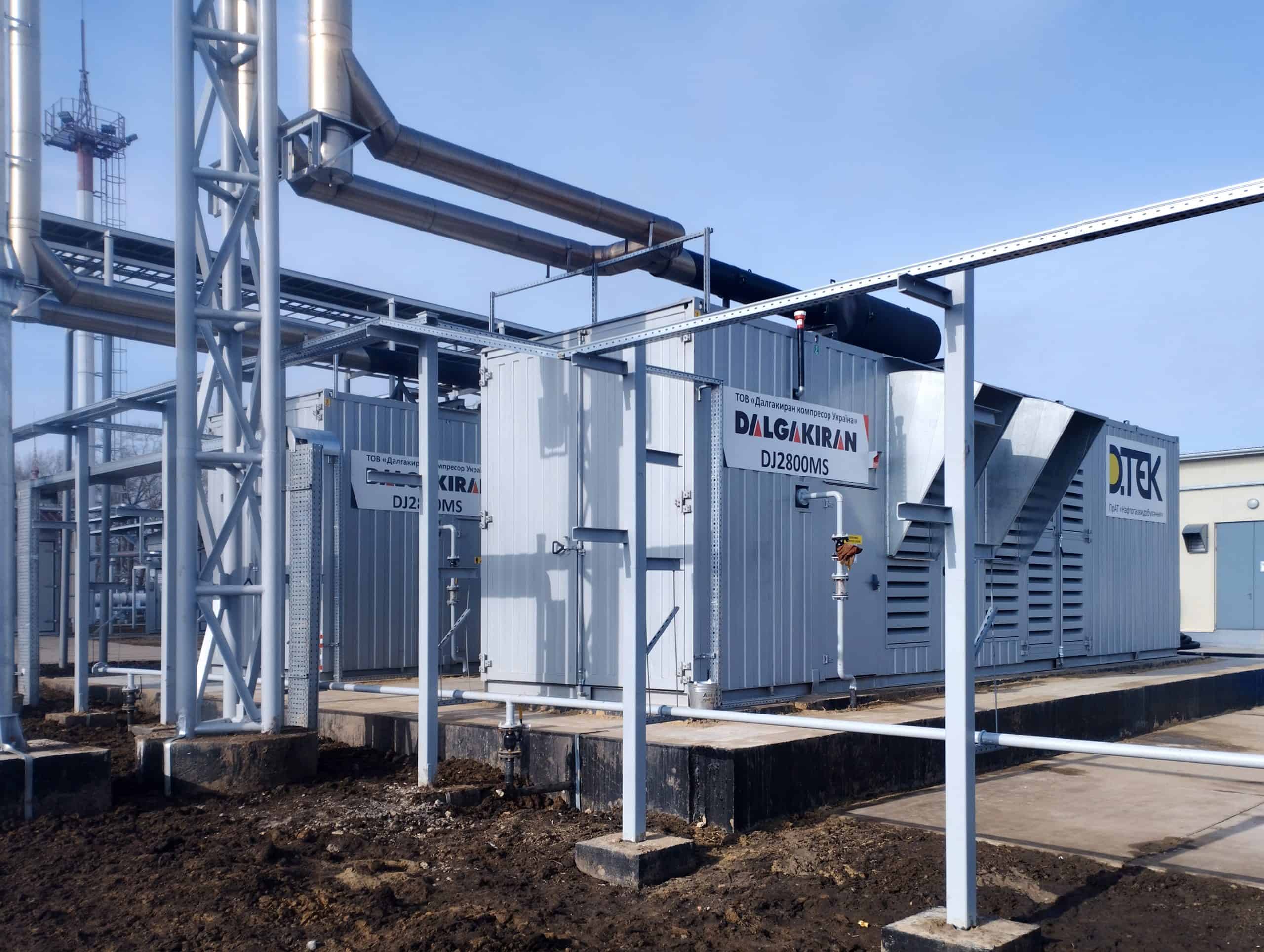
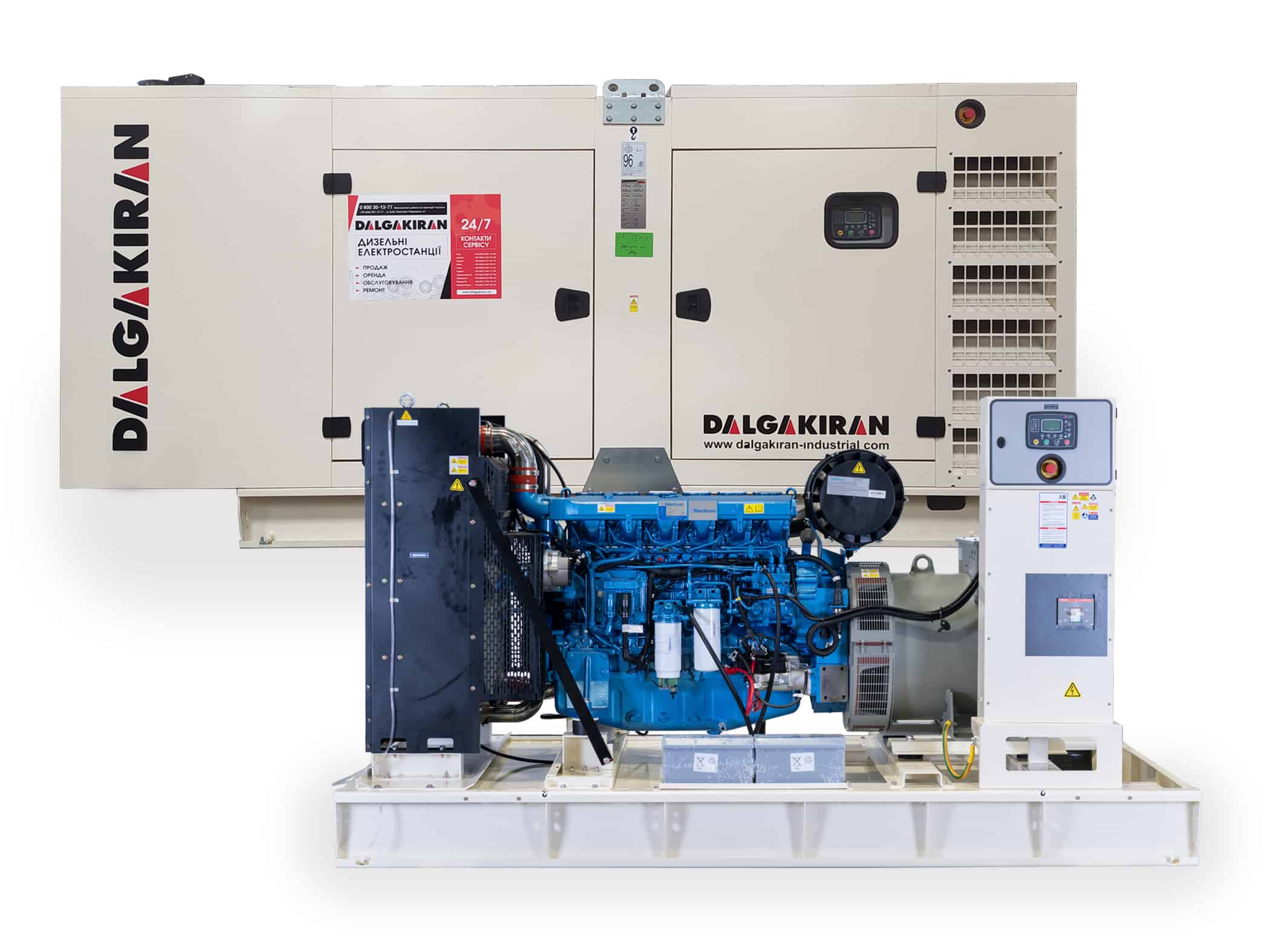
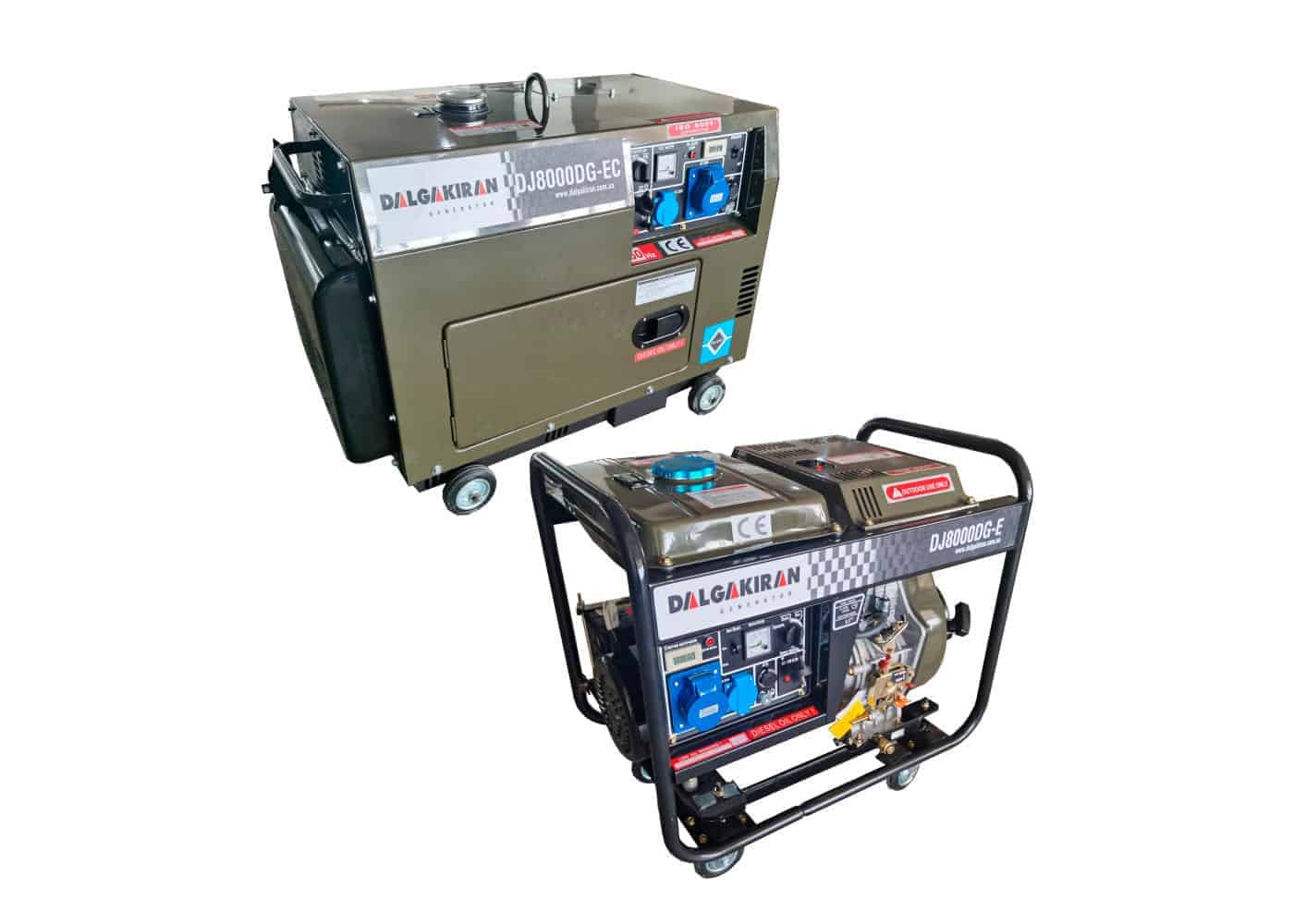
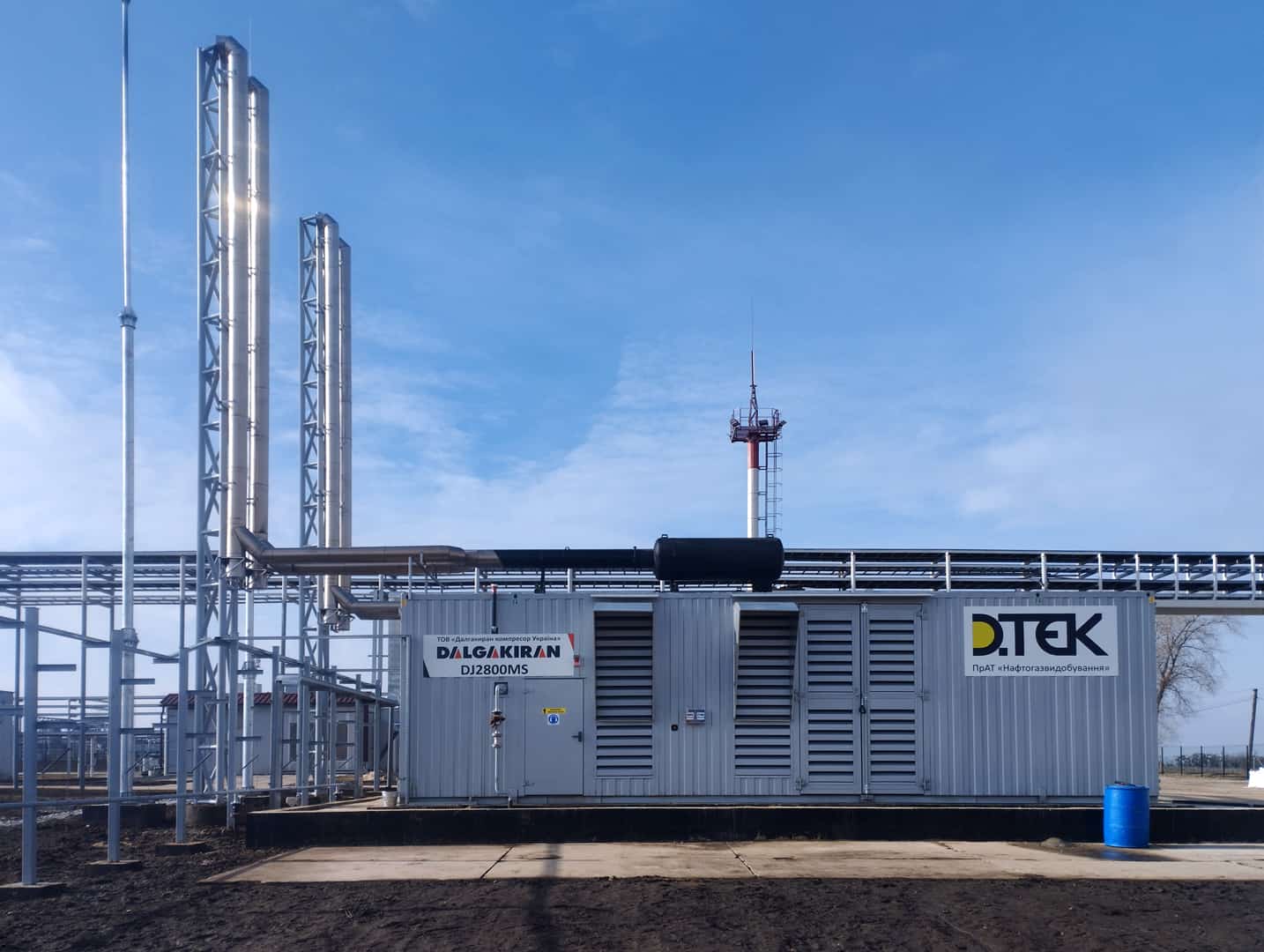
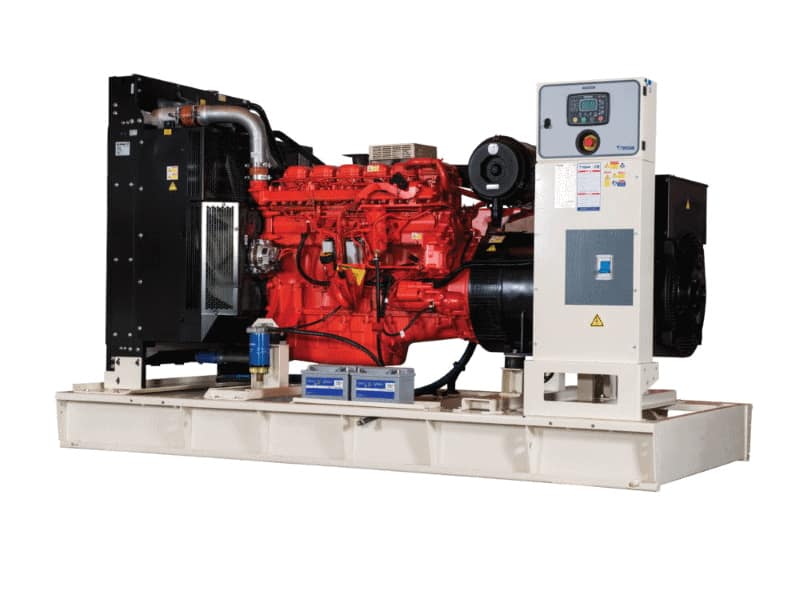
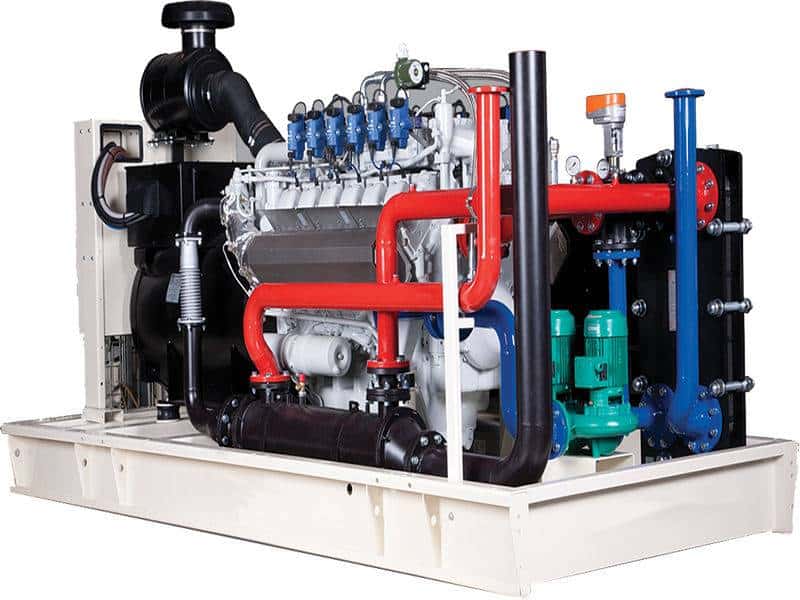
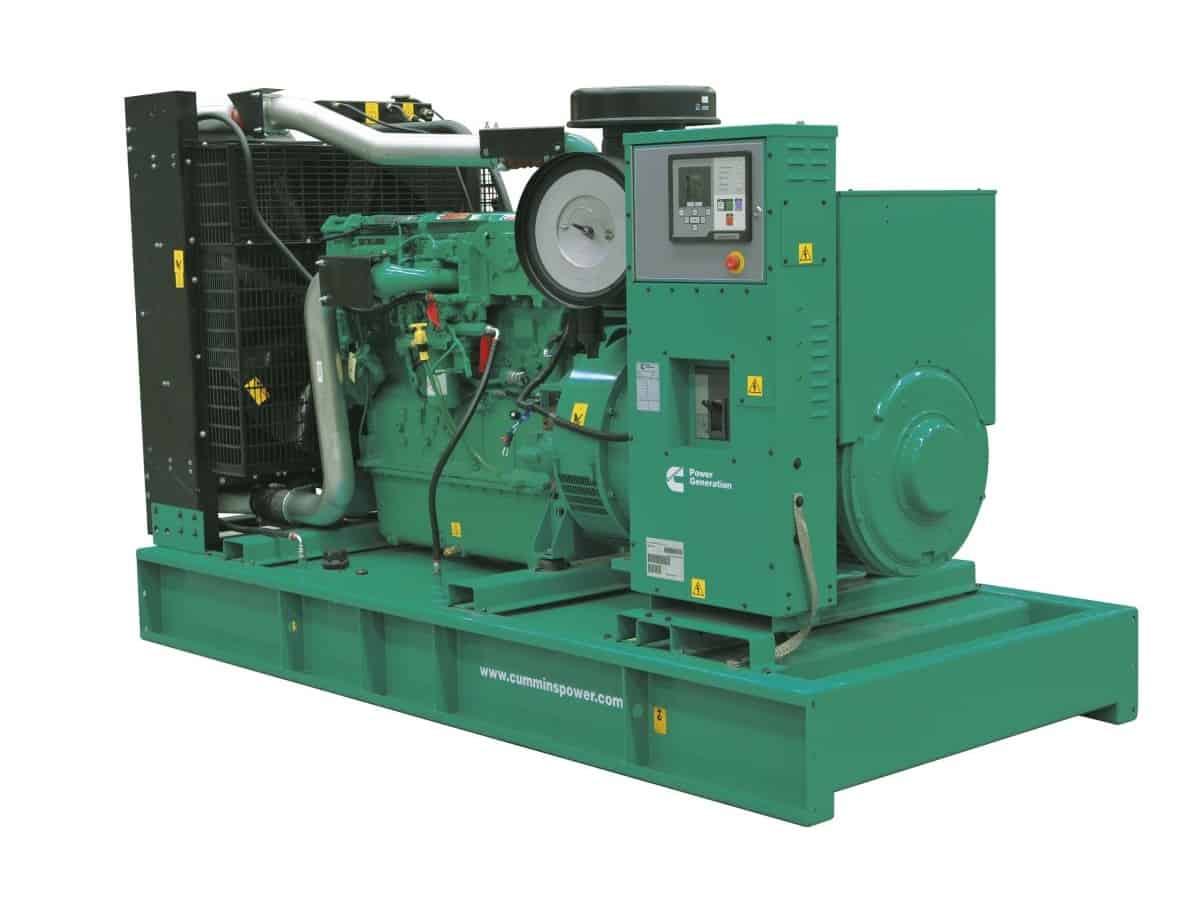
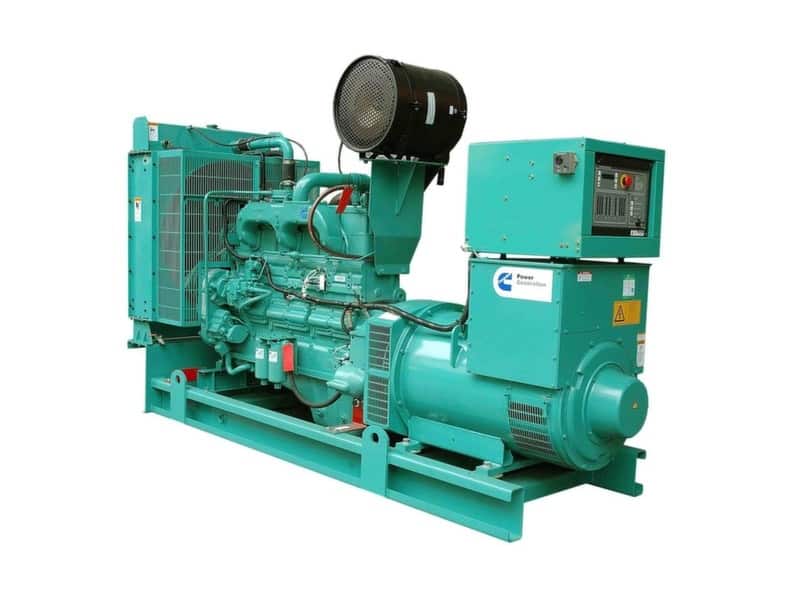
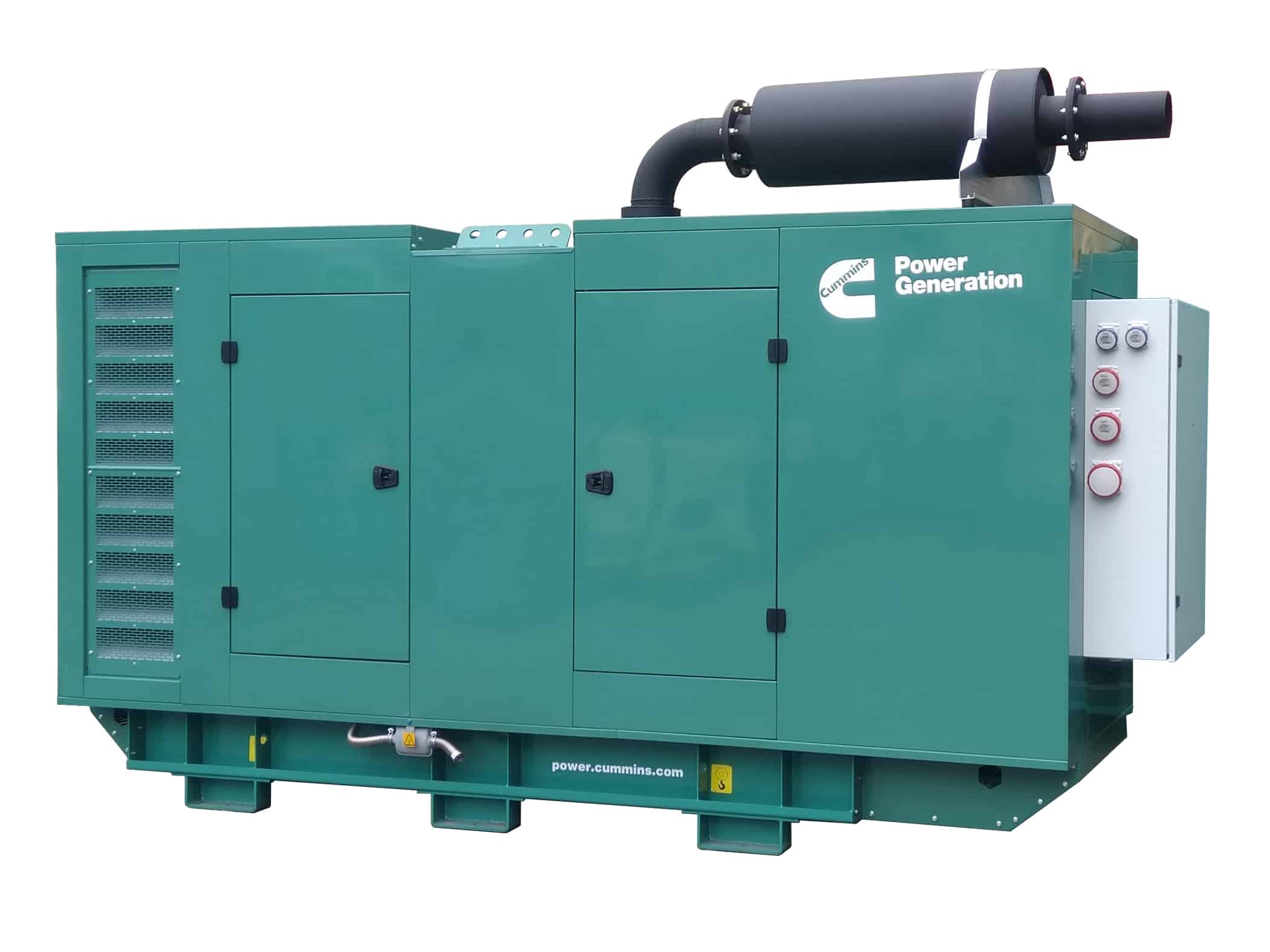
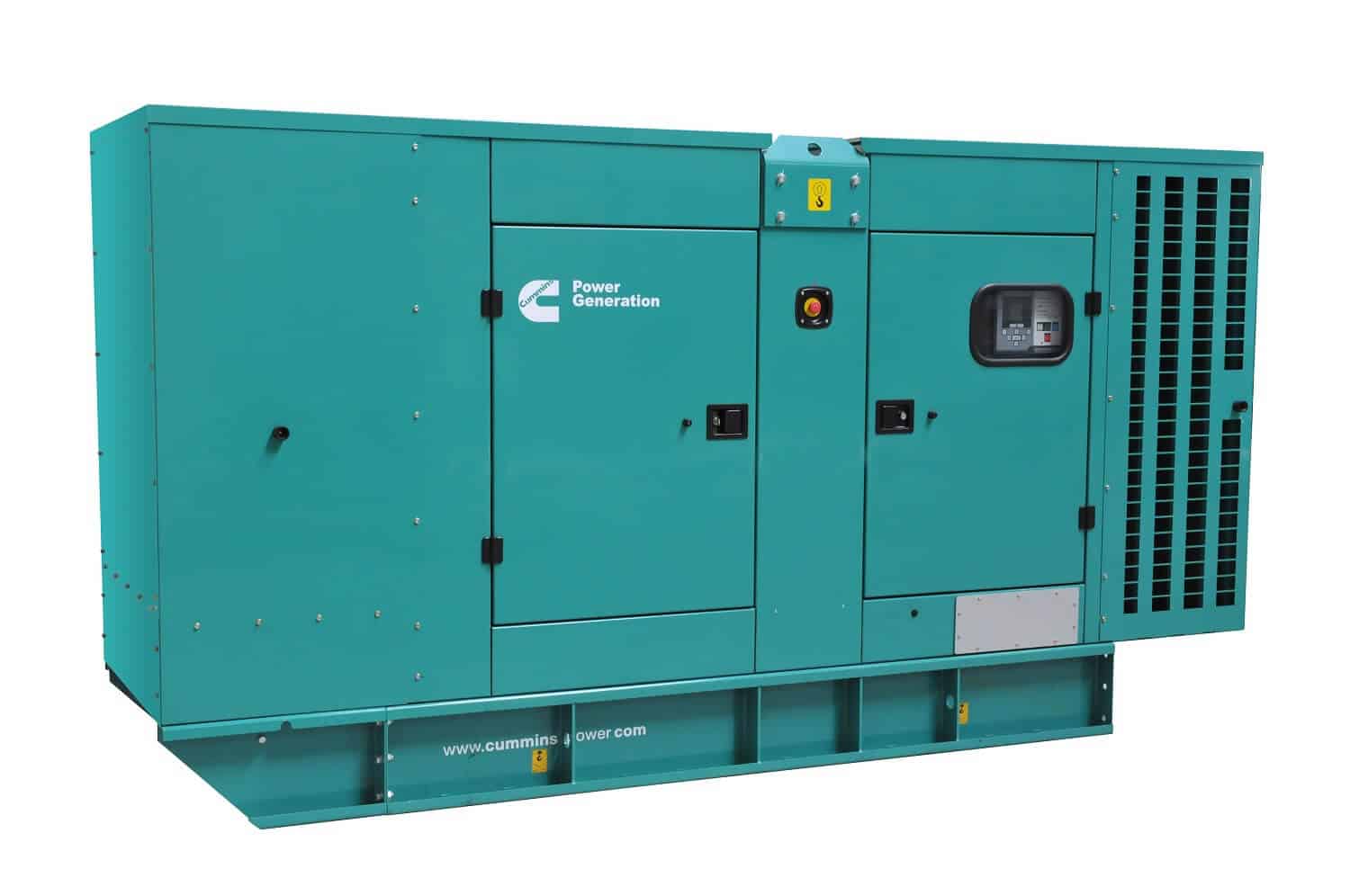
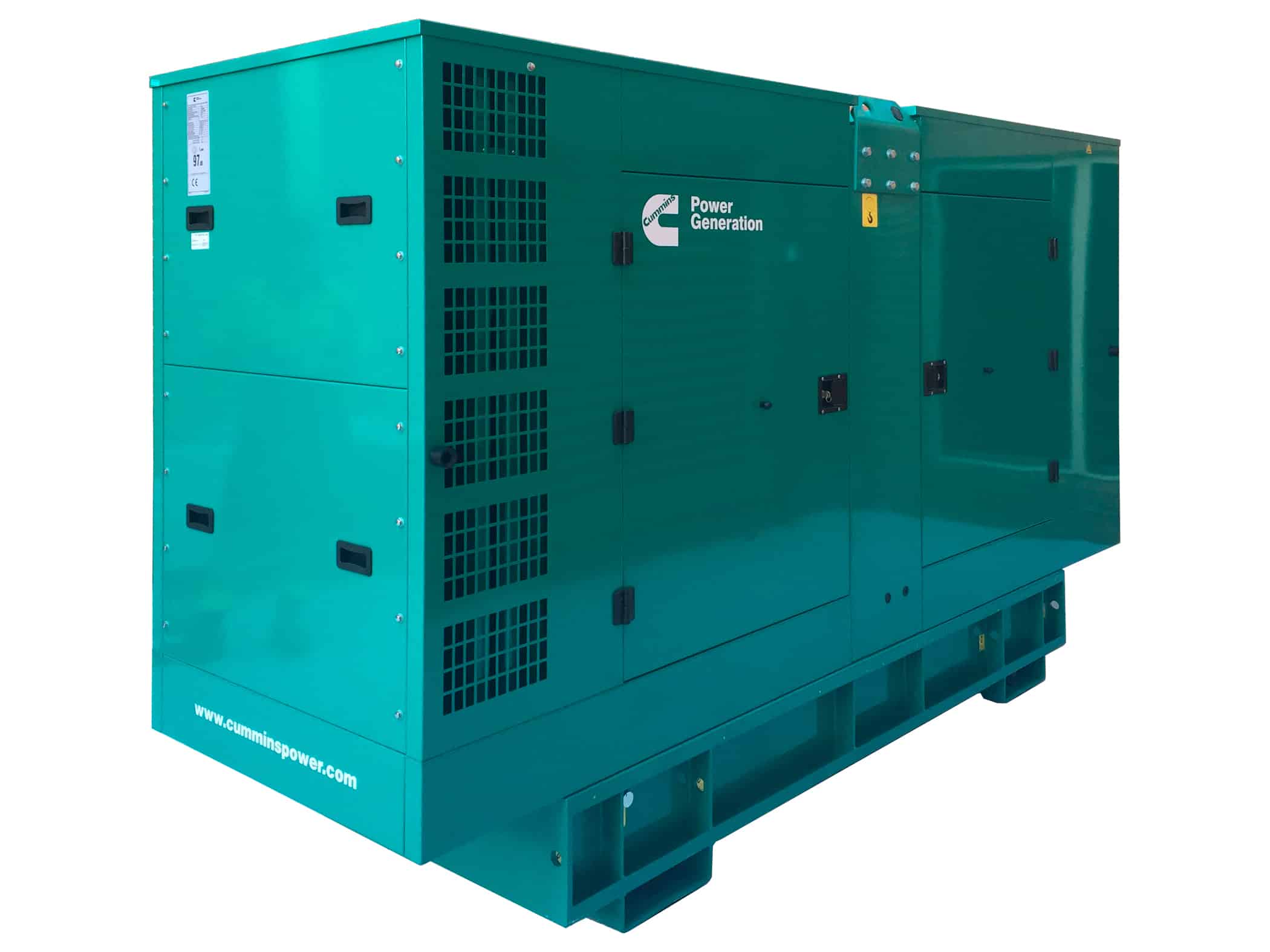
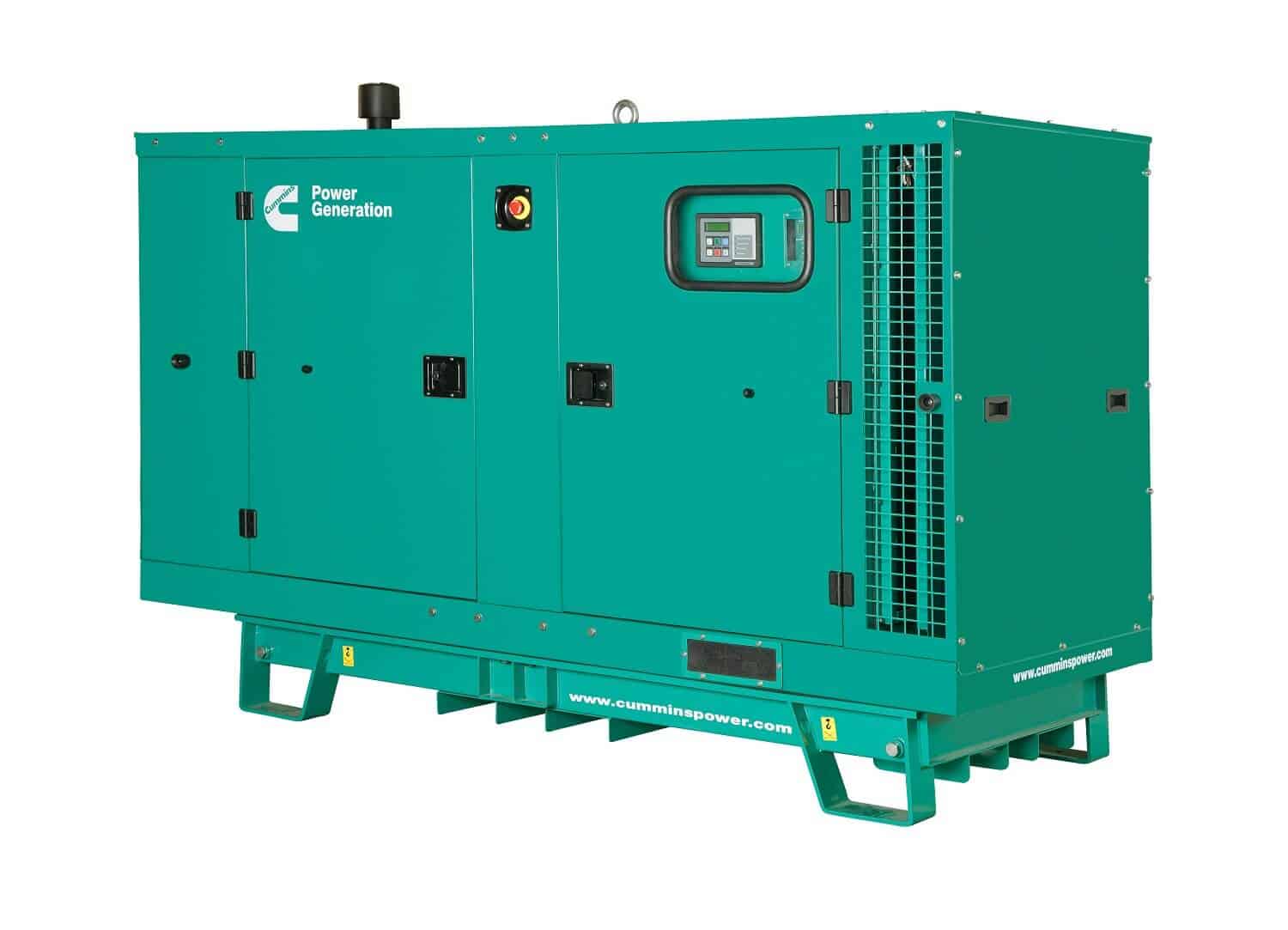
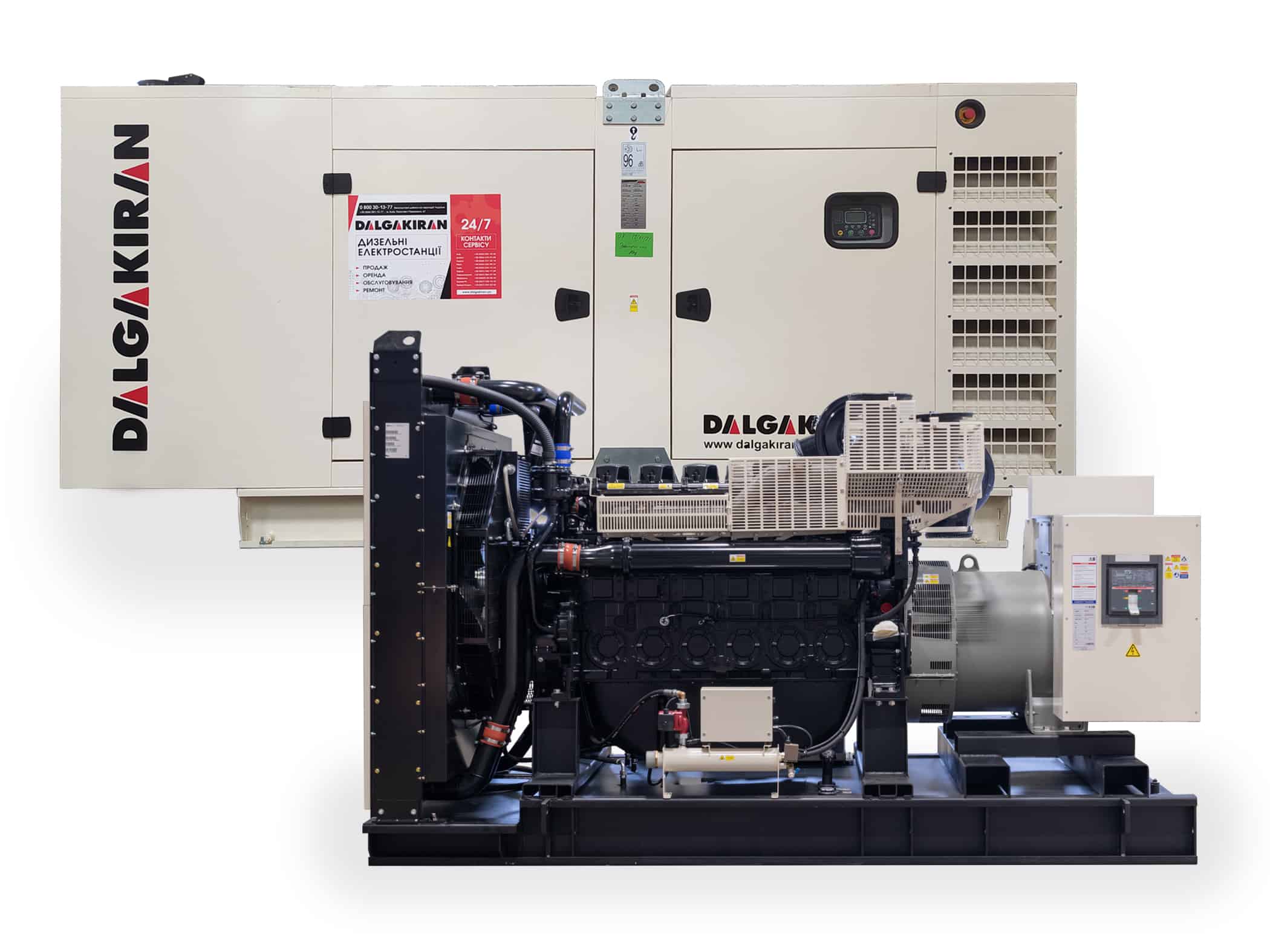
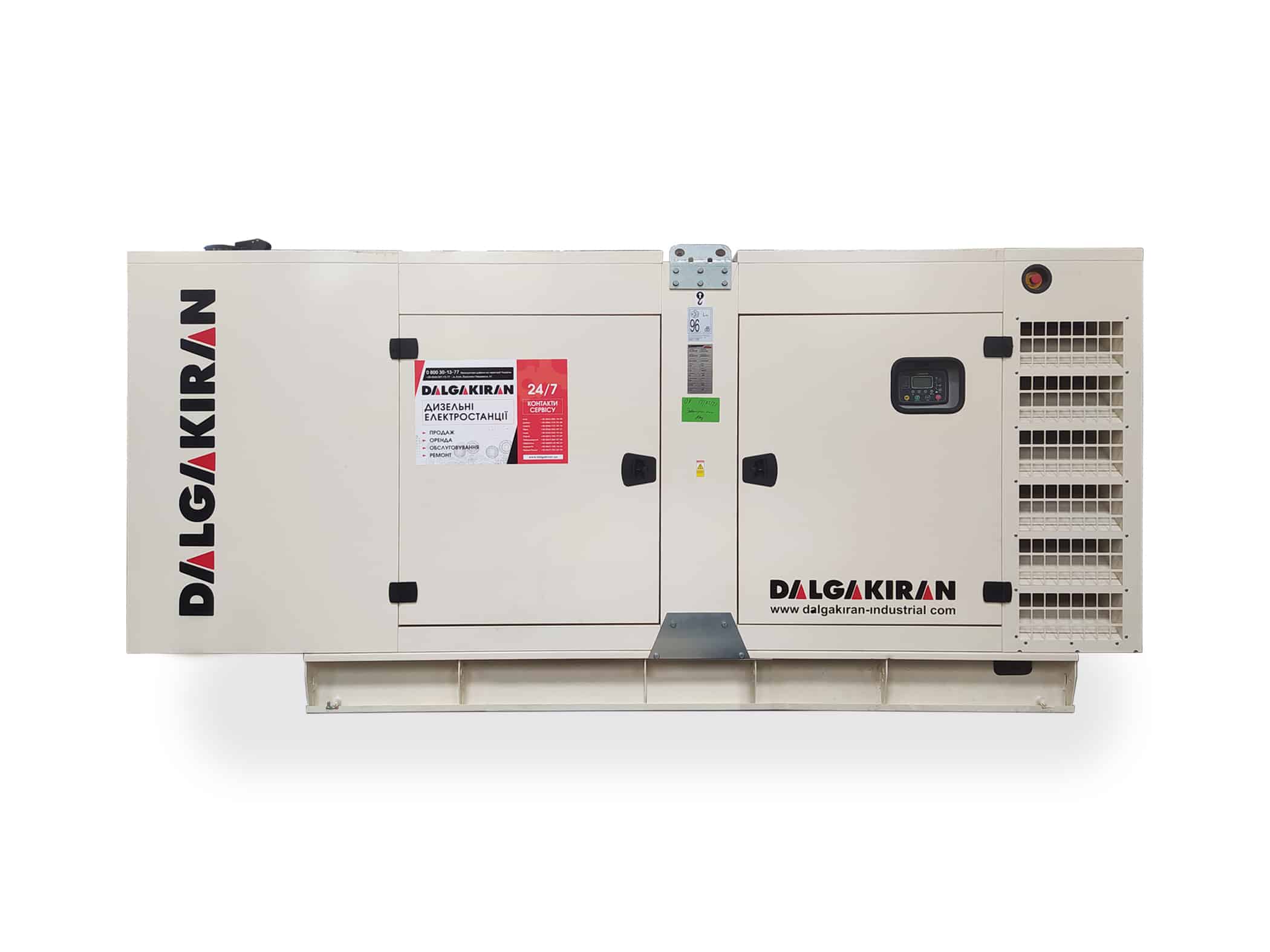
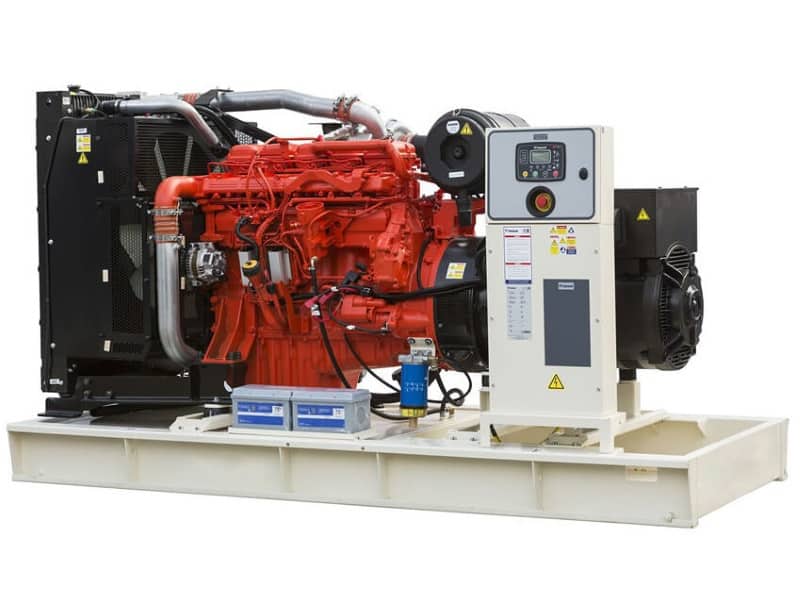
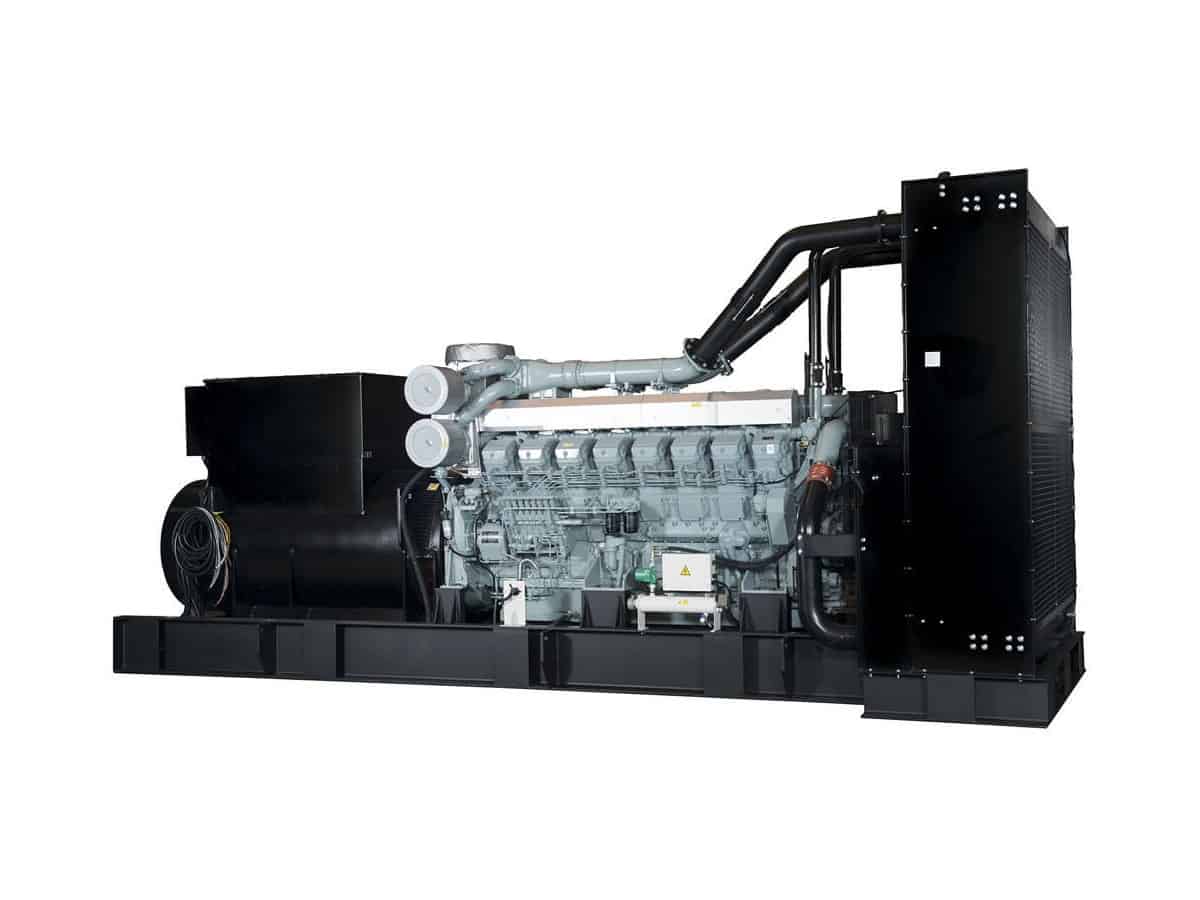
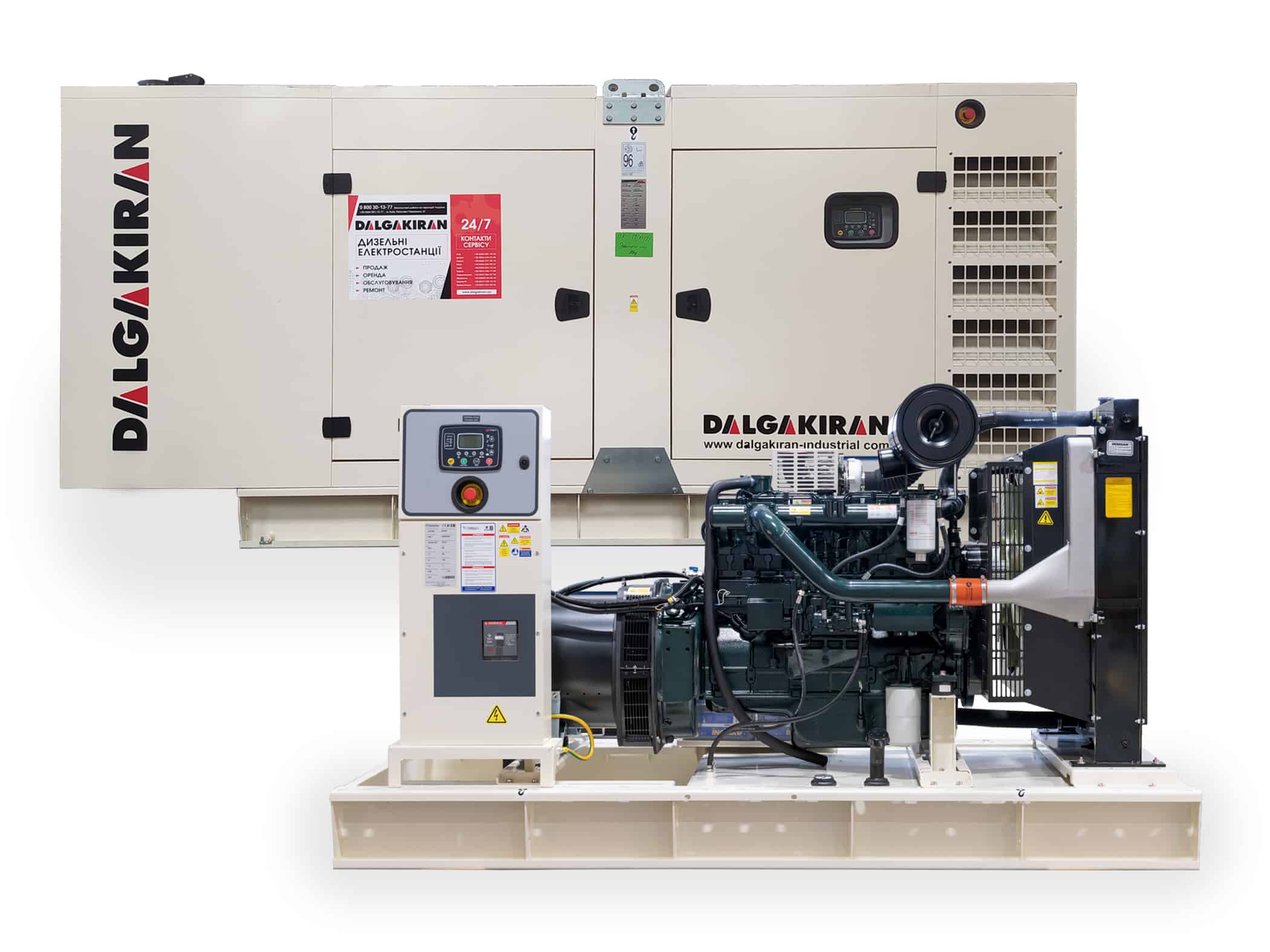
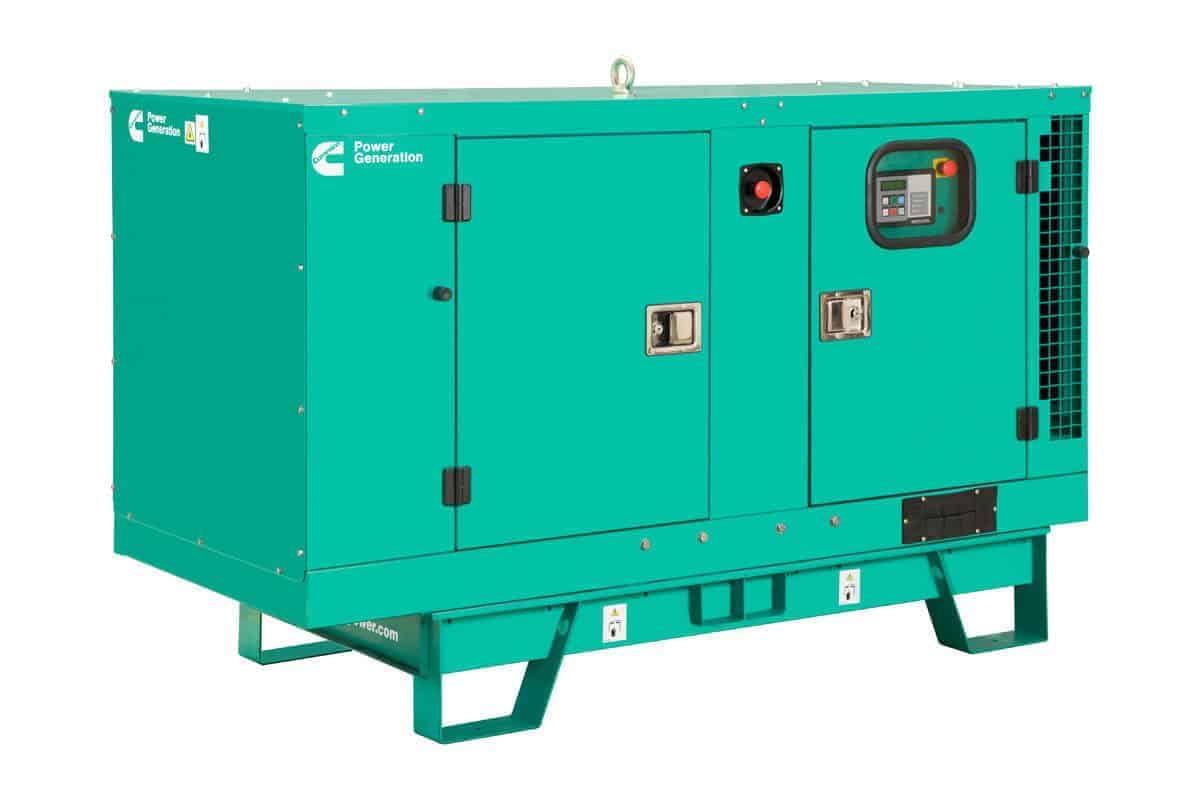
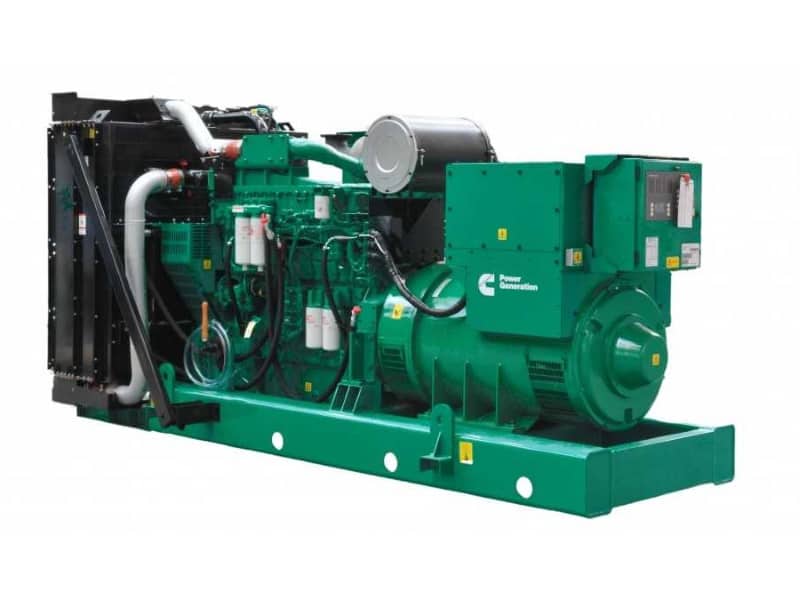
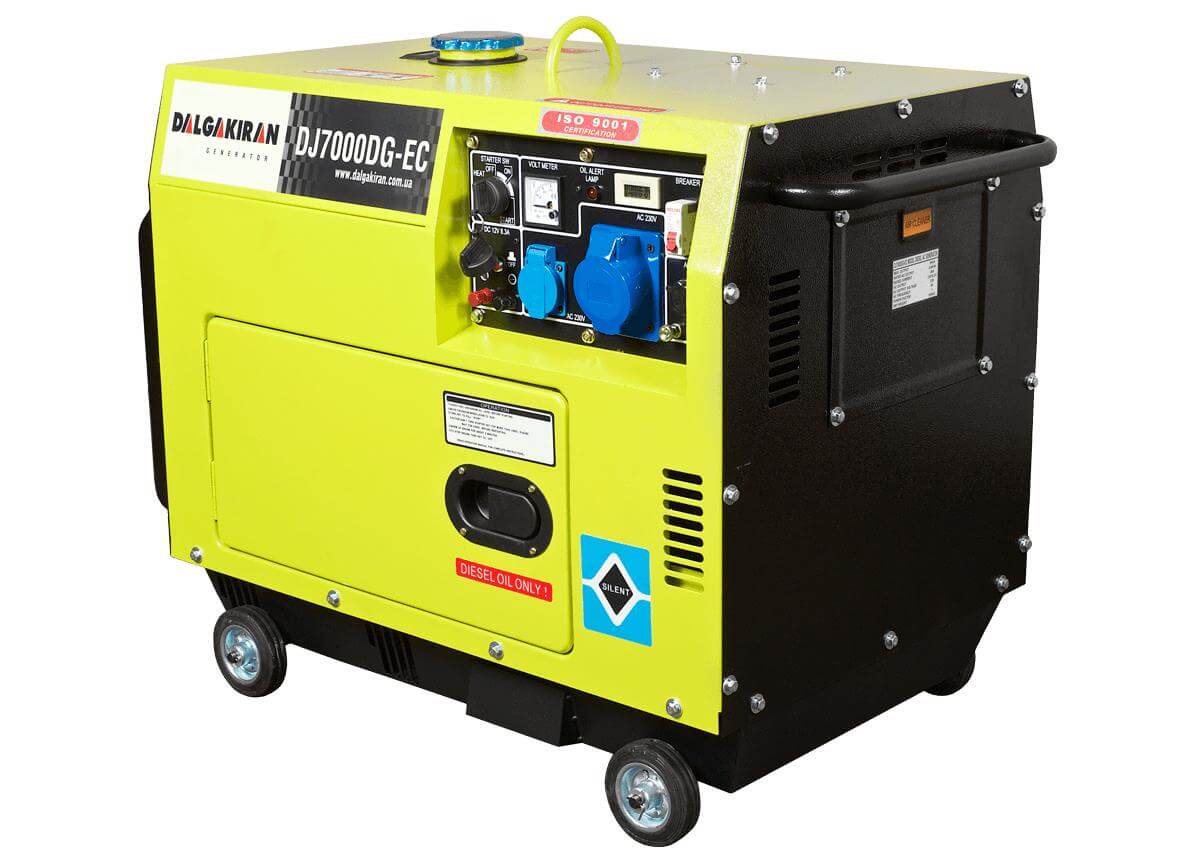
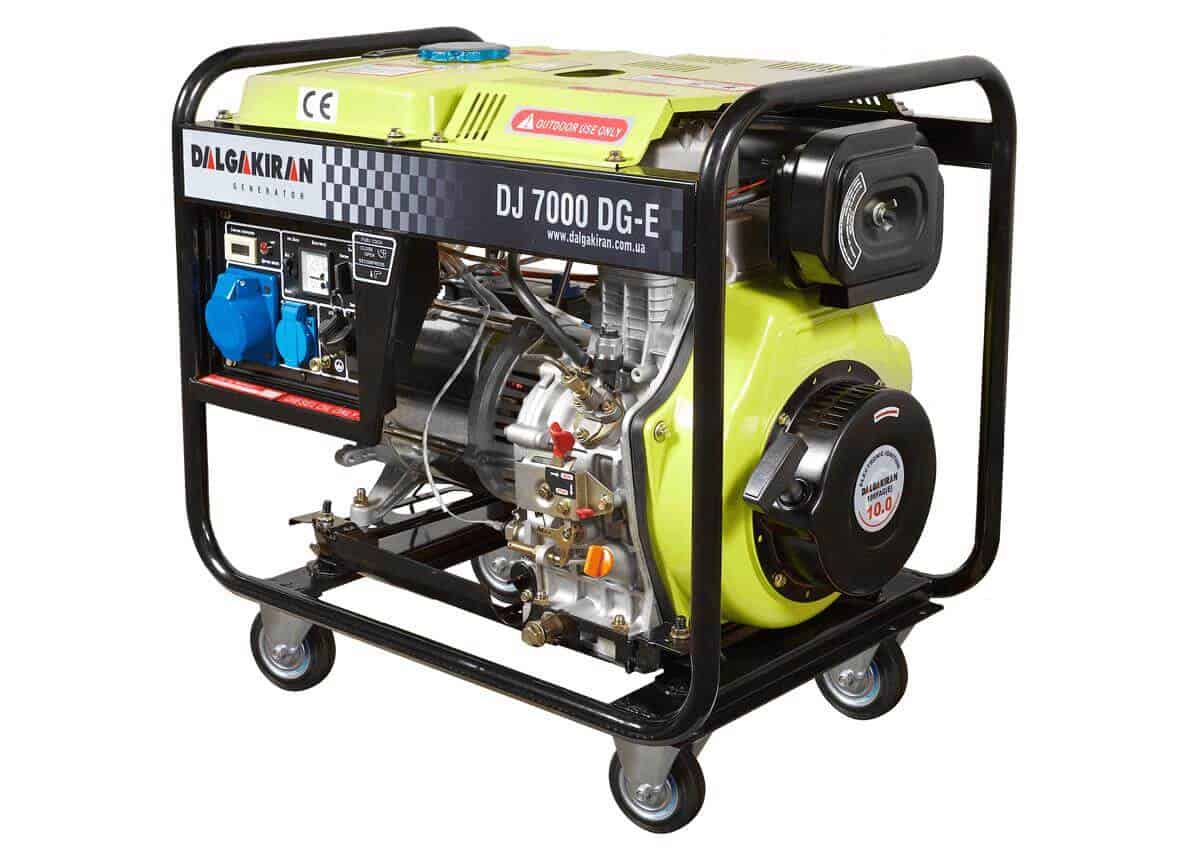
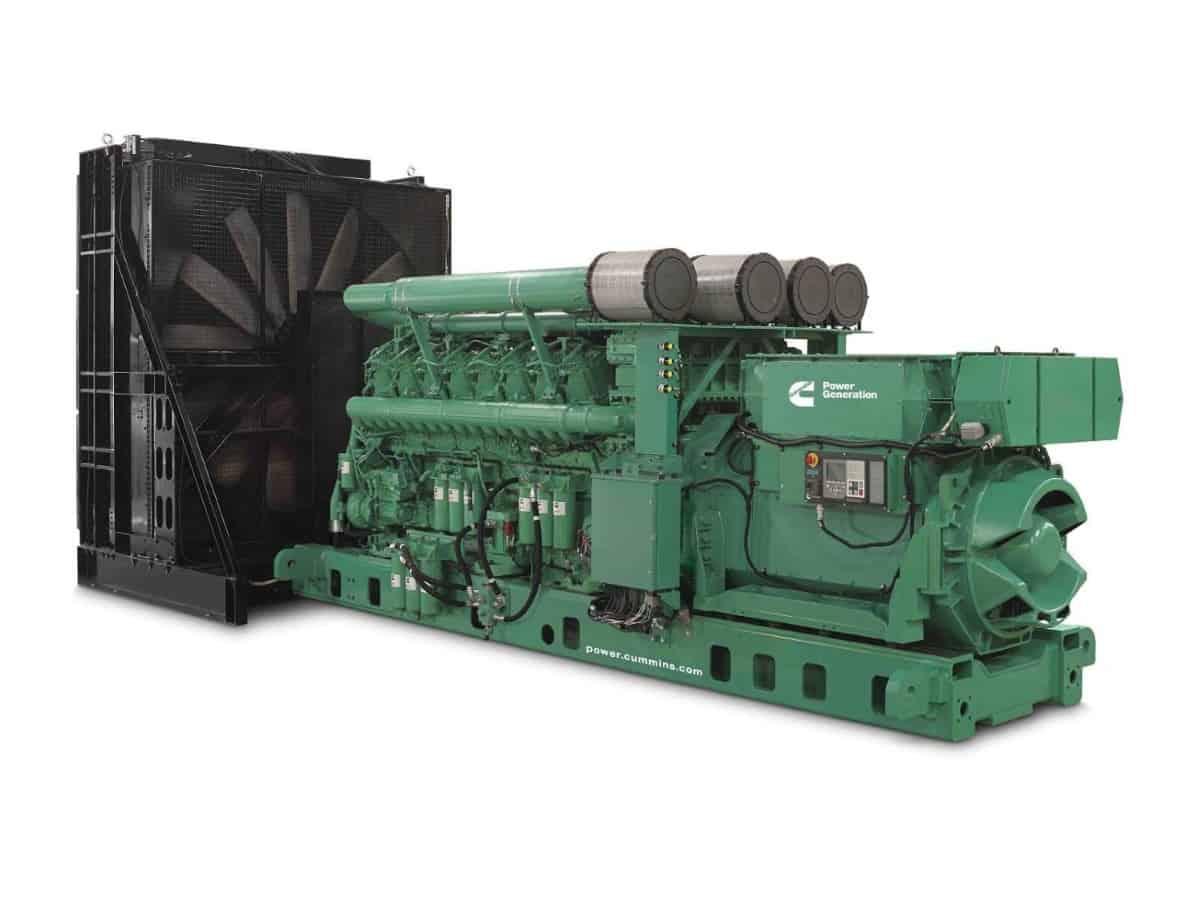
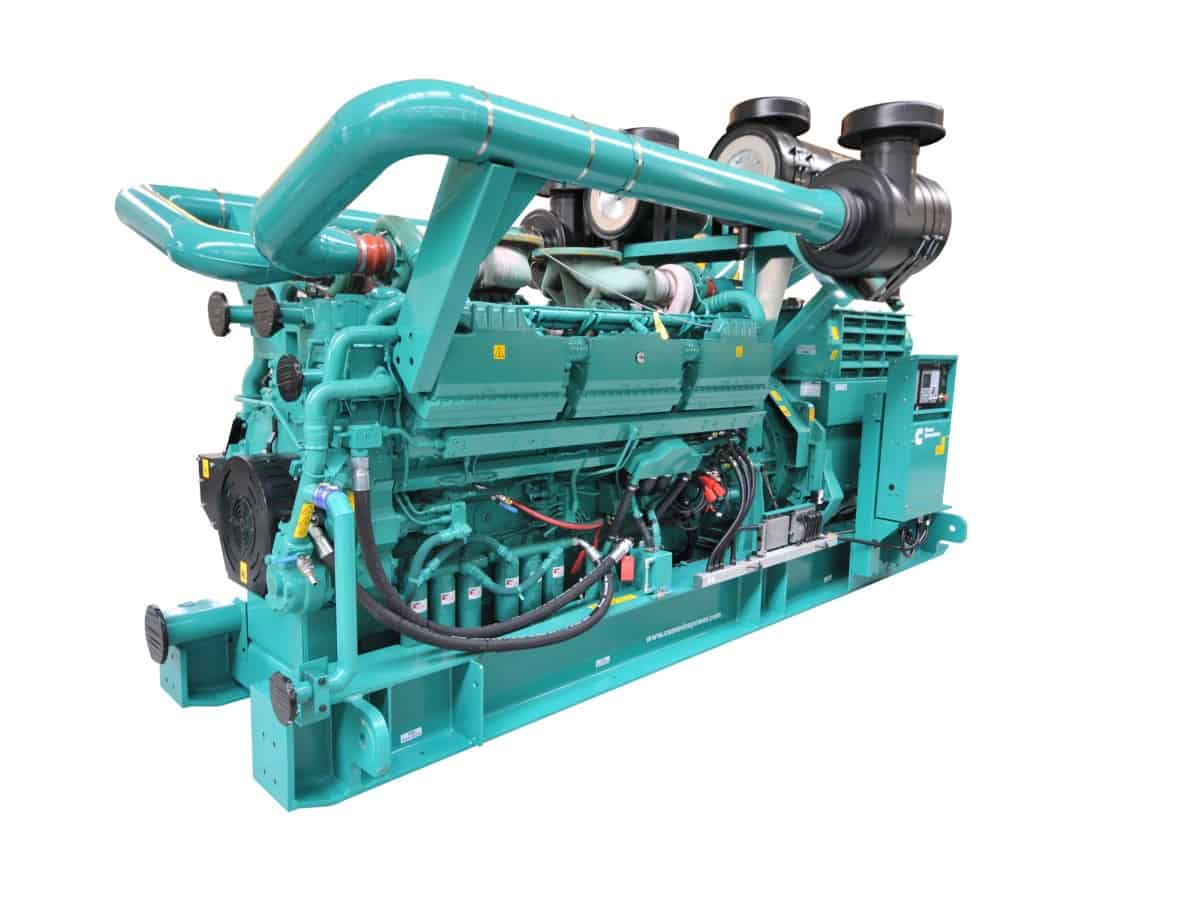
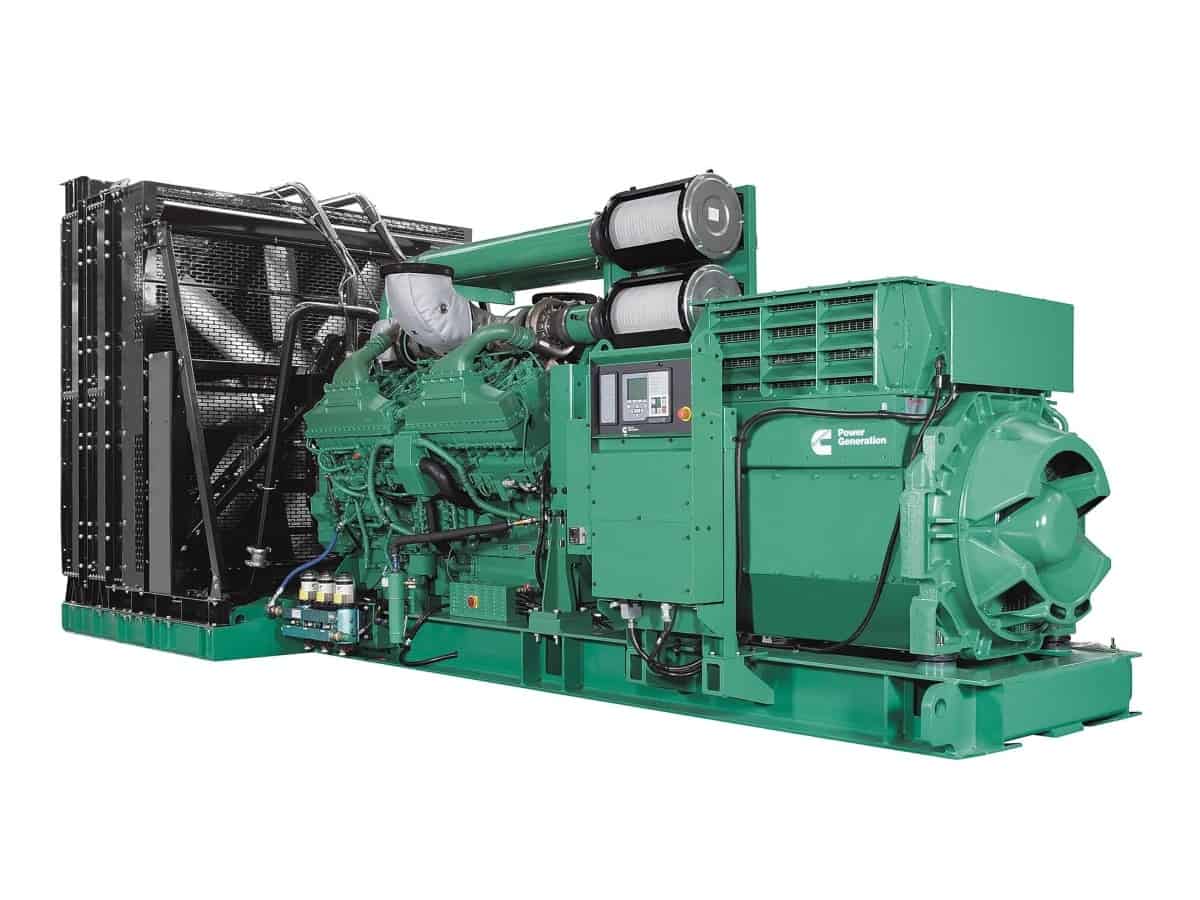
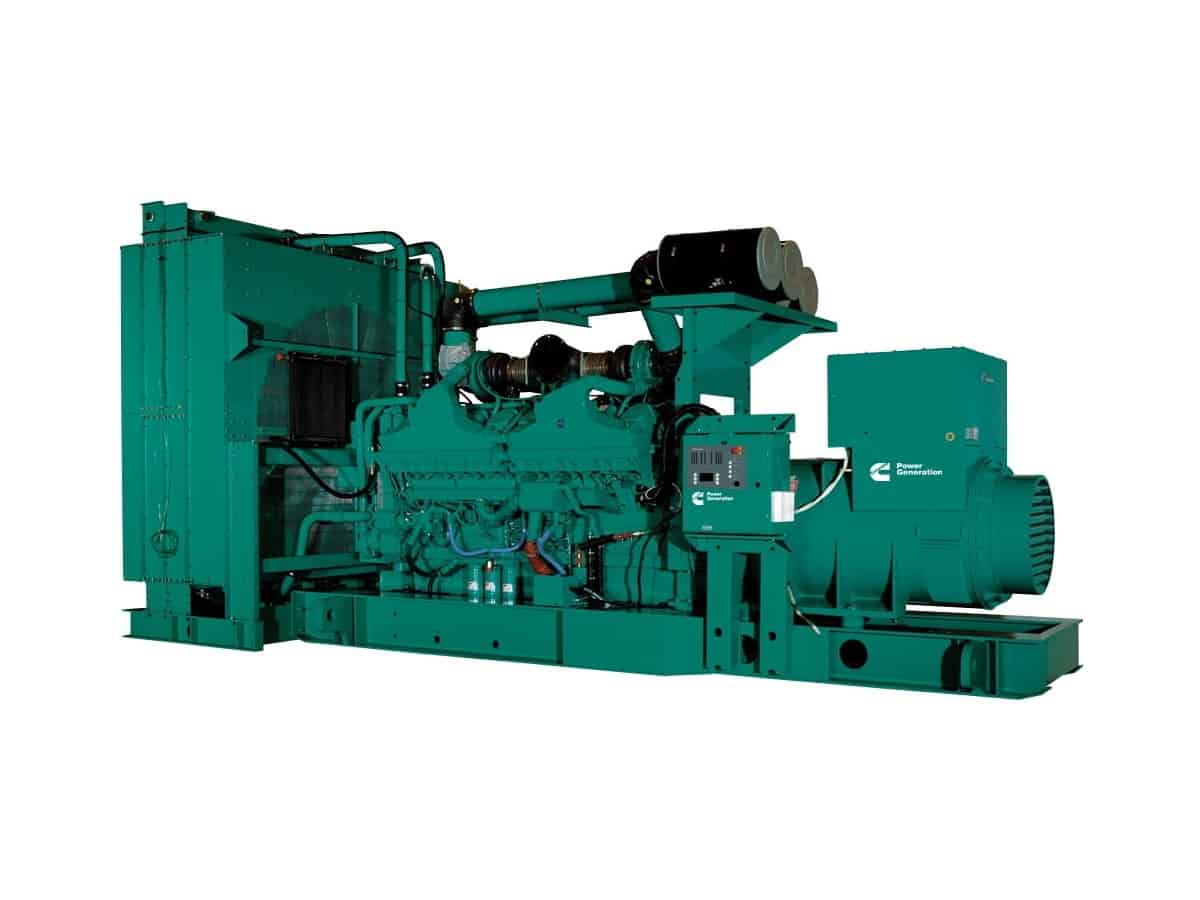
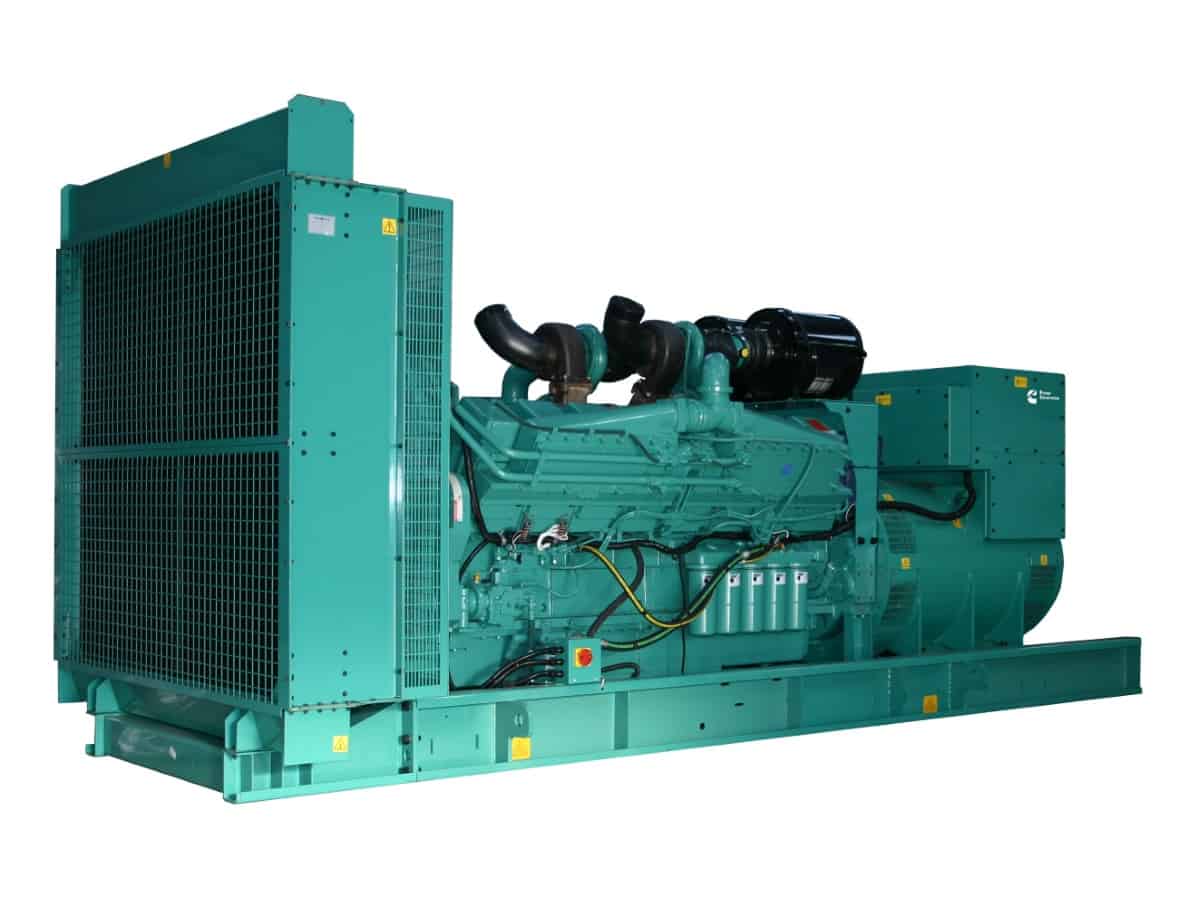
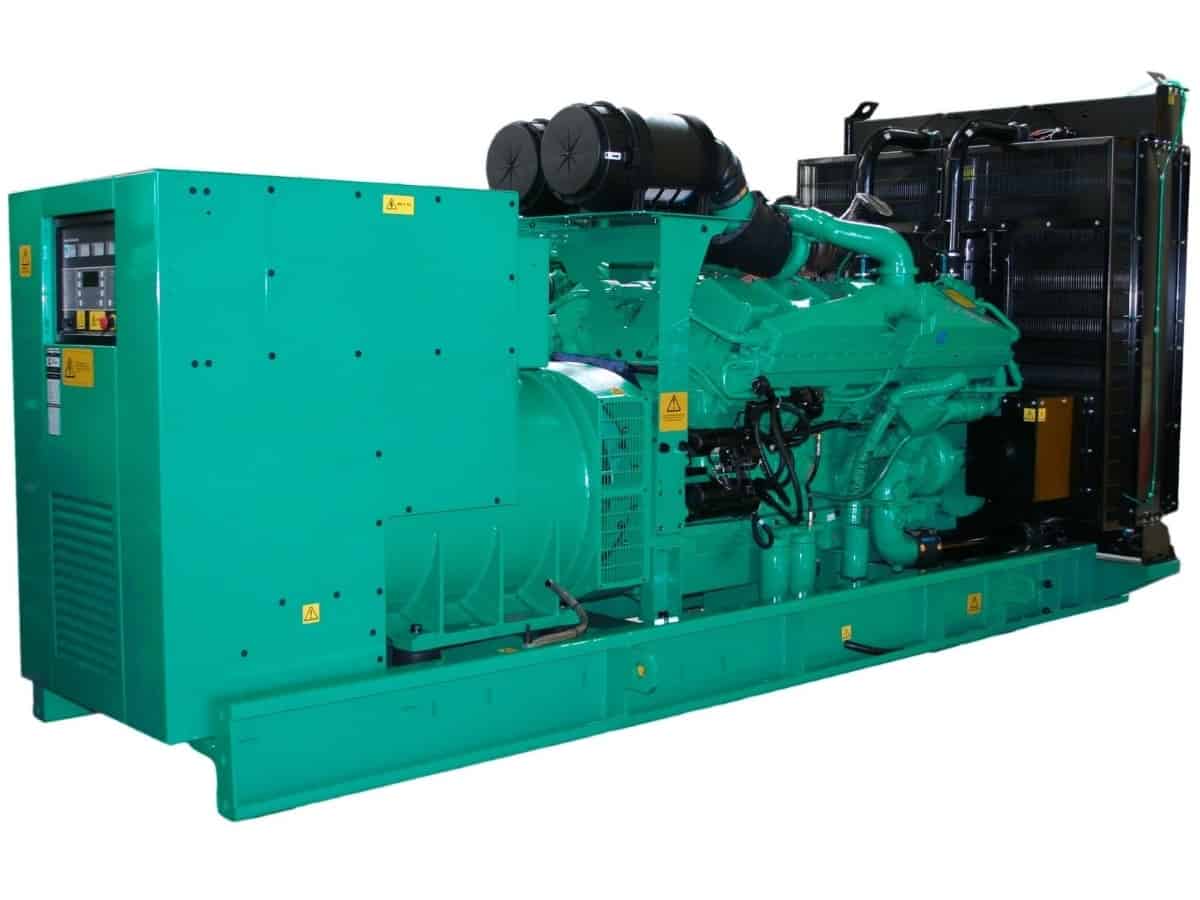
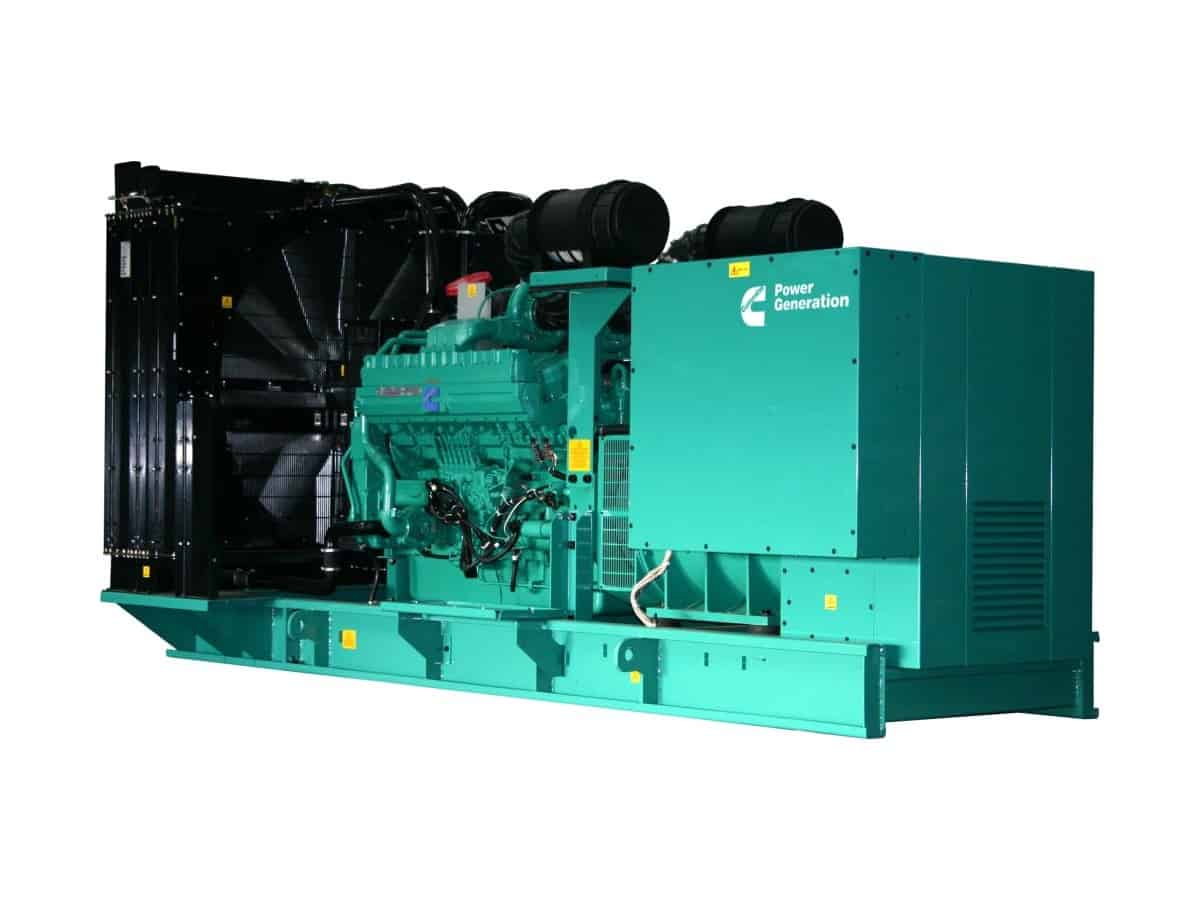
Although the main source of electricity at a hydroelectric power station is the turbines driven by the flow of water, diesel generators are indispensable for an uninterrupted power supply. They ensure power generation in emergency situations when the main grid fails. Without such a backup source, a modern hydroelectric power station cannot function properly, as its electronics, automation systems and machinery require a constant power supply. At Dalgakiran, you can select and purchase reliable generator equipment for any hydroelectric power station.
How generator equipment is used in hydroelectric power stations
At hydroelectric power stations, diesel generators have several applications. Firstly, emergency power supply: if the mains voltage fails, the generator starts up instantly, ensuring an uninterrupted power supply to critical systems. Secondly, powering control, automation and monitoring systems, without which normal power generation is impossible. The third is the operation of gates, sluices, pumps and mechanisms during an emergency. The fourth is black start mode: the generator, as a backup power source, allows the plant to be restarted after a complete power cut, when there is sufficient water but the electronics are not functioning.
It is the stand-alone generator that acts as a bridge between an emergency shutdown and full-scale power generation. Without it, even a powerful hydroelectric power station remains ‘blind’ and immobile.
Key considerations when selecting generators for hydroelectric power stations
Selecting the right generator for a hydroelectric power station depends on many factors. It is necessary to consider power output (ranging from hundreds of kW to several MW for large hydroelectric power stations), voltage (low for local systems or medium for turbine start-up) and fuel types (diesel is the most common due to its reliability).
Operation in harsh environments (moisture, dust, temperature fluctuations) requires enhanced energy efficiency and IP54+ protection. Automatic start-up (ATS) and remote monitoring are essential for a rapid response. When selecting a model, the runtime on a full tank (minimum 8–24 hours) and compatibility with hydroelectric power station systems are assessed. It is also important to choose a reliable engine with a high load acceptance rating; for the first stage, this should be 80–100 per cent.
How generators ensure stable power generation in the hydropower sector
Generators at hydroelectric power stations guarantee stable energy production even under extreme conditions. They support the operation of SCADA systems, protective relays and hydraulic systems, without which the turbines cannot be started. In black start mode, the backup power source supplies excitation to the main generators, allowing the plant to ‘restart’ independently following a blackout. They are also used to cool the turbine after the load is switched off, which is even more critical in the absence of electricity. Otherwise, the turbine may fail.
The energy efficiency of modern diesel models minimises fuel consumption, whilst precise voltage and frequency regulation prevents damage to sensitive electronics. Uninterrupted power supply from the generator reduces HPP downtime to a minimum, ensuring continuous power generation for the grid.
Technical specifications of generator equipment for hydroelectric power stations
Typical generator equipment for hydroelectric power stations has the following specifications:
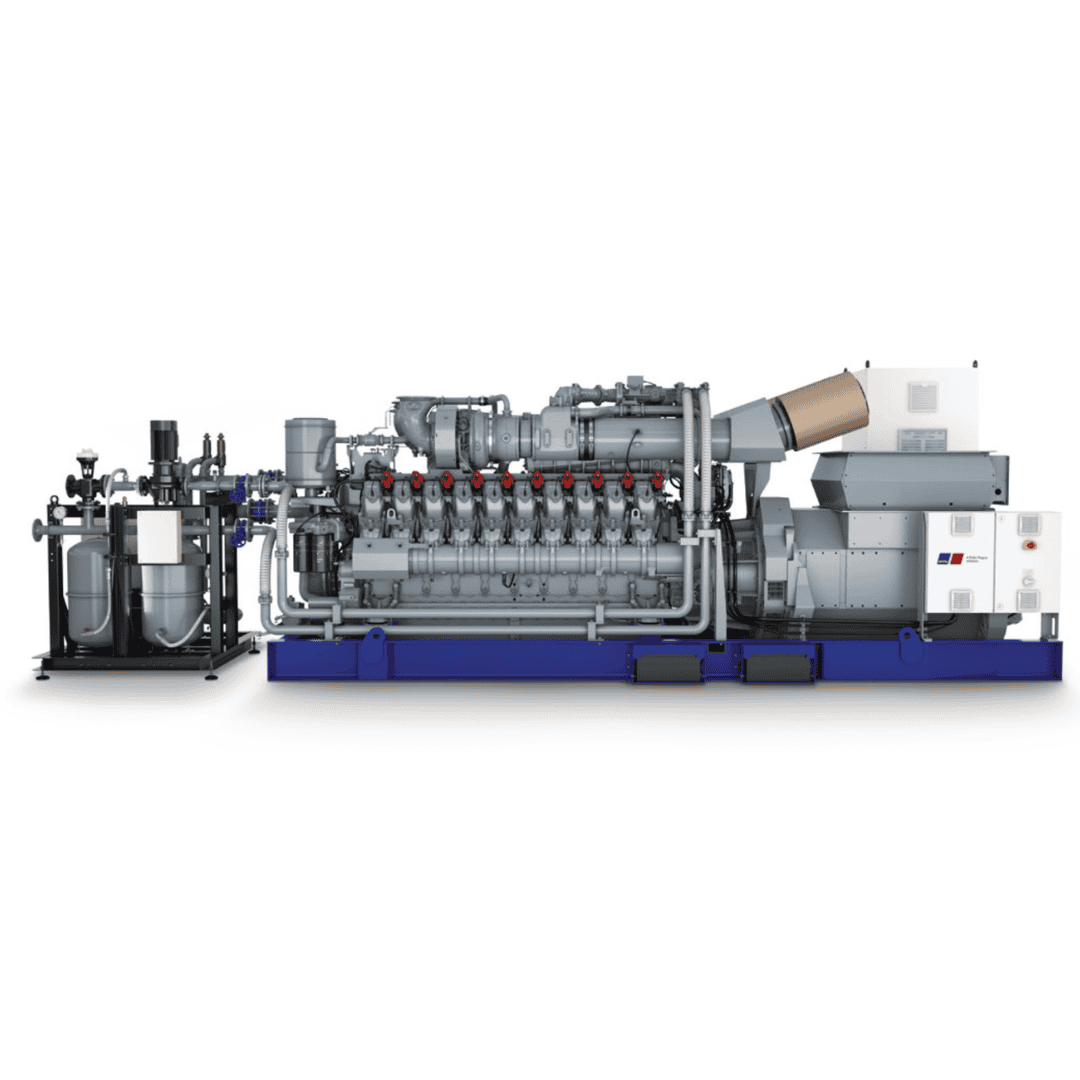
Power: from 100 kW to 3 MW, depending on the size of the hydroelectric power station.
Voltage: 230/400 V (low) or 6.3–10.5 kV (medium for start-up).
Fuel tank: 500–2,000 litres for extended autonomy.
Cooling: liquid-cooled, adapted to humidity.
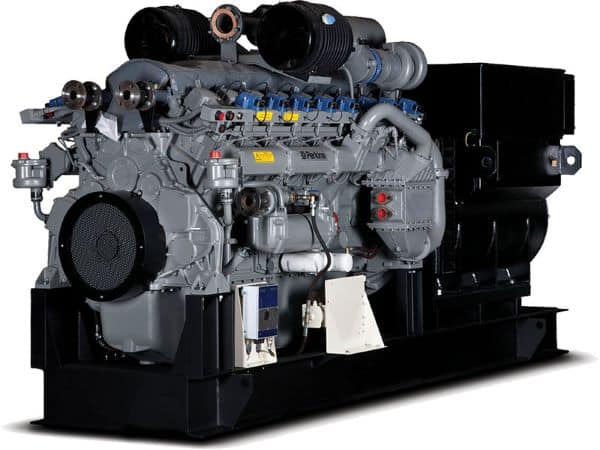
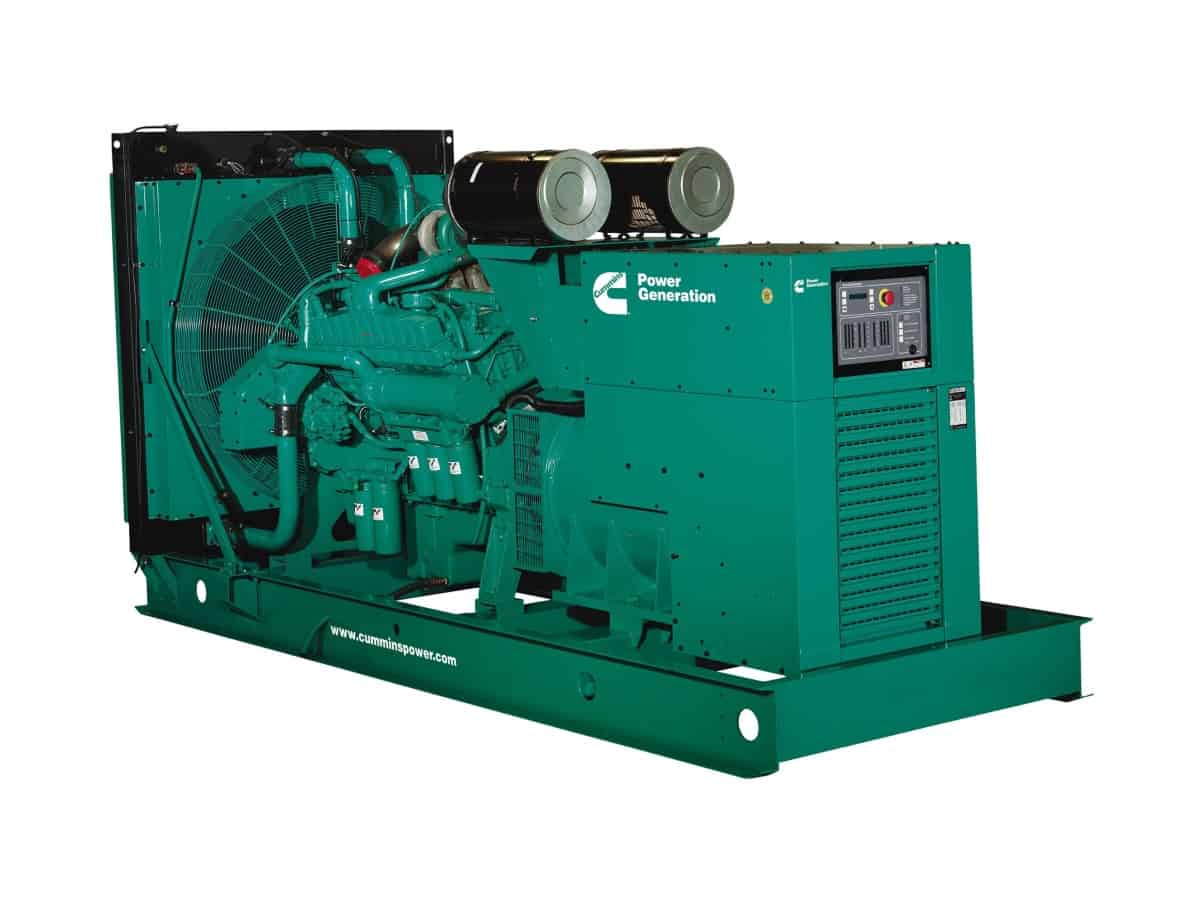
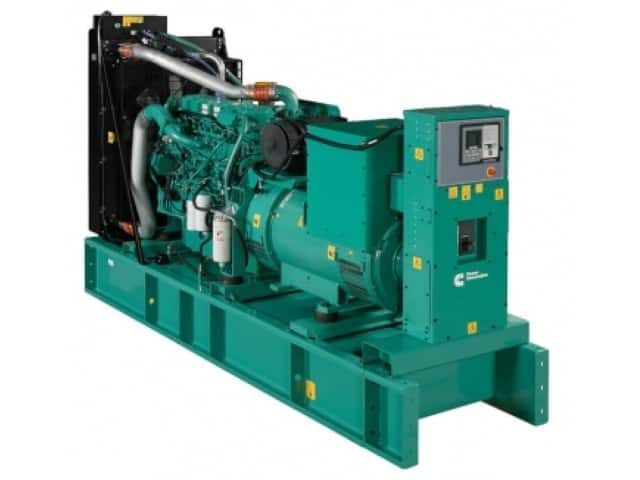
Engine types: VTA28, QSZ13 and KTA38-G9 series, as well as the high-power QSK60 and QSK78 models — featuring low fuel consumption and a long service life (up to 40,000 operating hours).
Protection: IP54+, automatic start-up, parallel operation of multiple generators.
It is important that the equipment operates reliably. The engine must be able to handle a 100 per cent load in a single step and operate without loss of power up to +45°C.
The use of modern controllers ensures real-time monitoring and diagnostics, improving energy efficiency. You can purchase various types of diesel power stations from the Dalgakiran catalogue, and we will help you select a model that suits your needs.
Why you should buy generator equipment for hydroelectric power stations from Dalgakiran
Dalgakiran is the place to buy reliable generator sets for hydroelectric power stations. We offer a comprehensive range of services: from equipment supply to maintenance and repair. Our company also undertakes turnkey projects, provides professional consultancy, carries out audits and ensures full customer support at every stage of our collaboration. The benefits of purchasing generators from us:
A wide range — from compact to industrial models.
We can develop a technical design tailored to your needs.
Competitive pricing and flexible terms.
Warranty and fast delivery across Ukraine.
Professional service and spare parts in stock.
We invite you to order hydroelectric power station generator equipment from Dalgakiran and make an investment that will last for years.
Ordering generator sets for hydroelectric power stations from Dalgakiran means making an investment that will last for years. Our specialists will help you select the right type of generator set, taking into account the technical requirements and specific features of your project.
Need a consultation?
Fill out the form and we will call you.
Your region
Request a call
Thank you, your request has been sent. A manager will contact you shortly.
 0800 30 13 77
 0800 30 13 77
 En
En