The efficient operation of municipal and industrial wastewater treatment facilities is impossible without a stable supply of compressed air. An air blower is a key element in the process chain, as it supports the vital functions of the microorganisms that break down organic pollutants. The correct selection of this equipment determines not only the quality of wastewater treatment but also the economic viability of operating the entire plant.
What are blowers for treatment plants and their role in water treatment
At water treatment facilities, air is primarily used for aeration. This is the process of saturating wastewater with oxygen in special tanks known as aeration tanks. Activated sludge, which consists of bacteria, requires a constant supply of oxygen to oxidise organic matter. If the supply stops or is insufficient, biological treatment will cease, leading to the death of the active microflora and a complete halt to the treatment cycle, after which the system will require lengthy and costly restoration.
In addition to aeration, blowers are used to mix sludge, backwash filters and remove gases. At facilities such as sewage treatment works, the equipment also helps to maintain the required pressure in the system and prevent stagnation in the sewers.
Types of air blowers used in water treatment systems
There are various types of blowers available on the market today, each with its own operational characteristics:
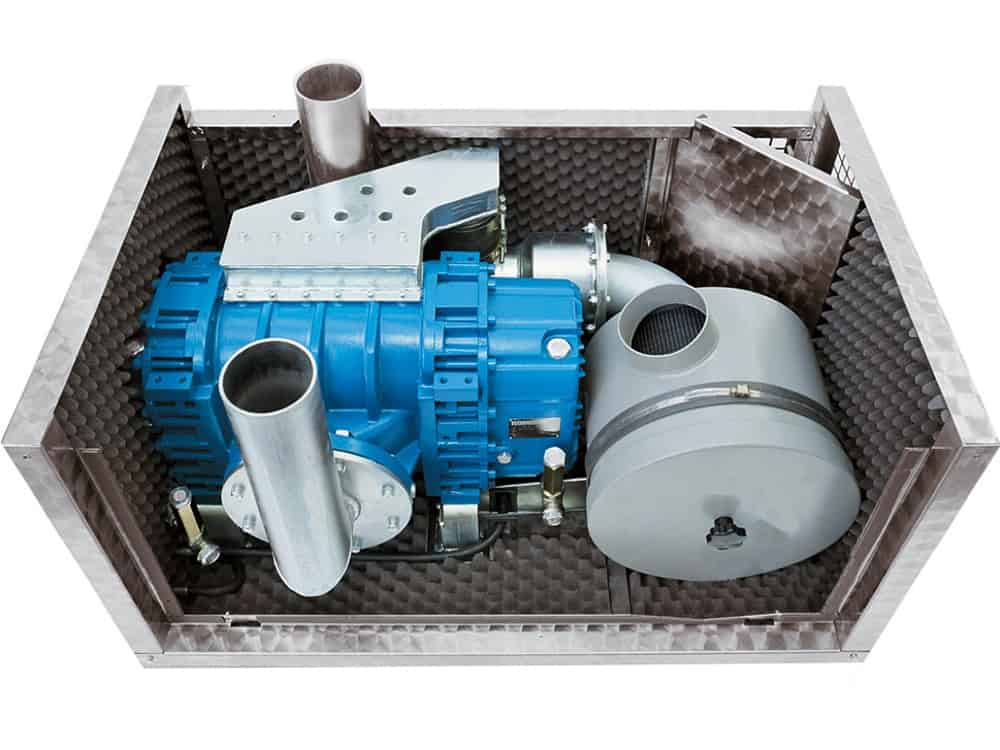
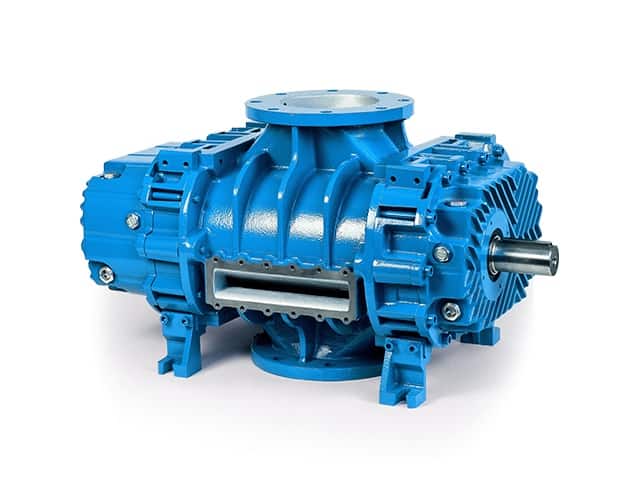
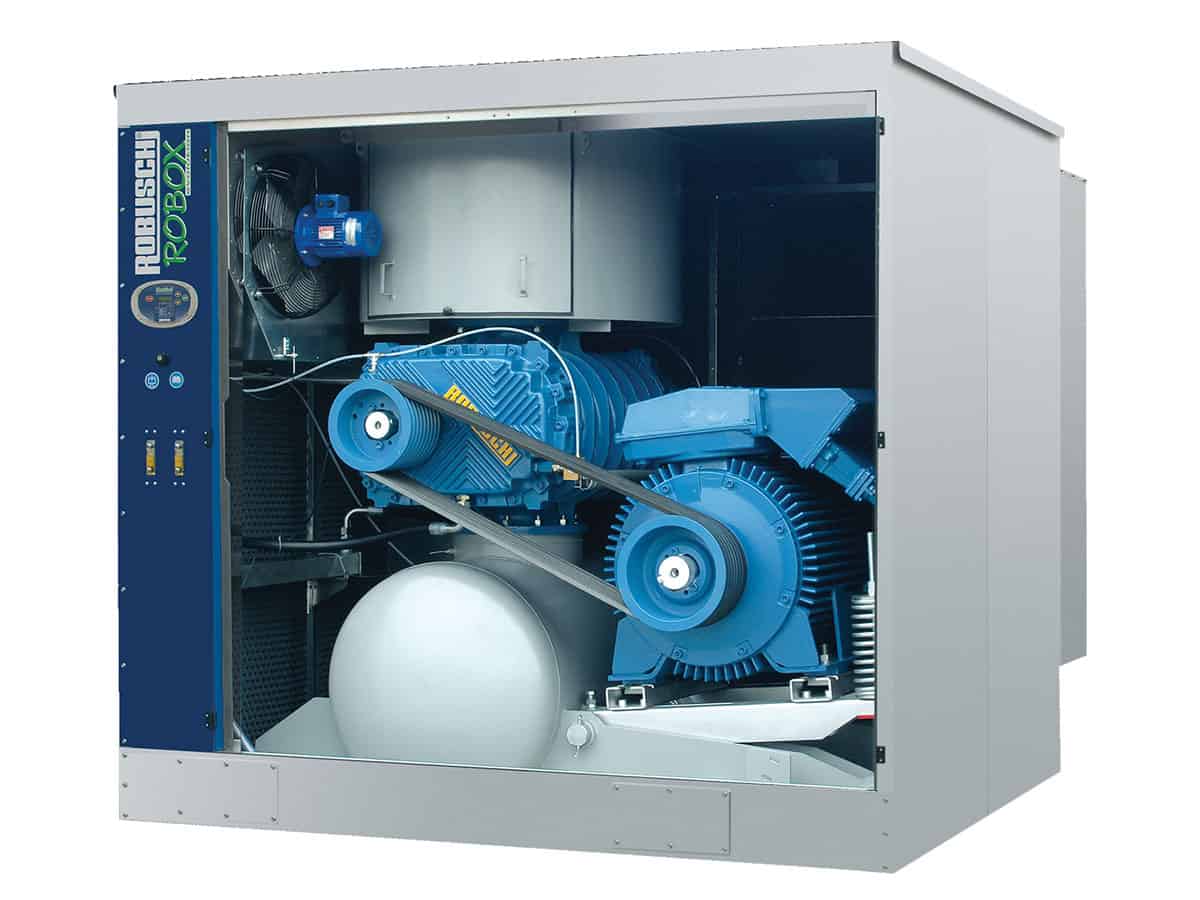
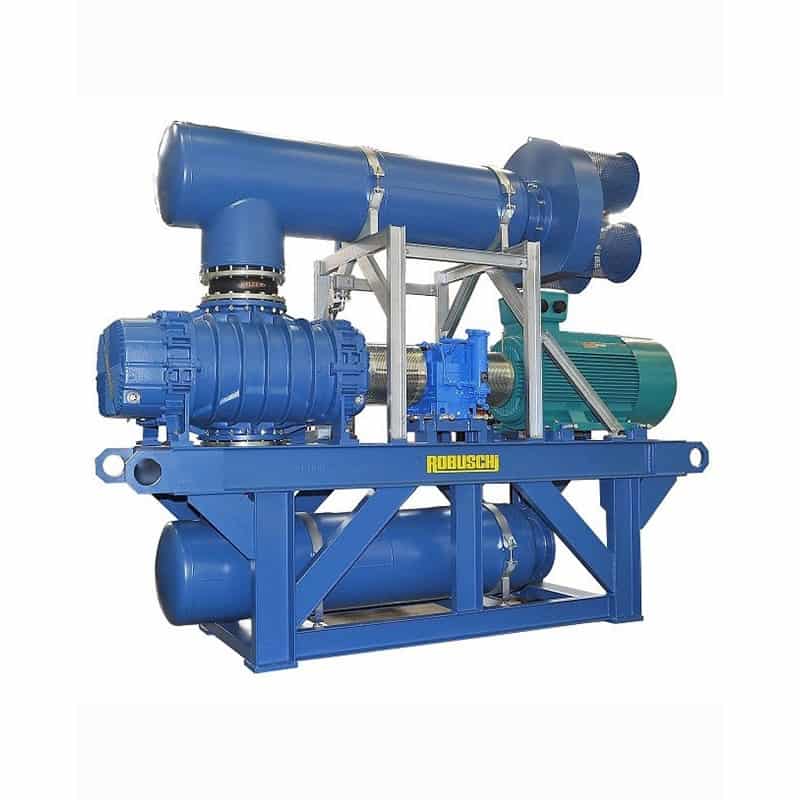
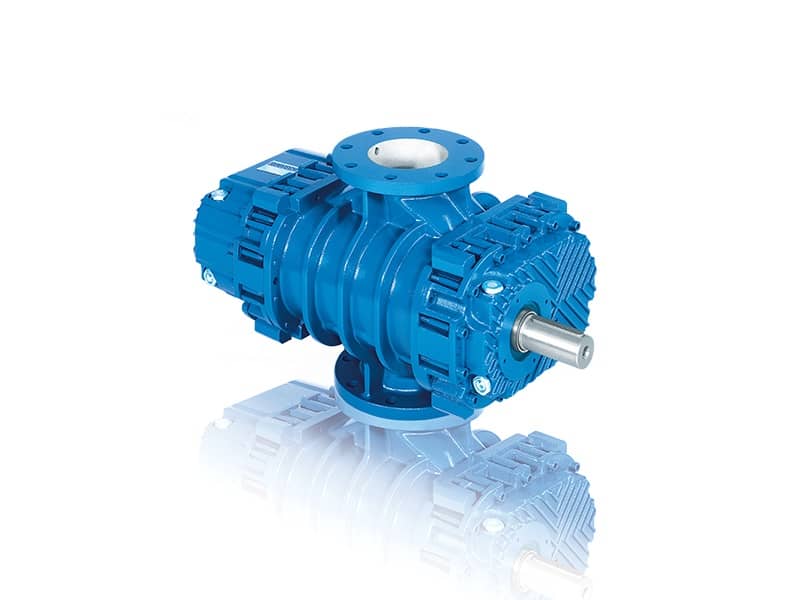
Rotary blowers — the most common option due to their reliability and simple design. Two three-bladed rotors rotate in synchronisation and pump large volumes of air.
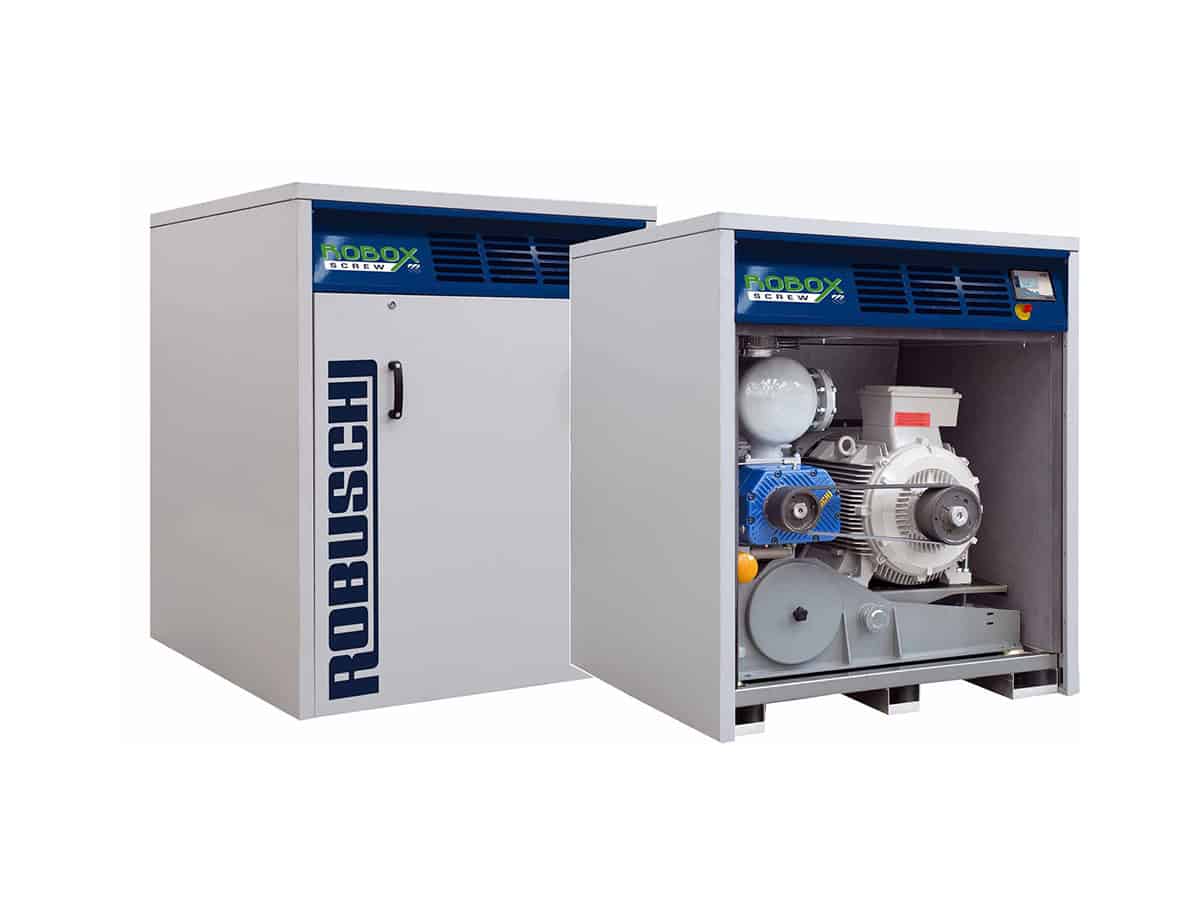
Screw blowers — a more modern solution based on compressing air inside a screw block. They demonstrate significantly higher energy efficiency compared to rotary models.
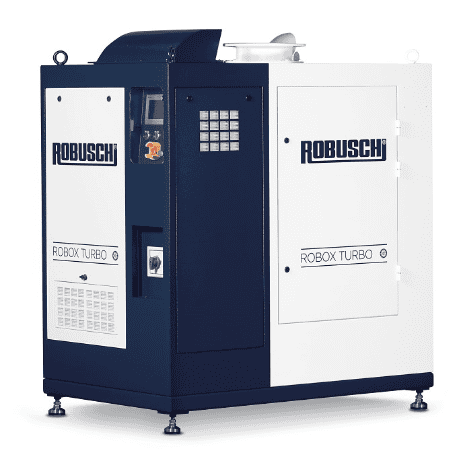
Turbine blowers are high-tech units with high shaft rotation speeds. They deliver maximum performance with minimal energy consumption, but require more specialised maintenance.
You can find detailed specifications and choose between rotary and screw-type blowers in our catalogue.
How to choose blowers for wastewater treatment plants
When selecting air blowers, engineers should consider several parameters. Firstly, the required air volume (capacity) and the pressure that needs to be overcome for aeration at a specific depth in the tank. Secondly, the operating mode must be taken into account: the load on treatment plants often varies throughout the day or across the seasons, so the equipment must have power regulation (for example, using frequency converters).
Another important factor is the reliability of the design. Wastewater treatment plants operate 24/7, so any downtime caused by a blower breakdown is critical. Choose units with low noise and vibration levels, as these directly affect the service life of bearings and components.
Advantages of using modern blowers in water treatment
By adopting modern compressed air technologies, businesses gain a number of benefits:
Electricity costs for aeration can account for up to 60–70 per cent of a treatment plant’s total costs. Modern screw compressors promote energy efficiency and help reduce these costs by 20–30 per cent.
Precise oxygen dosing improves the quality of biological treatment.
The outlet air contains no oil impurities, which is important for preventing the aerator membranes from becoming clogged.
It is also worth noting the possibility of integration into the plant’s overall control system (SCADA).
Why choose Dalgakiran blowers for wastewater treatment plants
Dalgakiran offers comprehensive solutions that combine high efficiency with durability. By choosing equipment from Dalgakiran, you are getting high-quality machinery that meets the highest European standards.
Need a consultation?
Fill out the form and we will call you.
Your region
Request a call
Thank you, your request has been sent. A manager will contact you shortly.
 0800 30 13 77
 0800 30 13 77
 En
En