The quality of a road surface depends not only on the composition of the asphalt concrete mix, but also on the thorough preparation of the sub-base prior to laying. In modern road construction, the air blower has become an indispensable tool that ensures proper adhesion of materials. The use of low-pressure compressed air allows for the quick and efficient preparation of working surfaces, which directly affects the service life of motorways.
The role of air blowers in road repairs
The main task performed by this equipment during preparatory work is the removal of dust, moisture, sand and fine debris from milled sections or cracks. If road repairs are carried out without proper cleaning, dust residues create a ‘layer’ that prevents the bituminous emulsion from bonding with the sub-base. This leads to the new layer of asphalt peeling away quickly and new potholes appearing after just the first winter.
In addition to cleaning, industrial air blowers are used to dry joints and cracks after they have been washed. The airflow removes residual water even from the deep pores of the old surface. These units are also integrated into mobile roadwork stations to supply abrasive materials or power pneumatic tools, which significantly increases the overall efficiency of the work crew.
What types of air blowers are used in road construction
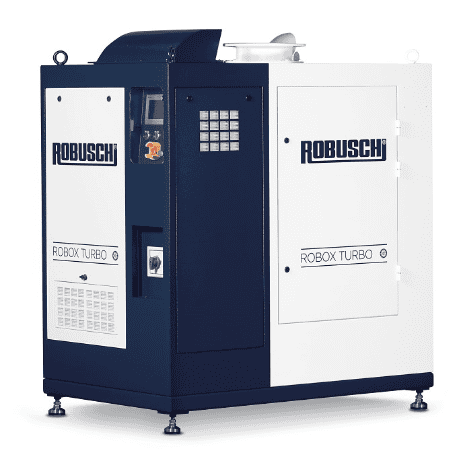
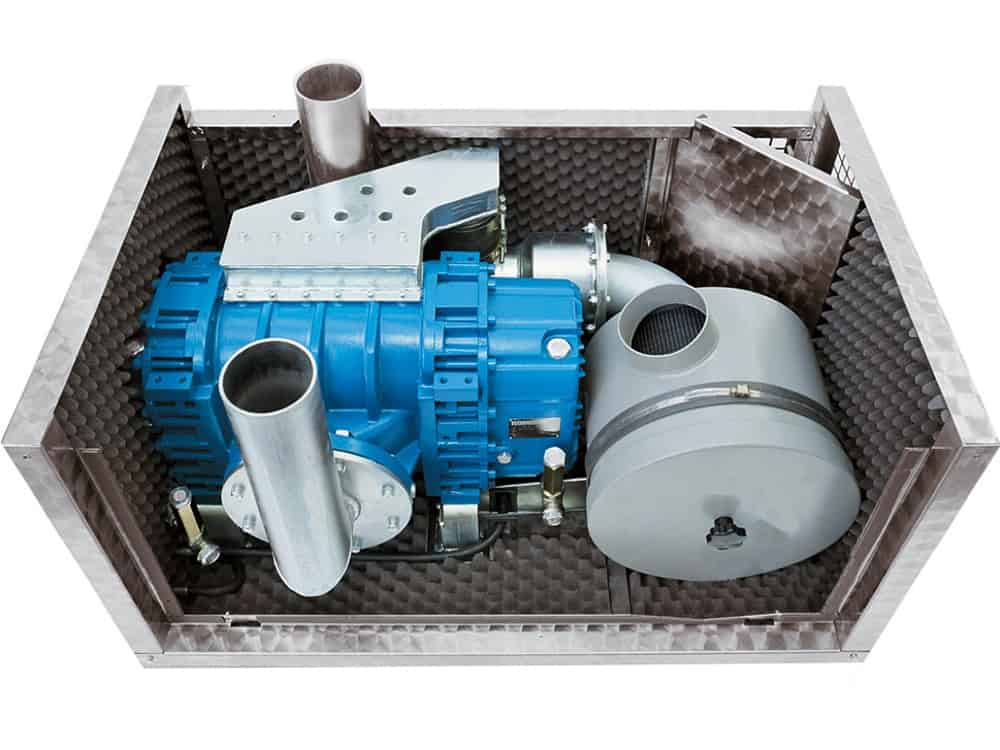
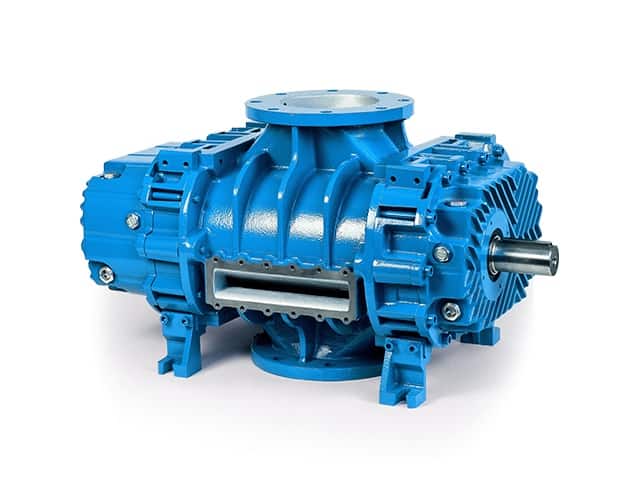
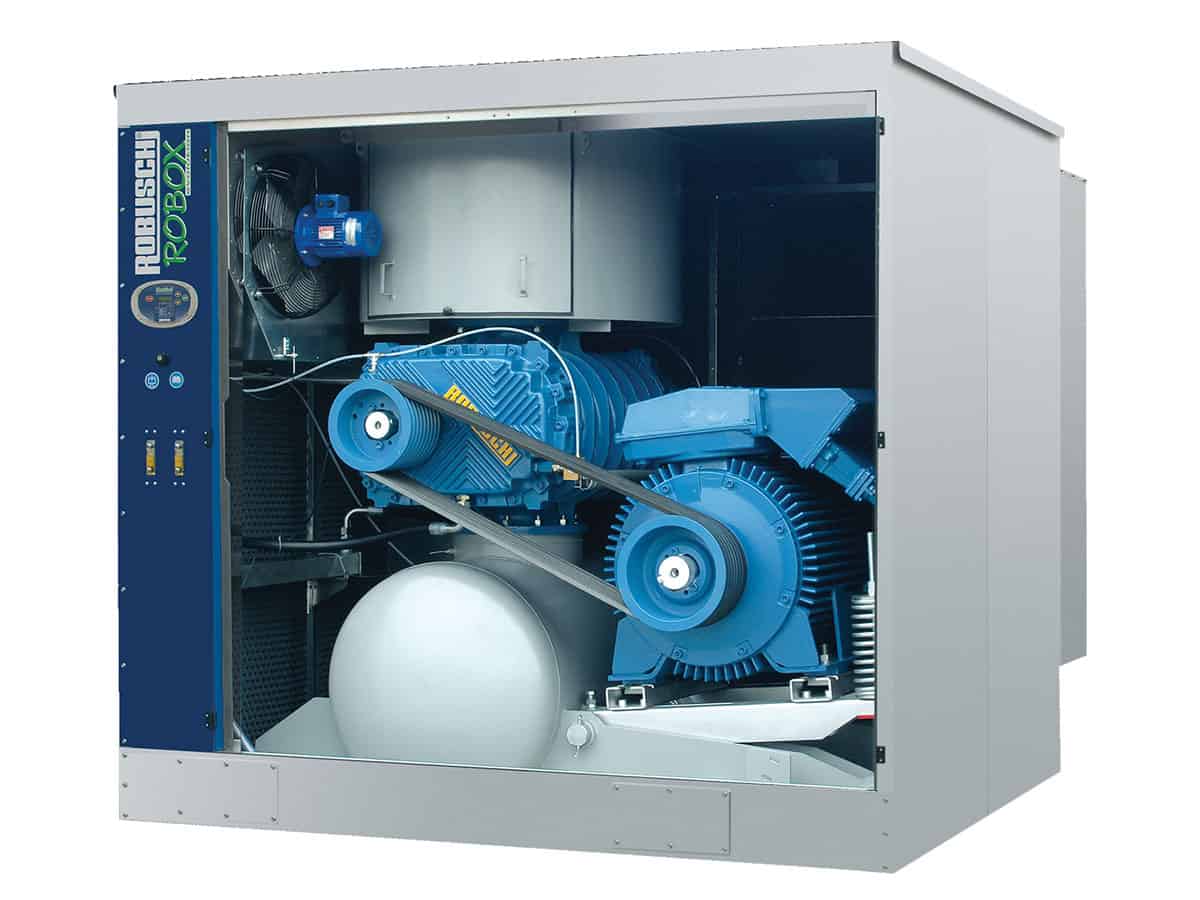
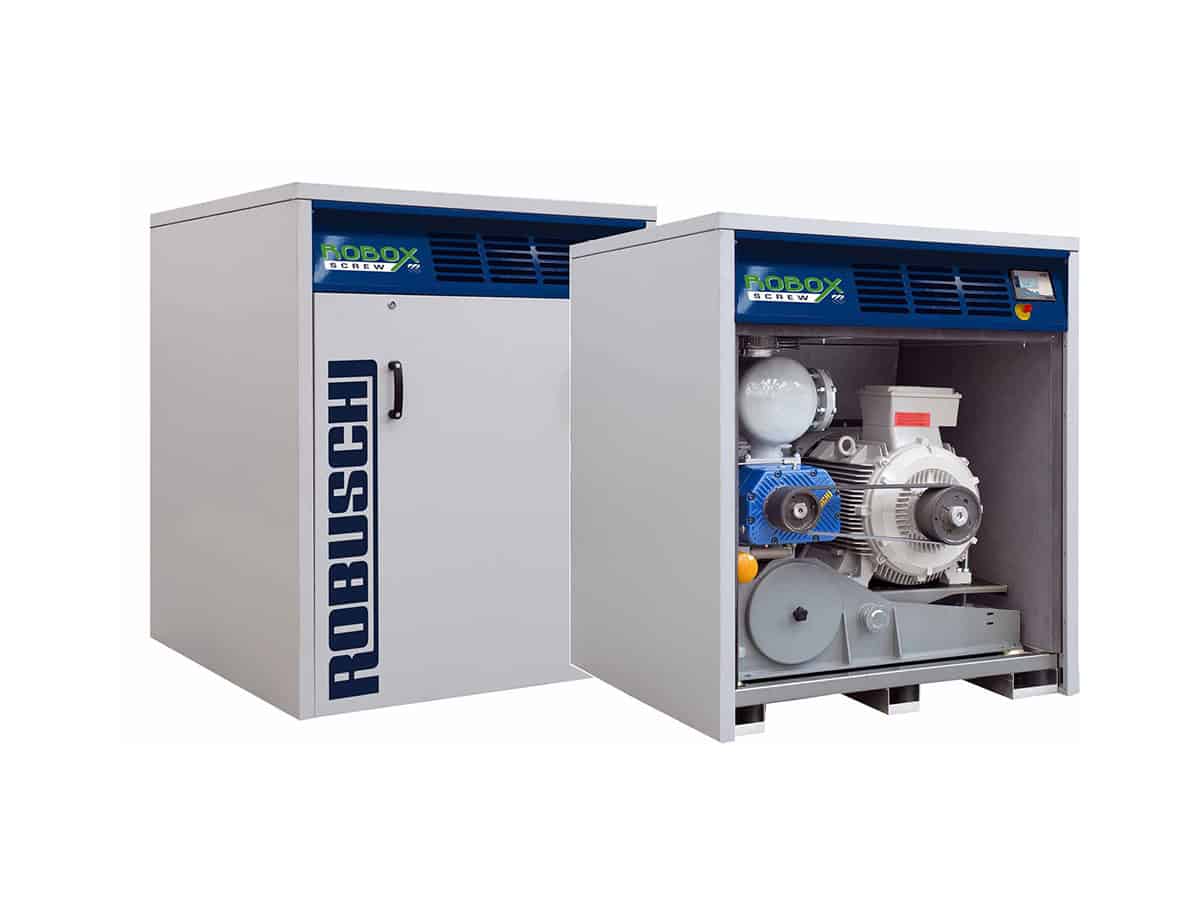
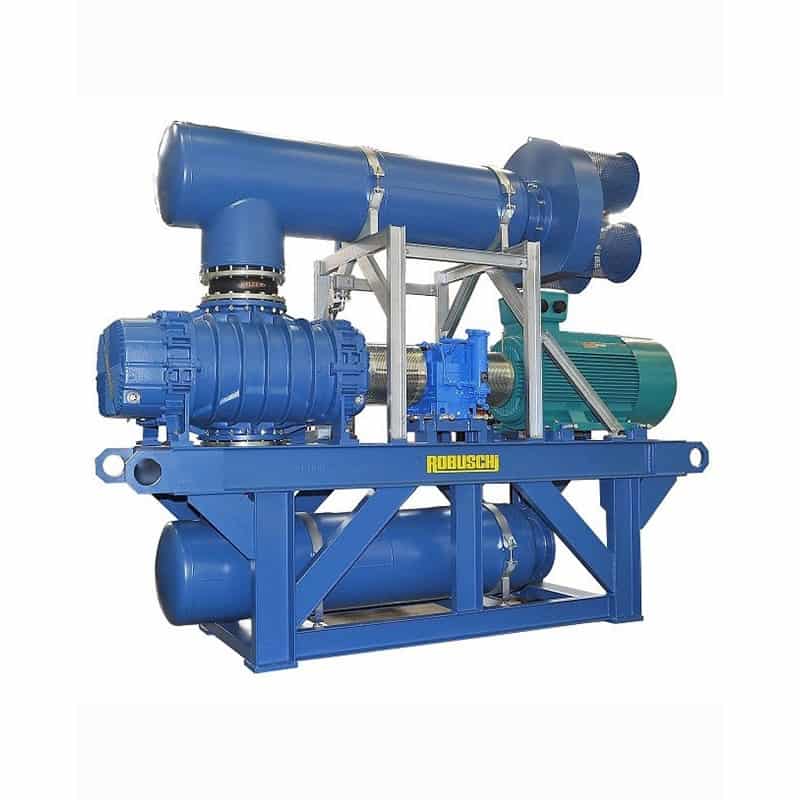
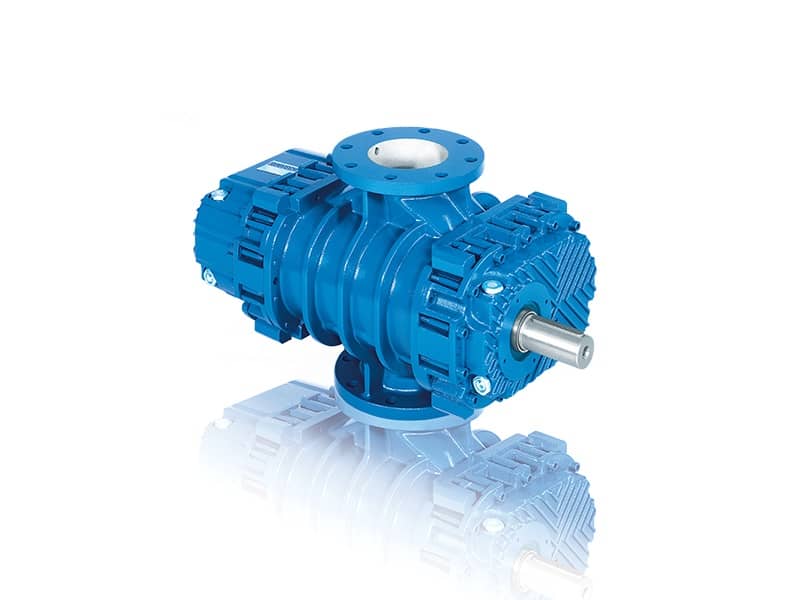
For roadworks, equipment is selected that can withstand intensive use in field conditions. In the field of pothole repair, rotary blowers are used — RBS series compressor units mounted on vehicles. They are valued for their structural reliability and ability to deliver large volumes of air at a relatively stable pressure. Their main function is to supply the air-asphalt mixture: compressed air is used to fill potholes with gravel mixed with bitumen.
The UYAR-1 pothole repair unit is designed for the mechanised repair of asphalt concrete pavements. It is mounted on the chassis of MAZ, KAMAZ and KRAZ lorries, as well as on trailer platforms.
The repair process works as follows: crushed stone from the hopper is fed by hydraulically driven screw conveyors with throttle-controlled speed regulation, after which it is carried by the airflow from a rotary compressor and transported through a flexible stone conveyor to the work area. At the same time, a hydraulically driven pump supplies bituminous emulsion, the flow rate of which is adjusted by the operator from the control panel. In the nozzle — the machine’s working element — the crushed stone is mixed with the emulsion, and the finished mixture is directed straight onto the damaged section of the road surface.
Modern technologies in the manufacture of air blowers help to significantly reduce operating costs. For example, the use of frequency converters allows the air flow to be precisely adjusted to a specific task — from gently blowing away dust to powerful cleaning of deep construction joints. This not only saves fuel (or electricity) but also reduces wear and tear on the machine’s working components.
Why you should buy air blowers for road repairs from Dalgakiran
Our company, Dalgakiran, is a recognised leader in the supply of industrial compressor equipment. This leadership is due to several factors:
the equipment is designed to operate non-stop at high temperatures, which is typical of the summer roadworks season;
the availability of mobile service teams enables prompt maintenance to be carried out directly at the work site, minimising equipment downtime;
the ability to integrate air blowers into specialised road machinery (joint fillers, road marking machines, etc.).
Investing in high-quality equipment from a trusted brand ensures that every kilometre of repaired road will meet technical standards, and that the machinery will not let you down at the most critical moment of the season.
Need a consultation?
Fill out the form and we will call you.
Your region
Request a call
Thank you, your request has been sent. A manager will contact you shortly.
 0800 30 13 77
 0800 30 13 77
 En
En