0800 30 13 77
 0800 30 13 77
 En
En

 Back
BackNitrogen and oxygen generators: application in production
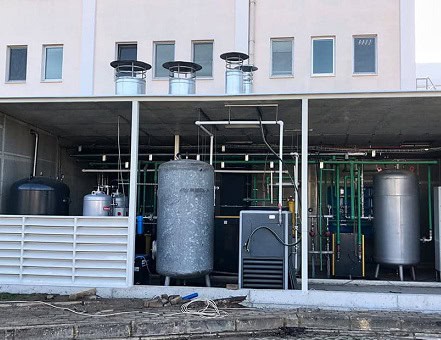
It’s good to know that we’ve been moving towards becoming less dependent on external suppliers and not wasting time and resources on transportation and storage of gases in cylinders. And all this is thanks to nitrogen and oxygen generators that can provide a continuous supply of the necessary gases directly at the place where they are needed, which not only reduces costs but also improves production efficiency. From welding and food packaging to medical applications and metal processing, these devices are essential in a wide variety of industrial processes.
In this article, we will delve into the world of this equipment, consider the principles of its operation and determine why it has become an indispensable tool in various sectors of modern industry. We will also discuss how generators are changing the rules of the game in various industries and what benefits their implementation can bring to businesses.
The principle of operation of the nitrogen generator
Nitrogen generators operate on the basis of gas separation technology. The most common methods are adsorption separation (PSA – Pressure Swing Adsorption) and membrane separation.
PSA generators use zeolites or activated carbon as an adsorbent to remove oxygen and other gases from the air under high pressure, leaving nitrogen behind. The process takes place in two stages: adsorption and desorption. During adsorption, pressurized air passes through an adsorbent that traps oxygen. During desorption, the pressure is reduced and the oxygen is released, allowing the adsorbent to be reused.
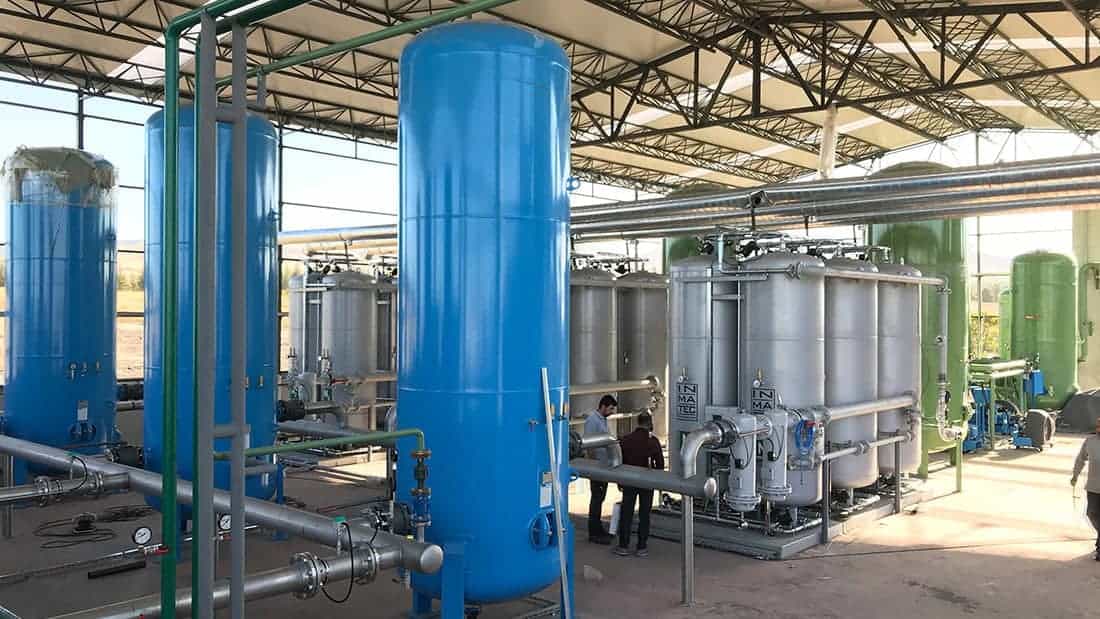
Membrane generators use semi-permeable membranes to separate gases. Air passes through the membrane module, where oxygen and other gases pass through the membrane faster than nitrogen, leaving a clean gas at the outlet.
The principle of operation of the oxygen generator
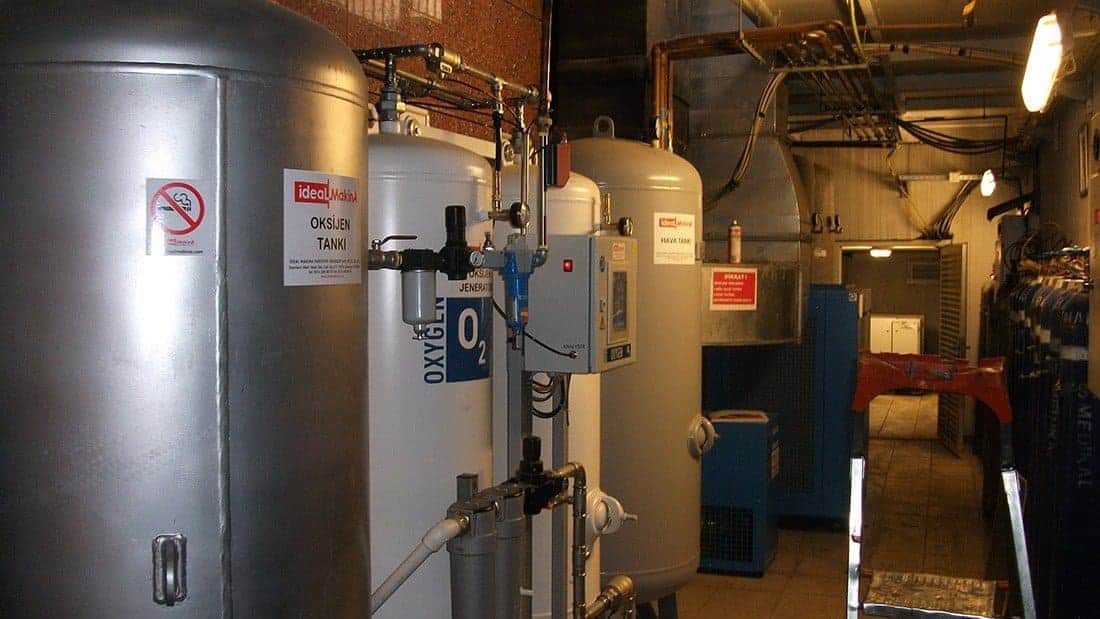
Oxygen generators also utilize PSA or vacuum-pressure adsorption (VPSA) technology. In PSA oxygen generators, air is passed under high pressure through an adsorbent (zeolite), which selectively adsorbs nitrogen, leaving oxygen behind. The adsorbent is then regenerated by reducing the pressure and the process is repeated.
VPSA generators operate on a similar principle, but use vacuum to desorb gases, which reduces energy consumption and increases process efficiency.
What is a nitrogen generator used for?
The choice of nitrogen generators is justified in many industries due to the significant advantages of this equipment:
- Metalworking and welding. To create an inert environment that prevents oxidation of metals during welding and processing.
- Food industry. For packaging products in a modified atmosphere (MAP). Nitrogen displaces oxygen from the package, which extends the shelf life of the product by preventing oxidation and bacterial growth. This is especially important for packaging meat, fish, cheese and other perishable products.
- Chemical industry. Nitrogen is used as a protective gas to prevent undesirable chemical reactions.
- Pharmaceuticals. The use of nitrogen ensures sterility and stability during the production and storage of medicines, as well as to create an inert environment during the packaging of medicines.
- Electronics. In the electronics industry, nitrogen is used to create a protective environment during the production of semiconductors and other electronic components.
- Oil and gas industry. Nitrogen is used to clean pipelines, prevent corrosion and ensure safety during repairs. It is also used to maintain pressure in oil wells.
In addition, nitrogen is used in a variety of processes that are essential for various industries, such as plastic molding, beverage production, purging pipelines and machinery, etc.
What is an oxygen generator used for?
Oxygen generators are also widely used in various industries due to their ability to provide a high concentration of oxygen:
- Medicine. Oxygen is used in hospitals to support patients’ breathing and during surgical operations.
- Aquaculture. In fish farming and aquaculture, oxygen is essential for water aeration, which contributes to the health of fish and seafood.
- Metallurgy. Oxygen is used to increase the combustion temperature in metallurgical processes, which increases the efficiency of metal melting. Oxygen enrichment allows for higher quality of final metal products and reduces fuel consumption.
- Chemical industry. It is required as an oxidizing agent in many chemical reactions. It accelerates the production of chemicals such as sulfuric acid, nitric acid and others. The use of oxygen increases process efficiency and reduces costs.
- Paper industry. It is used in pulp and paper bleaching processes. Oxygen bleaching is a more environmentally friendly method compared to traditional methods such as chlorine bleaching. This reduces the environmental impact and increases production safety.
- Glass production. The use of oxygen in the glass production process makes it possible to increase the melting point and improve the quality of the final product.
In addition, oxygen is used to produce a range of chemical fertilizers used in agriculture and private households.
Application in the production of nitrogen and oxygen generators
So, let’s emphasize the advantages of the equipment for use in various sectors of the economy and industry:
- Independence from suppliers. Own gas production allows companies to be independent of external suppliers, which ensures the continuity of production processes.
- Reduced costs. The use of generators reduces the cost of transportation and storage of gases in cylinders, as well as eliminates the risks associated with their leakage. In addition, it avoids the storage of large volumes of gases under high pressure, which reduces the risk of accidents.
- Environmental friendliness. The choice in favor of generators makes gas production safer for the environment, as it reduces emissions of harmful substances into the atmosphere.
- High efficiency. Modern generators ensure a high level of gas purity and stability.
- Flexibility. The equipment can be easily adjusted to produce different volumes of gas according to industrial needs.
- Reduced environmental impact. Generators help to avoid greenhouse gas emissions that occur during their transportation over long distances.
- Optimization of production processes. Thanks to the ability to continuously supply gases, generators ensure the stability of technological processes and increase production productivity.
Nitrogen and oxygen generators are not just equipment, but indispensable assistants in industrial processes that change the approach to the production, storage and use of gases. Their implementation helps enterprises to ensure stable and efficient production, independence from external suppliers and significantly reduce costs. From medicine to metallurgy, from the food industry to electronics, these generators are used in a wide variety of industries, improving product quality and process safety.
In a world where efficiency and environmental friendliness are becoming key success indicators, this equipment is becoming indispensable as it enables innovation and promotes sustainable development of enterprises. They help not only to conserve resources but also to create a better world for future generations, demonstrating that modern technology can be not only efficient but also environmentally responsible.
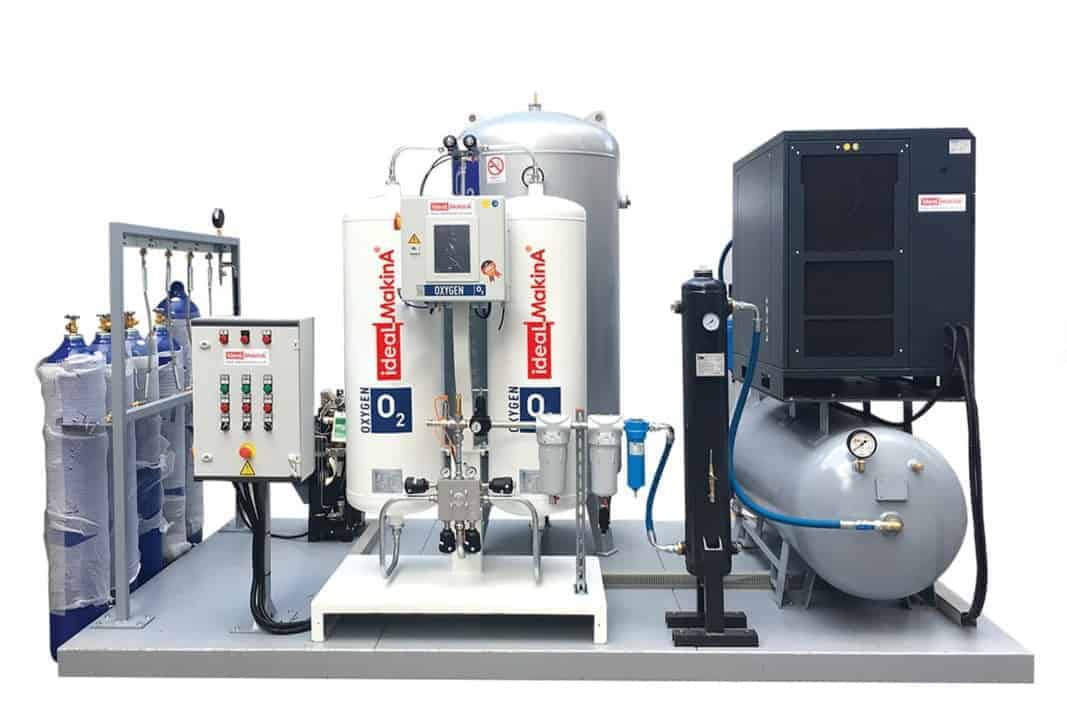
Methods of obtaining and producing nitrogen
Nitrogen production plays an important role in the stable supply of inert gas for industrial processes. Depending on the purity and volume requirements, nitrogen can be produced using a variety of methods: adsorption, membrane and cryogenic.
The most common is the PSA (Pressure Swing Adsorption) technology, in which the generator operates on the principle of air separation using zeolite or activated carbon. This principle of generator operation allows for the efficient separation of oxygen and other gases, leaving nitrogen.
The membrane technology for nitrogen production is based on the fact that air passes through semi-permeable membranes that allow oxygen and other gases to penetrate them faster than nitrogen, resulting in a stream with a high nitrogen concentration.
Cryogenic nitrogen production is used in large-scale industrial plants. It involves cooling air to temperatures at which the components condense and separate. Despite high energy consumption, this method ensures maximum gas purity.
Nitrogen production is in demand in the metallurgy, food industry, pharmaceuticals, chemistry, electronics, and oil and gas sectors. The use of nitrogen generators allows businesses to eliminate the need for cylinders, reduce transportation and storage costs, and improve safety. Modern nitrogen production is flexible, environmentally friendly and highly efficient. Such installations are indispensable in the industrial environment.
Methods of obtaining and producing oxygen
Oxygen production is a process that is particularly in demand in medicine, metallurgy, chemistry and other industries. Today, oxygen production technologies allow for on-site production of gas, ensuring high concentration and stability of supply. Oxygen is produced using generators based on adsorption and vacuum methods.
As with nitrogen production, PSA technology is used. The oxygen generator, whose principle of operation is based on adsorption, uses zeolite to selectively remove nitrogen from the air. After the adsorbent is saturated, the pressure is reduced and it is regenerated. The VPSA variant, vacuum adsorption, further reduces energy consumption while maintaining efficiency. The principle of operation of an oxygen generator also includes vacuum desorption. Such a device is very effective in conditions of limited energy consumption.
Cryogenic industrial oxygen production is used for large volumes and high purity requirements. It is based on cooling the air and separating the components at the boiling point. This oxygen production technology ensures maximum purity and is suitable for high-tech industries.
Oxygen production is essential in the aquaculture, glass and paper industries, where oxygen is used for aeration, bleaching and combustion temperature increase. Industrial oxygen production allows enterprises to be independent of suppliers, reduce costs and improve environmental safety. Thanks to its mobility and efficiency, an oxygen generator, whose operating principle is adapted to the needs of the business, is considered an extremely important and sought-after resource in modern industry.