0800 30 13 77
 0800 30 13 77
 En
En

 Back
BackHow to choose the optimal cooling system for your business
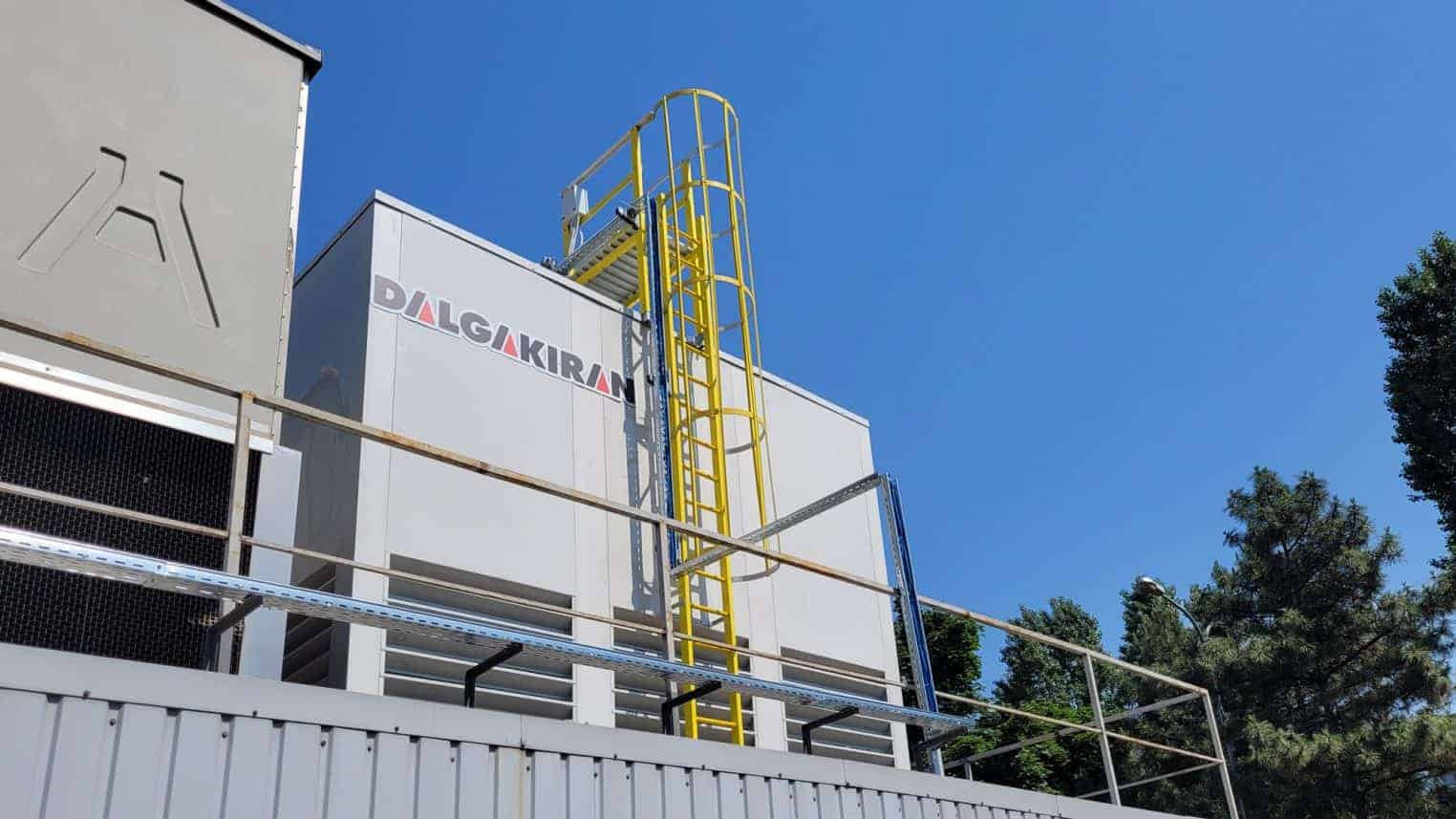
Modern industrial and commercial facilities require efficient temperature control. Without a reliable cooler, it is difficult to guarantee safe operation of equipment, stability of technological processes and comfort in work areas. In industrial environments, the need for a high-quality cooling solution often becomes critical, as it affects the life of machines, the quality of finished products and energy consumption.
The importance of cooling systems for enterprises in various industries
A properly selected cooling system is important for different areas of business:
- In the food and pharmaceutical industry, a stable temperature guarantees product quality and safety;
- In metallurgy and machine building, an industrial cooler provides heating control for machines and equipment;
- In data centers and telecommunications facilities, efficient heat dissipation protects servers from failure;
- In construction and chemical processes, precise temperature control maintains a safe environment and saves resources.
The application of cooling systems covers all industries where the quality and stability of technological processes depend on temperature.
Types of equipment for cooling systems
There are several main solutions, each with its own advantages and limitations:
- chillers are vapor-compressor refrigeration machines whose main function is to cool a liquid medium;
- cooling towers – systems that cool warm water using ambient air at a lower temperature;
- Heat pumps are a versatile climate technology that can be used for both space heating and cooling, depending on the conditions;
- thermostats are special devices designed to regulate the temperature of the heat carrier;
- heat exchangers are used to cool water or glycol solutions;
- compact industrial air conditioners regulate the temperature regime and have a capacity of at least 25 kW.
The industry is increasingly using chillers, which are universal units capable of cooling both water and air.
Why it is important to choose the right cooler
An improperly selected cooler will lead to resource overruns and instability in operation. A device that is too weak will not be able to cope with the load, and a device that is too powerful will lead to excessive energy consumption.
The right choice helps:
- avoid equipment shutdowns due to overheating;
- maintain the specified conditions in the production facilities;
- reduce the overall consumption of resources;
- extend the service life of the equipment.
This is especially true for enterprises where the quality of finished products depends on temperature.
Maintenance and monitoring of cooling systems
Any industrial chiller, chiller, or industrial air conditioner only works efficiently when it is properly maintained. Even a small malfunction can cause equipment to shut down, increase energy consumption, or affect product quality. Therefore, regular maintenance and proper monitoring are essential elements of operation.
Service includes:
- cleaning heat exchangers from dust, oils and deposits that reduce heat transfer coefficient;
- checking pumps, fans and compressors responsible for air or water circulation;
- control of pressure, temperature and refrigerant level parameters;
- diagnostics of electronic control units;
- checking the tightness of pipelines and the condition of seals.
The timely execution of these works reduces the risk of emergency shutdowns and extends the life of the system.
Modern cooling systems are equipped with sensors and controllers that transmit information to a single control system. This makes it possible to:
- monitor performance online;
- predict malfunctions based on increased vibration or temperature changes;
- analyze energy consumption to find optimization points;
- set up automatic notifications for staff in case of deviations.
This gives the company the opportunity not to wait for a breakdown but to prevent it in advance.
It is also worth considering typical problems with insufficient maintenance. If you neglect the service, the following situations arise:
- overheating of the compressor and, as a result, its failure;
- corrosion in the water circuit due to lack of water treatment;
- increased noise and vibration levels, which negatively affect other equipment;
- uneven cooling of premises or production lines.
All of these problems lead to financial losses and reduced process efficiency.
Regular maintenance and automatic monitoring provide the company with many benefits, including:
- reducing the risk of downtime;
- stable quality of products and services;
- savings by optimizing capacity and resources;
- extending the service life of expensive industrial equipment.
Therefore, the competent organization of service and control of the system is not an expense, but an investment in the stability and long-term operation of the enterprise.
Tips for choosing a chiller for your business
To find the best industrial chiller or other cooler, there are a few key things to consider:
- The power should be appropriate for the maximum load on the equipment or production process;
- If water is used, you need to consider its quality and the possibility of pre-treatment;
- in enclosed spaces, it is advisable to use air systems with low noise levels;
- The lower the energy consumption, the more profitable the operation in the long run;
- For stable temperature conditions, it is better to choose systems with automatic regulation;
- Pharmaceuticals require high precision, metallurgy requires endurance, and the food industry requires reliability and hygiene.
There is no one-size-fits-all solution – the best option depends on the specifics of production, budget, and operating conditions.
Conclusion.
A cooling system is not only an auxiliary but also a key process equipment for any enterprise. It affects product quality, process stability and energy consumption. When choosing equipment, it is important to take into account the characteristics of the process, the needs of the premises and performance requirements. Only a properly selected chiller or chiller will ensure efficient and stable operation of the system, preserve the life of the equipment and increase the competitiveness of the business.