0800 30 13 77

 0800 30 13 77
 En


 Back
How to choose a submersible pump
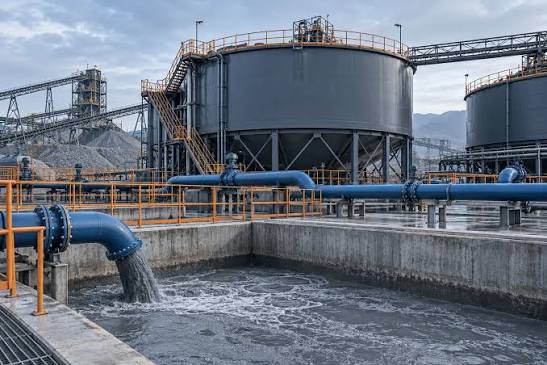
Uninterrupted water supply, wastewater disposal, and drainage are basic needs for both private households and any industrial or agricultural enterprise. When the task arises of lifting water from great depths or pumping out contaminated wastewater, a standard surface-mounted unit often proves inadequate. In such situations, a submersible pump comes to the rescue.
The modern market offers a wide selection of equipment that varies in design, power, and purpose. However, to ensure the device operates reliably for many years, it is important to correctly select the type of equipment, taking into account the depth of the source, the level of contamination in the liquid, and the required pressure.
“Dalgakiran,” an official supplier of industrial and residential solutions, helps businesses and private customers throughout Ukraine select pumping systems that combine high quality, energy efficiency, and affordability. Thanks to its own service network with field teams in 11 regions, any equipment receives prompt technical support.
Today we’ll discuss the key principles for selecting submersible pumps. Next, we’ll take a detailed look at the types of this equipment, its main parameters, and the specifics of its application in various conditions.
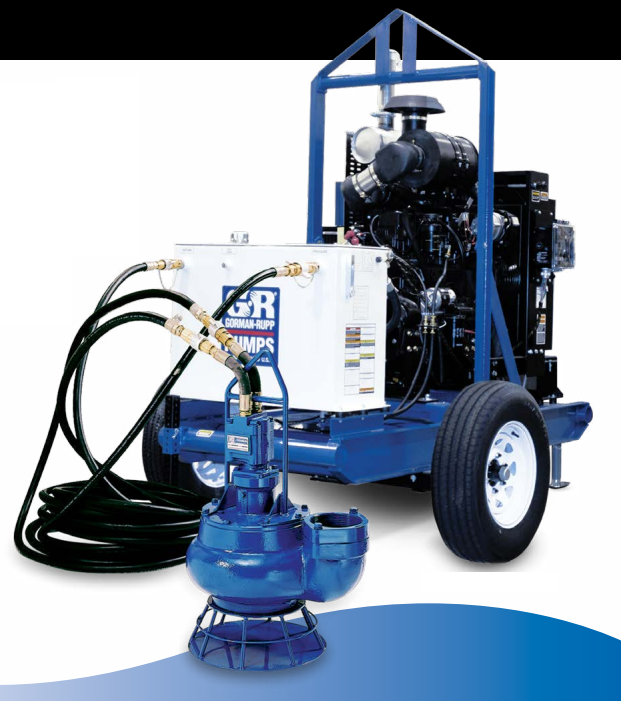
Types of submersible pumps
A submersible pump gets its name from its installation method: during operation, its housing is partially or completely submerged in the working medium. Unlike surface-mounted models, these units have no issues with suction head, are cooled by the liquid in which they are submerged, and operate virtually silently. Depending on operating conditions and the composition of the medium, the equipment is divided into several main categories.
Drainage pumps
A drainage pump is designed to pump relatively clean or slightly contaminated water. It is widely used for flooding in basements, dewatering excavation pits at construction sites, draining swimming pools, and drawing water from open bodies of water or reservoirs.
A distinctive feature of this type is its ability to pass small solid particles (typically 5 to 30 mm in diameter) through the pump. Thanks to its high performance and reliability, the drainage unit quickly pumps large volumes of liquid, although it is not designed to generate very high pressure.
Sewage pumps
A submersible sewage pump is designed to handle the most challenging and viscous media: pumping wastewater from cesspools, septic tanks, and domestic and industrial sewer systems.
The design feature of sewage models lies in their wide flow channels and, often, a special cutting mechanism (grinder). The grinder shreds large fibrous materials, hygiene products, and organic waste before they enter the pump chamber, preventing jamming and clogging of the discharge pipes.
Well pumps
A well (or submersible) pump is designed to lift clean drinking and industrial water from great depths. This equipment is distinguished by its specific cylindrical shape with a small housing diameter (typically 3 to 6 inches), which allows it to be easily lowered into a narrow casing pipe.
A deep-well pump is capable of generating high pressure, lifting water to a height of 50–150 meters or more. Since a well requires the pumping of clean water, such devices are sensitive to the presence of sand or abrasives and therefore require high-quality manufacturing of the internal stages and impellers.
Well pumps
A submersible well pump is in many ways similar to a borehole pump, but has a larger diameter casing and differs in the location of the water intake. Since wells are rarely very deep, these models are designed for high flow rates.
Well pumps are often equipped with float switches to prevent dry running and feature a lower water intake, which allows for maximum motor cooling even when the pump is not fully submerged.
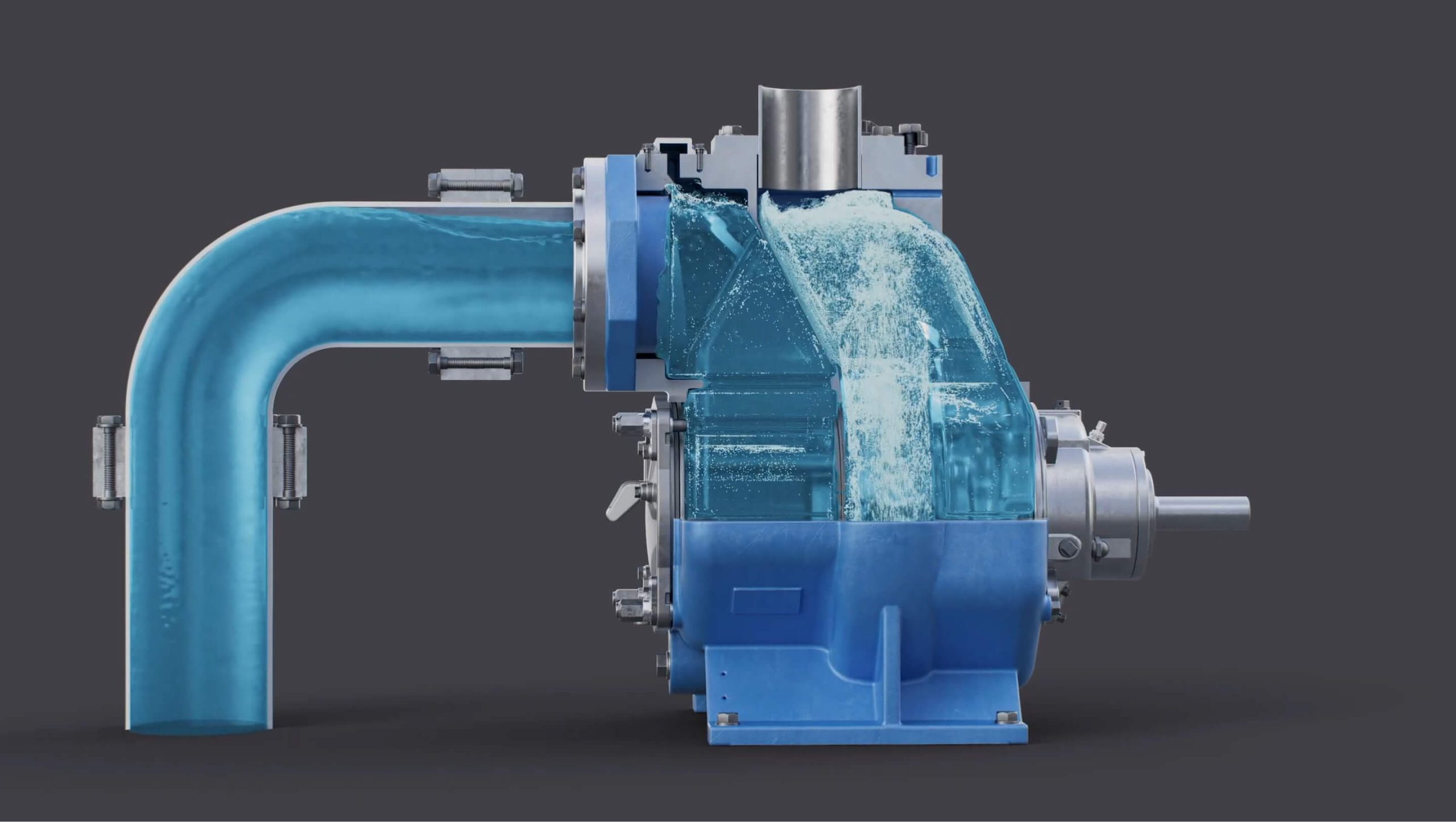
Key parameters for selecting a submersible pump
To ensure the best possible choice of equipment and that the submersible pump itself operates without overload, it is necessary to thoroughly analyze a number of criteria before purchasing. Specifically:
- Type and purity of the liquid. This is the primary parameter. For drinking water from a well, a deep-well pump is required; for rainwater or stormwater water, a drainage pump is needed; and for sewage, a sewage pump with a grinder is required.
- Capacity (flow rate). This is calculated as the volume of water the unit can pump per unit of time (L/min or m³/h). For a private home, this figure is calculated based on the number of water outlets and residents, while for industrial use, it is determined according to technical specifications.
- Head (lift height). This determines the height and distance to which the device can deliver liquid. The calculation takes into account not only the vertical height from the submersion level to the highest point of consumption but also the horizontal sections of the pipeline (where 10 meters of horizontal distance typically equals 1 meter of vertical lift), as well as the resistance of the fittings.
- Submersion depth and diameter of the source. The well requires strict matching of the pump’s diameter to the inner diameter of the casing. It is also important to know the maximum submersion depth below the water table that the housing and seals can withstand.
- Automation and protection. The presence of a float switch, a dry-run sensor, and thermal protection for the motor significantly extends the equipment’s service life by preventing it from burning out when the water level drops.
It is important to evaluate all these characteristics as a whole. Ignoring even a single parameter can lead to rapid wear and tear on the equipment.
Common mistakes when choosing
Even experienced buyers sometimes make mistakes that lead to equipment failure or inefficient system operation.
The most common mistake is purchasing equipment with excessive “reserve” power. A device that is too powerful quickly drains water from the source, causes frequent dry running, consumes more electricity, and constantly cycles on and off, which rapidly wears out the start capacitors and the motor. The other extreme is choosing a model that isn’t powerful enough, forcing it to operate at maximum capacity without a break.
Another common problem is ignoring the size of solid particles. Attempting to use a standard drainage or well pump to extract water containing silt or mud leads to rapid wear of the impeller due to abrasive friction or to the shaft becoming jammed. In addition, the diameter of the discharge hose or pipe is often overlooked: a narrowing of the discharge line creates additional resistance and reduces the unit’s performance.
Proper selection of submersible pumping equipment is the key to peace of mind and economic benefits for years to come. Dalgakiran provides professional solutions for any water drainage and water supply tasks throughout Ukraine. By combining affordable prices, high quality standards, reliability, and energy efficiency, the brand helps Ukrainian businesses and private households grow and conserve resources. Choose reliable technology and professional on-site service. Everything works with “Dalgakiran”!