0800 30 13 77
 0800 30 13 77
 En
En

 Back
BackChoosing a diesel generator for backup power supply
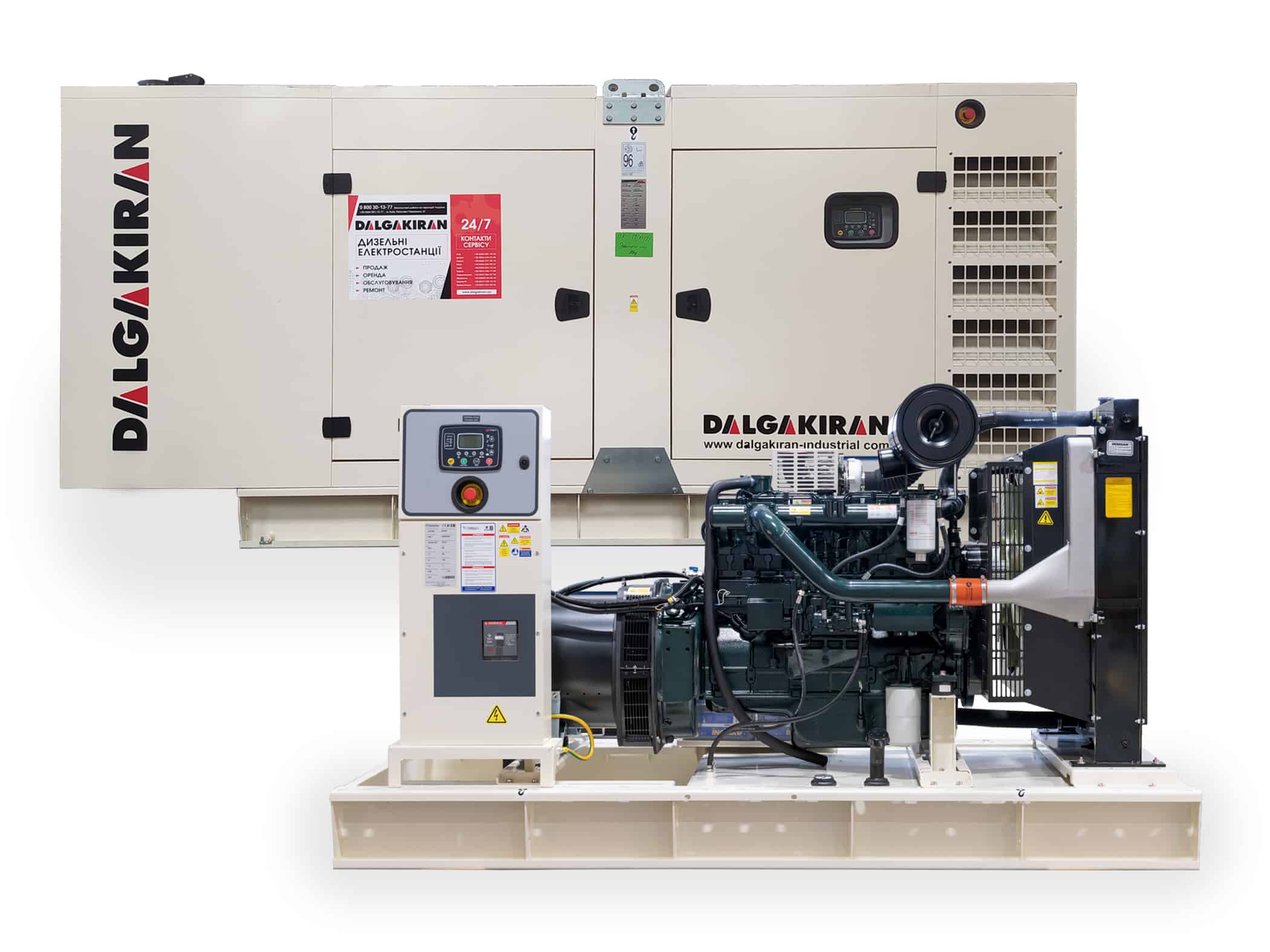
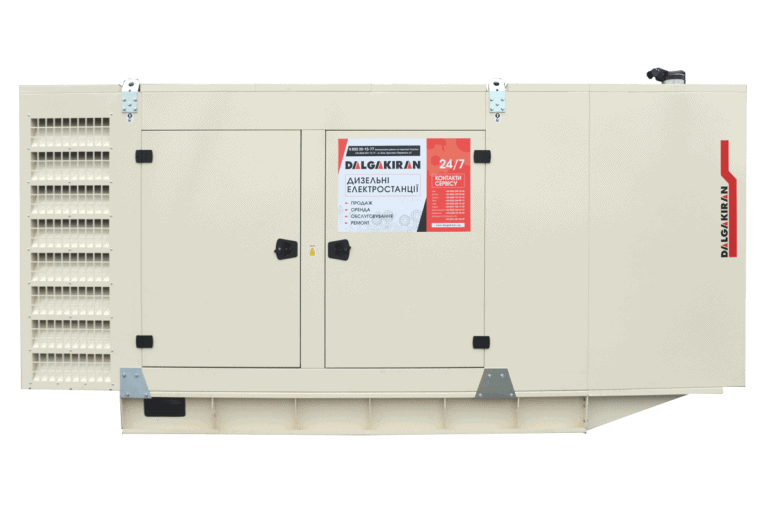 Typically, a diesel, gasoline, or gas generator is used where there is no constant power supply from a centralized grid (or there are interruptions in power supply). Such equipment can provide backup power at the facility for temporary construction work (welding, concrete preparation, etc.). The generator is often used by road service workers when performing relevant work.
However, the reality in Ukraine is somewhat different at the moment. In addition to the fact that some facilities do not have a fixed network for one reason or another, they have to deal with the consequences of enemy attacks on energy infrastructure. In this case, using a diesel generator is almost the only option, as even someone’s life may depend on it.
The purpose and necessity of a diesel generator
Modern diesel generators are considered to be fully autonomous installations that have the capacity to generate electricity. The heart of the generator is an internal combustion engine that runs on diesel fuel. Most often, a diesel generator is used in industry, where there is a high energy consumption. However, as mentioned earlier, a diesel generator can be used at home.
The stand-alone station provides backup power in areas such as:
- Service stations, garages, parking lots.
- Construction sites, road repair sites.
- Mobile cafes, bars, etc.
- Concerts and exhibitions, camping.
They can also be used in private homes.
Assessment of energy consumption of the facility
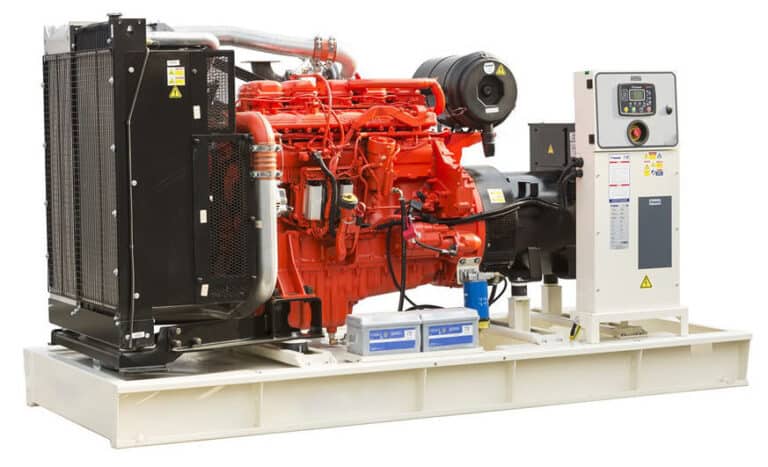 Depending on which facility will receive electricity from a diesel generator, it is necessary to carry out work related to energy consumption measurements. This is a very important point, because it determines the required generator power, its dimensions, fuel consumption, weight, and so on.
For example, if you need to calculate the energy consumption of a car service station, you need to take into account all the devices that are powered by electricity.
Most often, service stations have one or more car lifting mechanisms, welding machines, pneumatic systems, and power tools. You should also take into account the need for lighting, air conditioning or heating in the cold season
Selecting the power of a diesel generator
By calculating the power of all the devices available to the company, you can get accurate data. The calculation of a diesel generator is based on the fact that all devices will theoretically operate simultaneously. After that, 20-25% of the power reserve should be added to the obtained value. This is done to ensure that the generator does not operate at the limit of its capabilities during peak load. The greater the power reserve, the better, but at the same time, the final cost of the generator and fuel costs increase.
For many industries, as well as for household consumers who are planning to choose a diesel generator, it is worth recalling an important detail related to the operation of electric motors. It is known that they require a high starting current when starting up. This is a parameter that is several times higher than the rated current of the electric motor. For example, if it has a rating of 2000 W, the starting current can sometimes reach 7000-8000 W.
Therefore, when choosing a diesel generator to generate electricity for, you should make a serious power reserve. Otherwise, the following situation will occur: after the generator has powered an electric motor (for example, a submersible pump), the load on the network will increase significantly. Active currents will instantly signal the automatic generator protection to stop generating to preserve the integrity of the generator winding. The user will then have to wait until the inrush currents cease, and this is if the diesel generator has an automatic start function. Otherwise, the power supply must be restored manually.
Automation of generator startup
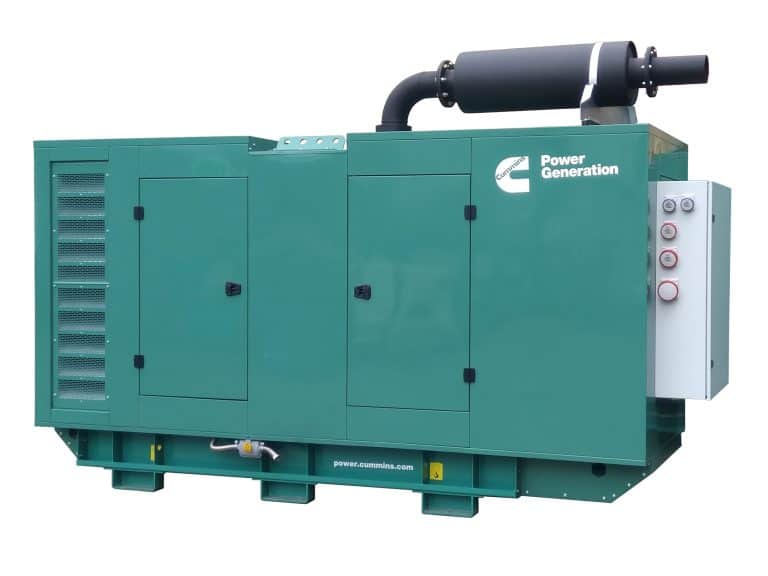 Undoubtedly, a generator allows you to quickly restore power to your home or business. However, even with this equipment, it is not always possible to supply power instantly. There is an effective solution that will help solve the problem – the automatic start of a diesel generator.
Automation of the generator startup completely eliminates human intervention when switching on an additional power source. A special reserve input unit is triggered. The following is a list of its main advantages:
- Automatic start and stop of the generator if necessary.
- Delayed start-up of the generator if the mains is turned off for a short time.
- Economy mode, in which the generator can be turned off after a specified period of time.
- Switching power between the mains and the generator.
Such devices, which allow the automatic start of a diesel generator, are extremely important at critical facilities. For example, an automatic start generator installed in a boiler room will prevent the coolant in the system from freezing during a prolonged outage of the main energy source in winter.
Three types of power generators
All electric generators on the market today can be divided into types:
- According to the type of fuel used to generate electricity: gasoline, diesel, gas.
- By the number of voltage phases at the output: single-phase and three-phase generators.
- By design: synchronous, asynchronous.
In addition, generators can be stationary or mobile. For example, the main advantage of a mobile generator is its weight. Usually, it is no more than 30-40 kg. Such equipment can be easily moved to any place if necessary.
The situation with stationary generators is somewhat different. These are large devices that weigh up to 1 ton. They are installed on specially prepared sites and do not require frequent movements.
But the most important classification of modern generators involves their differentiation according to the following principle: gasoline, diesel and gas generators. Next, it is appropriate to analyze each of them.
Compact size, light weight, ease of maintenance, low generation power – these are all characteristics that can be used to describe a gasoline generator. Unfortunately, it is not designed for continuous operation, but it has significant advantages over its counterparts:
- Easy maintenance and repair.
- Reasonable price.
- Low noise level.
However, the main disadvantage of a gasoline generator is the fluctuation of the output voltage, which does not allow it to be used to power critical systems.
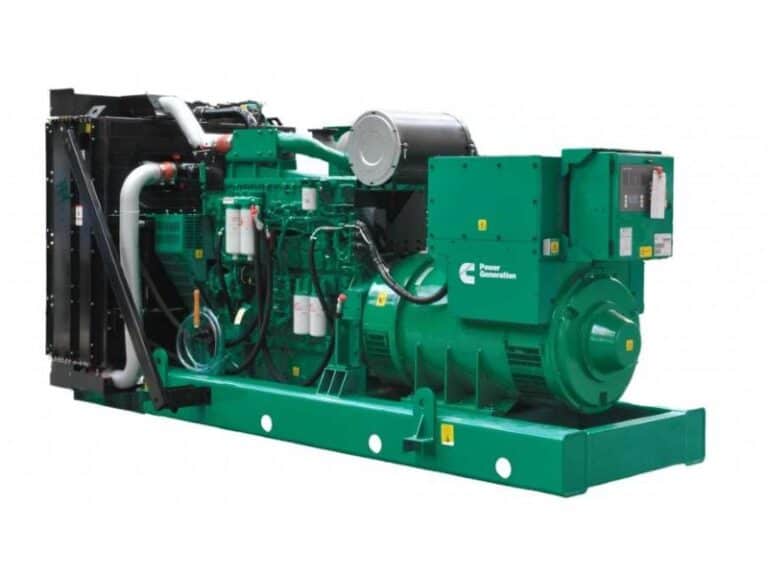 A diesel generator runs on diesel fuel and usually has an average power of 25-30 kW. This device has a long service life, is economical, and very reliable. Modern diesel generators are equipped with current rectification devices.
The main advantage of a diesel generator is the ability to operate without interruption. A diesel generator can be refueled with a new portion of fuel directly during operation without shutting down. The disadvantage is significant noise, complicated repairs if necessary (although they can be made easier by contacting professionals), and the practical impossibility of starting at low temperatures.
Gas generators are in less demand because they have to run on a specific type of fuel – network, liquefied gas. However, such a generator is almost harmless to the environment and can be automated. The only drawback is its explosion hazard.
Finally, we can distinguish a special type of generator – the inverter. The principle of its operation is based on a double conversion of electricity: first, alternating current is converted into direct current, and then vice versa. Thus, the output of the device can be as stable as possible. This is ideal for powering equipment that is highly sensitive to power surges: computers, boiler equipment, etc.