0800 30 13 77

 0800 30 13 77
 En


 Back
What is a cooling tower: how it works and its applications
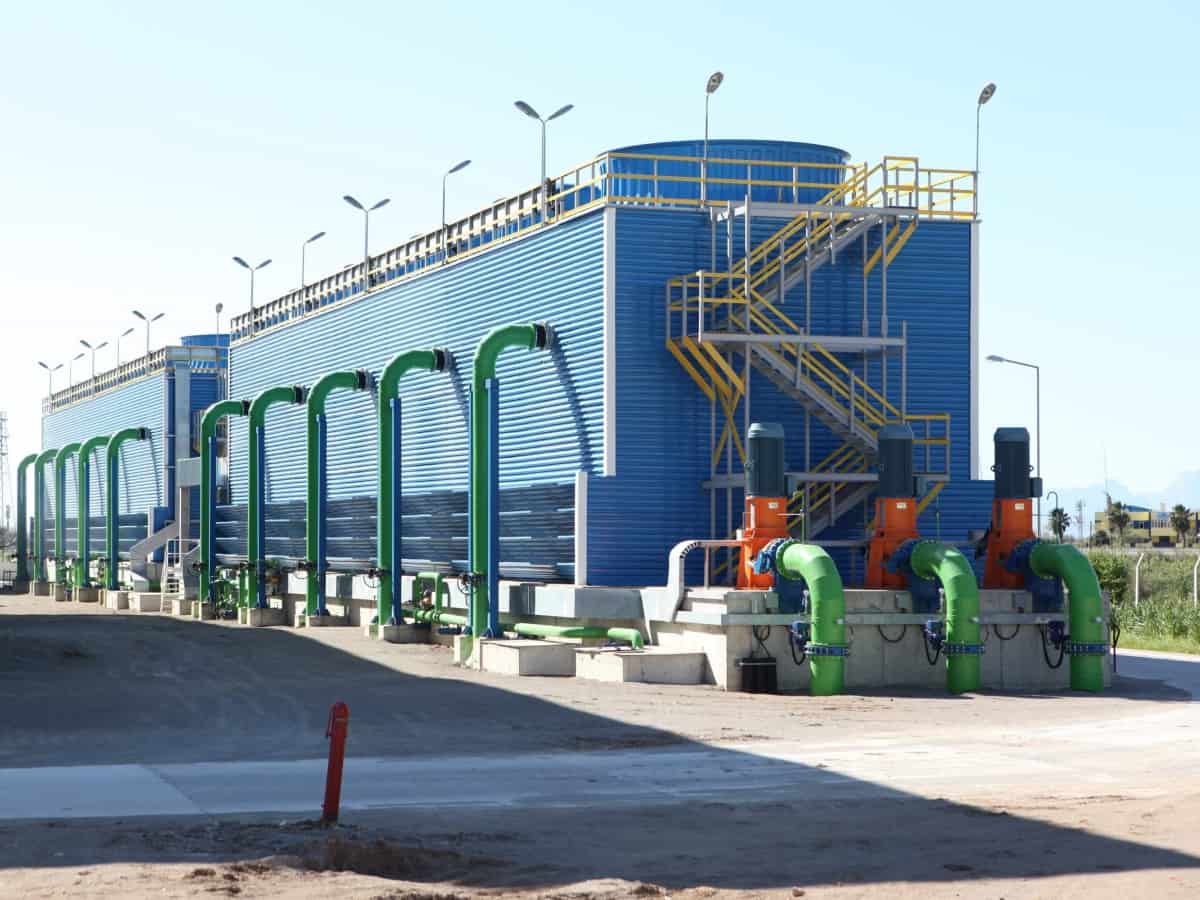
Powerful industrial equipment generates a large amount of heat during operation, which must be continuously removed. Most modern enterprises are implementing closed-loop circulation systems that use specialized heat exchangers, since using direct-flow water supplies from municipal networks or bodies of water is economically unfeasible and environmentally unsound. Below, we will examine in detail how this equipment works, the physical processes that enable its high efficiency, and how to properly select a system tailored to specific production needs.
What is a cooling tower and what is it used for?
A cooling tower is a specialized heat exchange unit designed to cool large volumes of water using a flow of atmospheric air. Unlike standard radiators, it utilizes the efficient physical process of partial evaporation of the working fluid.
To clearly understand what a cooling tower is, it is worth examining its role within a facility’s system. It receives hot water from process equipment, reduces its temperature to the required level, and returns it to the production cycle.
The use of such systems allows for the resolution of several critically important tasks:
- creating a closed-loop water supply system without the constant intake of fresh water;
- significantly reducing financial costs for utilities and wastewater disposal;
- ensuring a stable temperature regime for industrial units;
- reducing the negative anthropogenic impact on the environment.
For Ukrainian enterprises, the issue of resource conservation is particularly acute. Modern cooling systems allow for the creation of autonomous and reliable circuits that protect production from external factors.
The main components of a cooling tower and the principle of evaporative water cooling
To understand how a cooling tower works, it is important to recall the laws of thermodynamics. The key point is that when just 1% of the liquid evaporates, the total mass cools by approximately 6 °C, since the surface molecules carry away a significant amount of thermal energy.
The design of a modern cooling tower includes the following main components:
- a water distribution system and a special nozzle for fine atomization of the liquid;
- a contact sprinkler that creates the maximum possible heat exchange area;
- a high-capacity fan for forced air supply or exhaust;
- a water collection basin at the bottom of the unit to collect the cooled flow.
When analyzing the operating principle of a cooling tower, one can identify a sequence of processes inside the tower. Heated liquid is fed into the upper part of the unit and sprayed through nozzles onto the evaporator blocks, spreading into a thin film. Dry atmospheric air moves toward the droplets, actively absorbing heat.
Effective heat exchange depends on the correctly selected evaporator surface area and airflow velocity. Our proprietary cooling towers are designed to ensure maximum efficiency even during the hot summer months.
Types of cooling towers and airflow characteristics
Depending on operating conditions and requirements for the quality of the cooled medium, various design schemes are used. The main difference lies in how contact between the water and the airflow is organized.
Based on design type and operating principle, the equipment is divided into the following categories:
- open system, where the liquid comes into direct contact with atmospheric air;
- closed system, in which the medium being cooled circulates inside a sealed coil;
- a hybrid system that combines evaporative and dry cooling methods depending on the season.
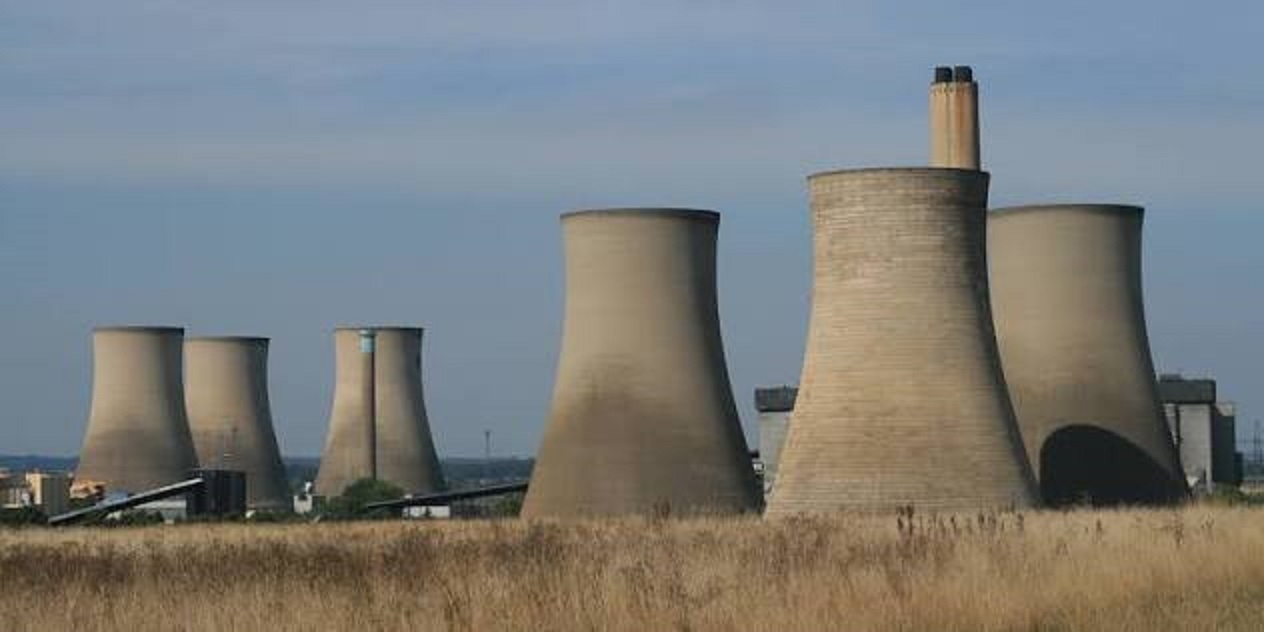
Depending on the method used to create draft, the equipment can be fan-assisted (with forced airflow) or tower-type (with natural draft due to the height of the stack). For most industrial facilities, fan-assisted models are the optimal choice due to their compact size and the ease of process control.
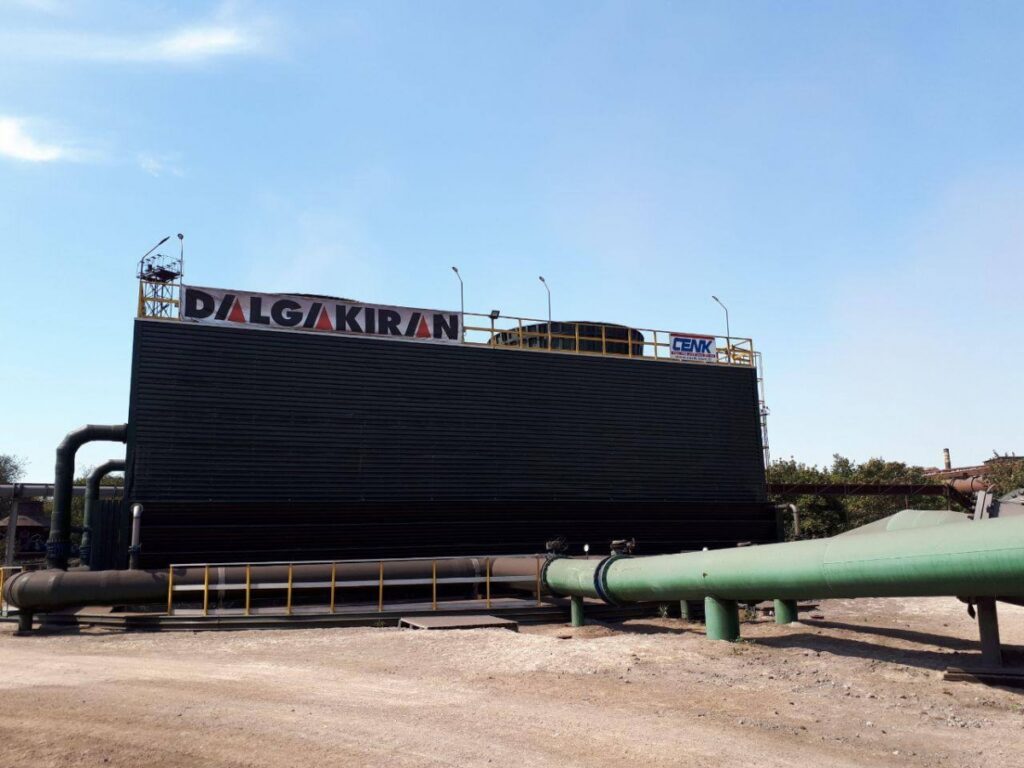
CENK cooling towers demonstrate high reliability under harsh operating conditions, distinguished by their corrosion resistance and high efficiency. They are designed for long-term operation without the need for frequent shutdowns for maintenance.
Key design parameters and criteria for selecting a cooling tower
Proper selection of a heat exchange unit requires a thorough analysis of the enterprise’s technological processes. Errors in calculations can result in the equipment failing to meet the required parameters during the summer peak.
The following factors are taken into account when calculating and selecting a system:
- the design inlet water temperature and the required outlet temperature;
- the total hydraulic volume of fluid pumped through the circuit per hour;
- the region’s meteorological parameters, specifically the wet-bulb temperature;
- water quality and the presence of mechanical or chemical impurities.
If the process requires deeper cooling—to a temperature close to or below the wet-bulb temperature— the capabilities of a standard evaporative cooling tower may be insufficient. In such cases, it is more appropriate to use chillers capable of maintaining precise and low environmental parameters.
Applications of cooling towers
Modern evaporative cooling systems are used in virtually all industries that employ heavy process equipment or high-capacity compressor stations.
Evaporative cooling systems are indispensable in the following areas:
- the metallurgical industry for cooling furnaces and rolling mills;
- the chemical and oil refining industries for vapor condensation and reactor cooling;
- food processing plants and breweries in centralized refrigeration systems;
- the energy sector and large machine-building complexes.
To optimize the operation of the closed-loop system at such facilities, additional heat exchangers are often used, which reliably separate the equipment’s internal clean circuit from the external recirculation circuit.
Conclusions
The implementation of efficient evaporative cooling systems is a reliable way to optimize energy consumption and protect process equipment from overheating. The industrial company “Dalgakiran” offers a comprehensive approach: from project design to regular maintenance. Reliable engineering solutions guarantee the stability of your business—because everything works with “Dalgakiran.”