0800 30 13 77
 0800 30 13 77
 En
En

 Back
BackUseful tips for installing industrial pumps for smooth operation
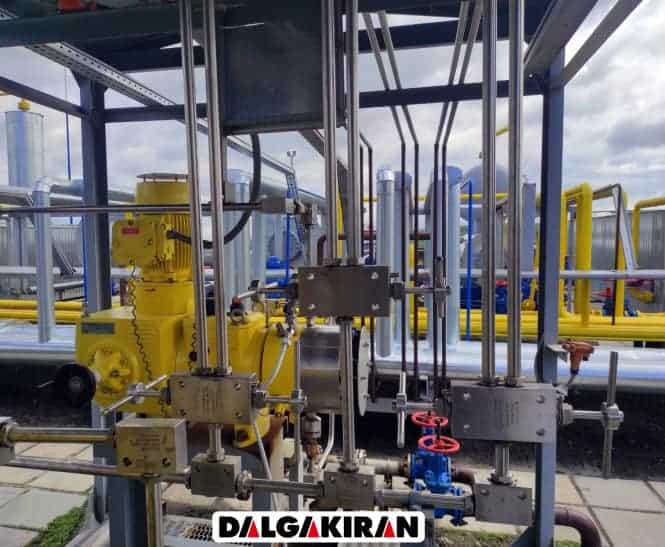
In production, the role of reliable pumps cannot be overemphasized. They ensure the transportation of liquids, chemicals, water or lubricants and have a direct impact on the stability of technological processes. Proper installation and subsequent maintenance of pumps is the basis for long-term and uninterrupted operation of any industrial facility.
Planning and preparing for the installation of pumping equipment
Before installation, it is important to carry out thorough preparation. Incorrect placement or underestimation of operating conditions reduces the service life of the equipment. When planning, consider:
- Calculate the flow rate and pressure to find the right pump for the right application;
- checking the compatibility of casing materials and working elements with the pumped medium;
- choosing a location that provides easy access for maintenance and ventilation;
- Preparation of a high-quality foundation that reduces vibrations and guarantees reliable fastening.
Proper preparation prevents overloads and ensures stable operation of the equipment.
Common mistakes when installing pumping equipment
Most often, problems arise due to non-compliance with basic installation rules. Common mistakes:
- incorrect connection of the suction line, which causes cavitation;
- lack of or poorly fixed foundation, which leads to vibrations and imbalance;
- Incorrect centering of the pump shaft and motor, which reduces bearing life;
- use of non-original seals, which causes fluid leakage;
- lack of checking the direction of engine rotation before starting.
Avoiding these mistakes will extend the service life and reduce repair costs.
Step-by-step process of installing pumps in production
Installation of an industrial pump includes several stages, each of which affects the further operation of the equipment. The main steps:
- Mounting on a prepared foundation with a level.
- Securely fasten with anchor bolts and check the rigidity of the structure.
- Connecting the suction line and pressure line using expansion joints.
- Perform precise centering between pump and drive using indicators.
- Check the tightness of all connections and the correct connection of the electric motor.
- Filling the working chamber with liquid to avoid dry running.
Compliance with these steps guarantees long-term and trouble-free operation.
Inspection and testing of pumps after installation
After installation, it is imperative to carry out commissioning. This is to ensure that the pump and auxiliary equipment are working properly. Testing includes:
- checking the level of vibrations and noise;
- inlet and outlet pressure control;
- Bearing and housing temperature measurements;
- estimation of the engine’s power consumption.
Based on the results, a conclusion is made about the system’s readiness for continuous operation in production.
The need for regular maintenance of industrial pumps
Even the most careful installation does not guarantee long-term operation without proper maintenance. Systematic maintenance is not an optional extra, but a prerequisite for preserving the resource and ensuring the smooth operation of equipment in any production facility. It performs several functions at once:
- preventing accidents;
- saving resources;
- stable performance;
- personnel safety.
In food processing plants, regular maintenance of the pumps helps to avoid mixing of products due to damaged seals. In the agricultural sector, timely cleaning of the suction line ensures a steady supply of water for irrigation. In the chemical industry, checking the condition of the gaskets and pump casing prevents leakage of liquids.
Most companies create internal maintenance schedules (this applies not only to pumps, but also to generators and cooling systems). Additionally, it is recommended to keep a maintenance log, which records all work performed and parts replaced. Such documentation helps to predict service life and plan expenses.
The proper installation and subsequent maintenance of pumps is a complex process that includes planning, quality control of installation, and ongoing maintenance. By following these rules, enterprises receive industrial equipment that can operate stably and for a long time without emergency stops. For modern production, this means not only cost savings, but also a guarantee of reliability and safety of production processes.