0800 30 13 77
 0800 30 13 77
 En
En

 Back
BackHybrid or Grid-Tied Inverter: Which One to Choose for a Solar Power Plant
Planning to build a solar power plant? Then one of the main questions that may concern you is how to choose an inverter for a solar power plant, because it is this device that determines how reliably and efficiently the entire system will operate. In this article, we will examine how a grid-tied inverter differs from a hybrid one, how each of them behaves during a power outage, and what should be considered before purchasing. You will see a comparison of characteristics and get clear guidelines for choosing. It will become clearer to you which solar inverter is better to buy specifically for your home or enterprise.
Operating principle of a grid-tied inverter
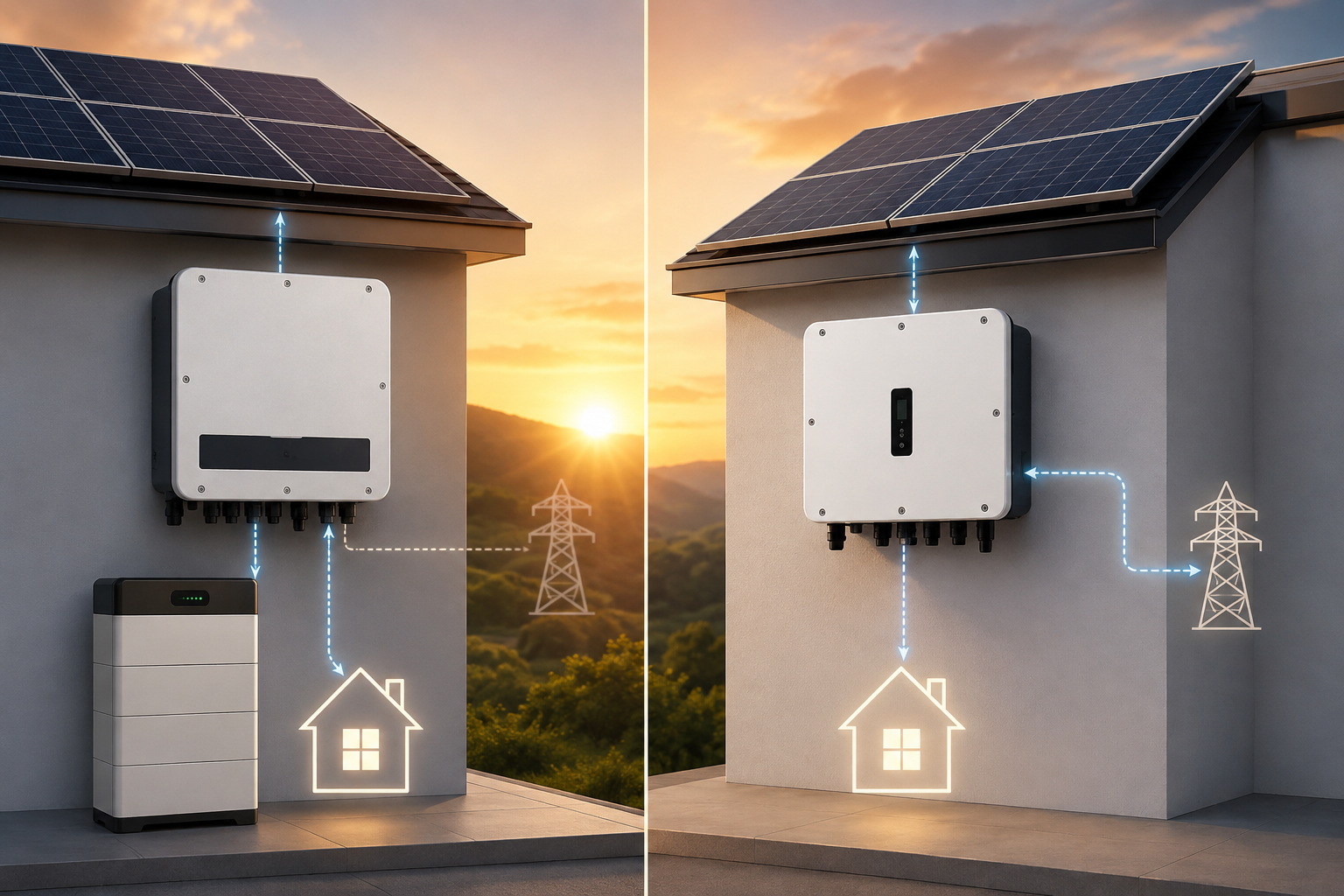
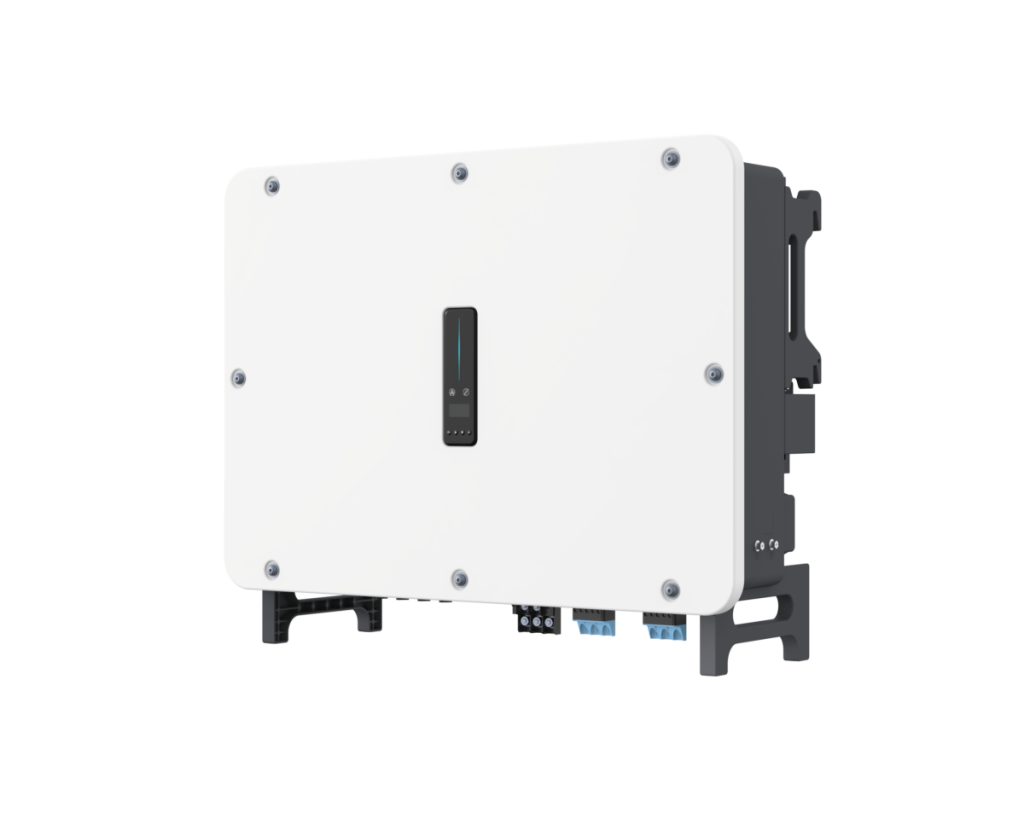
A grid-tied inverter is a device that converts direct current from solar panels into alternating current synchronized with the parameters of the general power grid. It operates only when there is voltage in the grid and immediately switches off during an outage — this is a safety requirement for personnel who may service power lines.
Such an inverter is well suited for facilities where there are no frequent power outages and the main goal is to reduce electricity costs through own generation. The system sends excess generated energy to the general grid.
If you need advice on equipment selection, the section with grid-tied inverters contains detailed information about the available options.
What is a hybrid inverter: features and characteristics
A hybrid inverter is a more complex device that combines the functions of a conventional grid-tied inverter and a battery charge controller. It allows simultaneous operation with panels, an energy storage unit, and the external grid, automatically switching between sources.
A hybrid system allows a facility to remain supplied with electricity even when the voltage in the grid disappears — this is why this option is often chosen by enterprises with a continuous production cycle, Dalgakiran experts note.
Let us consider how a hybrid solar inverter works in practice:
- During the day, the panels generate energy, part of which is used to power the equipment, while the excess charges the battery.
- When there is not enough energy from the panels, the device automatically draws power from the energy storage unit.
- If the battery is discharged and the grid is available, the inverter connects power from the grid.
- In the event of an external grid outage, the hybrid system switches to off-grid mode and continues to power the facility.
This operating principle makes a hybrid inverter a convenient solution for those who want not only to save money but also to have complete independence during power outages.
Comparison of grid-tied and hybrid inverters
Both types of devices convert direct current into alternating current, but they differ in functionality, cost, and the ability to operate without the grid. To make the right choice, it is worth comparing the main parameters of both solutions.
|
Parameter |
Grid-tied inverter |
Hybrid inverter |
|
Operation during a grid outage |
Switches off automatically |
Continues to power the facility |
|
Energy storage connection |
Not provided |
Supported |
|
Equipment cost |
Lower |
Higher |
|
Installation complexity |
Simpler |
Requires additional configuration |
|
Suitability for businesses with a continuous cycle |
Limited |
High |
|
Payback period |
Faster |
Longer, but with additional independence |
As we can see from the table, each option has its own advantages depending on the operating conditions. If the stability of the power supply is critically important for the facility, additional energy storage solutions can also be considered — more details about them can be found in the section on the page where inverters are presented.
Which inverter is better to choose for a solar power plant
The right choice depends on what task the station should solve. Before selecting equipment, it is worth answering a few simple questions: how often outages occur, whether batteries are planned to be installed, and what the constant load is.
Let us consider several practical scenarios that will help you make a choice:
- For a private house without frequent outages and without the need for batteries, a grid-tied option is suitable — it is simple and affordable.
- For an enterprise where an interruption in the power supply leads to losses, it is better to consider a hybrid solution.
- For facilities with their own generation and a desire to sell excess energy to the grid, a grid-tied inverter is the optimal choice.
- For households in regions with an unstable power supply, a hybrid system together with an energy storage unit will be the most reliable choice.
If it is difficult to determine the optimal option on your own, you can contact specialists — they will help select equipment for specific operating conditions and perform solar panel installation together with the inverter connection.
Experience shows that for industries with continuous production, a hybrid solution more often justifies the invested funds by reducing the risks of equipment downtime.
Conclusions
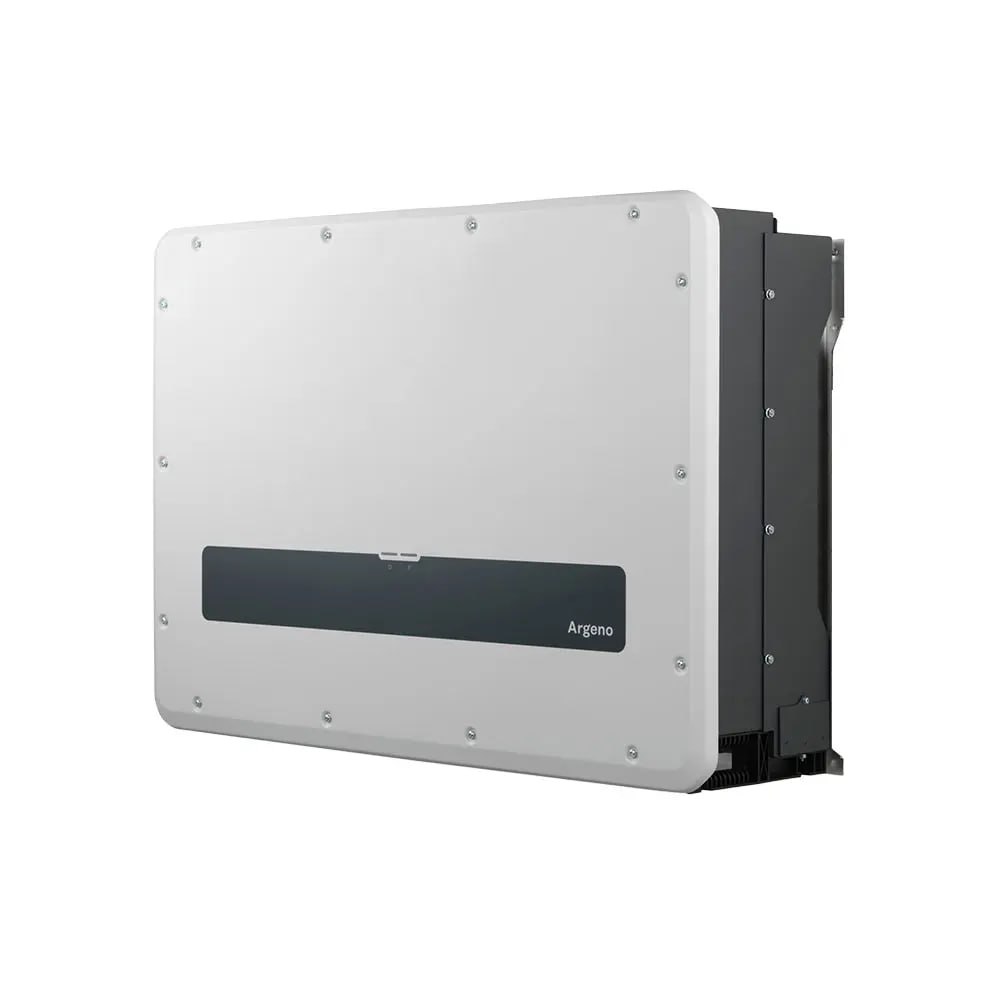
Both types of inverters — grid-tied and hybrid — solve a similar task, but behave differently in critical situations. The grid-tied option is simple and inexpensive, while the hybrid one provides greater independence thanks to its ability to work with a battery.
If the question of how to choose an inverter for a solar power plant remains open for you, it is worth consulting Dalgakiran specialists, who will take into account the specifics of a particular facility — a house, farm, or an entire enterprise — and offer the optimal option.