0800 30 13 77
 0800 30 13 77
 En
En

 Back
BackHow to choose a diaphragm pump for industrial needs
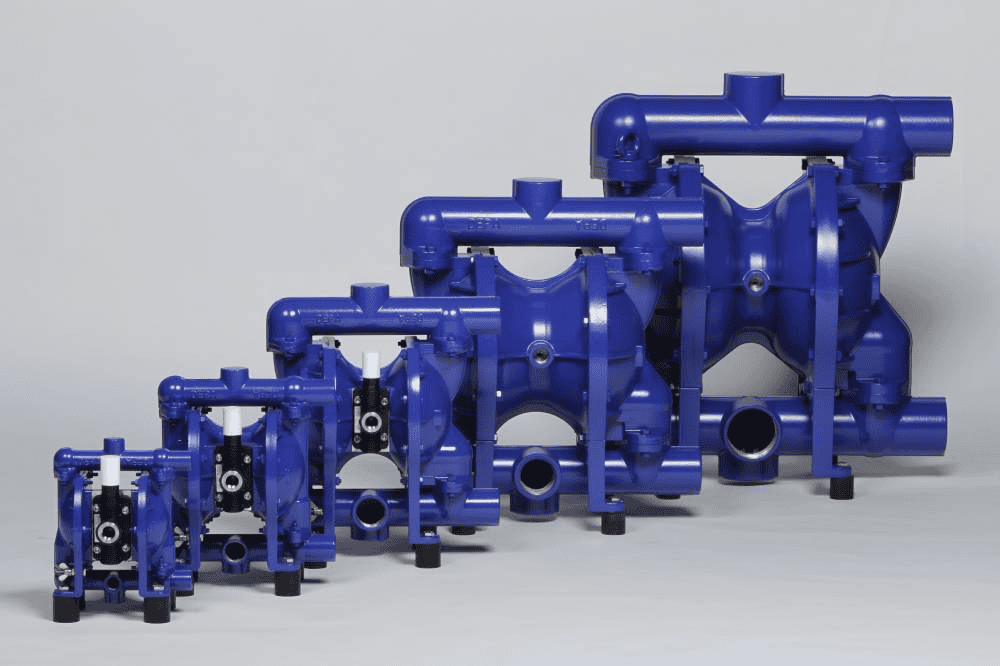
Diaphragm or pneumatic pumps are pneumatically driven devices that are among the most common pumps on the market. High reliability, simple design, and the ability to pump almost any liquid are just a few of the advantages of diaphragm pumps.
Assessment of production requirements
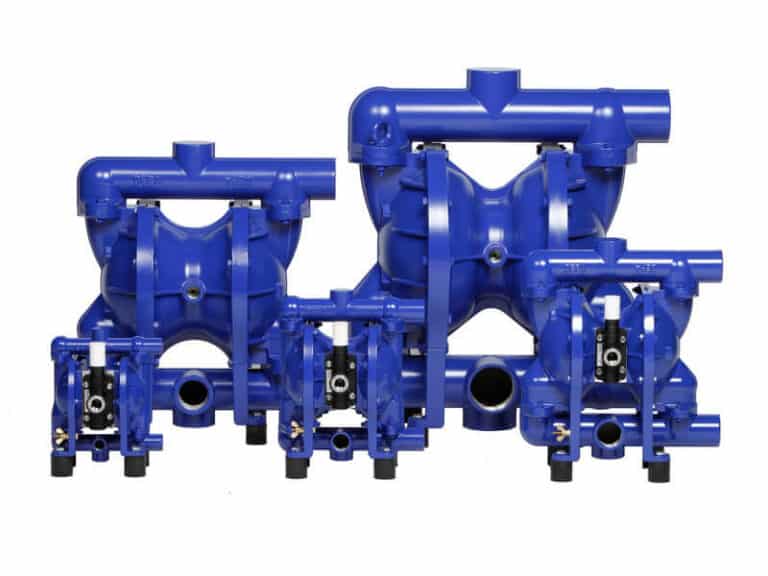 In order to understand which diaphragm pump to choose for a particular industry, it is necessary to assess the production requirements that characterize these devices:
- Easy installation. The equipment is 90% autonomous.
- Mobility. The small dimensions allow the pump to be moved from one place to another without additional effort. If you need to move the equipment to another workshop, you don’t need a lot of staff and additional equipment.
- Safety of use. To turn on the pump, open the air supply valve. Only the pressure is monitored and must not exceed the values indicated by the manufacturer of the device.
- Work with many environments.
- Possibility to adjust pressure and flow.
- Pricing. Diaphragm pumps can be purchased at a more attractive price compared to other types of pumps.
Next, we need to analyze in more detail some important points to consider when choosing a diaphragm pump.
Type of pumped medium
When purchasing this type of pump, it should be remembered that it is capable of handling aggressive chemical liquids. Thus, the diaphragm pump can be used for pumping paints, oils, greases, solvents, acids, liquids with solid fractions, etc. In addition, the pump can even pump food products, such as syrups, juices, sauces, jellies, chocolates, etc. That is, the main industries for the use of this type of pump are the chemical, food industry, oil refining, automotive construction, and so on.
Performance and working pressure
Only the correct calculation will allow you to choose the right device that will be able to perform the specified functionality. The situation is the same with a diaphragm pump, where performance and operating pressure are perhaps the most important parameters.
Typically, diaphragm pumps of different capacities are available on the market. First of all, it is worth noting that the pump can operate with a flow rate of 60 to 2000 liters per minute. As for the working pressure, depending on the capacity, the device can create from 6 to 8 bar. Depending on the medium with which the pump works, these parameters may vary slightly.
Resistance to wear and aggressive environments
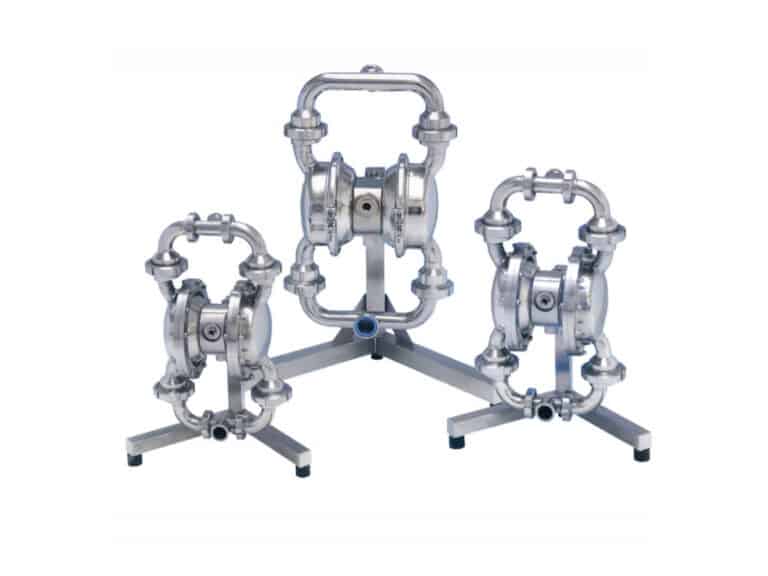 Modern diaphragm pumps have a major advantage over other pumps: high wear resistance. This is possible thanks to the materials used in the manufacture of the devices.
For example, there are many materials that allow the pump diaphragm to withstand heavy loads even if the conditions of use involve pumping abrasive substances (rubber, heavy-duty rubber, new generation synthetic materials). The pump is therefore resistant to the aggressive environments that modern production can use.
Energy efficiency and compatibility with frequency converters
No other pump has such high energy efficiency as a diaphragm pump. Thanks to the ability to adjust the operating modes, the equipment consumes a minimum amount of electricity and compressed air, depending on the production needs.
In addition, a diaphragm pump can be used in conjunction with a frequency converter, a technique that allows you to create the optimal pump operation mode: pressure, capacity, air consumption. Most modern diaphragm pumps have a built-in module for controlling such parameters. This not only expands the capabilities of the production process, but also saves energy.
Selecting the type of drive
There are 3 types of diaphragm pump drives. In addition to pneumatic, you can use a hydraulic or electric drive. It all depends on the operating conditions of the equipment. Of course, the most common type of drive is pneumatic.
For example, a compressed air generator – a compressor or other similar unit available at the production site – can serve as an energy source for a pneumatically driven pump.
Maintenance and repair
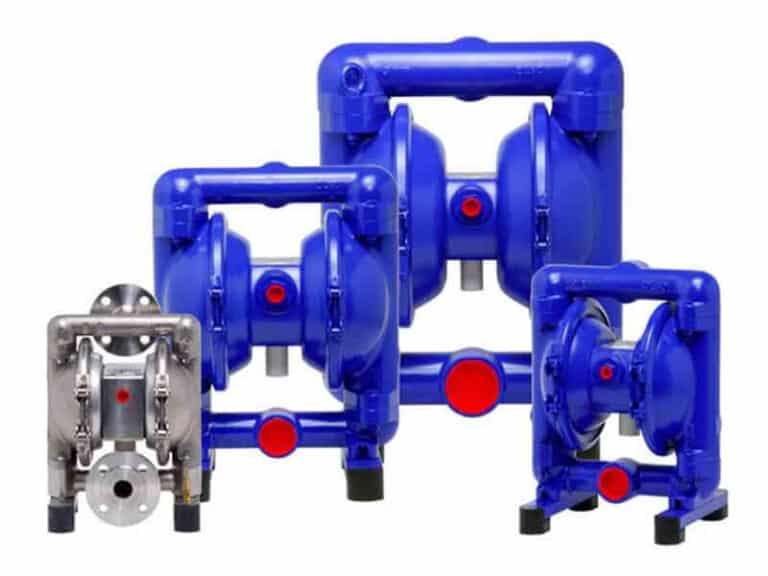 Diaphragm pumps do not have complex components and parts in their design that require systematic maintenance and care. The service life of such equipment is long due to the fact that:
- There are components that are lubricated automatically, without additional operator intervention.
- There are no valves or seals that need to be cleaned or flushed after a while of using the equipment.
- There are no friction points during operation.
However, periodic maintenance within the manufacturer’s specified timeframe will only ensure that the diaphragm pump operates smoothly and at maximum capacity.
Manufacturer and reliability
At the moment, the market offers many reliable and efficient diaphragm pumps for pumping all kinds of liquids.
There are many factors that can affect the long-term and uninterrupted use of a diaphragm pump: operating conditions, environment, load, maintenance process, etc. It’s worth keeping each of them in mind to ensure that the equipment spends more time in operation than on maintenance.
In order for the purchased equipment to meet the needs of production 100%, it is worth contacting professionals who will help not only calculate productivity and other important parameters, but also carry out the correct installation of the equipment in accordance with the project documentation.