0800 30 13 77
 0800 30 13 77
 En
En

 Back
BackGenerators for medical institutions: features and requirements
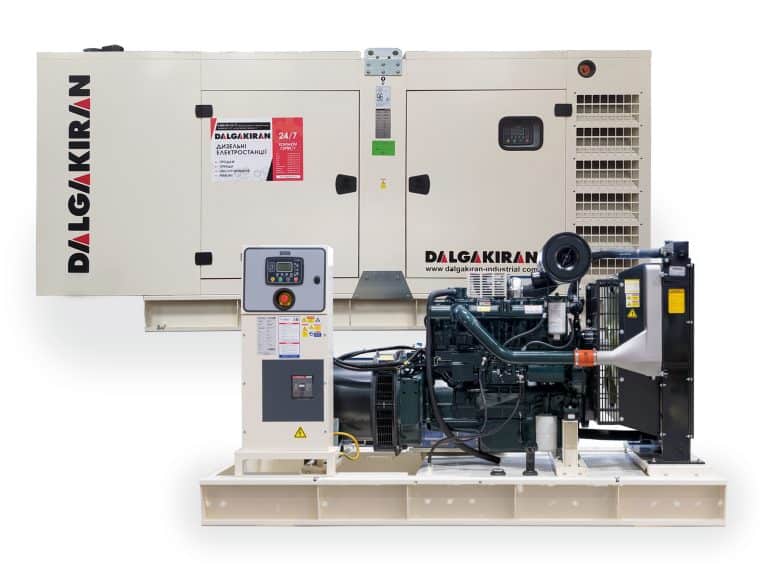
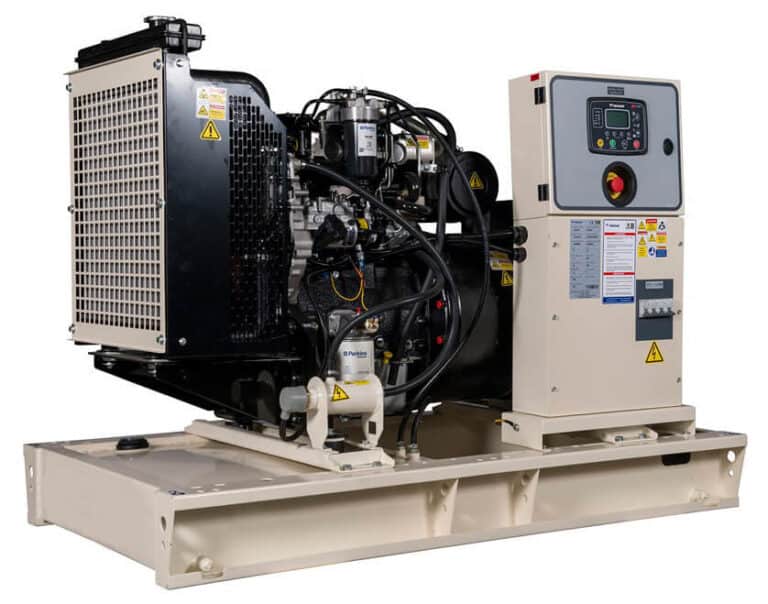 Unfortunately, the current environment in our country is extremely unstable. This is due to many factors, including the full-scale invasion and constant attacks on the energy infrastructure. These are the factors that cause systematic blackouts. The vagaries of nature and power grid accidents add to the problems. Thus, educational institutions, research centers, and household users need an uninterruptible power supply. This need is especially acute for medical institutions.
Uninterrupted power supply for critical systems
When the central grid fails to provide electricity to critical city life systems, the problem is solved by installing a diesel generator. There are many important institutions in the country that require a continuous supply of electricity. For example, medical institutions are the first to worry about the availability of electricity 24/7. It is vital for them.
A diesel generator is a machine that runs on diesel fuel. After starting the internal combustion engine, the crankshaft transmits torque to the generator shaft, which produces direct current. Through a complex system of conversions, it is converted into alternating current, which is available in the centralized grid.
Power requirements for generators
 The rated power of a diesel generator is determined depending on the needs of a particular institution (for example, a medical one). At the moment, there are many types of generators on the market, but one of the most important parameters to pay attention to is power. You can find a diesel generator that can produce from 10 to 2500 kW per hour.
For example, if a hospital in a small town needs up to 30 kilowatts per hour, it is recommended to purchase a diesel generator of this capacity – 30 kW. However, experts insist that the device should have a certain power reserve. Thus, it is worth installing a 35-40 kilowatt generator so that the power plant is not overloaded at peak load times.
Automatic startup and power switching
In order for a diesel generator to automatically turn on immediately after a power outage, equipment is installed in the electrical panel of a facility that performs this operation without human intervention. This or that equipment has its own characteristics.
An automatic backup power transfer switch or ATS is exactly the kind of equipment that allows you to start a generator in a split second for further use of electricity.
However, there are devices that can be used to switch the power supply manually. These are three-position switches with 3 modes:
- Power supply from the mains.
- The power is off.
- Power supply from the reserve.
Such systems make it easier to use the generator.
Long battery life
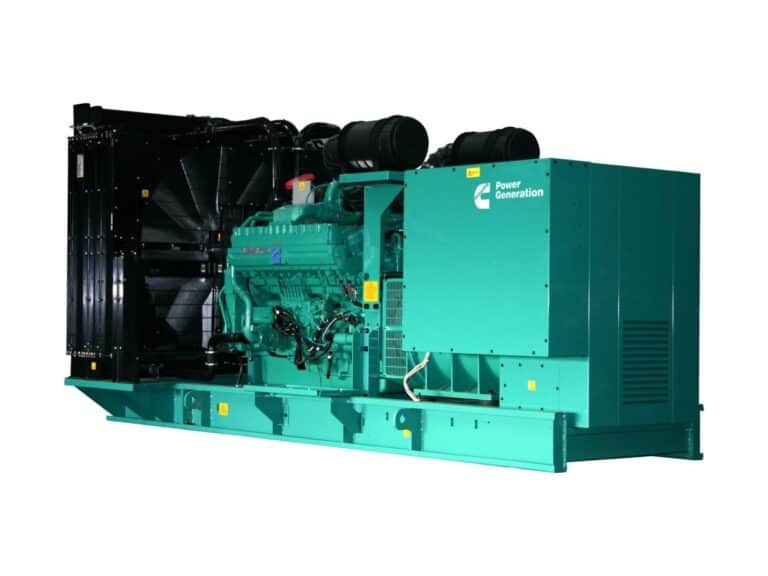 A diesel generator can be equipped with a synchronous or asynchronous motor, air or liquid cooling system. Thanks to such solutions, the device can operate for more or less time, while consuming different amounts of fuel. It all depends on the load on the generator and its rated power.
For example, the most common models on the market can operate on a single refueling for about 8-10 hours. After that, the equipment must be stopped to fill up a new portion of diesel fuel. There are also generators that support continuous operation for 1-2 days. The most important feature of such devices is that refueling can be performed even without stopping the internal combustion engine, without interrupting the process when electricity is used by consumers.
You can find out the exact amount of fuel that a particular diesel generator requires in the instructions that come with the equipment from the manufacturer. There is an invariable rule: the more power, the more fuel is consumed per 1 hour of operation.
For a medical institution, you can calculate in advance which system will be the best for it, so that when the grid goes out, you can turn on the generator in time and not worry about powering various devices.
It is also worth recalling that regardless of the power and cost of a diesel generator, the equipment needs timely maintenance (checking electrical wiring, changing oil, diagnosing moving parts, etc.). A delay can lead to the following consequences:
- Sudden shutdown of the generator at important moments of the hospital’s operation.
- Incorrect operation of the generating unit (power is below the rated capacity).
- Fire outbreak.
To avoid these and many other problems, it is worth entrusting the purchase and installation of a diesel generator in a hospital to qualified specialists who can also perform effective repairs.