0800 30 13 77
 0800 30 13 77
 En
En

 Back
BackEquipment for the production of paper cups and plates
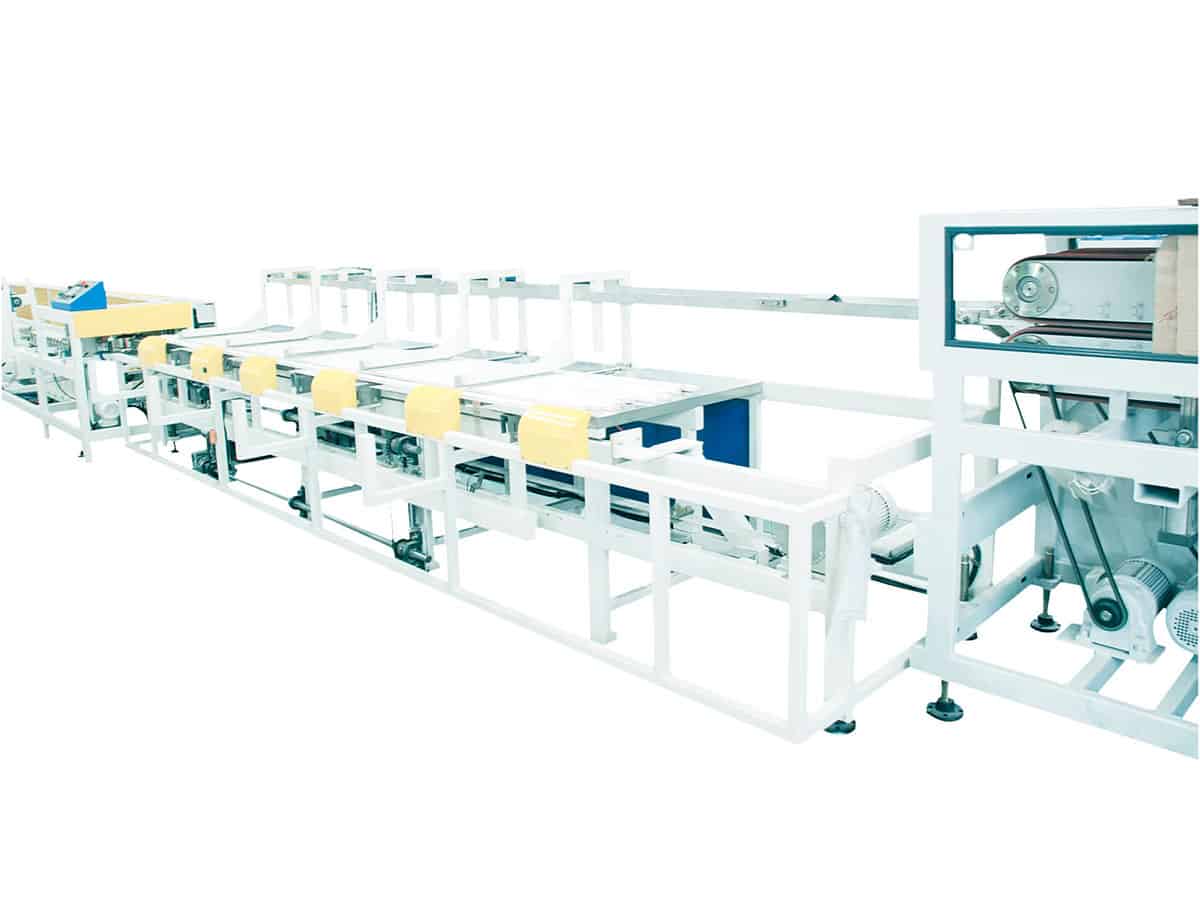
Paper tableware is made of paper and coated with a layer of wax or plastic to retain moisture. Food-grade paper tableware is hygienic and can store both hot and cold food for a long time. Let’s take a look at the range of equipment for the production of paper cups and plates: from the forming device to the press, drying and cutting sections.
Paper tableware production technology
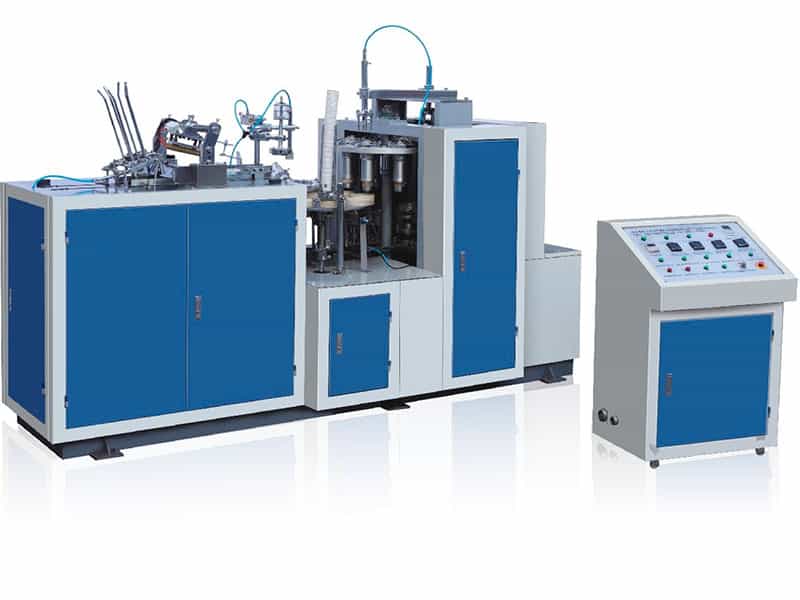
The equipment for the production of paper plates and cups consists of three main sections: a forming section, a pressing section and a drying section. Special paper with one-sided or two-sided PE lamination is used to make cups. The machines automatically form the container body from pre-prepared blanks. The seams are bonded by ultrasonic welding of the polymer layer of the laminated paper, after which the bottoms are sealed and the top and bottom edges of the cup are flattened.
Electric heating of blanks is used to produce paper tableware with a volume of 60-360 ml, while ultrasonic welding is used to create containers for cold and hot drinks with a volume of 60-480 ml.
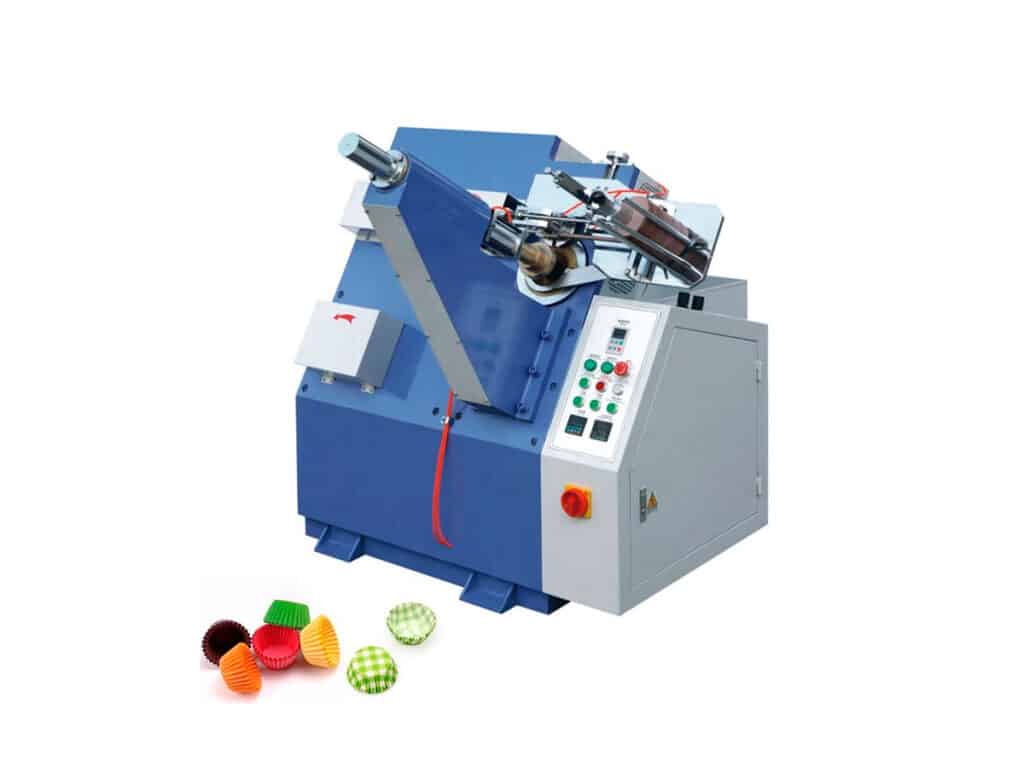
Equipment for the production of paper cups and plates
The paper tableware machines have a robust frame structure that minimizes vibrations and noise, ensuring optimal working conditions. All active elements of the machines are heat-treated and hardened, which extends the service life of the machine and improves the quality of its products. Most paper cup forming machines are based on programmable logic control (PLC) technology, which ensures accurate positioning of the workpieces in different sections of the machine, minimizes the percentage of rejects and increases the speed of production.
Advantages of modern paper cup and plate production machines:
- automatic full-cycle operation;
- sensor for monitoring the loading of workpieces into the molding section;
- Auto-stop function – in the event of a malfunction during the production process, the machine automatically shuts down.