0800 30 13 77
 0800 30 13 77
 En
En

 Back
BackComparison of gas and diesel generators: which is better for your company?
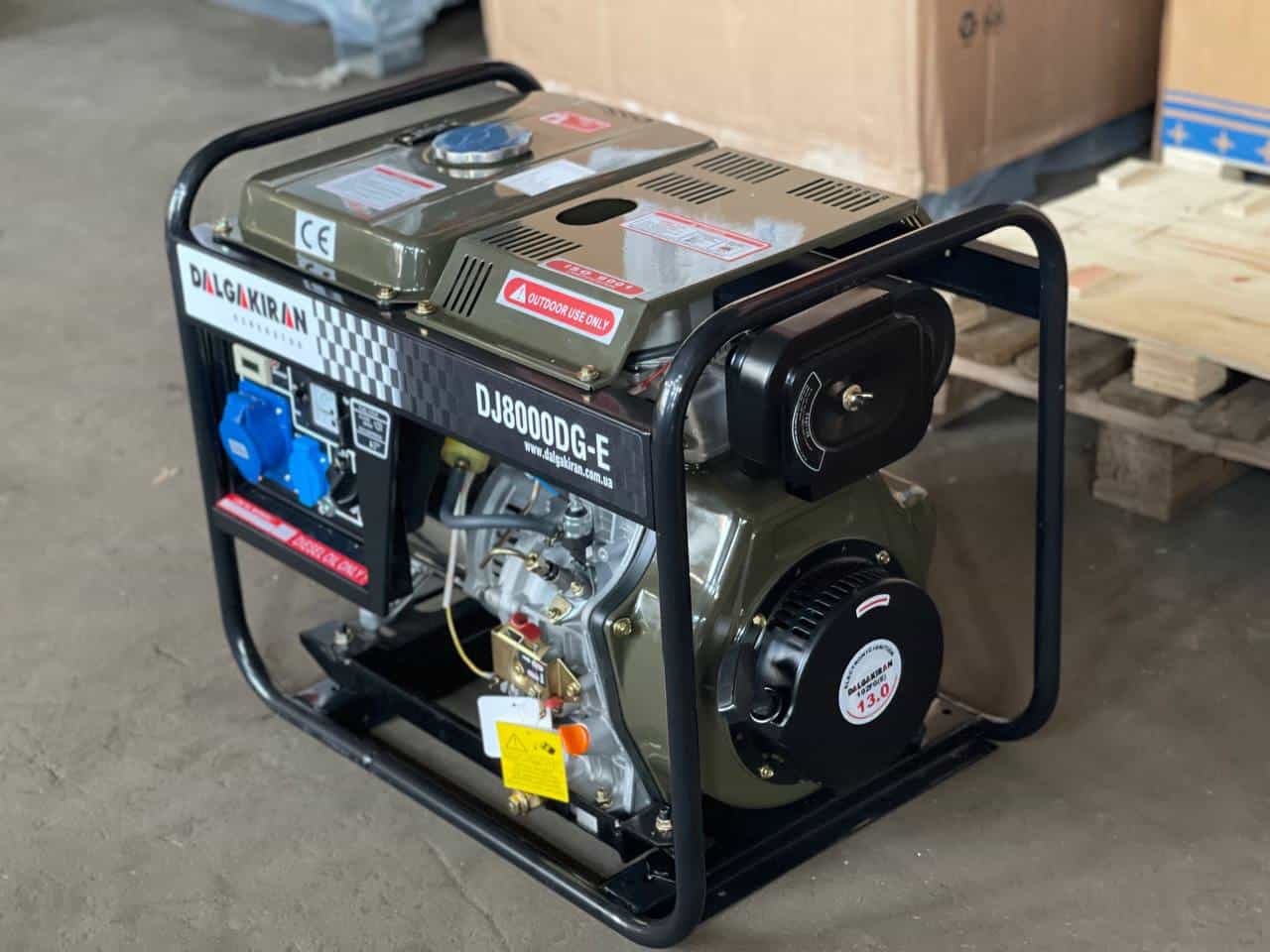
An uninterrupted power supply is critical to the success of any business. Choosing the right generator can be a decisive factor when it comes to ensuring that your equipment continues to operate during emergencies or interruptions in the centralized power supply. Among the most popular generator options today are gas and diesel models. This article will help you understand the advantages and disadvantages of each type so that you can make the most informed choice for your business.
Advantages and disadvantages of gas generators
Gas generators have numerous advantages that make them an excellent choice for both industrial production and households. Among them:
- Environmental friendliness. Gas generators produce fewer harmful emissions compared to diesel equipment, making them more environmentally friendly.
- Cost-effectiveness. The cost of natural gas is usually lower than that of diesel or gasoline, which helps to save on operating costs.
- Long-term operation. Gas generators can run for long periods of time without the need for frequent refueling, as natural gas can be supplied continuously through pipelines.
- Low noise level. Such equipment is usually quieter than diesel equipment, which can be an important factor for some businesses.
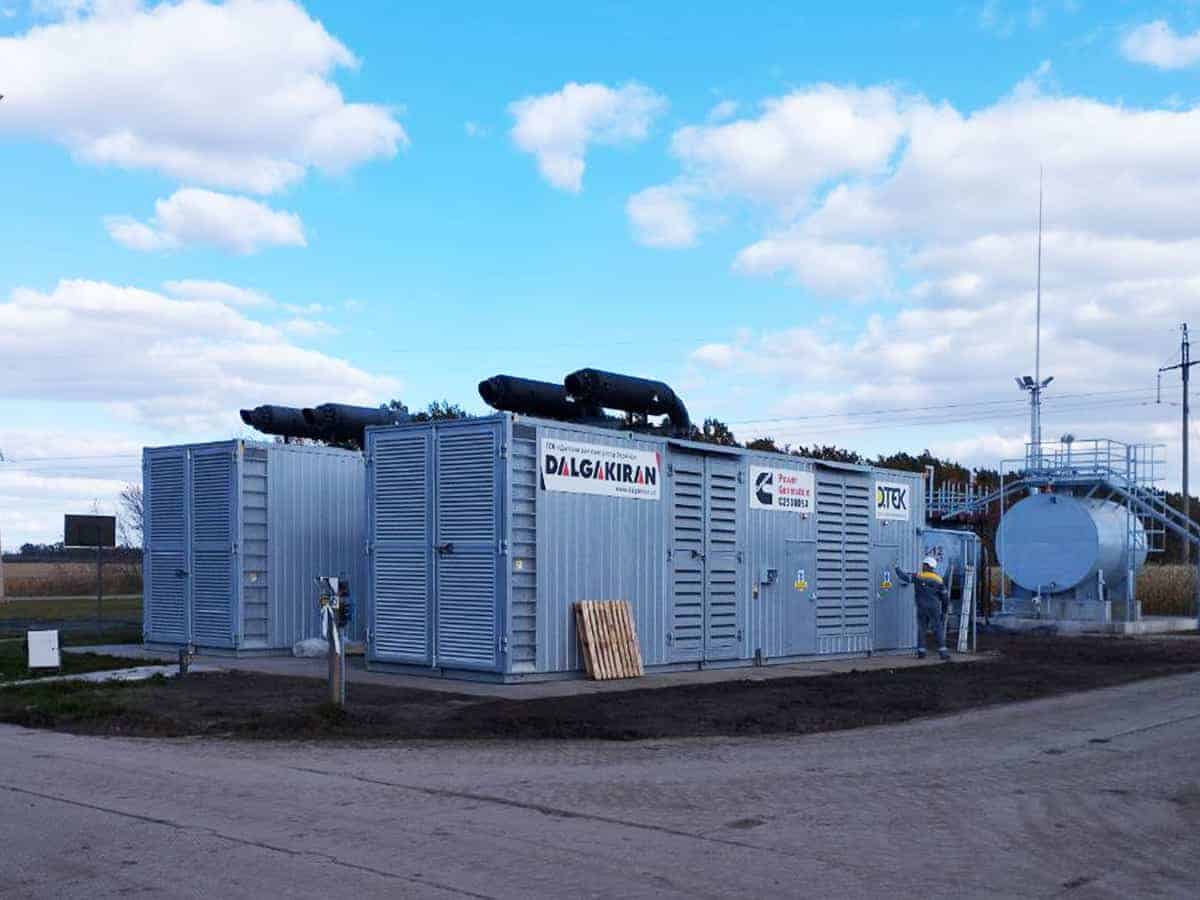
But there are also certain disadvantages of this equipment that you should pay attention to if you are considering purchasing it:
- High initial costs. The cost of installing equipment and connecting to the gas network can be high.
- Dependence on the gas network. If your company does not have access to the gas infrastructure, the use of this generator may not be possible or cost-effective.
- Maintenance. Gas generators may require more complex maintenance and skilled personnel to keep them running.
Considering these factors will help you make the right choice for your business.
Advantages and disadvantages of diesel generators
Are diesel generators better than gas generators? Let’s analyze their advantages:
- High power. Diesel generators usually have a higher output and can provide power to large enterprises.
- Reliability. This equipment is usually more reliable and lasts longer, making it a popular choice for some industries.
- Ease of use. Diesel generators are easy to refuel, and diesel is available wherever there are gas stations.
It would seem that these advantages are quite significant, but they are significantly offset by the disadvantages of this equipment:
- Environmental issues. Diesel generators produce more harmful emissions, which has a negative impact on the environment. Recently, this has been increasingly monitored by the relevant authorities, so at a certain scale of production, problems may arise with the use of this equipment.
- High operating costs. The cost of diesel fuel is usually higher than natural gas and only slightly lower than gasoline, resulting in higher operating costs.
- Noise. Diesel generators tend to be louder, which can be a problem for businesses located near residential areas.
In addition, it is worth remembering that this equipment is not connected to a gas pipeline, so the fuel must be stored in special tanks, which may require additional costs and space. There are legal requirements for fuel storage: business entities must obtain licenses for the right to store fuel for each storage site (Article 17 of the Law “On State Regulation of Production and Turnover of Ethyl Alcohol, Cognac and Fruit Alcohol, Alcoholic Beverages, Tobacco Products and Fuel).
Comparison of gas and diesel generators
When choosing between a gas or diesel generator, it is important to consider your business needs, budget, and availability of resources. Below is a comparative table of the main characteristics of both types of generators:
|
Characteristics |
Gas generators |
Diesel generators |
|
Environmental friendliness |
High |
Low |
|
Initial costs |
High |
Moderate |
|
Operating costs |
Low |
High |
|
Power |
Medium |
High |
|
Noise level |
Low |
High |
|
Fuel availability |
Depends on the availability of a gas pipeline |
High |
|
Duration of work |
Long-term |
Long-term |
|
Maintenance |
More complicated |
Simple. |
What type of generator is better to choose for an enterprise?
The choice between a gas or diesel generator depends on the specific needs of your business and its operating conditions. Here are some tips to help you make the right decision:
- Needs analysis. Determine what energy needs your business has. If you need high power and reliability, a diesel generator may be the best choice. If environmental friendliness and efficiency are important, a gas model is worth considering.
- Budget. Consider your budget not only for initial costs, but also for long-term operating costs.
- Availability of resources. Check the availability of natural gas or diesel in your area. This can have a significant impact on your choice.
- Maintenance. Assess how difficult it will be to maintain the equipment and whether you have access to qualified personnel.
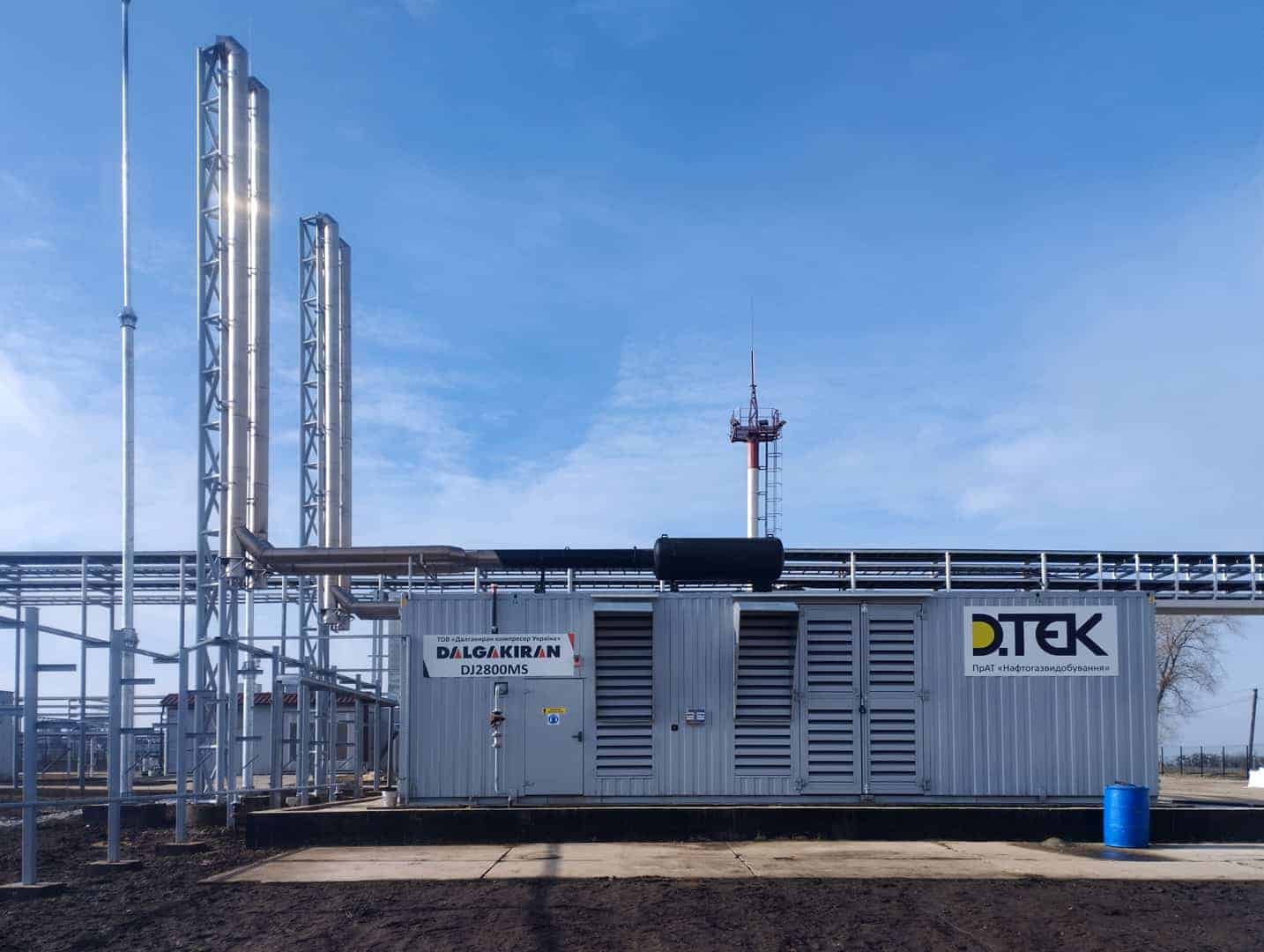
Both types of generators have their advantages and disadvantages, so the choice between them depends on the specific needs of your company, as is often the case with various industrial equipment. Only a careful analysis of the equipment’s operating conditions will help you make the right choice and ensure a reliable power supply for your company for many years to come.