0800 30 13 77
 0800 30 13 77
 En
En

 Back
BackCAST of the stretch film production line
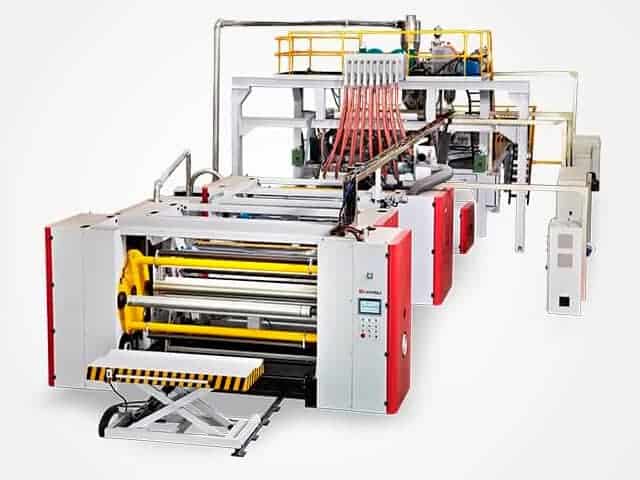
Lines for the production of multilayer stretch film used in both automatic packaging and food packaging.
What is stretch film?
Stretch film is a packaging material that is almost 100% made from a polymeric raw material called linear low-density polyethylene (LLDPE). The most important features of stretch film are flexibility, thermoplasticity, waxiness, and transparency. Its production process requires the use of special lines that include a range of equipment for various purposes.
Stretch film is used for packaging and protecting foodstuffs, bulk goods on pallets and large-sized products of any kind. Due to its low thickness and high strength, it is the most cost-effective way to pack products.
Stretch film production lines
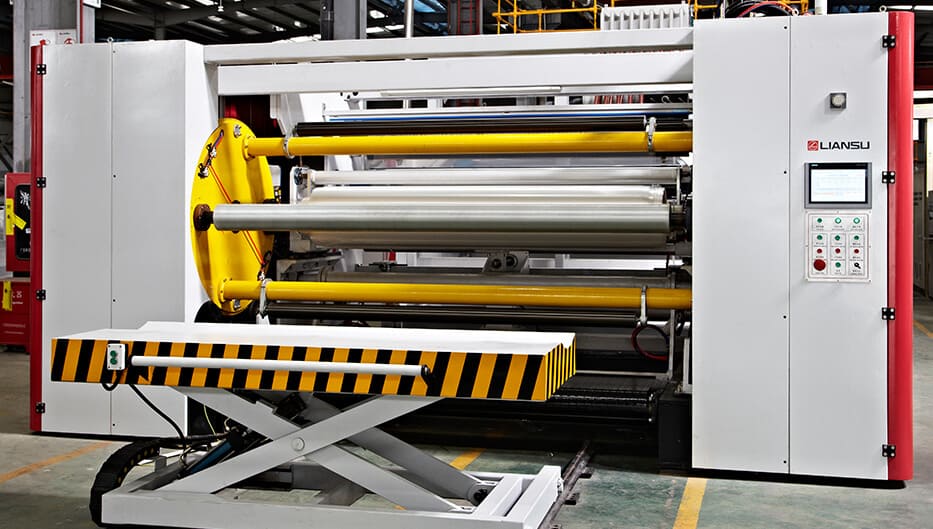
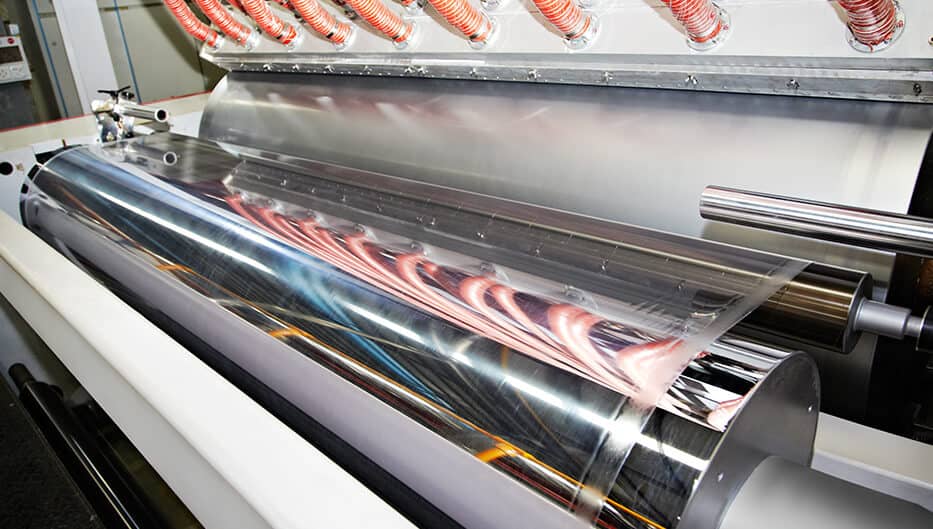
Polyethylene stretch film with a single or double-sided adhesive layer is produced on extrusion lines in accordance with the required parameters of the finished product. Polymeric raw materials used for production are LDPE, HDPE, LLDPE, PA, EVA, PP. Single-layer or multilayer stretch film is characterized by high tensile strength, resistance to temperature and mechanical stress. The standard film thickness is from 0.015 mm to 0.050 mm, depending on the application.
The stretch film production lines are characterized by high production efficiency, which is ensured by a modern inverter-based control system and fully automated control of the set temperature. The use of high-quality materials for the plasticizing system guarantees optimal material homogenization and mechanical strength of the extruder. This makes it possible to use even low-quality recycled material without reducing production efficiency or adversely affecting the mechanical components of the extrusion line.
Modern stretch film production lines make it possible to produce high-quality material using up to 100% recycled material. Additional components of the polymer mixture can be dosed in liquid and granular form. The lines are equipped with a system for cleaning rollers and reusing the cutting edge of the material, automatic adjustment of the film winder thickness and other elements that increase production efficiency and reduce the cost of the finished product.