0800 30 13 77
 0800 30 13 77
 En
En

 Back
BackWhat is a generator (power plant)?
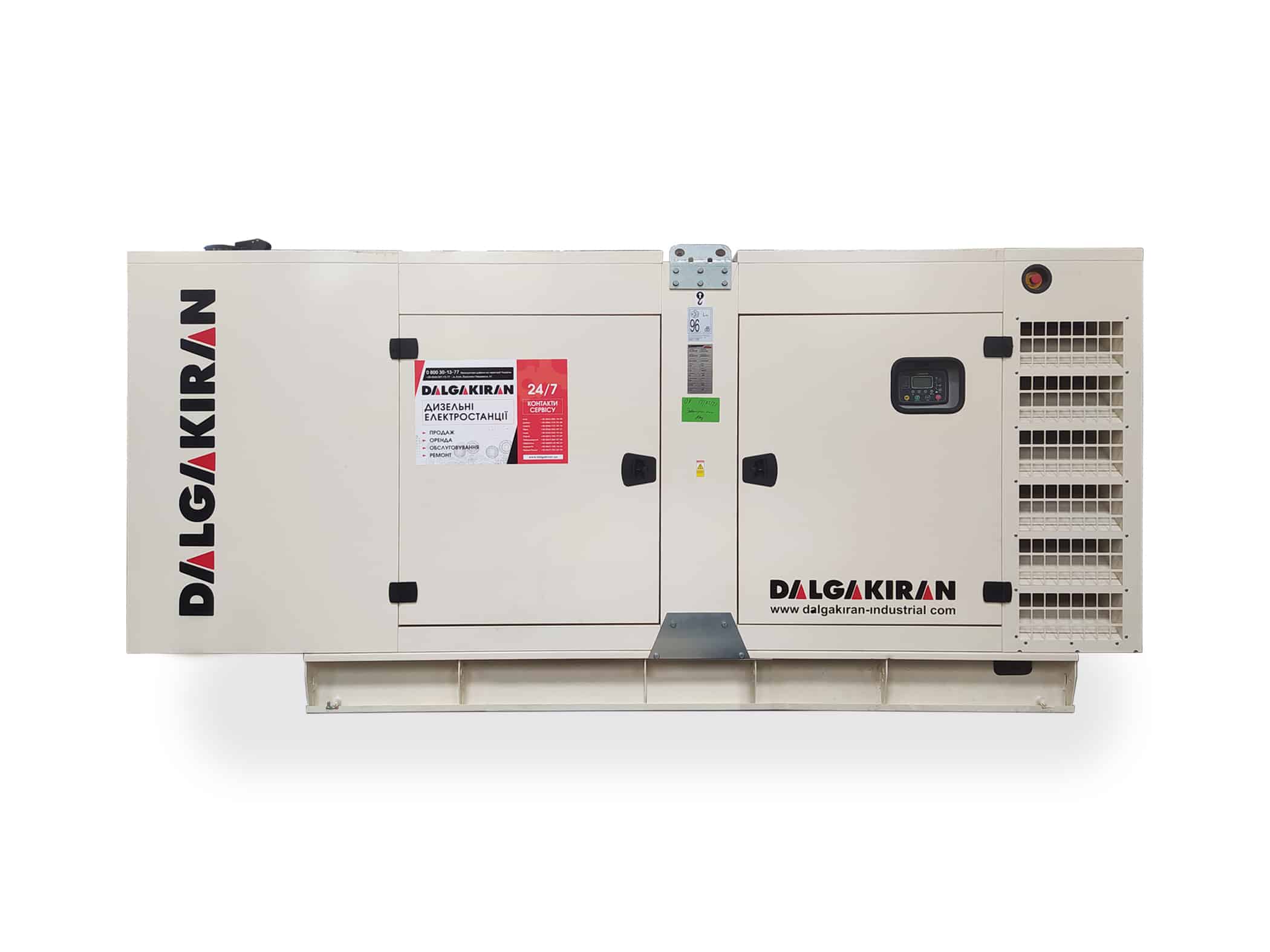
When you need backup power or a constant supply of energy without being tied to the grid, generator equipment comes to the fore. That’s why we’re going to tell you what a generator is, how a power plant works, and what types of generators there are. It is appropriate to use generator equipment at home and in businesses, so we will explain how to choose a solution for specific tasks.
What is an electric current generator
An electric current generator is a device that converts mechanical energy into an electric current. In everyday life, they are often referred to as a “power plant”. The definition of a generator is that it is a source of electricity that operates independently of the city grid and can provide backup or continuous power. Such use is required where downtime of various equipment is unacceptable.
How the generator works
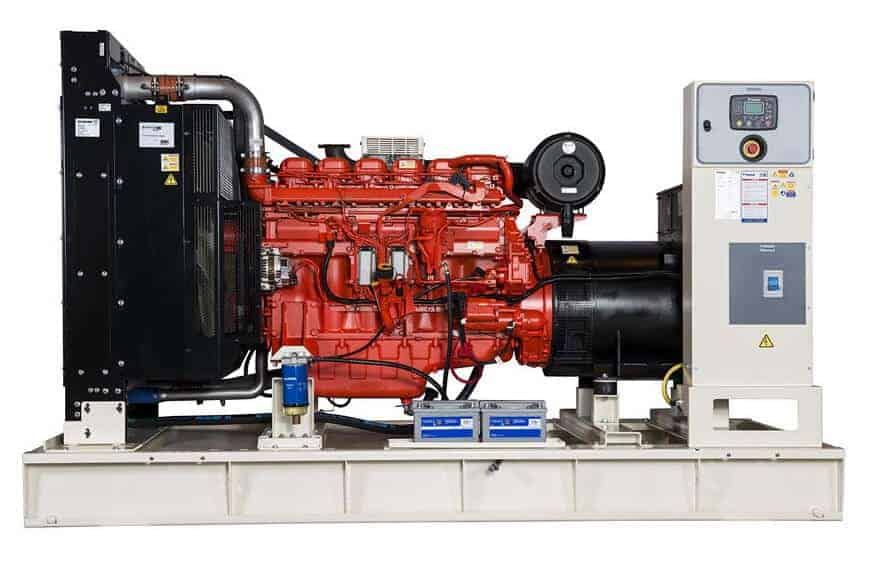
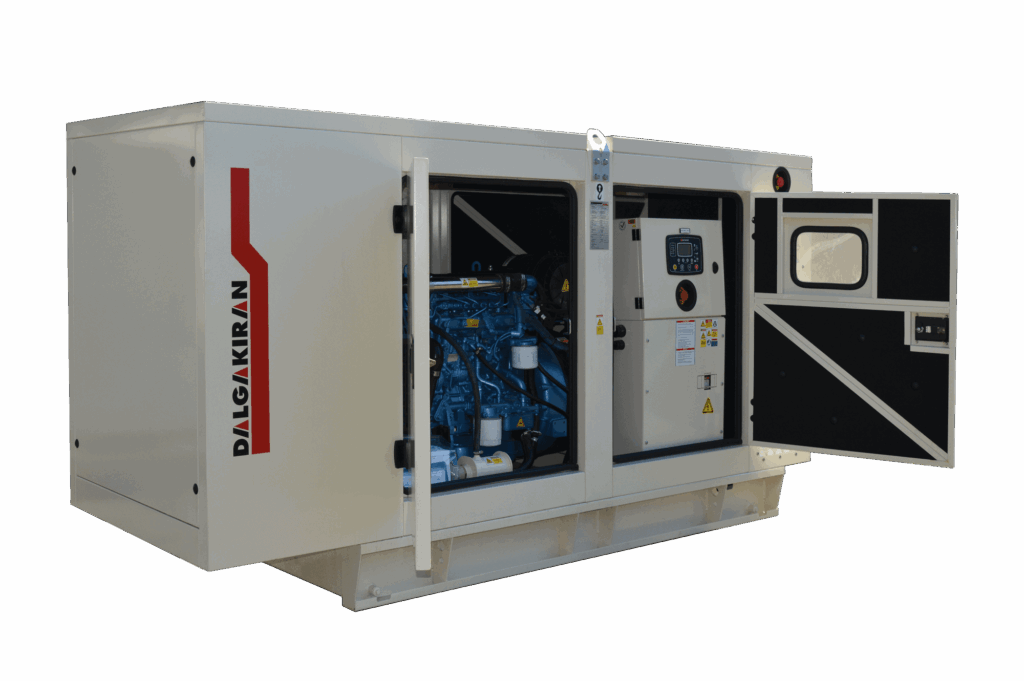
The basic design is similar in most models, only the details differ. Let’s consider the key components and their purpose:
- An internal combustion engine (ICE) or turbine drives the shaft;
- The alternator converts mechanics into an electrical signal;
- sensors monitor voltage, frequency, and alarms; modern models have an indication on the control panel;
- The fuel tank can have a different volume;
- the starter starts the engine, it can be manual or electric;
- The cooling system supports operation under load;
- there are outputs for connecting consumers – sockets, terminals, USB ports;
- The frame/noise protection and automatic reserve input simplify installation.
Together, these components form a stable source of electricity for various facilities.
The principle of operation of the electric generator
When a conductor moves in a magnetic field, a voltage is generated – this is the law of electromagnetic induction. The engine turns the rotor, the stator generates an electrical signal of the desired frequency, and the controller keeps the parameters constant. It works like this:
- You turn on the unit and set the operating mode.
- The engine reaches the required speed, and the alternator generates voltage and frequency.
- The automation keeps the power within the limits required by the connected consumers.
- If necessary, the ATS switches the building to the backup and returns it to the grid after restoration.
This makes it easy to use even in small facilities without their own power supply.
The main types of generators
For a practical choice, people usually look at fuel and control electronics. Let’s talk in more detail about the three most commonly chosen types.
Diesel generators
Diesel-powered internal combustion engines are the standard for long-lasting operation and high power. Such systems are installed in factories, shopping centers, hospitals, etc. You can get acquainted with real models by looking at industrial diesel generators in our catalog. The main advantages of diesel generators include:
- economical fuel consumption and resource for many hours of shifts;
- stable voltage under heavy load;
- power scaling (parallel operation of several units);
- are appropriate for critical infrastructure and construction sites.
When you need a “long-term” backup or basic power supply, a diesel generator is the right choice.
Gas generators
Gas generators are fueled by natural or liquefied gas. The advantage is lower noise and emissions, as well as stability in urban environments. Detailed examples can be found in our selection of gas generators.
Gas is appropriate where there is already a connection or cleaner operation is important. In long cycles, the difference in service and fuel costs has a significant impact on the budget.
Inverter generators
An inverter generator is a portable unit in which a motor generates alternating current and an electronic unit converts it into a “pure” sine wave of 220 V, 50 Hz. This output is safe for sensitive electronics: laptops, boilers, pumps, control systems, chargers, etc.
It is usually quieter and more economical, but has less power. Therefore, it is suitable for field work, camping, or as a home backup for electronics equipment. If you need to power powerful equipment (for example, welding machines or powerful compressors), it is better to consider diesel or gas models.
Where generators are used
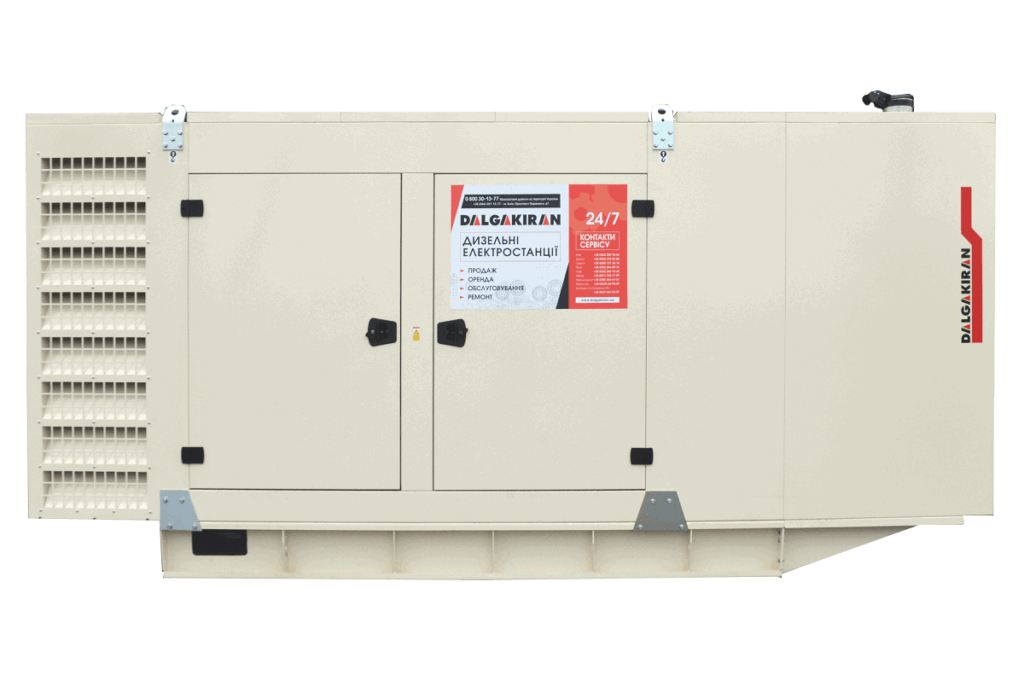
Generators are used everywhere – from small facilities to large enterprises. The most typical areas of their use:
- private houses, cottages, shops and offices;
- medical facilities, data centers, and continuous production;
- construction, agriculture, logistics, Telecom;
- field work, work with a smart home.
In each case, the type and type of load, the required power and the required voltage are selected.
A power plant is an autonomous set that converts mechanics into an electrical resource and works as a source of electricity where there is a lack of grid power. Diesel generators are more often chosen for industrial facilities, gas generators for urban areas, and inverter generators for mobile tasks. Before buying, check the model’s design, operating types of loads, required power and voltage parameters – this will simplify further use and help you correctly determine the areas of application.