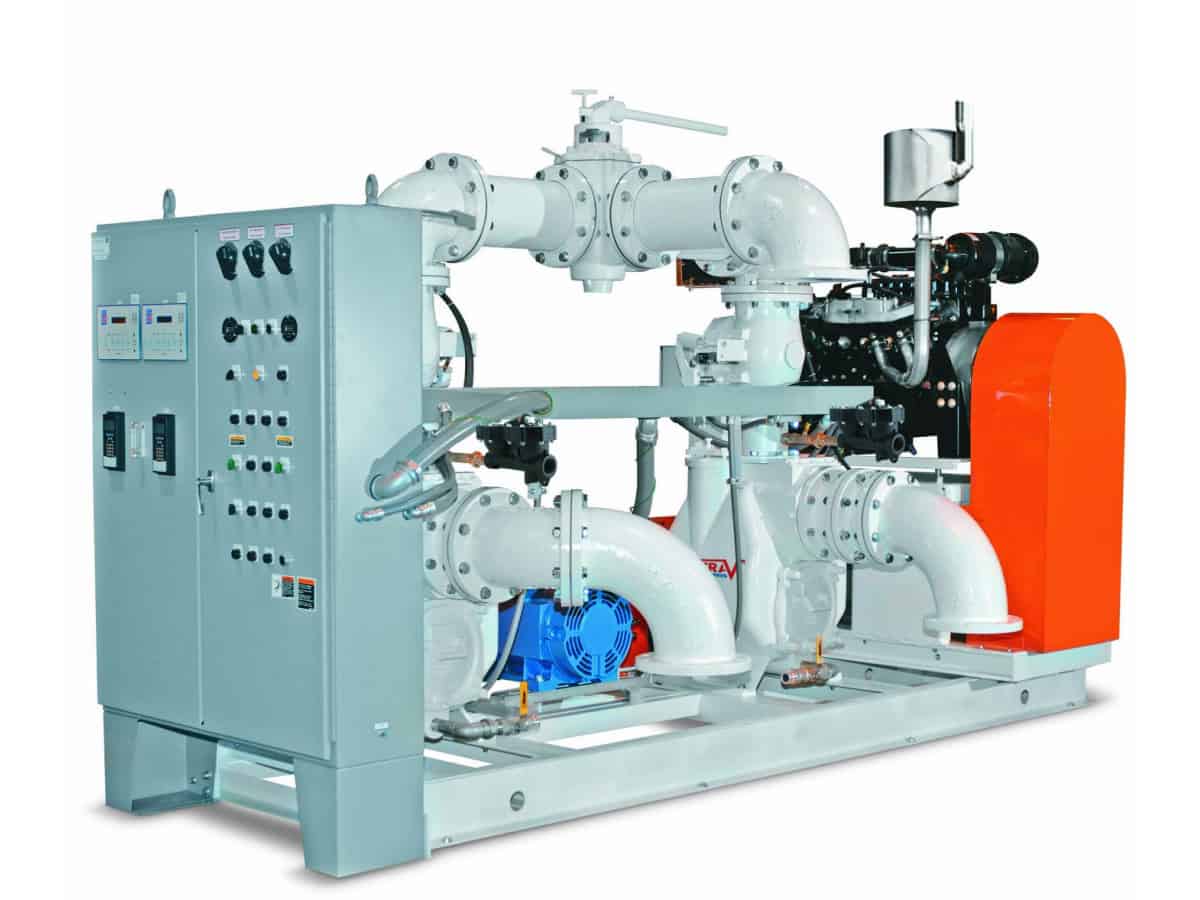
Beverage production and brewing are sectors where technological precision has a direct impact on what ends up in the consumer’s glass. Pumping equipment in these sectors operates round the clock and influences the taste, consistency and safety of every batch of product. In this article, we will examine the types of pumps used in production, what distinguishes modern technology from outdated equipment, and how to make the right choice for your business.
The role of pumping equipment in beverage production and brewing
Any beverage production plant is a complex system of interlinked processes. Raw materials, semi-finished products and finished goods are constantly moved between tanks, filters, heat exchangers and filling lines. It is the pumping systems that ensure the continuity of this flow.
In brewing, pumps are involved at every stage: during wort transfer, yeast transfer, filtration and carbonation. Any failure in a pump’s operation can halt the entire production cycle, resulting in losses of raw materials, time and money. That is why brewing equipment is selected with particular care — the outcome of the entire process depends on the quality of every component.
“In beverage production, there are no minor details. Even a single incorrectly selected pump can affect the taste and microbiological purity of a batch,” experts point out.
How correctly selected pumps affect the taste and consistency of the product
The flavour of a beverage is determined not only by the recipe, but also by the conditions under which it is produced. Excessive aeration during pumping leads to oxidation of the product and a change in its flavour profile. Excessive pressure can damage the structure of the yeast or destroy the delicate aromas of the hops.
To avoid this, pumps for the food and brewing industries must meet strict requirements. Here’s what to look out for when choosing:
The pump must not exert excessive pressure on the liquid — this is particularly critical when working with ‘live’ beer and unfiltered beverages.
The flow rate must be adjustable smoothly, without sudden surges, so as not to disrupt the product’s structure.
Internal surfaces must be polished to a finish of Ra ≤ 0.8 µm — this prevents the build-up of bacteria and simplifies sanitisation.
The design must withstand frequent thermal cycles, as brewing equipment undergoes regular hot washing and sterilisation.
The consistency of the finished product from batch to batch is the result of strict adherence to process parameters. Pumps with adjustable flow rates and built-in pressure sensors enable these parameters to be maintained at a constant level.
Main types of pumps for transferring beverages and beer concentrates
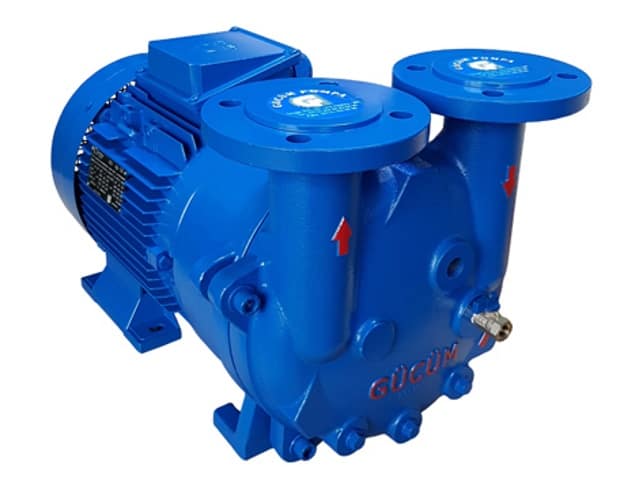
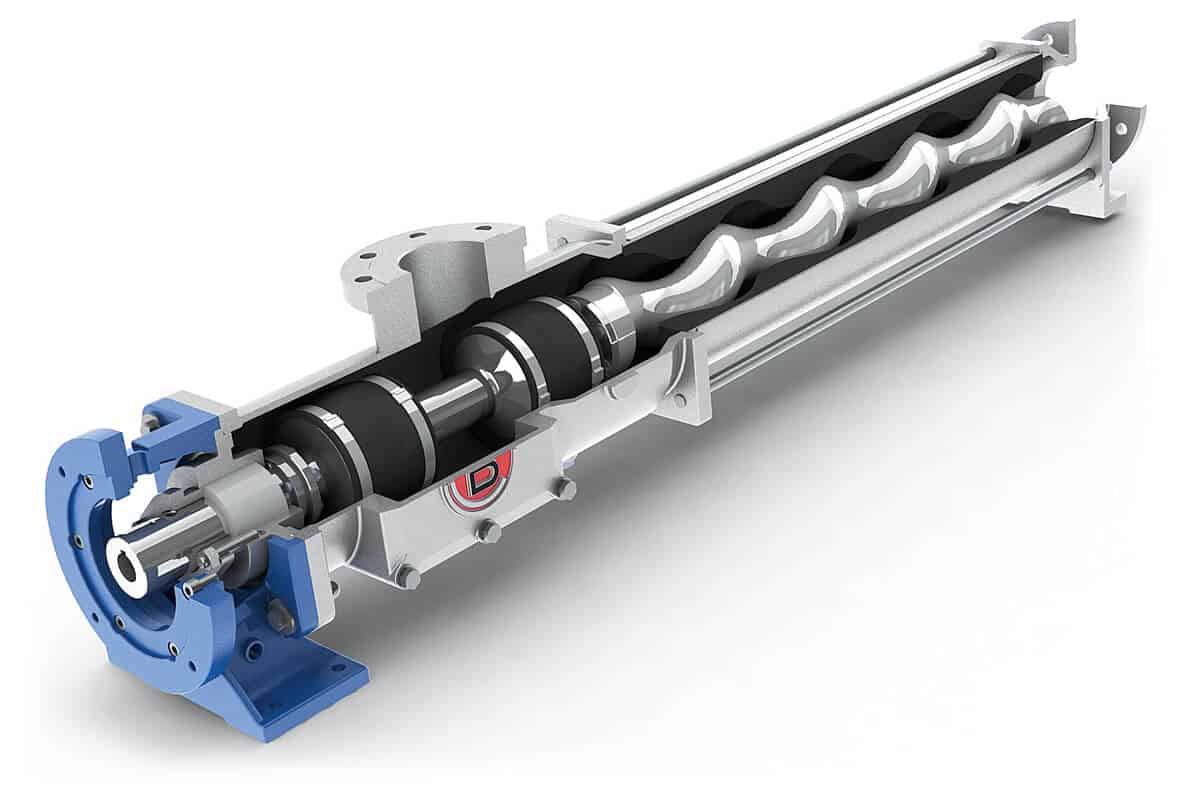
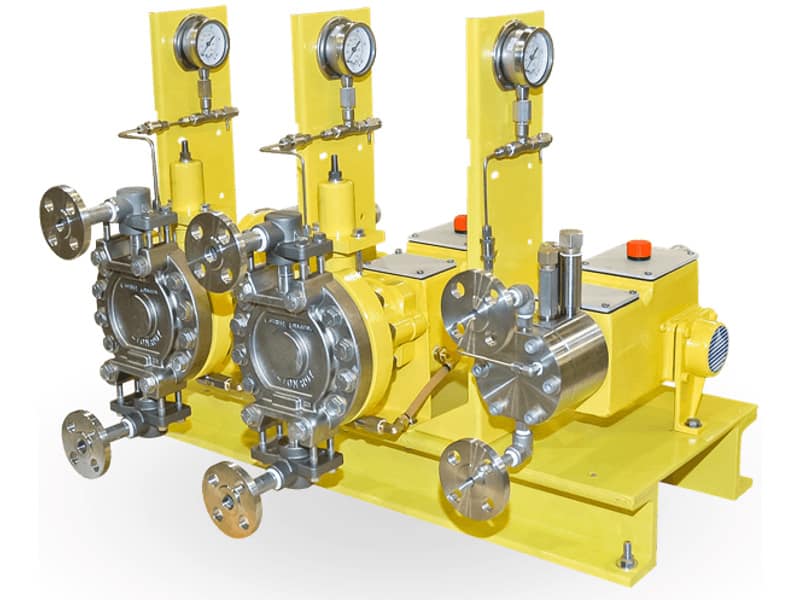
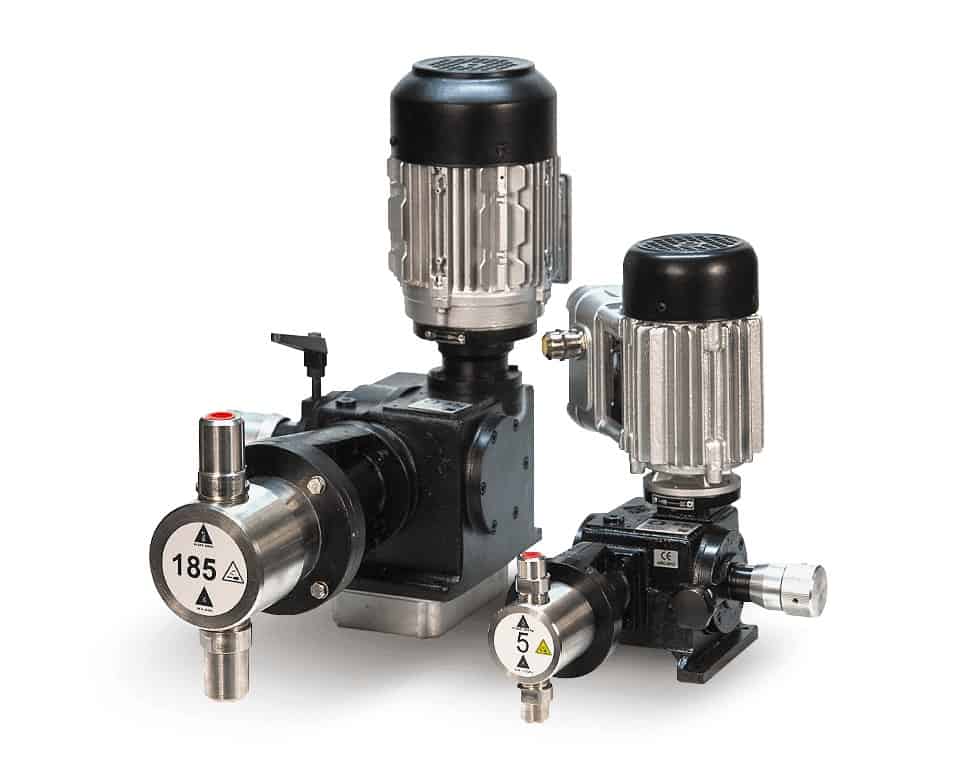
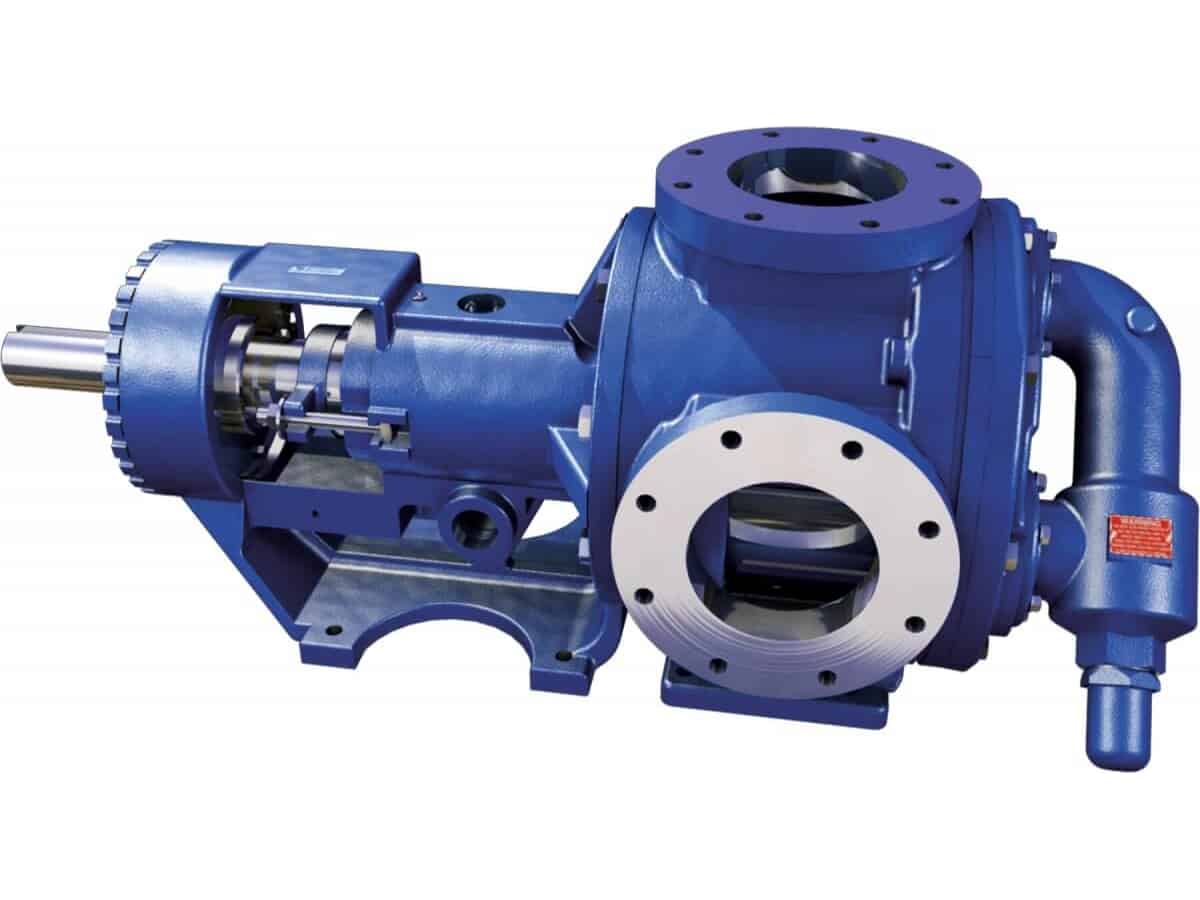
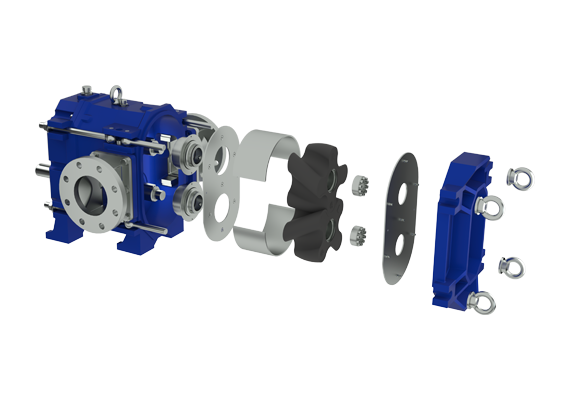
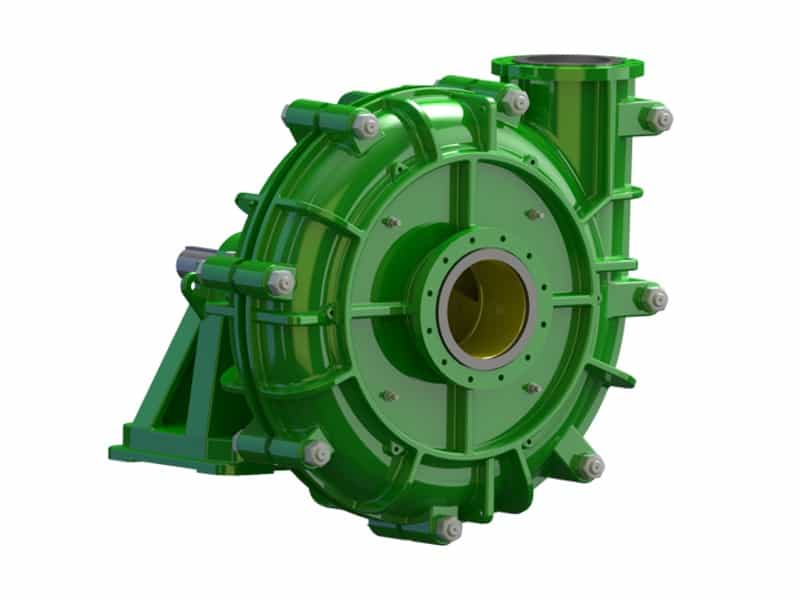
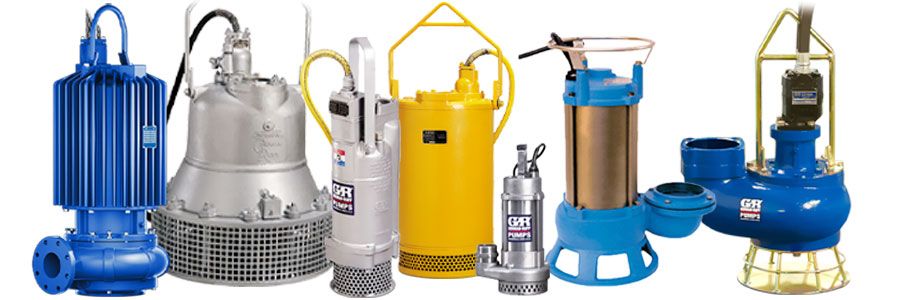
In the beverage and brewing industries, there is no single universal pump that can handle all liquids equally well. Hop concentrate, live yeast, carbonated drinks and ordinary process water are fundamentally different media with varying viscosities, temperatures and sensitivities to mechanical stress. Therefore, different equipment is used at each stage of production.
To better understand which solution is suitable for a specific task, it is helpful to compare the main types of pumps:
Pump type
What it pumps
Suitable for
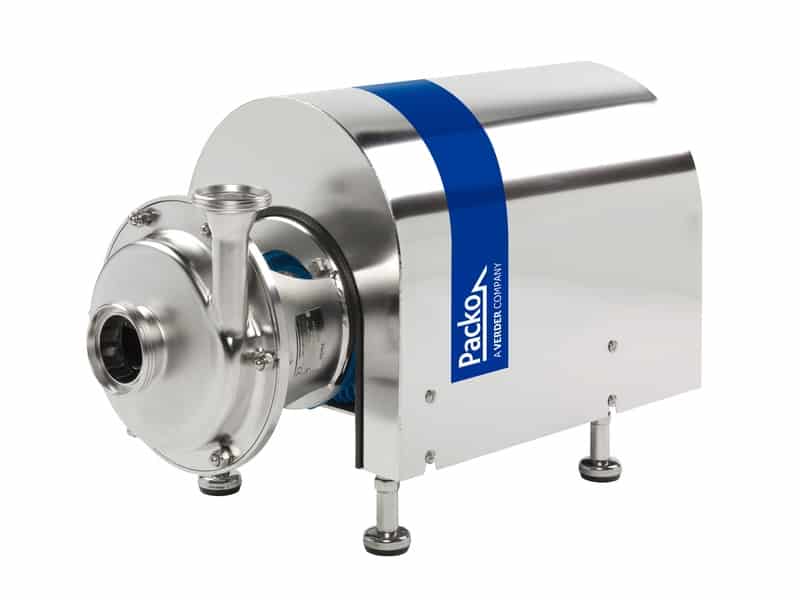
Centrifugal food-grade
Wort, water, light beer, whey
High throughput, complies with food standards
Peristaltic
Yeast suspension, concentrate, pastes
The product does not come into contact with the mechanism; precise feeding
The choice of a specific type depends on the stage at which it will be used and the product it will be handling. In a large brewery, it is not uncommon to operate three or four different types of pumps simultaneously — each in its own section of the production line.
Advantages of modern pumping equipment for breweries
Modern industrial pumping equipment differs significantly from that manufactured 10–15 years ago. New technologies make it possible to produce pumps that are more efficient, more reliable and easier to maintain.
Breweries that upgrade their equipment in a timely manner gain a number of tangible benefits. Let’s look at the most important ones:
A 20–30% reduction in energy consumption thanks to variable frequency drives and optimised hydraulic characteristics.
Extended service intervals — modern seal and bearing materials can withstand significantly higher loads.
Integration with SCADA systems and the ability to monitor equipment remotely in real time.
Quick replacement of wear parts without halting the entire production line.
By switching to modern pumps, a business can significantly reduce maintenance costs and minimise unplanned downtime. This has a direct impact on production profitability and the ability to fulfil orders on time.
Why you should buy pumping equipment for the drinks and brewing industries from Dalgakiran
Dalgakiran has been operating in the Ukrainian market since 2005 and offers tried-and-tested industrial pumps from international manufacturers — Packo, Salvatore Robuschi, Depa — for every stage of beverage and brewing production. Every business receives expert advice, warranty service and support from service engineers. For breweries where the reliability of equipment is paramount, Dalgakiran is a trusted partner that will never let you down!
Need a consultation?
Fill out the form and we will call you.
Your region
Request a call
Thank you, your request has been sent. A manager will contact you shortly.
 0800 30 13 77
 0800 30 13 77
 En
En