The correct selection of pumping systems determines not only the productivity of the production line but also the quality of the finished product. In this article, we will look at the types of pumps used in the dairy industry, why their selection is so important, and what to look out for when purchasing. You will then find practical recommendations to help you choose the right equipment for your production facility.
Why pumping equipment is critical for the dairy industry
The dairy industry operates under strict technological standards. Milk is a product that requires special handling: any deviation from the required temperature, pressure or transport conditions within the facility can lead to a reduction in quality or spoilage of the raw material.
Pumping systems ensure the continuity of the production cycle — from the receipt of raw materials to the bottling of the finished product. Without reliable equipment for pumping liquids, it is impossible to maintain a stable production flow. Even brief pump failures lead to downtime, loss of raw materials and additional costs.
How the choice of pumps affects the quality, safety and hygiene of dairy products
The food sector imposes specific, and in some cases very stringent, requirements on equipment. Pumps that come into contact with raw milk must comply with hygiene standards and must not affect the composition of the product.
Among the most common requirements for pumps in the food industry, the following are worth highlighting:
Materials in contact with the product must be made of AISI 316L stainless steel or food-grade polymer.
The design must allow for quick disassembly for cleaning and disinfection (CIP/SIP compatibility).
Seals and gaskets must be made from materials approved for contact with food liquids.
The pump must not exert excessive mechanical stress on the product — this is extremely important when handling delicate textures.
Product safety begins with the correct choice of industrial equipment. Failure to comply with hygiene standards is a direct route to fines and product recalls.
Types of pumping equipment for transferring milk and milk-based mixtures
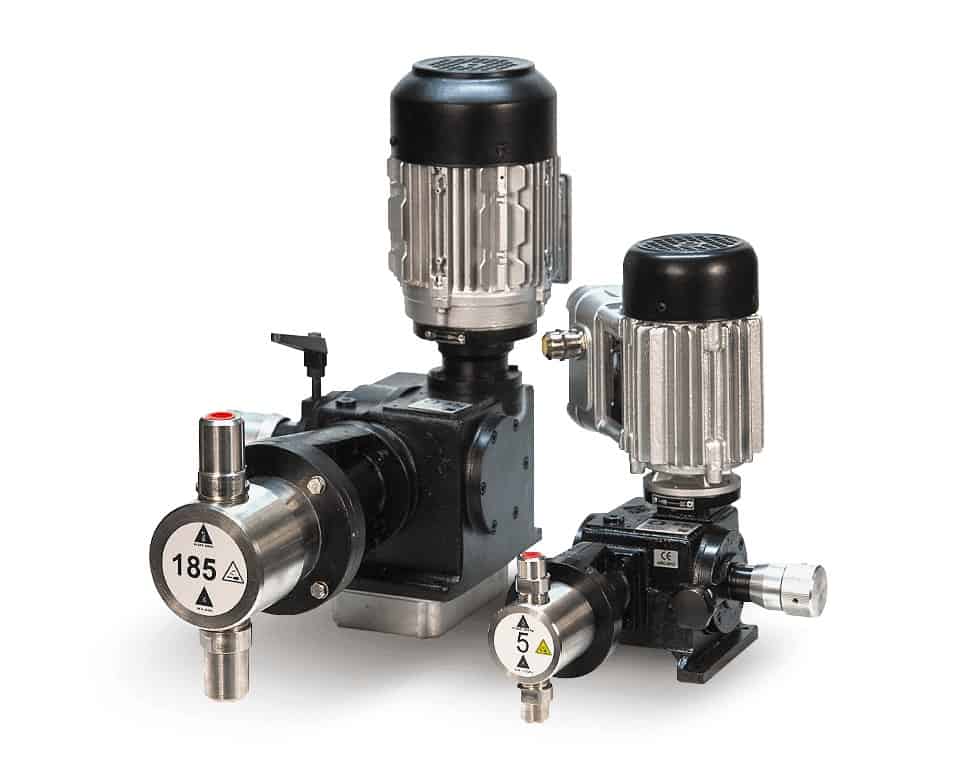
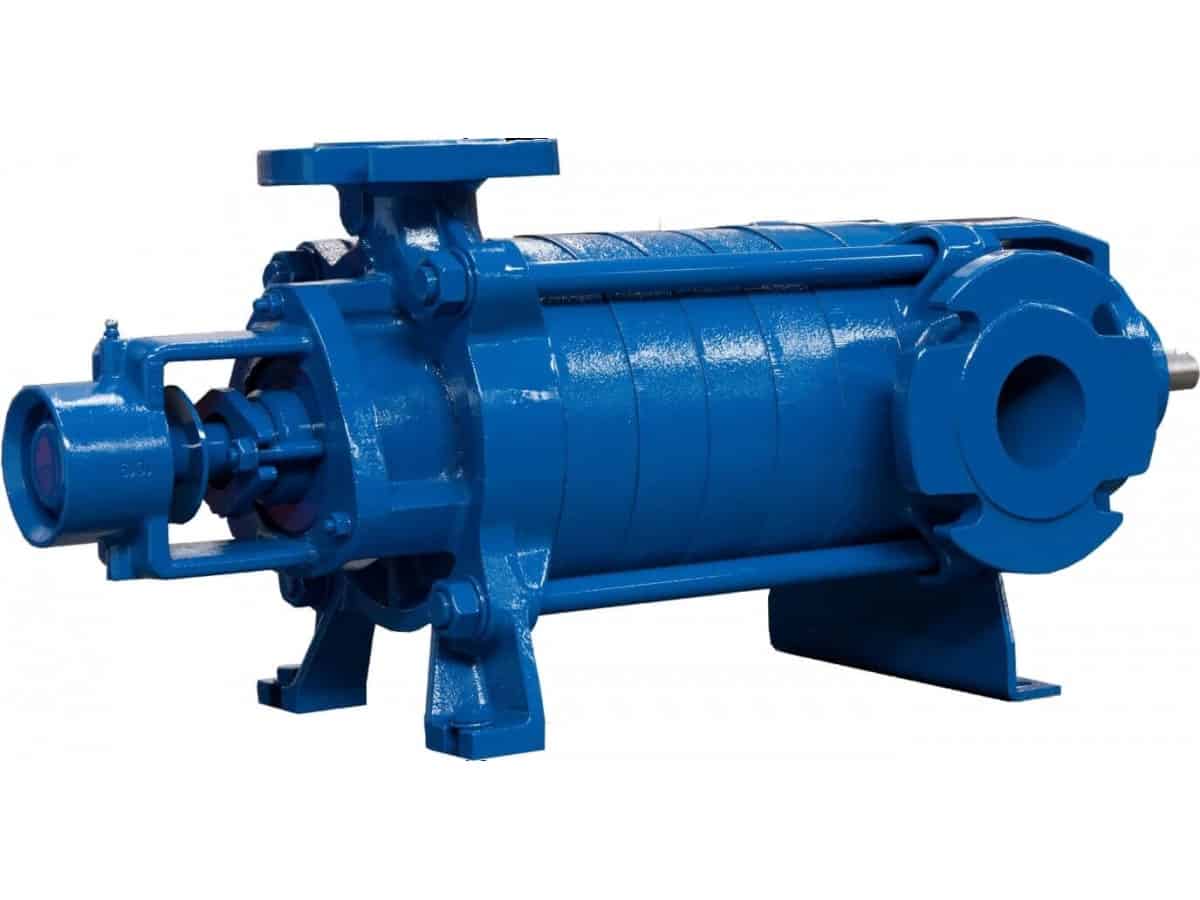
Various types of pumps are used for handling raw milk. The choice depends on the product’s viscosity, the required throughput and the stage of processing.
Pump type
Area of application
Features
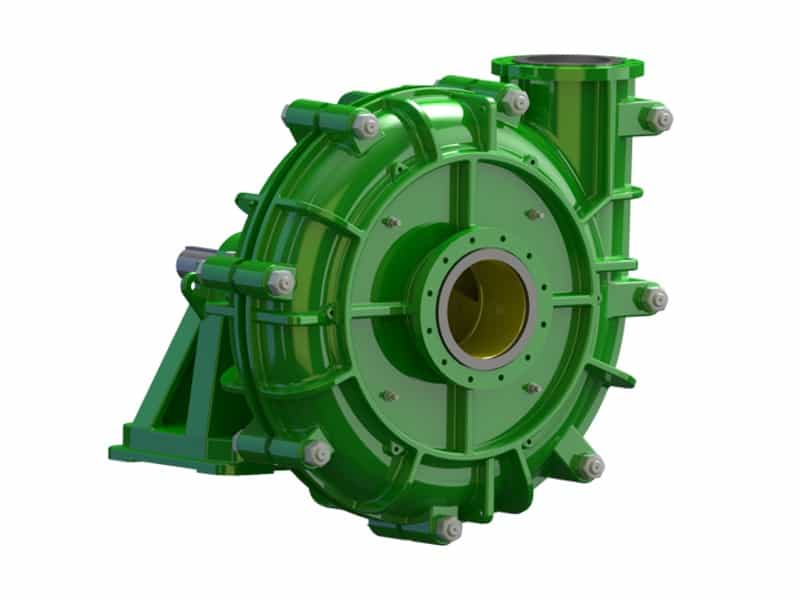
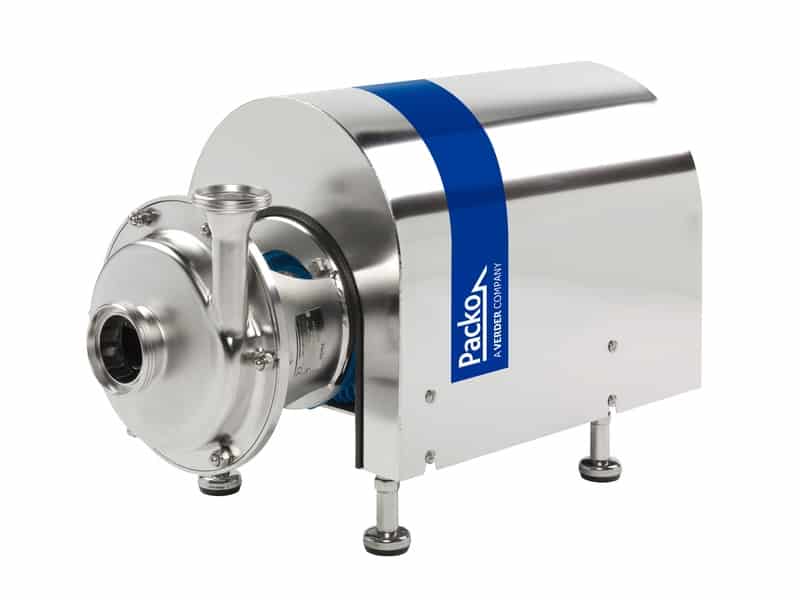
Centrifugal sanitary
Pumping milk, whey and water
High performance, simple design
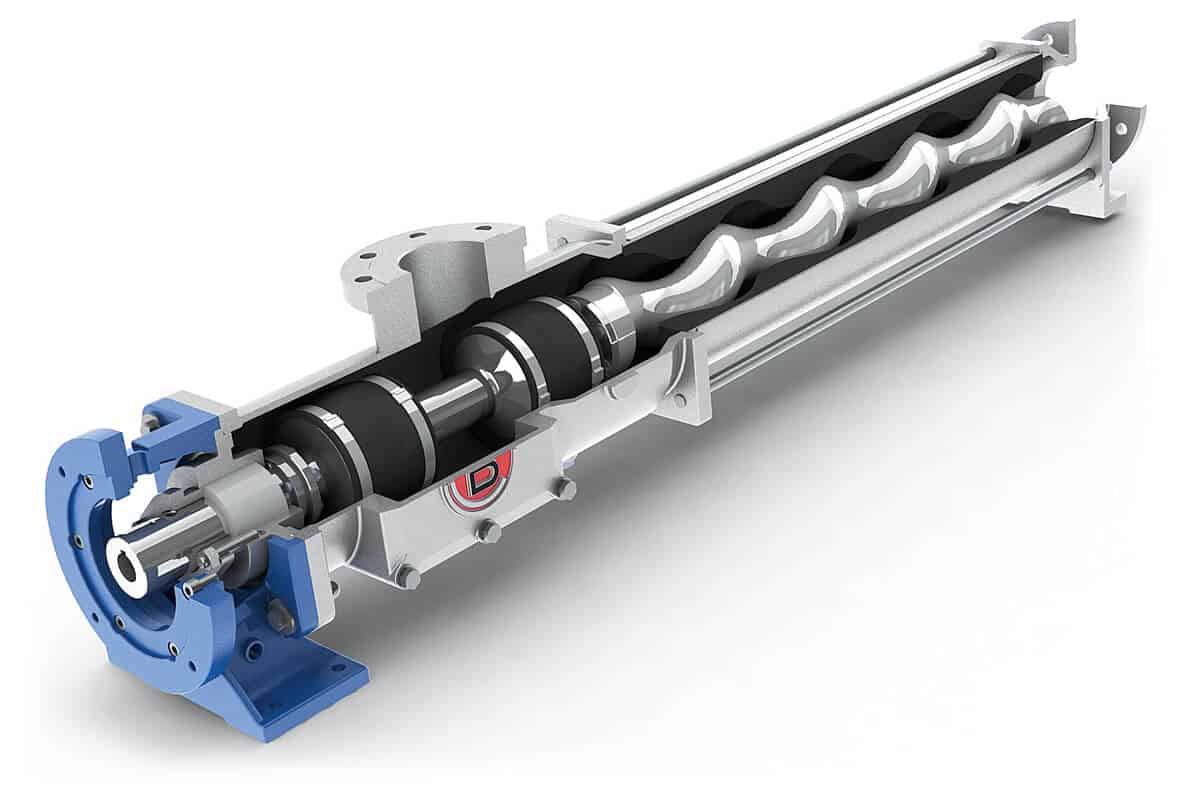
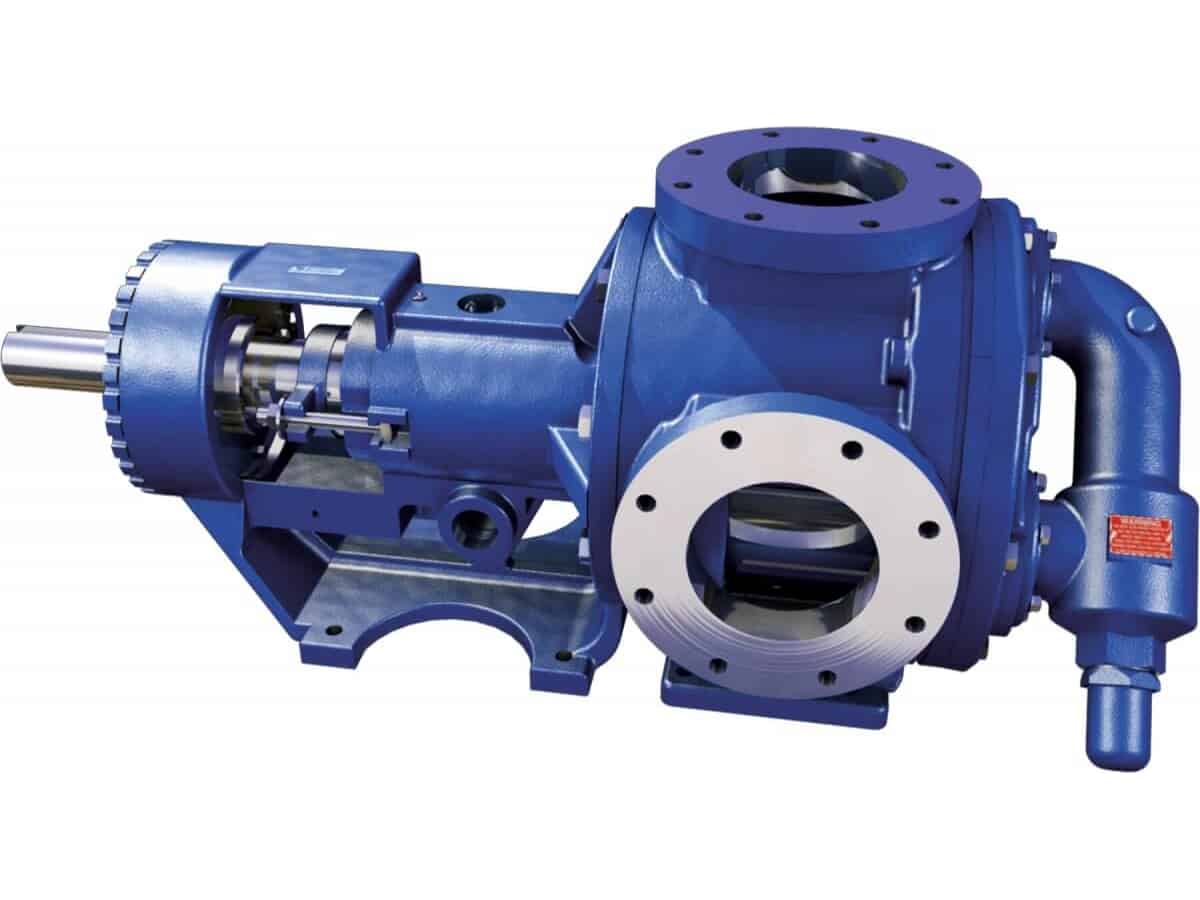
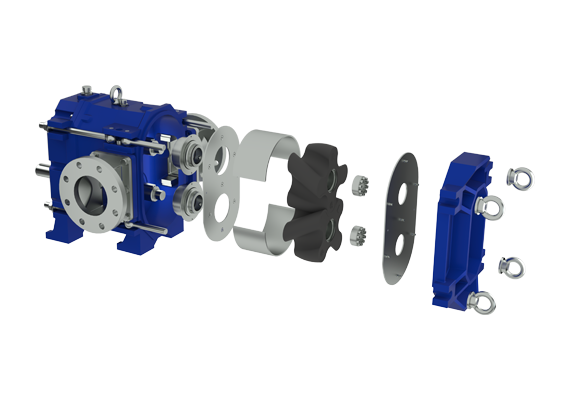
Rotary (positive displacement)
Sour cream, yoghurt, soft cheese
Gentle handling, suitable for viscous products
Peristaltic
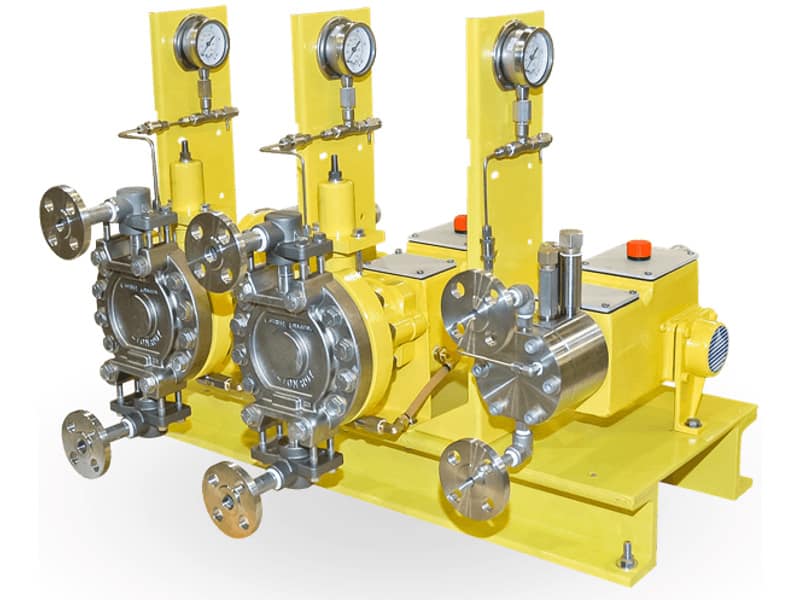
Dosing of starter cultures and additives
Precise dosing, no contact between the product and the mechanism
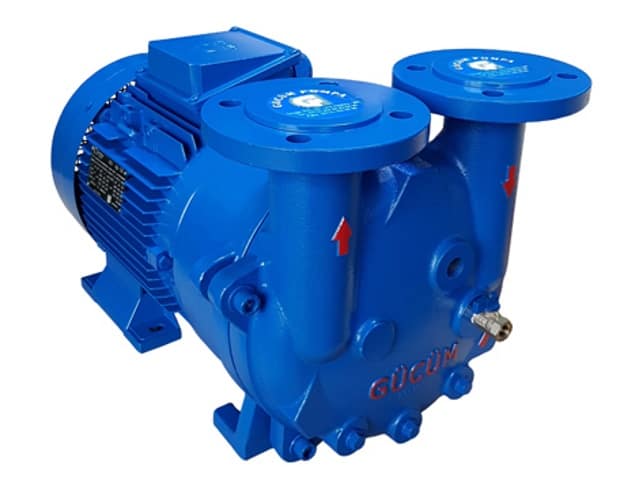
Vacuum evaporation and concentration of dairy mixtures
Creates a stable vacuum, suitable for heat-sensitive products
Each of these types has its own niche. Large enterprises often use several types of pumps simultaneously at different stages of the production line. It is best to consult a process engineer or equipment supplier when selecting a specific model.
Advantages of using modern pumps in dairy production
Modern industrial pumps differ significantly from previous generations of equipment. Manufacturers invest considerable resources in developing new models, and this is reflected in the performance of the equipment.
Among the main advantages of modern equipment, the following are worth highlighting.
New models consume considerably less electricity — savings compared with older equipment can reach 20–35 per cent.
An extended service life between scheduled maintenance intervals helps to reduce equipment maintenance costs.
Integration with automation and remote monitoring systems enables real-time monitoring of equipment operation.
“Investments in high-quality pumping equipment pay for themselves within the first two years through reduced raw material losses and lower maintenance costs,” say marketing experts.
Modern dairy production is impossible without automation. Pumps with variable-frequency drives allow the flow rate to be precisely controlled. This reduces the strain on the product and minimises wear and tear on the equipment itself.
Why you should buy pumping equipment for the dairy industry from Dalgakiran
Dalgakiran offers a wide range of equipment for the food and industrial sectors. You can find pumps for your business at competitive prices with us.
Our advantages:
Expert advice on selecting equipment for specific process requirements.
A range of certified models that meet the hygiene requirements for the food industry.
Transparent terms and conditions for warranty and post-warranty service.
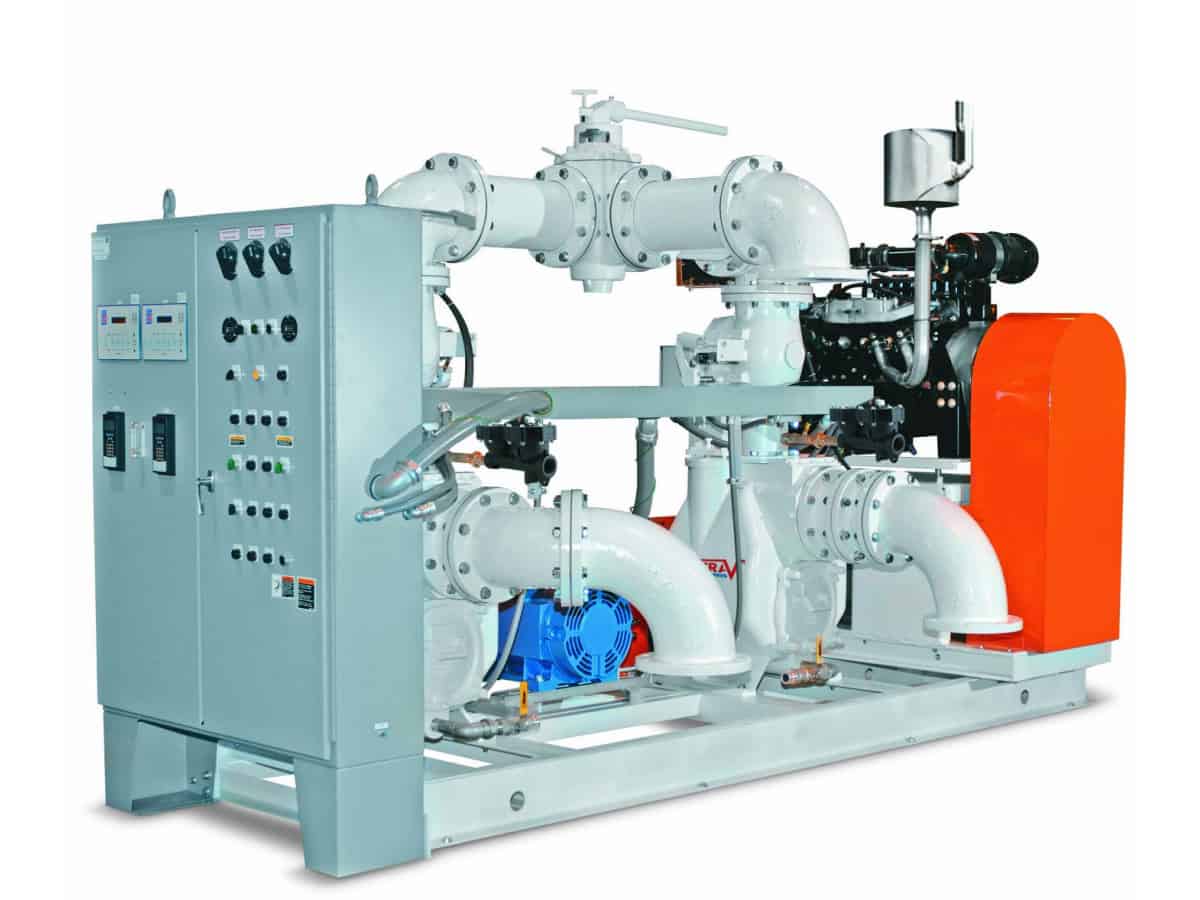
The ability to select a comprehensive solution for your entire production line.
A reliable partner is not just about supplying equipment, but also ensuring its proper operation throughout its entire service life. This is precisely the approach Dalgakiran takes when working with dairy companies of all sizes.
Need a consultation?
Fill out the form and we will call you.
Your region
Request a call
Thank you, your request has been sent. A manager will contact you shortly.
 0800 30 13 77
 0800 30 13 77
 En
En