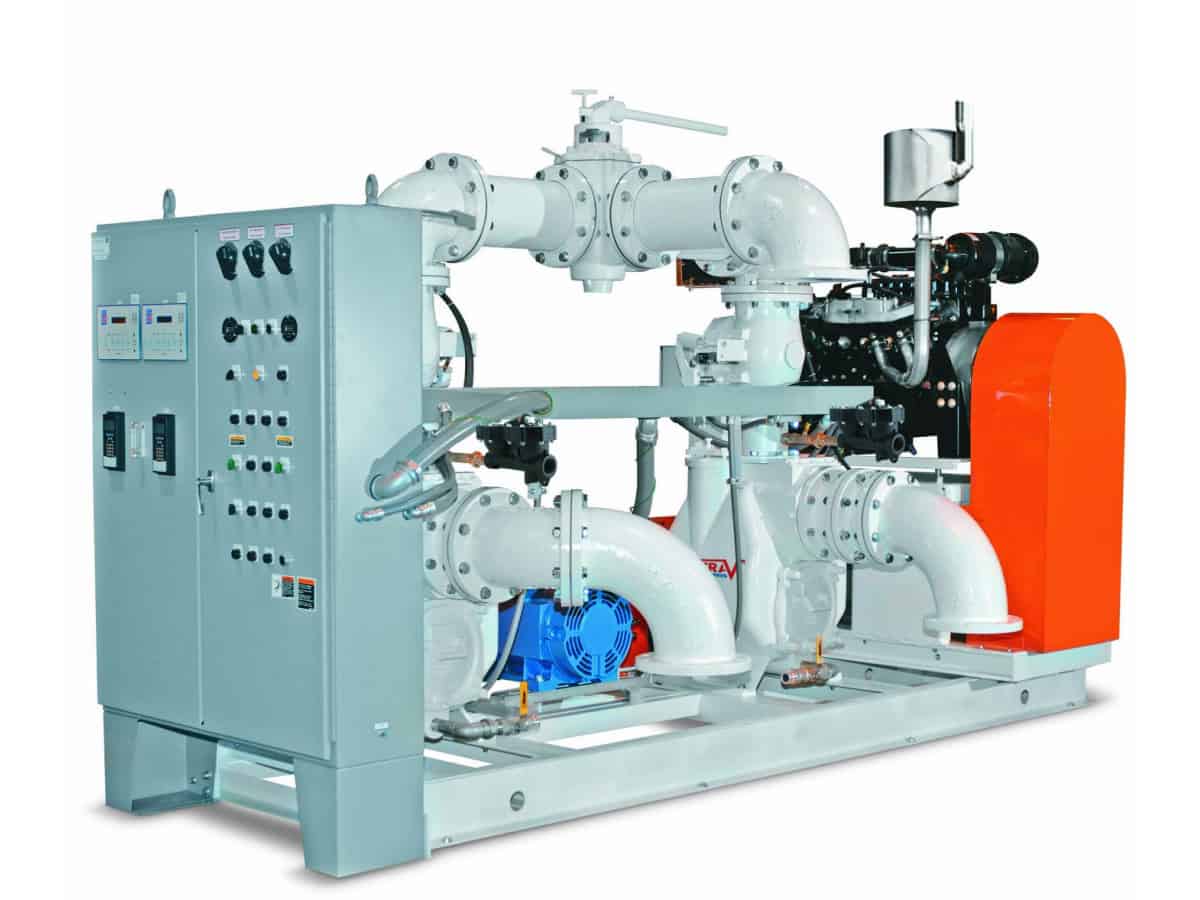
The food industry always requires a responsible and careful selection of equipment, as both the quality of the final products and consumer safety depend on it. Pumping equipment is no exception: it operates at every stage of industrial production, from the receipt of raw materials to the packaging of finished products, and is responsible for pumping various liquids.
In this article, we will examine why pumping systems are so important for food businesses — from large plants to small factories — and how they relate to HACCP requirements and industry standards, as well as which types of pumps are suitable for different production processes. You will learn what to look out for when making a selection and where to purchase modern equipment with a quality guarantee.
The importance of pumping equipment for the efficient operation of food businesses
Any food production facility, such as a workshop or factory, faces the daily need to transfer liquids: milk, juices, oils, sauces and syrups. The rhythm of the entire production cycle depends on how efficiently and accurately the pumping systems operate.
Pumping equipment directly affects line productivity, electricity consumption and the amount of downtime. A faulty or incorrectly selected pump can cause delays, product spoilage and other problems.
“Even the slightest fault in a pumping system can bring an entire production line to a standstill — costing the company time, money and its reputation,” note food industry technologists.
How pump selection affects safety and compliance with HACCP standards
Food safety begins long before food reaches the shop shelf. When pumping liquids, it is important that the equipment does not contaminate the product and is easy to sanitise.
HACCP (Hazard Analysis and Critical Control Points) standards require that all pump surfaces in contact with food be made of food-grade stainless steel or approved polymers. Pumps must withstand regular cleaning with hot water, steam or detergents.
Here’s what to look out for when choosing a pump for food production:
The material of parts in contact with the product — food-grade stainless steel or food-grade plastic.
Certificates of compliance with food standards (FDA, EHEDG or equivalent).
A design that allows for easy disassembly for cleaning.
Resistance to aggressive cleaning agents and temperature fluctuations.
Minimal dead spaces within the pump housing.
A correctly selected pump is not only about performance, but also a guarantee that products will remain safe for the consumer at all stages of production.
Main types of pumps for various food production processes
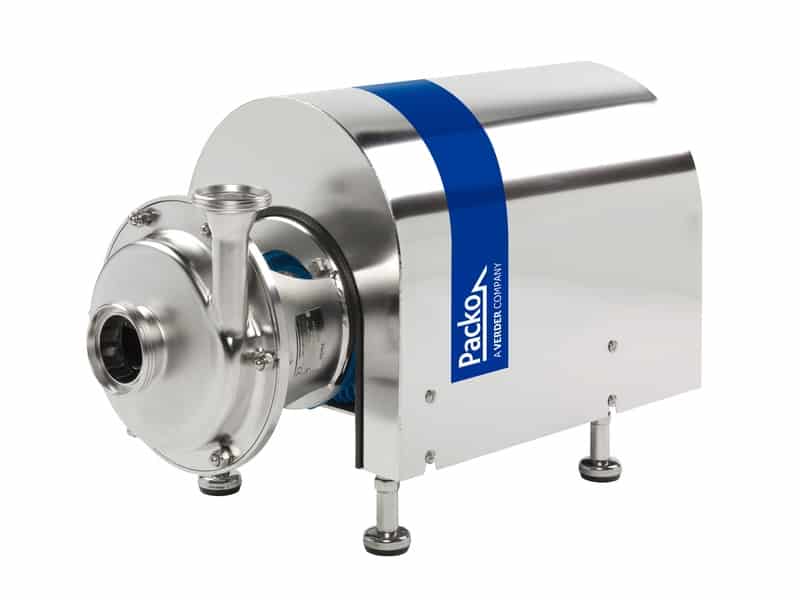
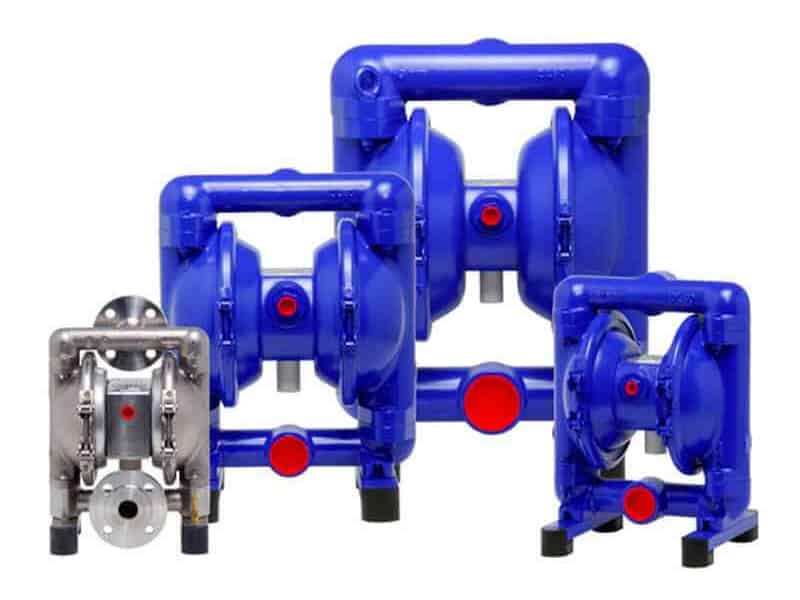
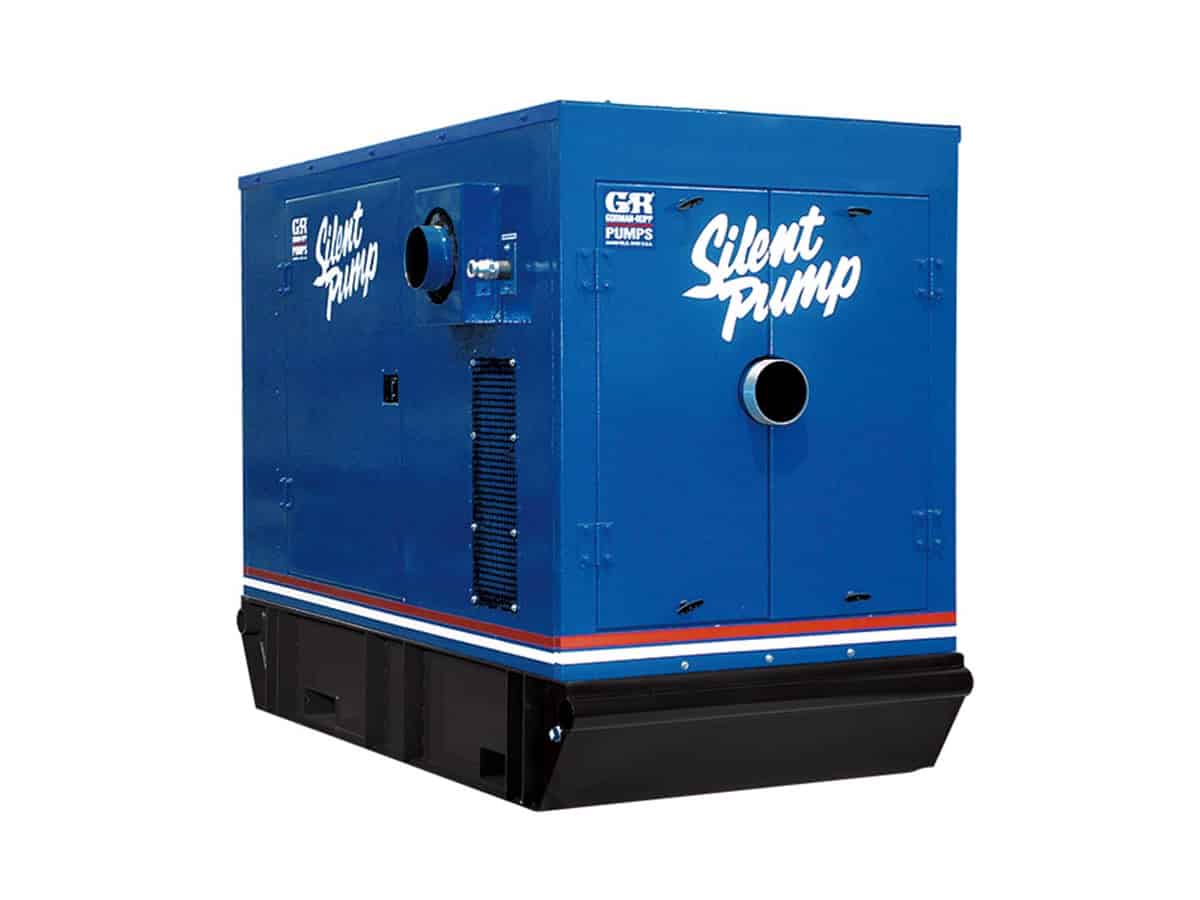
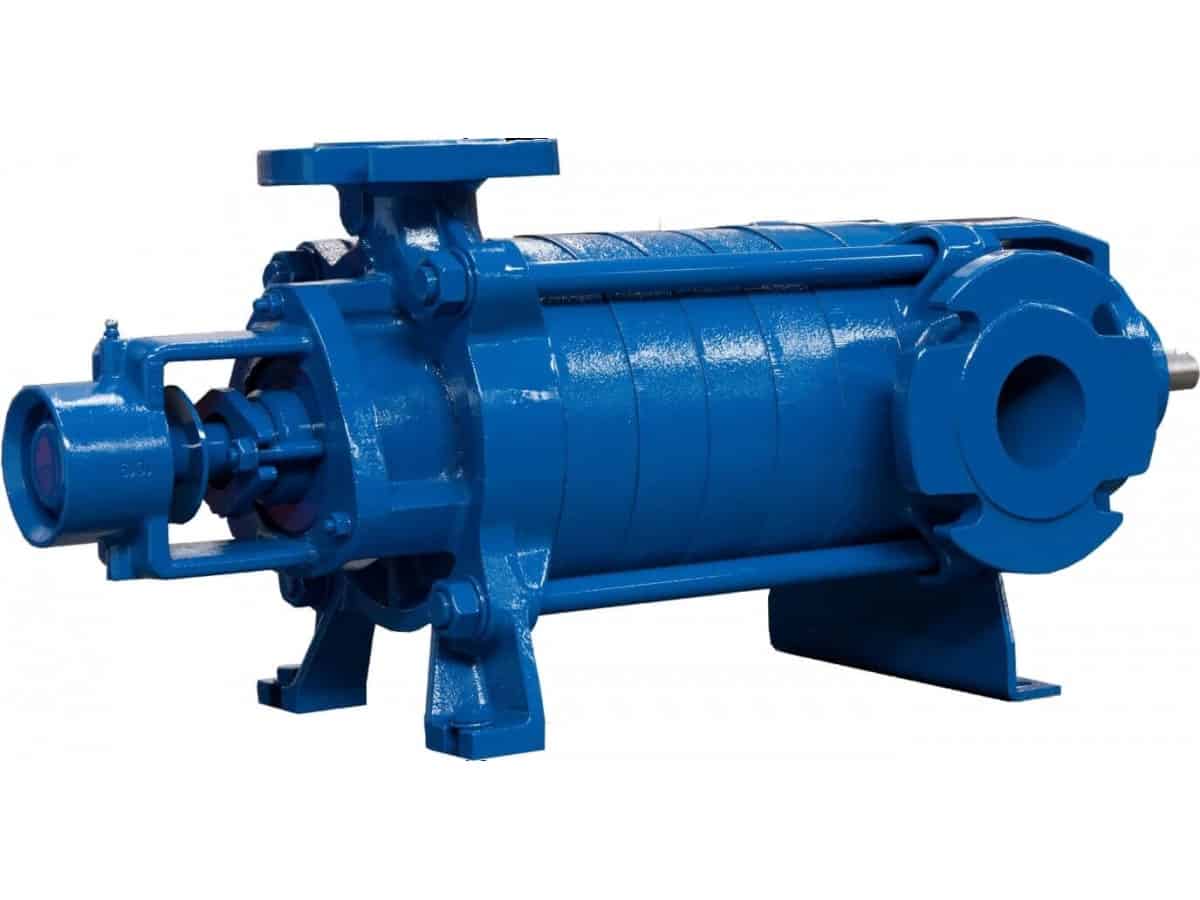
Different types of pumps are used for various production processes. The choice depends on the properties of the liquid, the required pressure, temperature and hygiene requirements.
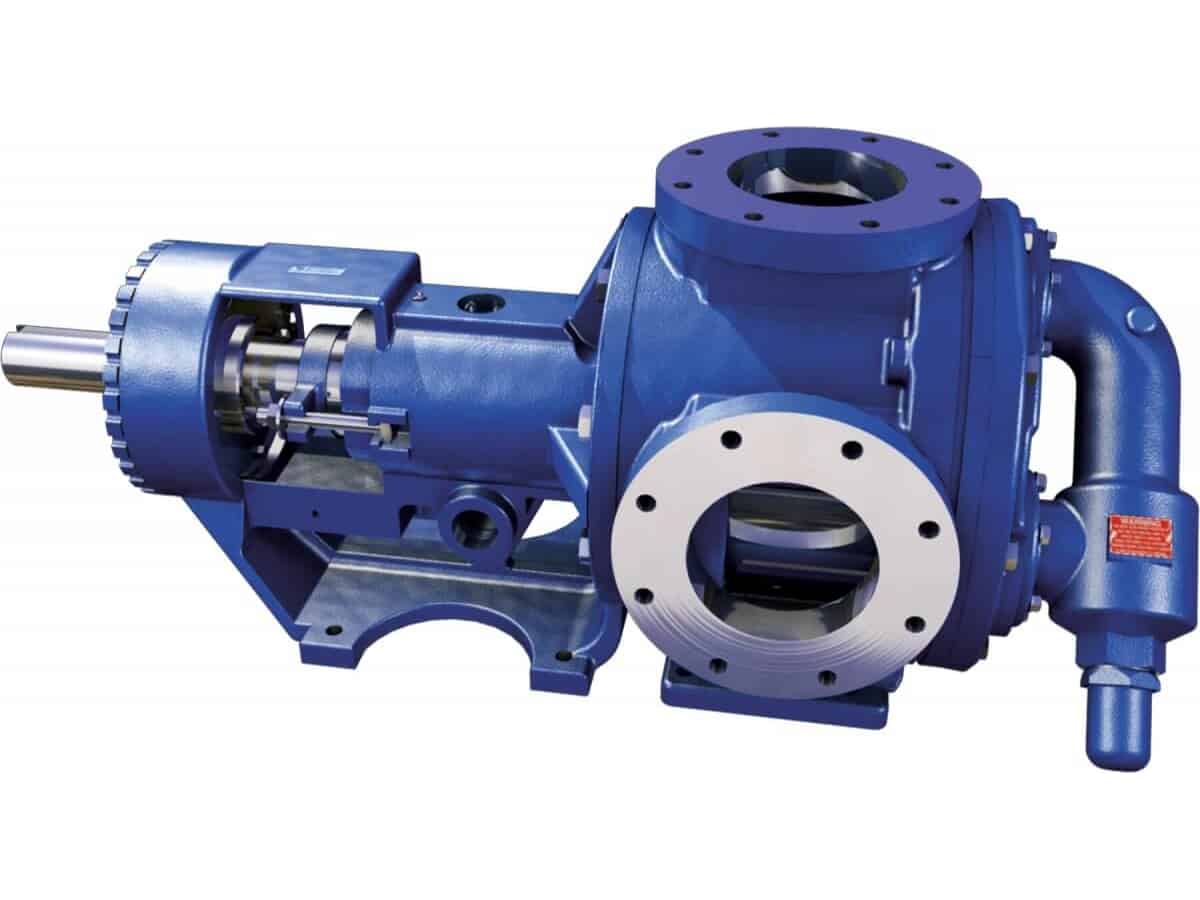
Pumping of liquids from tanks, vessels and reservoirs
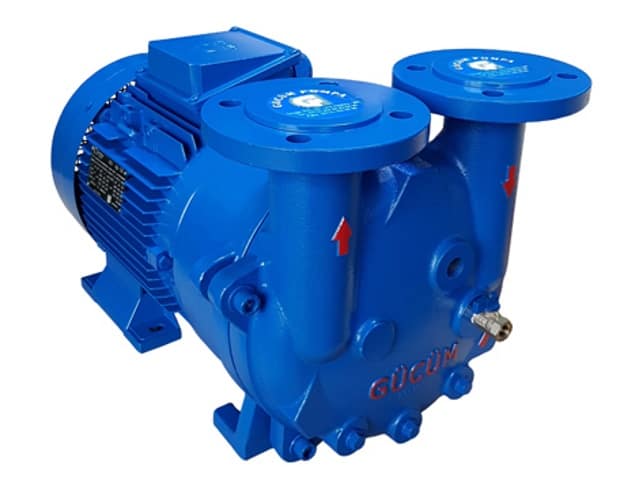
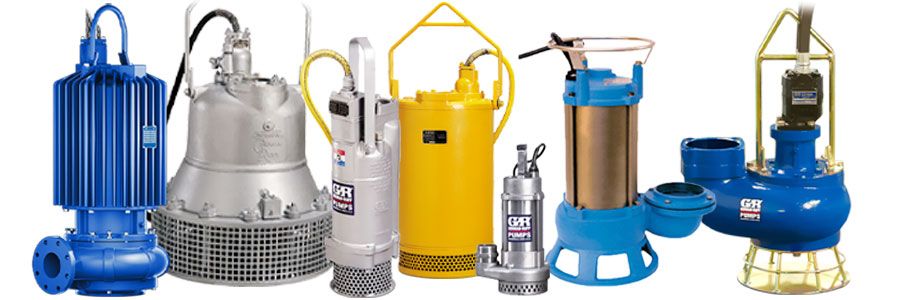
Operates directly within the medium, compact design
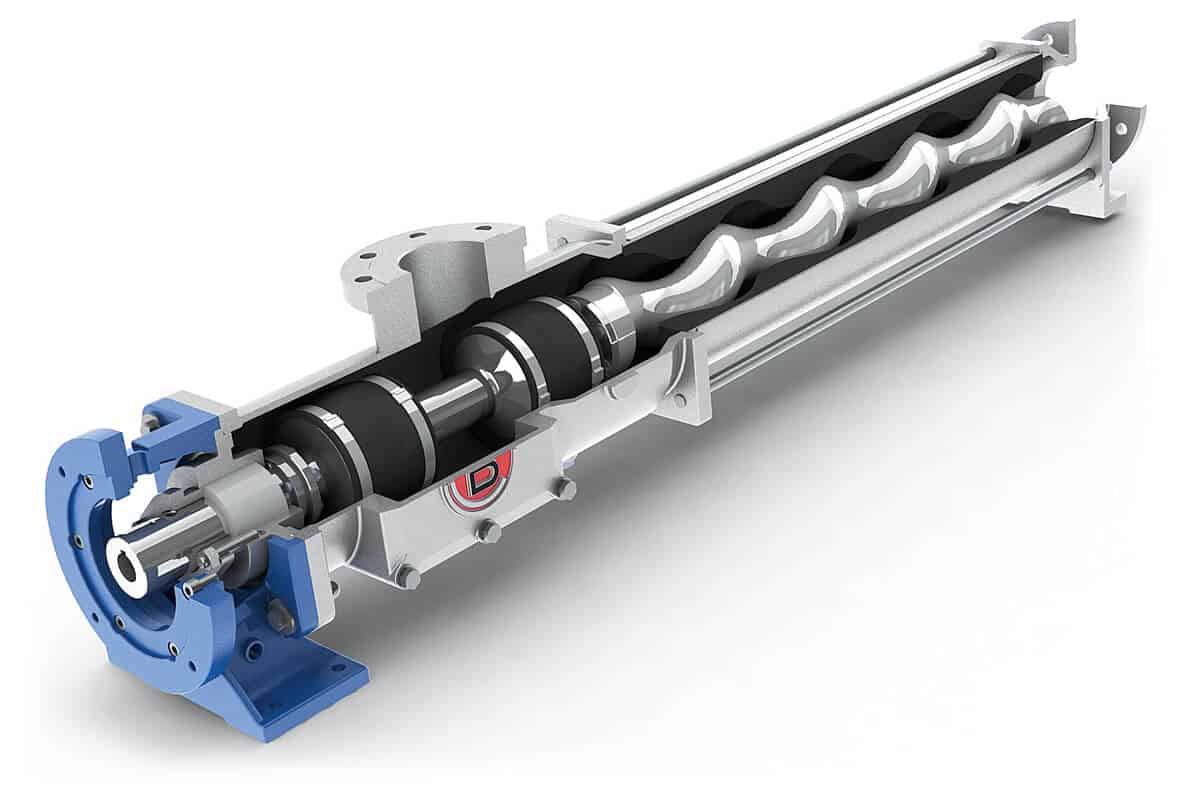
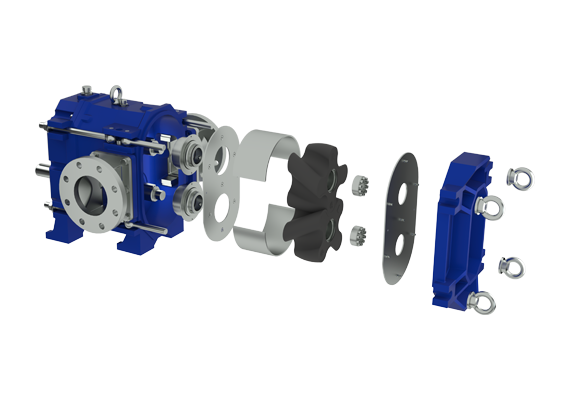
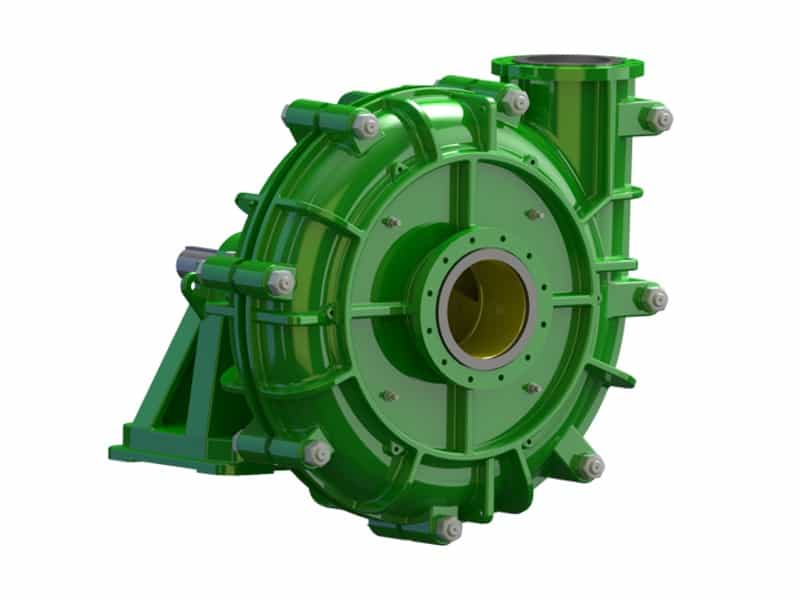
Each of these types has its place in production. For example, screw pumps are suitable for an industrial yoghurt production facility, whilst centrifugal pumps are ideal for a juice bottling line. A well-thought-out combination of different pump types enables the creation of a balanced and reliable production system.
Advantages of using modern pumping equipment in the food industry
Investments in modern equipment pay for themselves fairly quickly. New models consume less electricity, break down less often and are fairly easy to maintain. Here are the main benefits a factory gains after upgrading its pump fleet:
reduced electricity costs thanks to variable frequency drives;
higher-quality pumping without pulsations or product heating;
fewer repairs and unscheduled stoppages;
compliance with current hygiene standards;
easy integration into automated production lines.
New-generation pumping systems are often equipped with built-in sensors and real-time monitoring capabilities. This makes it possible to detect operational anomalies in good time and avoid costly breakdowns.
Why you should buy pumping equipment for food processing plants from Dalgakiran
Dalgakiran Compressor Ukraine Ltd has been the official representative of the DALGAKIRAN holding in Ukraine since 2005. We serve over 5,000 industrial enterprises across the country. Our specialists will help you select pumping equipment tailored to the specific requirements of your food production, whilst our regional offices in Kyiv, Lviv, Odesa, Kharkiv and Dnipro guarantee prompt service.
We always have spare parts in stock, so your factory won’t be brought to a standstill by unexpected repairs. The pumping systems supplied by Dalgakiran comply with international standards and are suitable for use with food products. From selection to commissioning, the company supports the customer at every stage.
Browse our product catalogue now!
Need a consultation?
Fill out the form and we will call you.
Your region
Request a call
Thank you, your request has been sent. A manager will contact you shortly.
 0800 30 13 77
 0800 30 13 77
 En
En