0800 30 13 77
 0800 30 13 77
 En
En

 Back
BackGas generators: basic principles of operation and application in production
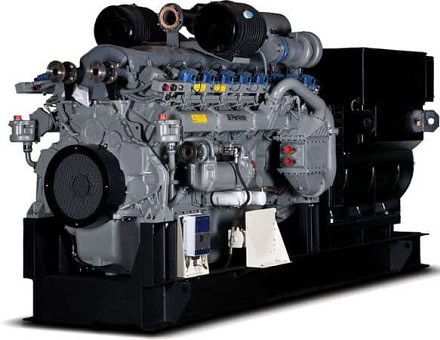
Gas generators are becoming increasingly popular in modern production due to their efficiency, reliability and environmental friendliness. They provide a continuous supply of energy, which is critical for many production processes. Such devices can operate autonomously, which is also very important for some industries and businesses. Let’s talk about this equipment in more detail.
The principle of operation of the gas generator
A gas generator works on the principle of converting the chemical energy of fuel into electrical energy. The main component of a gas generator is an internal combustion engine that uses gas as fuel. This engine drives an electric generator that produces an electric current. The process consists of several stages:
- Gas supply. Gas is supplied to the engine under pressure through a special supply system.
- Mixing. The fuel is mixed with air in certain proportions to achieve optimum combustibility.
- Combustion. The resulting mixture is ignited in the combustion chamber, causing an explosive expansion of gases that drives the engine pistons.
- Conversion. The mechanical energy of the engine shaft rotation is transmitted to the generator rotor, which generates an electric current.
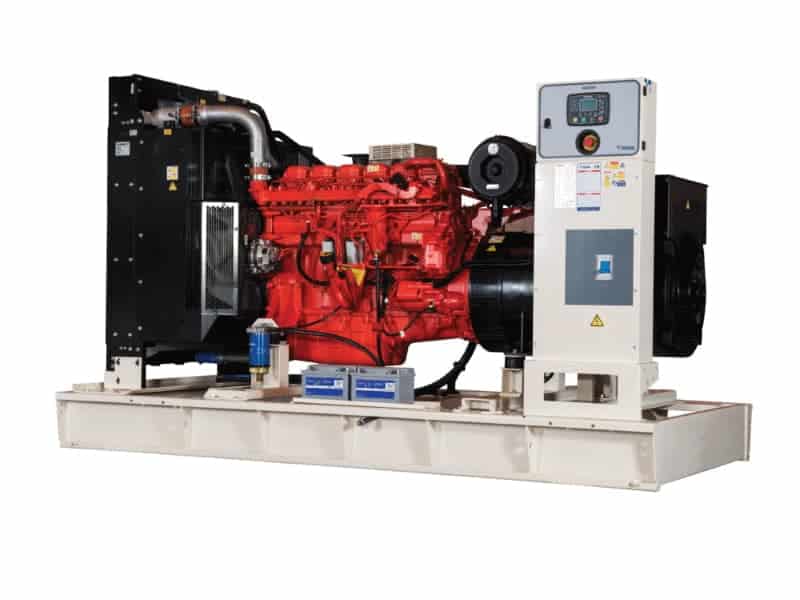
Depending on the power of the generating equipment, it can operate with different amounts of fuel, producing a correspondingly higher amount of energy.
What gas does a gas generator run on?
Gas generators can run on different types of gas:
- Natural gas. It is the most common fuel for gas generators due to its availability and efficiency.
- Propane. It is used in places where there is no access to natural gas. It has a high energy density.
- Biogas. It is produced from organic waste and is an environmentally friendly fuel option.
- Synthetic (synthesis gas). It is produced from coal or other carbonaceous materials. It is used in cases where other types of gas are not available.
The use of different types of fuel may require nuances in the maintenance of appliances, so seek professional advice.
Advantages of using a gas generator
The main advantages that a gas generator will provide:
- Efficiency. This equipment is often more economical to use than diesel or gasoline counterparts.
- Environmental friendliness. Reduced emissions of harmful substances compared to other fuels, especially diesel.
- Reliability. Modern gas generators are very reliable and can operate continuously for a long time. Due to the cleaner combustion of gas, engine parts wear out more slowly, which increases the service life of the generator.
In addition, the use of propane cylinders or other gas systems makes it possible to use generators in remote locations.
Application options in production
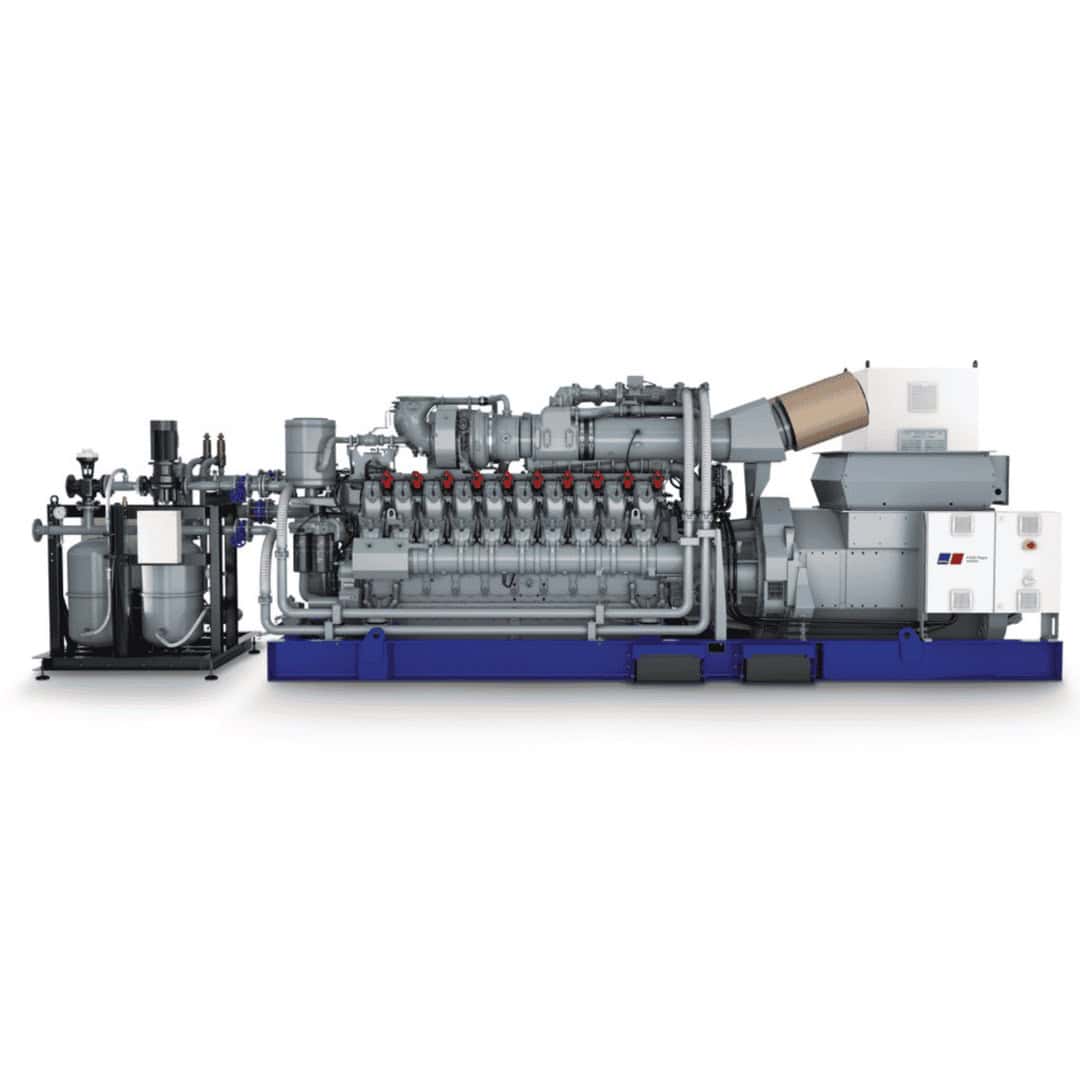
Gas generators are used in various industries to ensure reliable power supply and optimize energy costs. Here are some examples:
- Power plants. They are used as primary or backup power sources for manufacturing enterprises, especially in areas with unstable power supply.
- Industrial enterprises. Provide uninterrupted power supply for equipment requiring stable operation.
- Agriculture. It is used to power pumping stations, ventilation systems and other agricultural equipment.
- Construction. Provide electricity to construction sites that do not yet have a connection to the main power grid.
- Solar power plants. They serve as backup power sources in case of insufficient energy generation by solar panels.
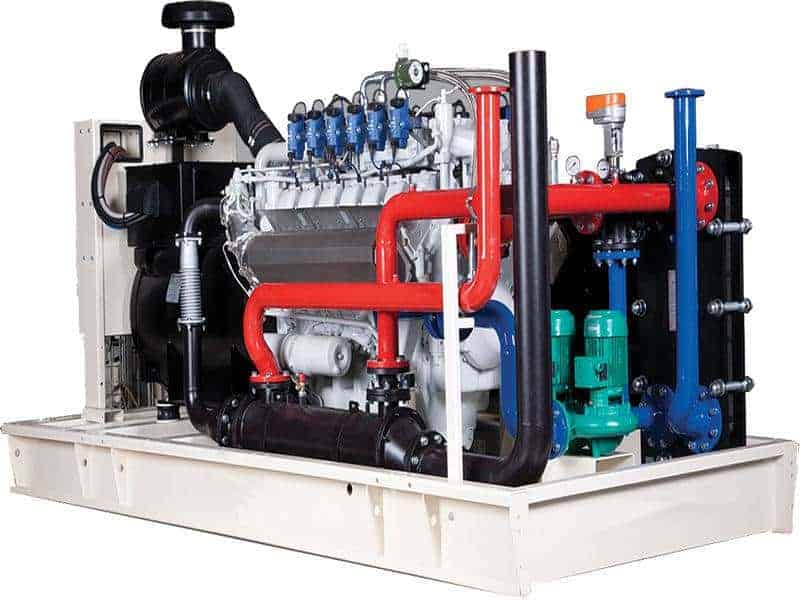
Given the numerous advantages and versatility of this equipment, it is an integral part of modern production processes. Therefore, it is worth considering the use of gas generators both on a large industrial scale and for smaller enterprises where a stable power supply is of key importance.