0800 30 13 77
 0800 30 13 77
 En
En

 Back
BackCompressor maintenance: tips from the experts
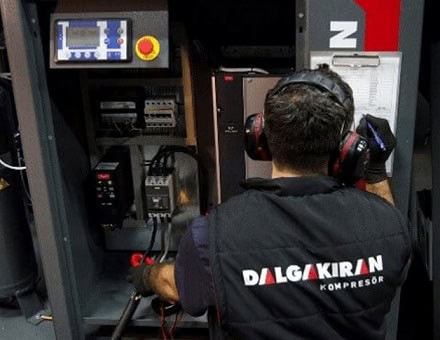
Compressors play an extremely important role in a number of industrial and domestic systems, from production lines to cooling and air conditioning systems. Their trouble-free operation ensures the stability of the equipment, helps to reduce energy costs and increase its overall productivity. However, in order for compressors to serve for a long time and efficiently, they need to be regularly and properly maintained.
In this article, experts from Dalgakiran Compressor Ukraine LLC discuss how to identify and troubleshoot compressors, why it is important to follow a maintenance schedule, what common problems can occur, and how to fix them. We will also discuss the scheduled maintenance of this equipment, which will help to avoid serious breakdowns and ensure its reliable operation in the future.
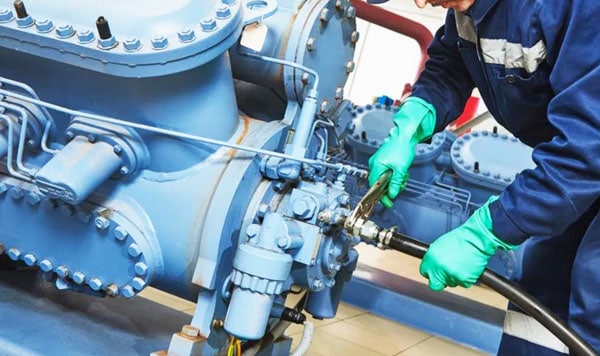
How to identify compressor malfunctions
Troubleshooting your compressor is critical to keeping it running efficiently and preventing serious damage. Here are a few steps to help you do just that:
- Decreased performance. If the unit is not reaching the required pressure or is doing so more slowly than usual, it may be a sign of wear and tear on parts or leaks in the system. Low pressure or erratic operation indicates a performance problem.
- Noises and vibrations. Unusual noises or vibrations may indicate mechanical damage or worn bearings. These symptoms can be a sign of serious mechanical problems that require immediate attention.
- Overheating. If the compressor is operating at high temperatures, this may be due to insufficient cooling, worn lubricants, or contamination of the heat exchanger. Overheating can damage internal components and even cause the entire unit to fail.
- Oil or air leaks. Leaks can indicate worn seals or gaskets. They not only reduce the efficiency of the equipment, but can also cause serious malfunctions.
Regular inspections and replacement of worn parts are necessary for troubleshooting, because only regular inspection and timely replacement of all parts will help to avoid problems with the equipment. Remember that any maintenance is always much cheaper than a complete replacement of the equipment.
The importance of timely maintenance of compressors
Timely maintenance of compressors is critical to ensure their reliable and long-lasting operation.
- Increase the service life of the equipment. Regular maintenance and timely repairs prevent serious breakdowns that can lead to costly repairs or complete equipment replacement. With proper care, the compressor can serve for many years without serious problems.
- Increased productivity. Well-maintained equipment operates more efficiently, reducing energy consumption and increasing system performance. This helps to reduce operating costs and increase the profitability of the equipment and the production in general.
- Accident prevention. Regular inspections can detect potential problems at an early stage and prevent accidents that could lead to production stoppages and loss of profit. This is especially important for businesses where equipment failure can have serious consequences.
- Ensuring safety. Faulty compressors can be dangerous for workers and can lead to serious accidents. Timely maintenance and care helps to avoid such situations and ensure safe operation of the equipment.
Regular maintenance ensures that the compressor is working properly. This increases the overall reliability of the system and helps to ensure smooth operation, which is important for manufacturing and industrial applications.
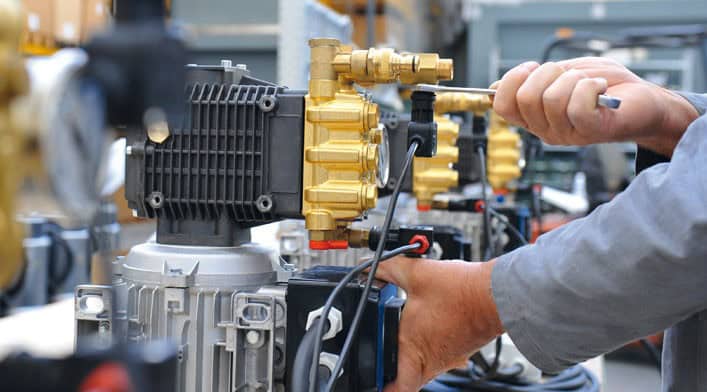
The most common compressor problems and tips for fixing them
Understanding the most common problems and knowing how to fix them will help keep your compressor in optimal condition and keep your system running smoothly. Here are some of them:
- Dirty filters. Dirty filters reduce compressor efficiency and can cause the compressor to overheat. Check, clean, or replace the filters regularly. This will help to ensure that the compressor runs smoothly and extend its service life.
- Air leaks. Leaks reduce system pressure and increase energy consumption. Use leak detection methods, such as ultrasonic detectors, and repair them immediately to reduce operating costs and keep compressor efficiency high.
- Worn bearings. Worn bearings can cause excessive noise, vibration, and overheating. Check the bearings regularly and replace them if necessary. This will help prevent serious damage and extend the life of the compressor.
- Insufficient lubrication. Insufficient lubrication is bound to cause overheating and wear of compressor parts. Check the lubricant level and replace it according to the manufacturer’s recommendations.
- Problems with the electric motor. If the compressor does not start or runs unevenly, check the power supply and the condition of the motor. Components may need to be repaired or replaced. Regularly checking the motor will help to avoid unexpected compressor stops and ensure stable operation.
If the problem cannot be solved on your own, it is recommended that you immediately contact a qualified technician for detailed diagnostics and repair.
Scheduled maintenance of compressors: features and frequency
Scheduled maintenance includes a number of measures aimed at keeping the compressor in good working order. It helps prevent serious breakdowns and extend the service life of the equipment. Main stages and frequency of scheduled maintenance:
- Daily checks. Inspect the compressor for leaks, check the oil level, and listen for unusual noises. This will allow you to detect potential problems at an early stage and take the necessary steps to fix them.
- Weekly checks. Check the condition of filters, seals, and gaskets. Inspect electrical connections for damage to keep the appliance in good working order and avoid unexpected stops.
- Monthly inspections. Check the condition of the bearings, the lubrication level in the gearboxes, and conduct air leakage tests. This will allow you to identify and eliminate potential problems that could affect the operation of the equipment in time.
- Quarterly inspections. Perform a detailed inspection and maintenance of all compressor components. Replace filters, check the cooling system, and calibrate sensors.
- Annual inspections. Perform a complete diagnostic check of the compressor, including testing of all systems and components. Timely replacement of worn parts and necessary repairs will keep your equipment in top condition and extend its service life.
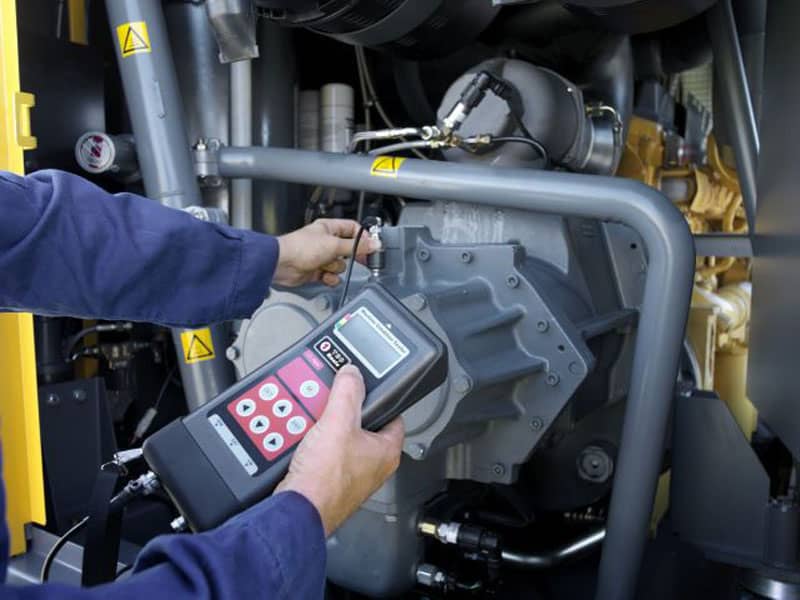
Proper maintenance of compressors is not just a necessity, but a duty if you want to ensure their reliable and trouble-free operation. Regular inspections and preventive maintenance are the key to avoiding malfunctions, significantly extending the service life of your compressor equipment, and ensuring its efficient operation. This will not only save you from unwanted breakdowns and costly repairs, but also ensure the safety of your workflow.
Following expert recommendations helps reduce repair costs and risks, which keeps compressors stable and reliable. Scheduled maintenance is not just an expense, but a smart investment that pays off by reducing downtime and increasing equipment productivity. By following the advice of the specialists of Dalgakiran Compressor Ukraine LLC, you will not only keep your equipment in perfect condition, but also guarantee its durability.