0800 30 13 77
 0800 30 13 77
 En
En

 Back
BackCompressed air treatment for the food industry
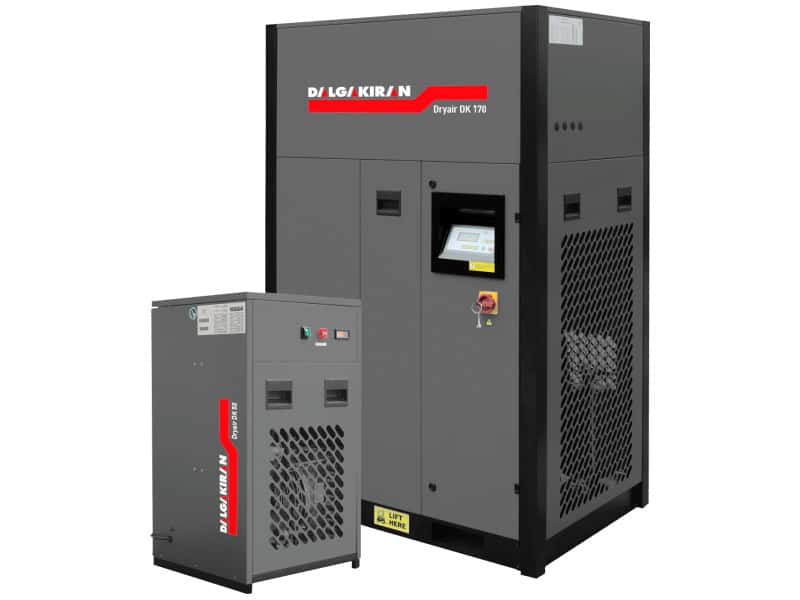
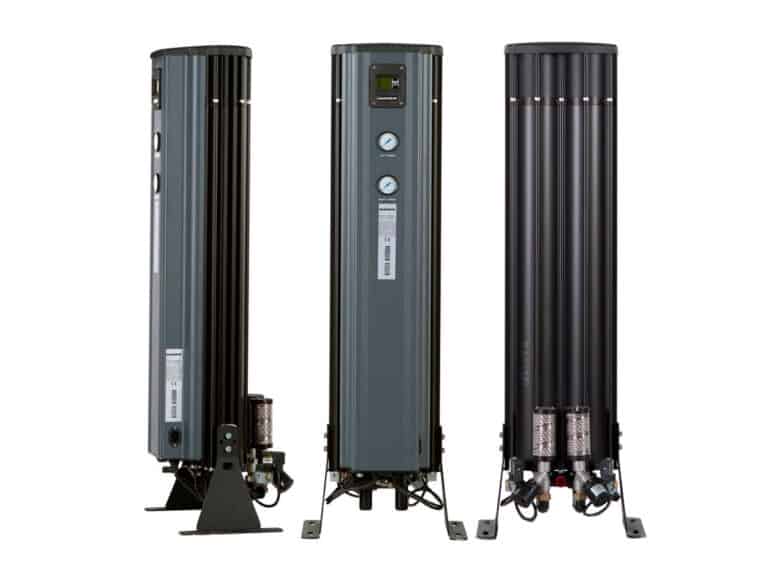 It is safe to say that there are not many industries in the world today that operate without compressed air. However, it is the food industry that uses this energy carrier most often and in large volumes. Flour, sugar, various cereals, beverages – these and other food products are transported through production lines every day thanks to various mechanisms and devices that use compressed air for operation.
Food companies face many challenges on a daily basis. First of all, they need to maintain the quality standard of production. In addition, the quality of equipment is important. However, there is a by-product of production – compressed air – that is subject to no less stringent requirements than the final product.
Compressed air quality requirements in the food industry
Typically, compressed air intended for use in the food industry must meet certain international safety standards. Therefore, it is advisable to consider them in detail:
- ISO 22000. This is the most important safety standard that applies to the specifics of air treatment for this industry. The standard applies to all companies that are involved in food production in one way or another: farming enterprises, large canning plants, etc. The main purpose of applying this standard is to enable the company to accurately determine the list of risks that may arise during the production process. That is why ISO 22000 is a guarantee of transparency in the food industry and a guarantee of the quality of their products. Buyers of goods from companies that comply with the standard can be sure that they are getting safe products for their families.
- ISO 8573-1. This standard should be taken into account by food companies if they declare their production lines as advanced equipment. ISO 8573-1 makes it possible to make sure that the air supplied to pneumatic systems and devices is free of particulate matter, oil, and water, regardless of which stage of production is being controlled at a given time. The standard provides for 7 classes of compressed air quality. A lower class means a higher degree of purification. Class 0 is the standard. However, this does not mean that it is a guarantee of 100% absence of air pollution.
There are other standards, but the above are the most common in the world.
Compressed air filtration
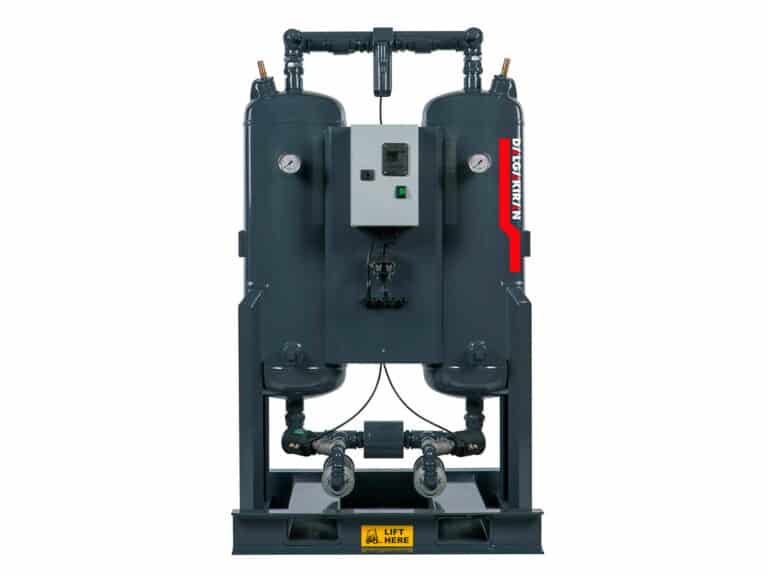 One cubic meter of air can contain up to 100 million particles of dirt: oil and water impurities and some heavy metals that are extremely dangerous to the human body. That’s why only filtered air is used in the food industry.
There are several stages and methods of air purification. For example, a water separator removes moisture residues – condensation – from the air before it is compressed. A centrifugal unit causes the air masses to rotate, pressing moisture against the walls, which is then removed to the outside.
Next, coarse filters are used to remove dirt particles ranging in size from 10 to 40 microns. More thorough air purification is performed in microfilters, where the separator pores have a mesh size of up to 0.01 microns. But the most thorough purification is provided by activated carbon filters. At the end of the cycle, the air is dried.
These are the most important stages of air filtration before compression in special units. Sometimes more modern and advanced methods of air mass preparation for the food industry are used.
Monitoring and control of air purity
Typically, air quality is monitored in medical facilities where vital signs need to be maintained. However, the same procedure is carried out in the food industry. Only systematic monitoring of compressed air quality makes it possible to verify its condition online.
The most common method of assessing compressed air quality in the food industry is to use special sensors. They are capable of detecting the presence of sulfur, heavy metals, ozone, carbon monoxide and other elements in the air.
Certification and compliance with standards
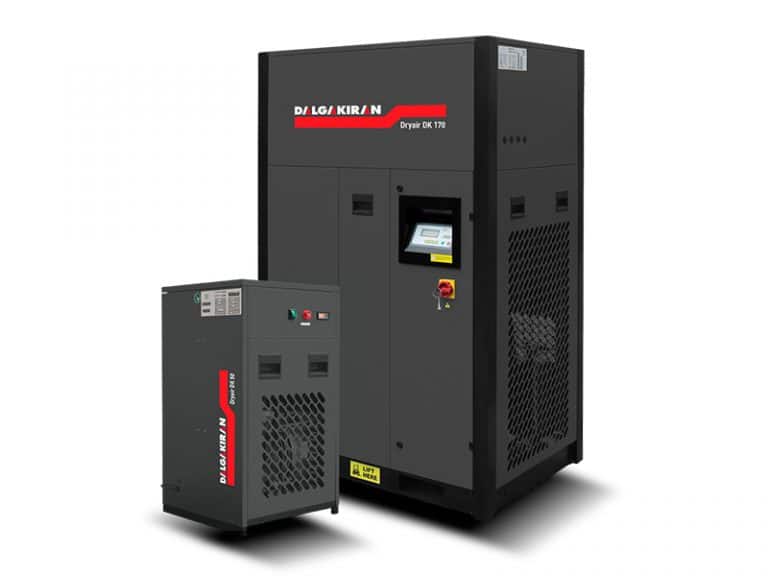 Most large food manufacturing companies currently have a special department responsible for compressed air quality control. Specialists in this department are responsible for timely certification of production processes, equipment, etc.
When it comes to the condition and quality of air used in the food industry, it should be noted that it must meet international standards. It is not always possible to control changes in the list of these standards by the company’s own department. Therefore, the best option is to contact specialists who specialize in this area. This is the only way to guarantee the correct, safe operation of compressed air equipment.
Maintenance and regular audit of systems
After a certain period of time, pneumatic systems in production lines require scheduled or unscheduled repairs. There is no time to waste when it comes to such an important industry as food production.
As a rule, compressed air treatment systems are audited during equipment modernization, replacement, and after repair. By contacting a company that professionally maintains and audits such systems, you don’t have to worry about the compliance of your production with global quality standards (the same applies to cooling systems and nitrogen and oxygen generators). Today, only proven brands that strictly adhere to international standards have an advantage in the marketplace.