0800 30 13 77
 0800 30 13 77
 En
En

 Back
BackAdsorption dryers for compressed air
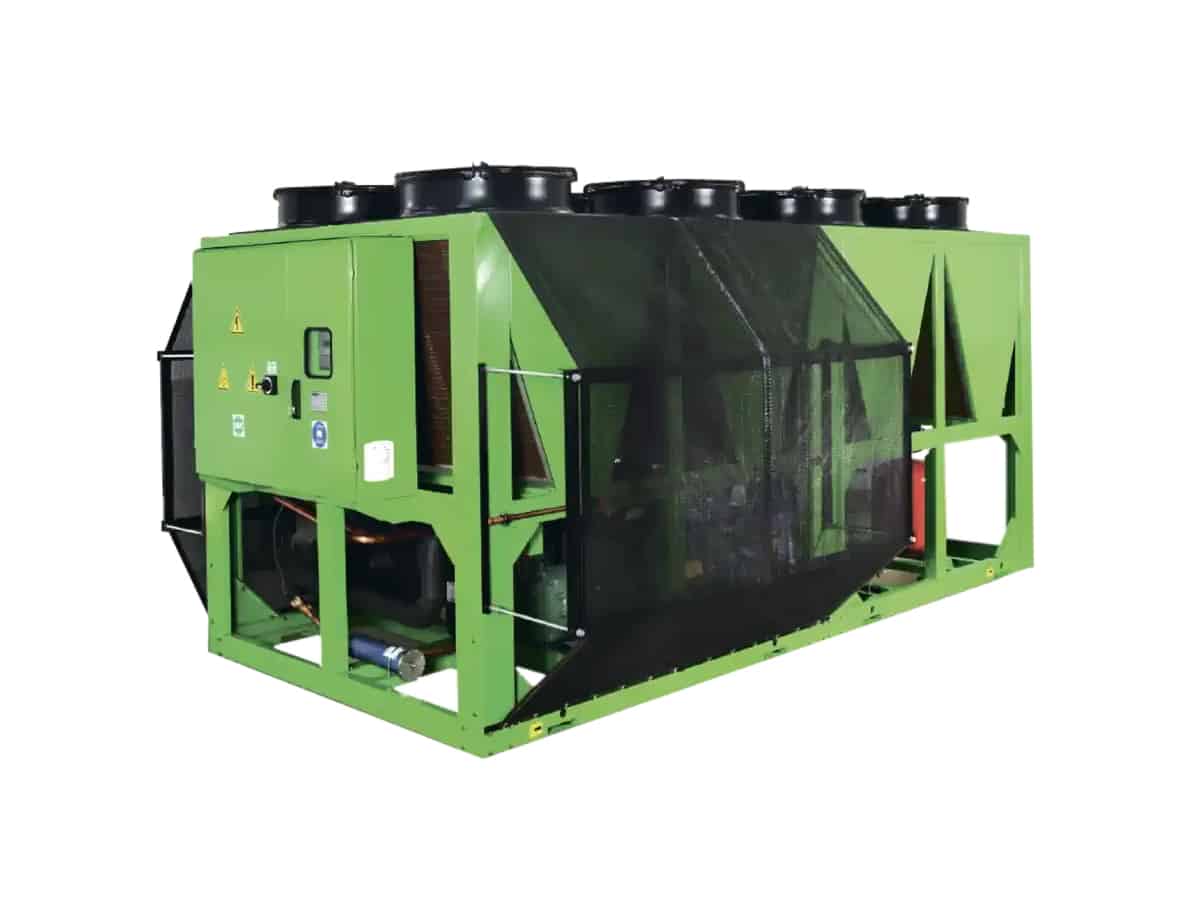
A very serious problem when using compressed air is the presence of water impurities in it. Condensing, water penetrates working mechanisms, tools and air ducts, causing corrosion and rapid breakdown. For many technologies, the presence of moisture in compressed air is unacceptable because compressed air comes into contact with the product and affects its quality, whether it is cement transportation, PET bottle blow molding, air separation or electronics manufacturing. To combat the humidity of compressed air, it is used to dry it, for which a special unit, an air dryer, is included in compressor stations.
When deciding to buy a dehumidifier, you should proceed from the compressed air quality requirements of the equipment used, which directly affect the reliability and efficiency of its operation.
There are two main types of air dryers used in industry for air treatment: refrigeration and adsorption. The main parameter is the “dew point” – the temperature at which moisture is lost from the compressed air.
The standard ISO 8573-1: 2001 defines six classes (1-6) of compressed air quality. One of the main parameters is the dew point.
Drainage classes
Air drying to class 4 ensures that there will be no condensation in the air system until the air temperature in it drops below 0 ° C, that is, if the air network is located in a heated room (production hall), the customer is insured against corrosion.
The cost of dehumidifiers varies greatly. Refrigerated dehumidifiers are cheaper and do not require compressed air for regeneration. Accordingly, before buying a dehumidifier, the customer should determine its performance and dew point.
If the compressed air lines are located inside heated rooms, simple and cheap refrigeration-type dehumidifiers are sufficient for the system to function properly, where moisture is “frozen” by freon and removed by condensate traps. The efficiency of dehumidifiers decreases significantly with increasing compressed air temperature and ambient temperature. The nominal dew point of dryers is indicated at an ambient temperature of 20°C, so to obtain stable performance at a temperature of +40°C, a 30% higher capacity dryer is used. The dew point also depends on the compressed air pressure. As the operating pressure decreases, the dew point increases. These rules are valid for both refrigeration and adsorption dryers.
If a lower dew point than +3°C is required, adsorption dehumidifiers are used. This type of dehumidifier provides a dew point as low as -70°C. The action of this type of dehumidifier is based on the ability of certain substances (so-called adsorbents) to absorb moisture from the air. Modern devices use alumina and silica gels as adsorbents, which can absorb up to 10% of water relative to their own weight. The indisputable advantage of these substances is their ability to regenerate their original properties by cold or hot reduction. It is the method of adsorbent recovery that determines the cost of both the dehumidifier itself and the current costs of its operation.
Selection of adsorbents
The choice of adsorbent for a particular dehumidifier depends mainly on the type of regeneration and the pressure in the system. Typically, activated aluminum oxide is used for cold regeneration and silica gel for hot regeneration. It should be borne in mind that silica gel is relatively quickly destroyed by dripping moisture, so it is recommended to use its moisture-resistant version in the lower part of the columns. Although there is a risk of mixing the layers during operation. If the required “dew point” is in the region of -40°C, it is recommended to use aluminum oxide as an adsorbent, if the temperature is even lower, zeolites are recommended.
As a rule, adsorption dryers have two identical columns filled with adsorbent. One dehumidifies the incoming compressed air, while the other regenerates the adsorbent. After the adsorbent in the working column is completely saturated with moisture, the air lines are automatically switched, and the column where the regeneration process is completed starts to work for drying.
Types of regeneration
Modern adsorption dryers use two types of regeneration: cold and hot.
Cold regeneration adsorption dehumidifiers are the simplest in design and, therefore, the cheapest. They use already dehumidified air to recover the adsorbent, part of which is discharged into regeneration columns. Simple and reliable design, low power consumption are the undoubted advantages of such dryers. The main disadvantage of such units is significant losses of compressed air (up to 15-20%), which must be taken into account when choosing equipment. The use of dehumidifiers with this type of regeneration is economically justified when the volume of dried air is up to 20 m³/min.
Hot regeneration is used in systems that dry large volumes of compressed air. This type of regeneration significantly reduces the compressed air losses to the dryer, up to a complete absence of losses. Typically, regeneration is performed using ambient air injected under low pressure into the adsorption column, which is heated by external heaters to ensure its temperature stability (up to 150°C) and dew point. Losses of compressed air for purging the column after recovery are present, but do not exceed 2-2.5%. Hot regeneration adsorption dry ers have a more complex design. Compared to non-heated dehumidifiers, they require a certain amount of electricity to operate and are characterized by a shorter adsorbent service life (especially when using lithium salt-based sorbents). But, at the same time, due to the low compressed air consumption, the purchase of hot regeneration adsorption dryers quickly pays for itself during operation.
Other methods of adsorbent regeneration are also used, such as: “Regeneration with heated compressed air”, when the dried compressed air is fed to the regenerating column, where it is additionally heated by heating elements (compressed air consumption for regeneration is 5.7%); “Closed-cycle regeneration” – the use of heat generated by the compressor (compressed air consumption for regeneration is 2…2.5%); “Vacuum regeneration” – creating a vacuum inside the regenerating column simultaneously with the supply of hot air (compressed air consumption for regeneration is 2…2.5%).
With a pneumatic network consumption of up to 20 m3/min, it is economically justified to use cold regeneration dryers (the cheapest solution). With higher consumption, hot regeneration of the adsorbent should be preferred. The most efficient solution is to use a regenerative dryer that utilizes the heat generated by the compressor (the most expensive solution).
To increase the efficiency of the hot regeneration adsorption dryer, it is also recommended to pay attention to the possibility of thermal insulation of the columns and to install a set of main filters at its inlet (to protect against dust and compressor oil) and at the outlet (to remove adsorbent particles).
In a modern production process, compressed air purification and drying equipment must provide uncompromising quality in all conditions combined with low operating costs. MTA adsorption dryers offered by DALGAKIRAN fully meet these requirements.
In order to choose the right air dryer with minimal costs and maximum efficiency, contact the specialists of Dalgakiran Compressor Ukraine LLC, who will offer you the most profitable technical solution.