0800 30 13 77
 0800 30 13 77
 En
En

 Back
BackTypes of industrial pumps for water supply: overview and characteristics
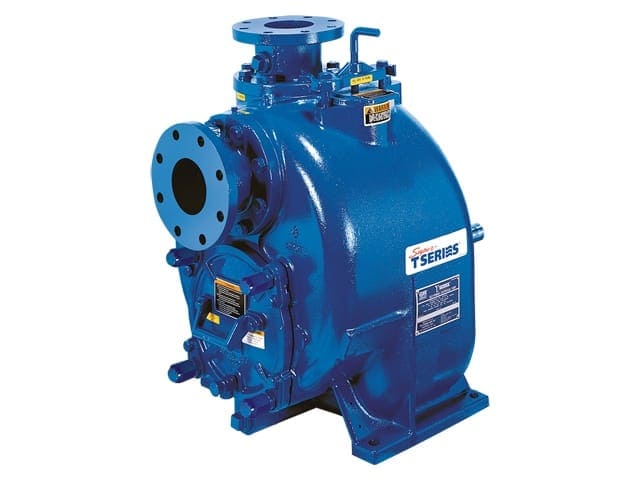
Water supply is something without which it is difficult to imagine modern life, especially in large cities and industrial facilities. Clean water is needed everywhere: at home, at work, in agriculture. Special industrial pumps are used to ensure that it flows uninterruptedly to our taps. They pump water from springs, reservoirs and other storage facilities, ensuring its delivery to end users. In this article, we will look at what types of industrial pumps exist, their design features, purpose and main advantages. This will help you better understand how these important elements of water supply systems work and why you cannot do without them.
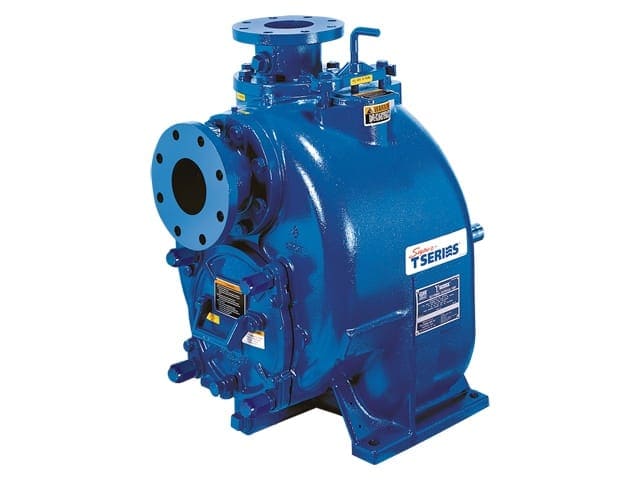
Types of industrial pumps for water supply
There are two main types of industrial water supply pumps, which differ in terms of their principle of operation and design: volumetric and dynamic. Each type has its own characteristics and is used depending on specific operating conditions.
Design features of industrial water pumps
Industrial water pumps consist of several main parts: casing, impeller (e.g. impeller or piston), shaft, seals and bearings. The main characteristics that are looked for when choosing a pump include performance, the pressure it can generate, efficiency and reliability in operation.
Let’s consider the types of volumetric and dynamic pumps. The first ones include:
- Piston. They use the reciprocating motion of a piston to pump water. They are effective at high pressures and low pumping volumes.
- Gears. They pump liquid by rotating two gears. They are used for pumping viscous liquids.
- Diaphragm. They consist of flexible membranes for pumping liquids, which provides high tightness and resistance to aggressive environments.
- Screw. Use one or more screws to move the fluid. Effective for pumping viscous and abrasive liquids at high pressures.
- Rotary. A rotating rotor with blades or other elements is used to move the fluid. They provide smooth flow and high efficiency when pumping clean liquids.
- Peristaltic. They move fluid by compressing a flexible tube with rotating rollers or other elements. Ideal for sterile and sensitive liquids.
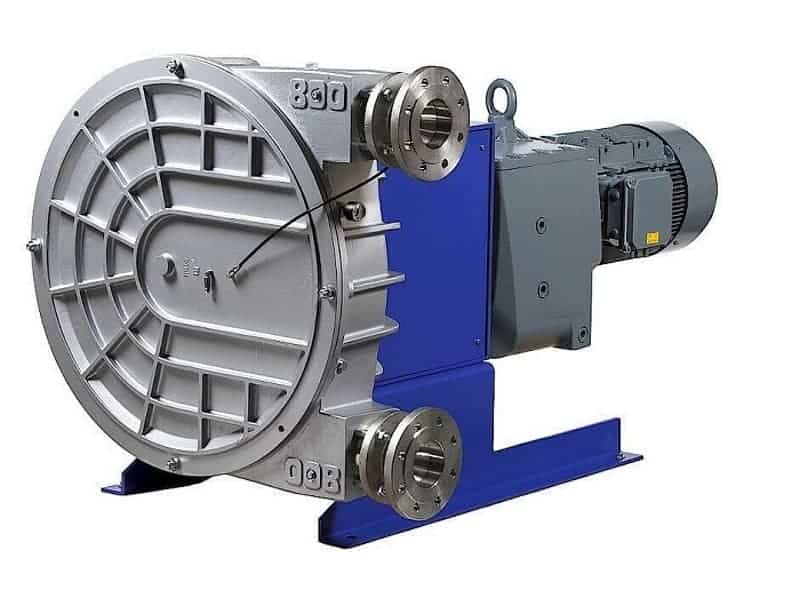
Dynamic pumps work on the principle of providing kinetic energy to the liquid, which is converted into potential pressure energy. Such pumps are:
- Centrifugal. The most common type, which uses the rotation of the impeller to provide kinetic energy to the liquid. They are characterized by high performance and the ability to work with large volumes of water.
- Axial. They move the liquid along the pump axis. They are effective at high volumes and low pressures.
- Vortex. They use special channels to create a vortex movement of water, which provides high pressure with a small volume of pumping.
The design features of industrial water pumps determine their efficiency and ability to cope with various tasks in industrial environments. The choice of equipment depends on the type of fluid, pressure requirements, budget, and the specifics of production processes.
Types of industrial water pumps by purpose
Industrial pumps for water supply are also classified according to their purpose. They are:
- Boosting. They are used to increase the water pressure in water supply systems.
- Circulation. They are used in heating and cooling systems to ensure water circulation.
- Drainage. They are used to drain groundwater or rainwater from basements, wells, and other places.
- Submersible. Designed to work underwater. They are used for pumping water from wells, boreholes, tanks.
Remember that the right choice of equipment depends not only on your specific needs, but also on specific operating requirements, such as water volume, pressure, chemical properties of the fluid, and operating conditions.
The main advantages of industrial pumps for water supply
Industrial pumps cover a wide range of functions and offer a number of significant advantages:
- High performance. They are capable of pumping large volumes of water in a short time.
- Reliability. Modern pumps are made of high quality materials to ensure durability and resistance to wear.
- Efficiency. The pumps are designed to minimize energy consumption while maximizing performance.
- Versatility. A wide range of models allows you to choose a pump for any operating conditions.
In addition, modern industrial pumps are often designed to meet environmental standards, including low emissions and noise. This helps to reduce the negative impact on the environment.
Industrial water pumping stations
Industrial pumping stations are a complex of equipment designed to pump water. They include several pumps, automatic control systems, tanks and auxiliary elements. Such a system makes it easy to increase the station’s capacity by adding new pumps.
Industrial water pumps play a critical role in ensuring a stable and reliable supply of clean water for a variety of needs. Thanks to a variety of designs and technologies, they can operate efficiently in a variety of environments, meeting the requirements of both private and industrial consumers. Regardless of the type and purpose, this equipment helps to ensure an uninterrupted water supply, which is the basis for comfortable and productive production processes.