0800 30 13 77
 0800 30 13 77
 En
En

 Back
BackWhat is a frequency converter, what is it for, and how to choose one?
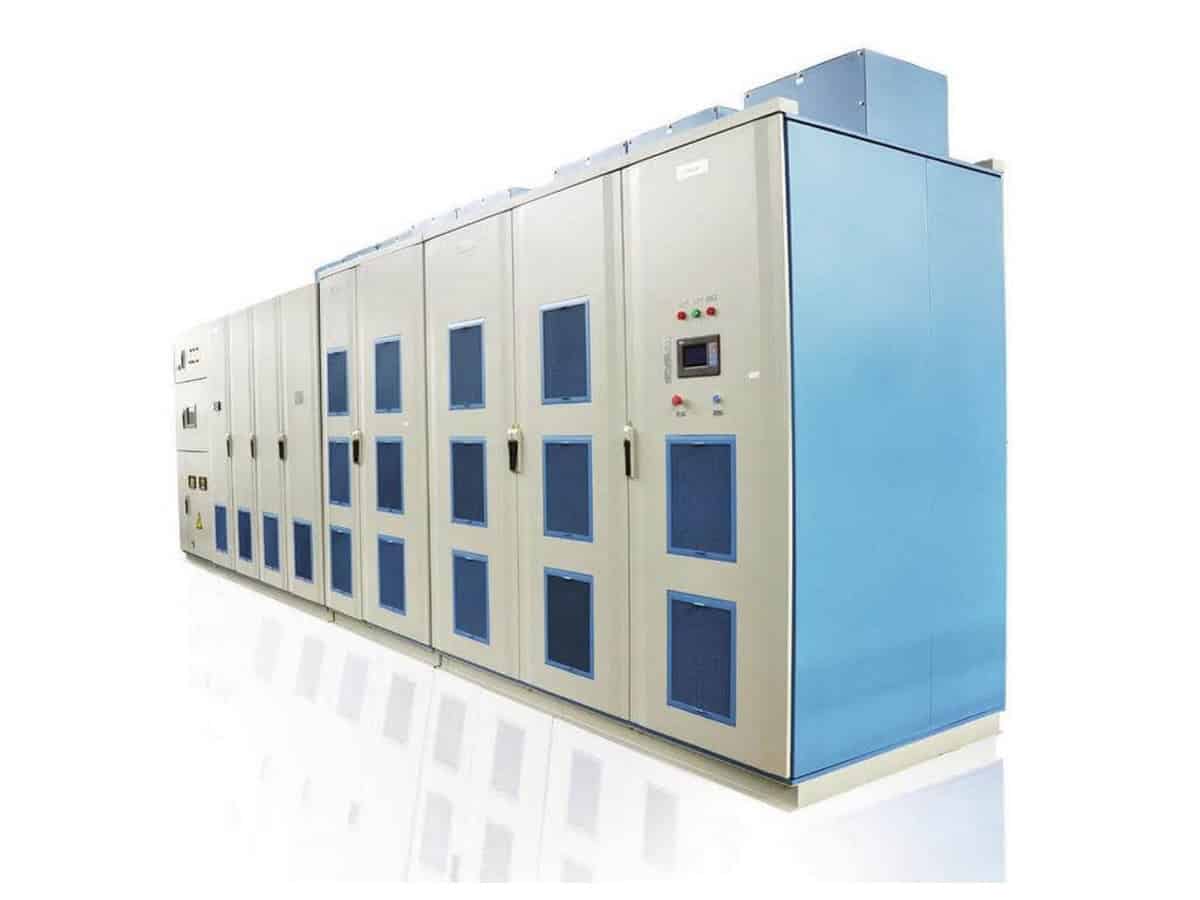
Controlling the speed of electric motors through frequency regulation has long been the standard for manufacturing plants, water utilities, HVAC systems, pumping stations, and modernized workshops. A frequency converter (FC) allows you to flexibly control the speed, eliminate starting shocks, reduce energy losses, and extend the life of the machinery. In short, you get precise dosing of flow, pressure, or torque where previously an all-or-nothing scheme worked. So let’s talk about the essence of such a solution, the real benefits, common mistakes, and a practical choice for your tasks. For reference, we recommend that you browse our catalog, which contains modern frequency converters from basic to high-voltage modifications.
How frequency converters work
Any electric motor changes speed in proportion to the electrical quantity supplied by the power supply. Frequency control works like this: the device receives the mains voltage, converts it to DC, and then generates a variable with the specified parameters again. This makes it possible to change the frequency and voltage smoothly, maintain the desired torque, and avoid mechanical shocks during startup.
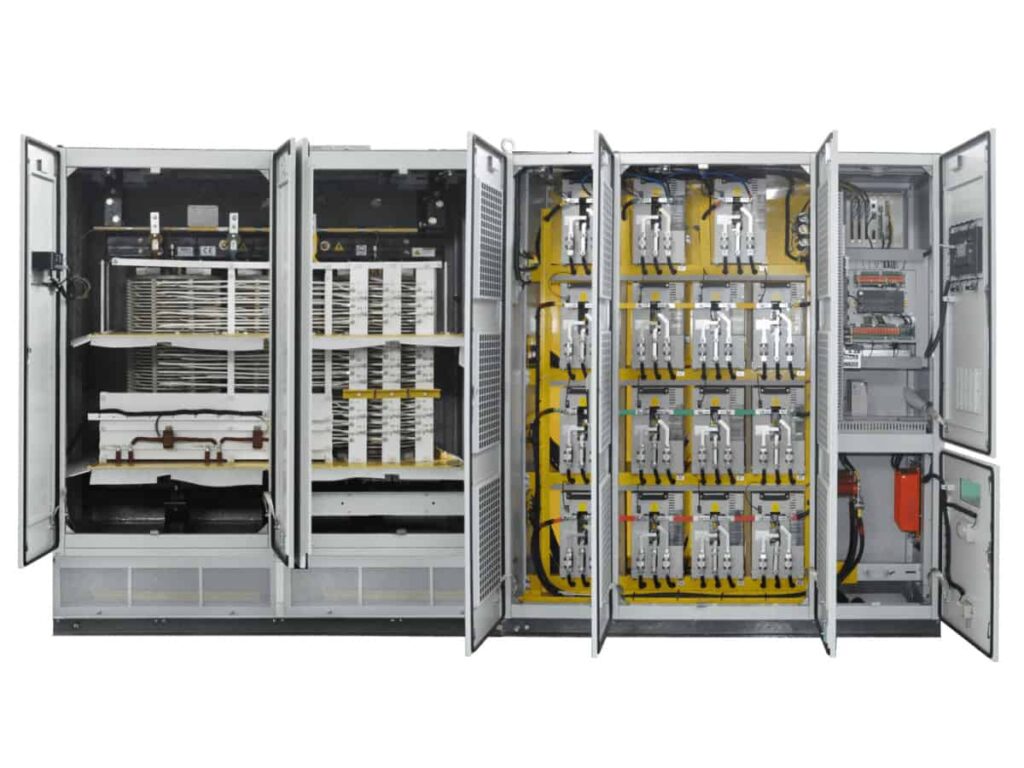
The components operate in series: the rectifier converts the current into a direct current, the intermediate link stores energy in capacitors, the inverter generates a new signal, and the control system sets the acceleration, deceleration, and current limiting profiles. This principle allows you to control pumps, fans, and conveyors without excessive overheating and with precise operating schedules.
At the pumping station, it is useful to set a smooth acceleration within 10-20 seconds to avoid water hammer. The proportional-integral-differential (PID) controller maintains the pressure according to the sensor signal, and the speed limit gives the motor time to stabilize. Night mode reduces the speed when consumption is at a minimum and returns to normal values during peak demand hours. If the power supply is briefly interrupted, automatic restart helps to restore flow without operator intervention, but after restoration, a smooth return to the operating point should be enabled to avoid a jerk in the pipeline.
Advantages and disadvantages of frequency converters
To avoid making a mistake, it is important to understand the strengths and limitations. Let us consider them in more detail. Advantages of the equipment:
- Energy savings – reducing the speed by a few percent often results in large consumption savings.
- Controlled start and stop – reduced mechanical loads on couplings, bearings, pipes and fittings, less water hammer. Limiting the starting current to 1.5-2 rated values (versus 6-8 with direct start) eliminates current surges in the network, reduces mechanical loads on gearboxes, couplings and bearings. This is critically important for large motors (over 15 kW), where direct start creates a 15-25% voltage drop in the network.
- Precision technology means maintaining pressure, temperature, or level with minimal overshoot and consistent product quality.
- Flexible integration – work with sensors, PLCs and SCADA, torque profiles for different mechanisms, multi-stage diagnostics.
- Extended mechanical service life – less overheating, vibrations and shocks, longer repair intervals.
There are also disadvantages to consider. The frequency converter is demanding on power supply and protection, requiring the installation of input chokes or active filters when the power of the frequency converter exceeds 10% of the transformer power. Incorrect cross-section or poor shielding of cables causes excessive heating. Electromagnetic interference (EMI) may occur: modulation at 2-16 kHz creates conductive and radiated interference that affects the operation of neighboring equipment. A mandatory requirement is shielded cables for the FC-motor connection, proper grounding, and keeping a minimum distance of 0.5 m from sensitive electronics.
One FC cannot effectively control multiple motors due to differences in load parameters and the impossibility of individual protection. It is allowed only for identical mechanisms with simultaneous start/stop.
Where frequency converters are used
The practical application is very wide – from building engineering systems to heavy industry. Let’s take a look at where they are used and what function they perform:
- water supply and sewage pumping units – at these facilities, frequency converters are responsible for pressure stabilization, protection against dry running, and economy;
- ventilation and air conditioning – the converters allow for smooth air exchange based on CO₂ and temperature sensors, and they also reduce noise;
- Compressors and conveyors – here, the inverters are responsible for controlling performance without overloads, softer starts, and metered stops;
- Metalworking and woodworking – The inverters enable precise matching of spindle speeds to cutting or feeding conditions.
In buildings with ventilation and air conditioning systems, speed control not only saves energy, but also results in less noise and a more even microclimate. In production halls, the ability to quickly adjust the speed to the current task reduces downtime and facilitates the transition between batches of products. At water supply facilities, stable network pressure extends the service life of pipes and fittings, and at mining and cement plants, customized torque profiles help to start heavy machinery without jerking or overloading.
It is worth mentioning the improvement of the reliability of pumping stations and heating stations, where energy efficiency yields the greatest economic result.
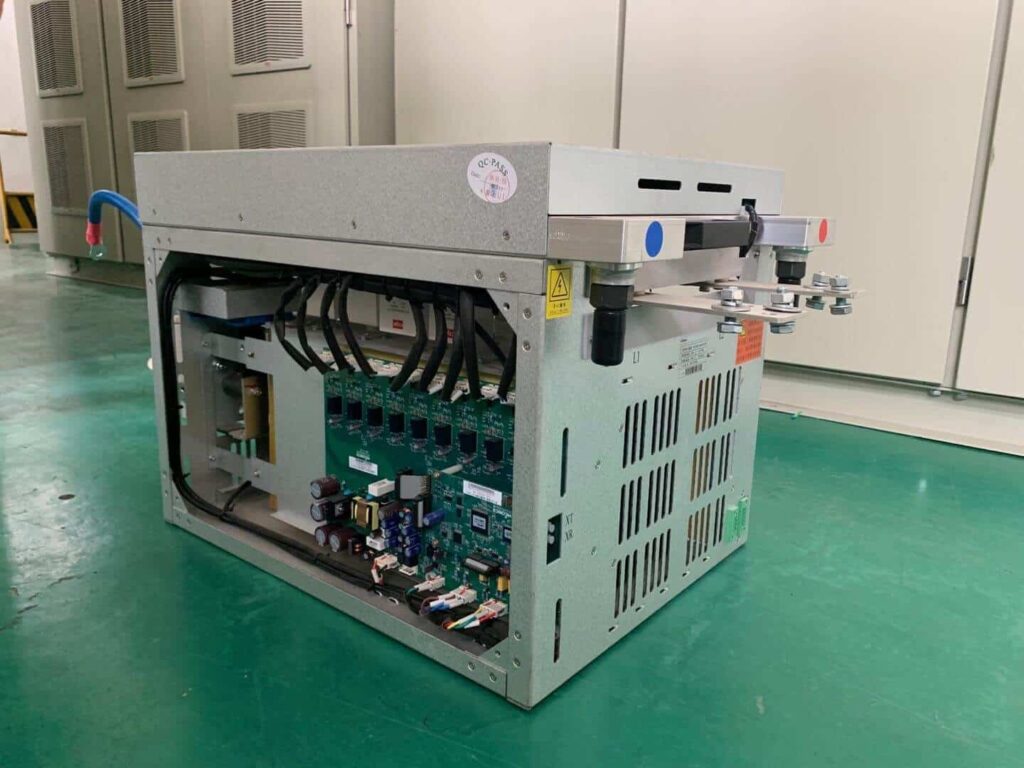
Main types of frequency converters
The classes depend on the control algorithms and purpose. Three approaches cover most tasks: scalar, vector, and direct torque control. Let’s take a closer look at each of these types.
Vector
A vector algorithm controls currents in space – the device monitors the magnetic flux of the rotor and creates the right torque even at low speeds. This is critical where dynamics and high precision are important – lifting mechanisms, extrusion, positioning, machines with variable loads. If you need medium or high power and reliability in heavy duty cycles, look no further than solutions like Hiconics models – our catalog includes variants of common medium voltage.
Scalar
Scalar mode maintains a fixed voltage-to-frequency ratio. This is a simpler approach that is sufficient for fans and pumps that do not require high dynamics. The advantage of this solution is its ease of setup and affordable price. The disadvantage is the worse torque at low speeds, so for hard starts it is better to switch to the vector algorithm. For domestic and municipal systems, the scalar often performs all the necessary functionality.
Direct control
The direct torque control method works without intermediate transformations in vector space – the device assesses the motor status based on instantaneous current and voltage values and corrects the inverter outputs with virtually no delay. Its strengths are its speed and precise torque, which is useful for extruders, lines with sudden load changes, or drives with high stabilization requirements. Setting up requires accuracy, but the result justifies the effort on complex mechanisms.
Tips for installation and operation
To ensure stable operation, it is important to perform the installation and basic settings correctly. The following tips will help you with this:
- Consider the conditions – temperature, dust, moisture, and installation height affect the permissible current and cooling;
- install shielded cables on the output to the motor and properly ground the shields to avoid interference with the control and communication networks;
- add surge protectors or filters where interference is possible – they reduce harmonics and prevent the inverter from “noise” into the network;
- Configure all the inverter and motor protections – from overload and overheating to pump dry-running and overpressure monitoring.
For high power and continuous cycling, solutions with improved heat dissipation are suitable. In such cases, models with alternative cooling come in handy – for example, when it is necessary to minimize dust inside the cabinet or to remove heat to the technical area, liquid circuit systems work. An example of this approach is Hiconics’ HIVERT-YT series water-cooled frequency converters.
Proper cabinet placement affects the life of the entire system. You need proper ventilation and free indents around the cabinet so that the heat is dissipated evenly. If there is a lot of dust or moisture in the room, choose a cabinet with a higher protection class and install filter inserts on the air ducts, and regularly blow out the dust inside with compressed air.
The length of the line to the motor also matters. For short distances, everything works according to the default settings, but for longer distances, it is better to use a shielded cable and an output filter to reduce electromagnetic interference and heat. Grounding should be performed according to the manufacturer’s instructions, with a reliable contact at each end, and avoid “loops” that collect crosstalk. Separate routes should be made for the terminals of power and signal lines so that the measuring cables do not run next to the power phases. For pumps and fans, it is advisable to include overload, dry-running, backpressure, and overheating protection. After commissioning, it is useful to take several indicators – current, voltage, temperature of power modules, rotation speed – and save them as a reference. This will help you quickly find deviations during operation.
It’s also a good idea to have a backup set of settings on a memory device so that if equipment is replaced, you can restore the parameters without long downtime. If the process is critical to downtime, think in advance about a bypass mode – a mechanical bypass or a separate emergency motor starter with a fixed speed.
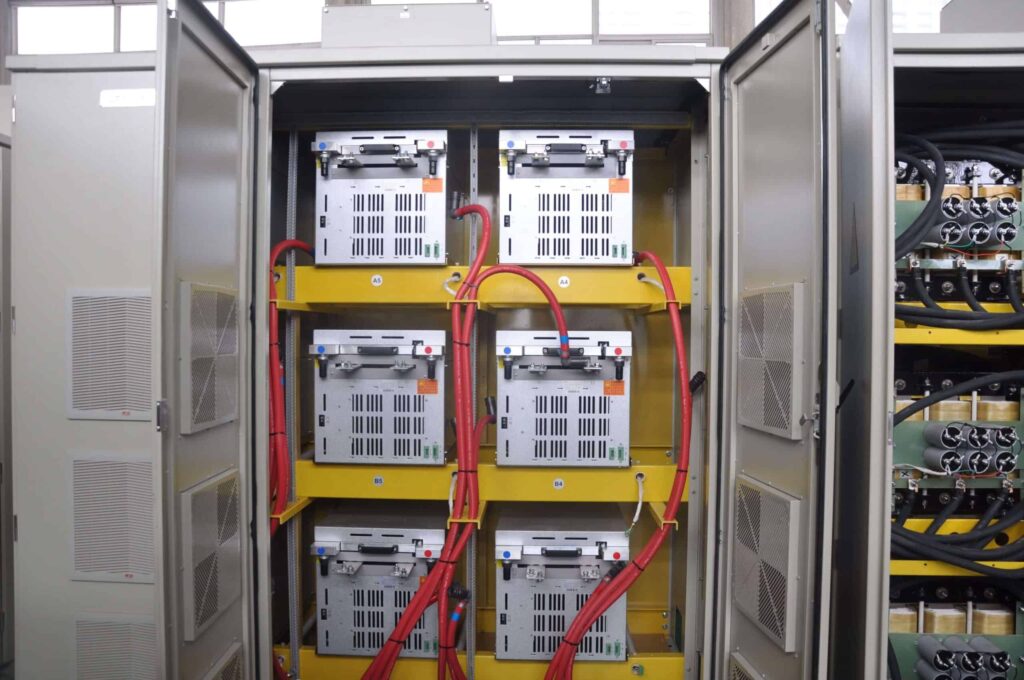
Recommendations for choosing a frequency converter
The right choice is based on more than just motor ratings. It is important to consider the mode, environment, network and automation requirements. To make sure you don’t make a mistake, run a short minimum program and check the machine data sheets:
- Determine whether you want to operate the device continuously, repeatedly or with frequent starts. This determines the current reserve and the control principle.
- Check the mains supply for voltage, instability, and harmonic levels. If necessary, add surge protectors, filters, or active correctors.
- Evaluate the environment – dust and moisture require an appropriate protection class, and high temperatures require a current reserve or other cooling.
- Consider automation – whether you need inputs and outputs, field buses, safety functions, local or remote control.
- Check the mechanics – inertia, drive stiffness, gearbox, and torque requirements at low speeds.
If you have a complex technological complex, it is better to plan the selection in conjunction with an engineer – this saves time on settings and makes the entire system manageable. Our catalog contains models of different classes, from basic to high-voltage, which makes it easy to compare functionality and endurance.
Evaluate not only the ratings, but also the actual operation. If the equipment operates around the clock, the ability to withstand prolonged load and elevated temperatures in the cabinet is important. The passport usually contains a graph of the permissible current reduction with increasing ambient temperature and altitude – this should not be neglected. For mechanisms with frequent starts or jerks, a current margin and the ability to deliver an increased torque for a short time are useful. Where precision is required, feedback from sensors such as pressure, level, speed, or a shaft encoder will come in handy. For integration into a control system, check in advance whether the required interfaces, such as Modbus TCP, are available and consider whether safe stop functions are required. If different products or recipes are being processed on the same drive, you can create several profiles and switch between them to avoid having to rewrite the parameters every time.