0800 30 13 77
 0800 30 13 77
 En
En

 Back
BackReciprocating or screw compressor: which one to choose for your needs?
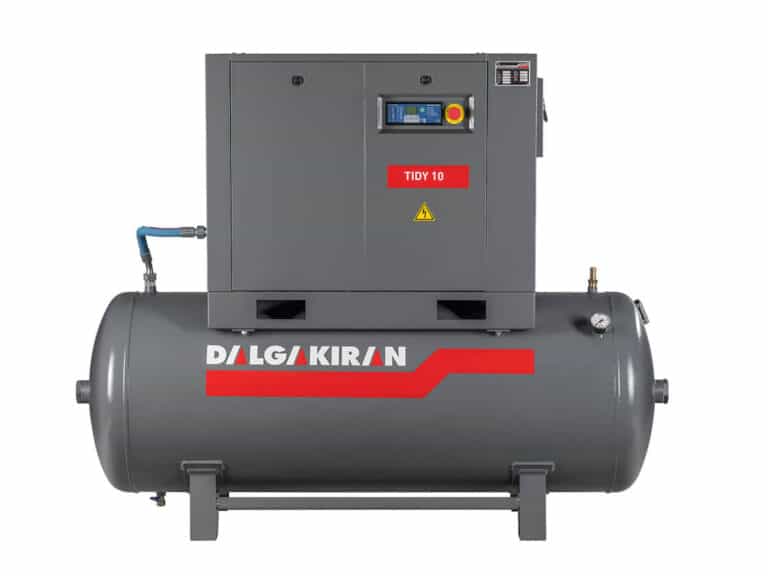
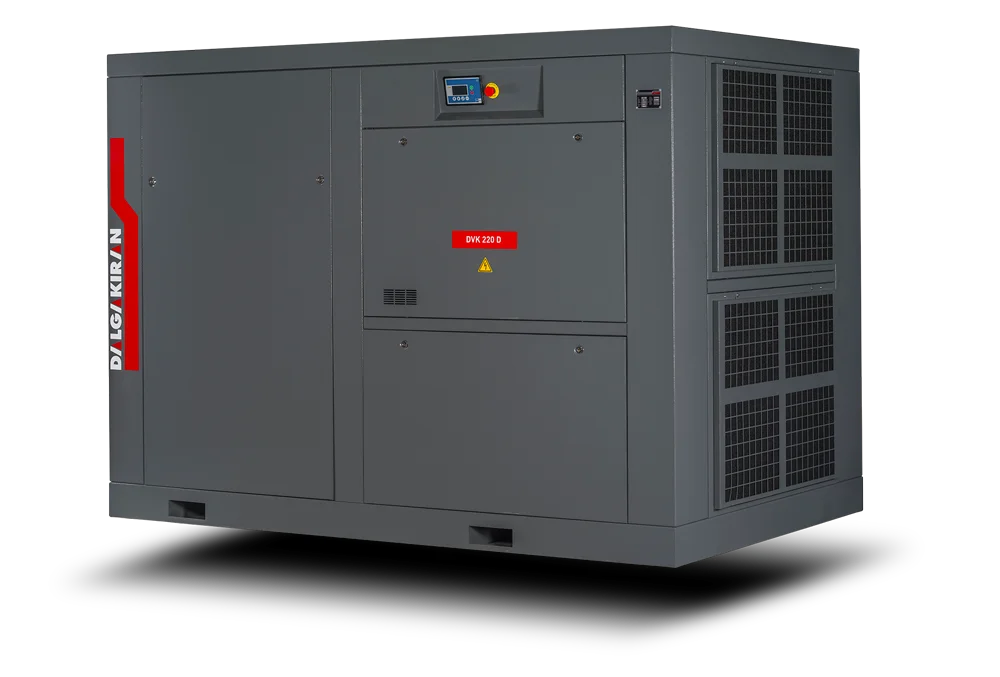 Many industries use such equipment as a compressor. This equipment is used to generate compressed air. When it comes to choosing an industrial version of the equipment, a screw or reciprocating compressor is the most commonly purchased. One or the other option has its advantages and disadvantages depending on the purpose. That’s why we’re going to give you an overview of both types of equipment to help you make the right choice.
Comparative analysis of compressors
The first parameter to consider when choosing equipment is the price. Practice shows that a reciprocating compressor is about 40% cheaper than a screw compressor, despite the fact that the capacity may be the same.
The second parameter is the energy consumed by the equipment. A reciprocating compressor is not as efficient as its screw counterpart. The screw compressor has an advantage due to energy savings. But the higher the power consumption, the higher the compressor performance. However, this is not the case with cheap Chinese equipment, which can consume a lot of electrical energy and have very low efficiency.
The third parameter is the ability to control operating modes. There are both reciprocating and screw compressor models on the market that have control units.
In terms of costs, screw compressors are more economical than reciprocating compressors in terms of lubrication. They can create compressed air in a continuous mode, while reciprocating models are less well suited for this and are better suited for short-term operation.
After all, it is reciprocating compressors that have to be repaired more often than screw compressors. The fact is that screw compressors do not have complex components. Thus, if you buy high-quality equipment, it can be used without repair for up to 20 years.
Features of the reciprocating compressor
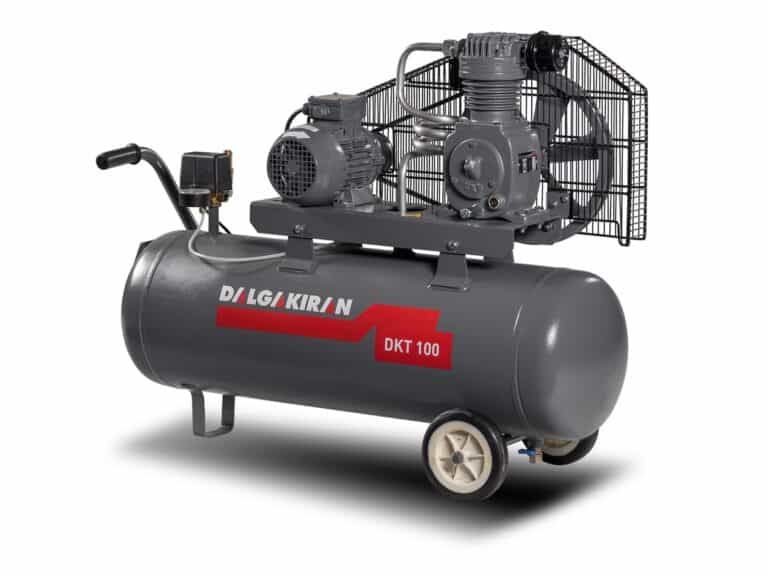 There are single-stage and two-stage reciprocating compressors on the market today. The only difference between them is the principle of air compression.
A single-stage compressor is analogous to a reciprocating pump. The pressure is built up as the piston moves; the gas decreases in volume in the cylinder. As a rule, a single-stage compressor is not a very large equipment, easy to use.
A two-stage compressor is slightly larger in size. Here, the gas is compressed in 2 stages. First, a single piston moving vertically compresses the air, and then a horizontal piston creates an increased pressure. When there is a phase change in pressure, the oil valves open automatically.
Features and benefits of a screw compressor
There are 2 elements in the middle part of this compressor: the casing and rotors. Rotors can have different shapes. The most common option is a screw, which is why such compressors are called screw compressors. There is a certain gap between the screws. When the rotors rotate, a low pressure is created at the compressor inlet. Thus, air is sucked in. It is compressed by the rotation of the screws. Then the pressure rises to a certain level.
The main advantage of a screw compressor is that it can continuously compress air. This is the main advantage for many industries that use this type of compressor.
What to consider when choosing an industrial compressor
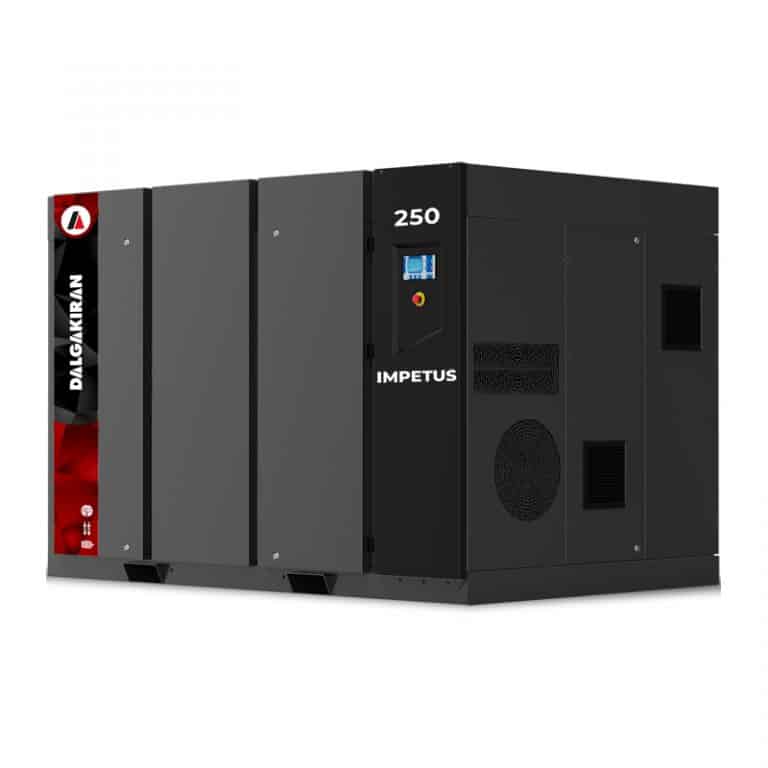 Before purchasing an industrial compressor, you need to determine what functions this equipment will perform. It is safe to say that a device that is too small will not be able to generate sufficient air flow and create the necessary pressure, and therefore will not be effective. However, an overly large and powerful unit may be unnecessary, and the business will spend extra money on maintenance of such a compressor and on electricity for its operation.
The best way to choose a compressor is to have a specialist audit the air system at the production site. When formulating a plan that takes into account the rated capacity of the compressor, the equipment that will meet current needs is immediately determined.
Some tips for choosing an industrial compressor:
- It is not necessary to buy a large compressor at once in order to create a so-called power reserve, because in the process of operation, you can add less powerful devices to increase the performance of the air system.
- The final decision to purchase this or that option should be made after the exact pressure parameter required by the production is determined.
- The choice should be made in favor of proven brands, as well as equipment that can be serviced without any problems (availability of service centers, spare parts, etc.).
In any case, the best option is to contact a specialist who will make the right calculations to select the most productive and efficient compressor.