0800 30 13 77
 0800 30 13 77
 En
En

 Back
BackFrequency converter: simple words about the complex
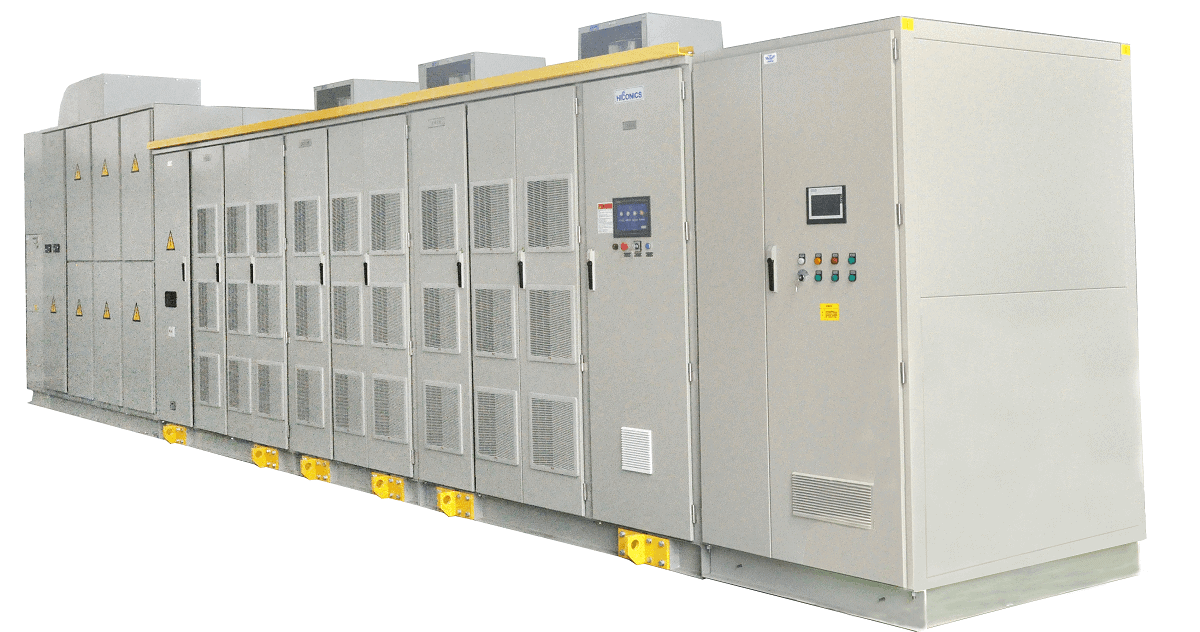
If you want to control the speed and torque of a machine without loss or jerkiness, you need a frequency converter. This is a compact device that changes the power supply parameters and makes the motor work exactly as the process requires. Let us tell you in more detail what exactly the device does, how to choose it for an asynchronous drive, what characteristics to look for in the first place, and how to avoid common mistakes during installation. If you want to see different solutions at once, you can browse the catalog of frequency converters.
Frequency converters: features and functions
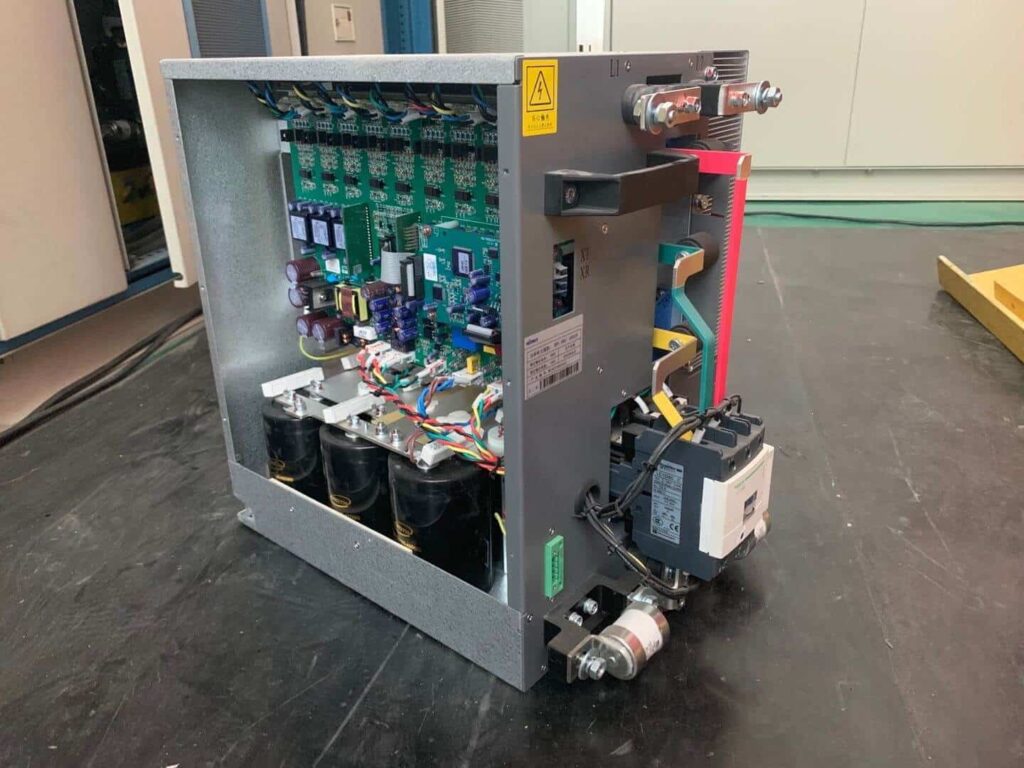
The device works simply by converting the mains signal and generating the new frequency and voltage that your equipment needs. As a result, motors start smoothly, without shock currents, and the speed changes gently and predictably. The device “communicates” with pressure, level, or flow sensors, maintains the setpoint, and keeps the process stable. In a typical pump room, this means even pressure without water hammer, in ventilation – precise air exchange with less noise, on a conveyor – even flow without “sagging”. For applications with high dynamic requirements, the Hiconics HIVERT-Y/T-VF series with vector control is worth considering, and where heat dissipation or cabinet cleanliness is critical, the Hiconics HIVERT-YT series with water cooling is the best choice.
Selecting a frequency converter for an induction motor
First, check the motor nameplate for the rated current, voltage, frequency, and winding connection. Next, determine the mode. If the process is long and inertial, basic algorithms and a moderate current margin will suffice. If you need a torque from below and a quick response to load fluctuations, take a vector and, if necessary, install an encoder. Evaluate the mechanics and the route to the motor – it is better to shield long cables, and use an input choke for networks with a high level of interference. This approach makes it possible to make the right choice without overpaying and without the risk of stoppages at peak times.
What to look for when choosing a converter
Before moving on to the parameters, there is a simple sequence to follow: first check the motor data sheet and the nature of the process, then evaluate the installation location, and then select the control type and additional options. The data sheet provides the basis for selecting the power and permissible voltage, the operating mode tells you whether you need a scalar or vector, and the site conditions determine the requirements for cooling, cabling, and interference protection.
Power of the device
Look beyond the kilowatts on the nameplate to the torque and operating curve of the mechanism. For pumps and fans, the main thing is smooth flow control with minimal losses, for extruders and presses, torque at low speeds. A small current margin increases the service life of power modules and reduces the risk of shutdowns during acceleration. It is important that the drive power and converter capabilities match the mode, otherwise you will get overheating or “choking” at peaks.
Input voltage
Check the network and the permissible deviations. For small facilities, a 1-phase input with a three-phase output to the drive is suitable, while 3-phase remains the standard for halls. If there is sagging or impulse noise, look for the tolerance range and manufacturer’s recommendations for filters in the data sheet. A stable input network means fewer accidents and a longer service life. If you have long lines, check the voltage drop and the temperature inside the cabinet – this has a direct impact on work in the heat.
Working conditions
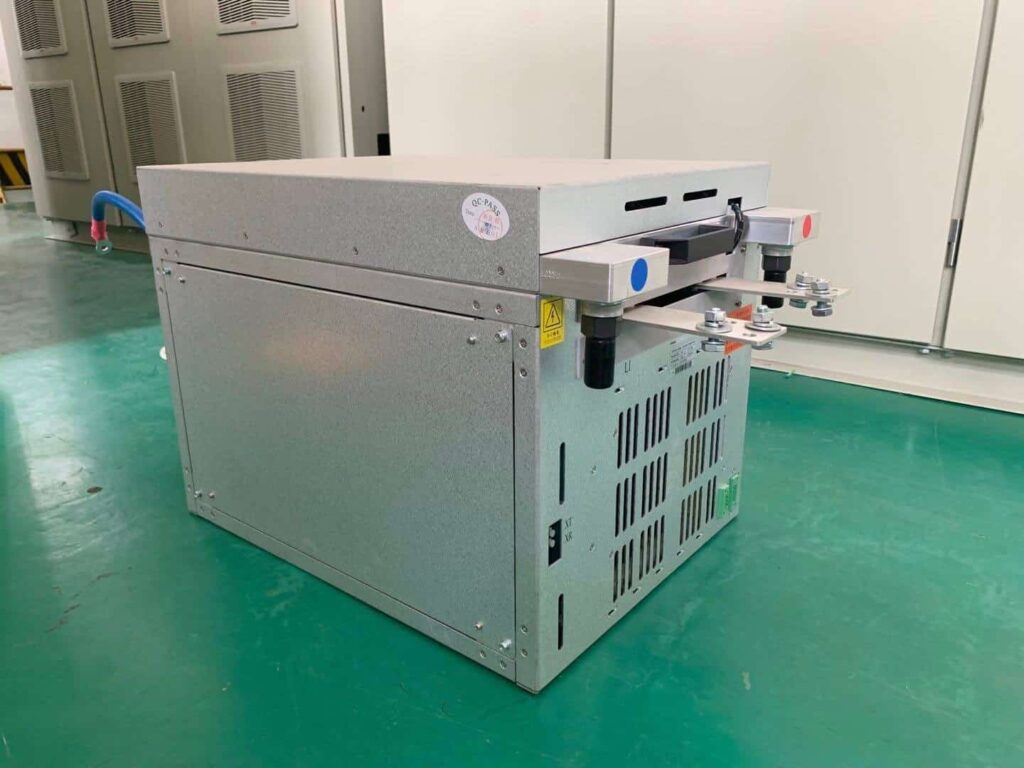
Dust, moisture, temperature, installation height, and ventilation all affect performance. In “difficult” workshops, choose an enclosure with a higher IP rating, organize heat dissipation properly, and do not place power and signal cables in the same tray. On long routes to the motor, use shields and make short ground connections without “loops”. In difficult conditions, liquid cooling is often more helpful – it removes heat from the cabinet and stabilizes the power modules.
How to avoid common mistakes when choosing and installing
Typical failures are easy to prevent if you take a few things into account. Clearly describe the process – duration, starts, load fluctuations – and match it to the control algorithm. Check the compatibility of the interfaces with the PLC and the dispatch system in advance so that the controller sees all the necessary signals. Separate power and signal routes, use the correct cross-section and shields, and install a line choke at noisy substations. Set up overload, overheating, dry run, and back pressure protection – this is critical for pumps.
For example, for cabinets with a frequency converter in a clean control room, IP20-IP31 is usually sufficient, while in dust and moisture, IP54-IP66 is better. It is important that the IP rating is maintained throughout the entire circuit – door seals, inspection windows, filters, ventilation panels, and cable glands should all meet the same level. In damp areas, take care of condensation drainage and anti-corrosion materials – stainless steel or coatings with increased resistance extend the service life.
For pressure washer applications, aim for IP66-IP69K and avoid perforated inserts – otherwise the protection is lost. In such places, sealed solutions or liquid cooling are appropriate. Remember that IP does not describe impact resistance – there is a separate IK indicator for this, so in passage areas and near trolleys, look at mechanical strength as well. And most importantly, plan your service so that you can quickly replace the filter, tighten the terminals, and check the seals without compromising the tightness.
The right choice is based on three things: matching the algorithm to the process, correct electrical parameters, and the actual conditions of the facility. When the power and voltage correspond to the load, the input network is stable, and the conditions are taken into account during installation, the frequency converter works efficiently and for a long time. If you need low-speed accuracy or sharp dynamics, a vector drive will help, and for operation in a dusty room or with strict thermal requirements, systems with a liquid circuit are appropriate. For these scenarios, there are vector-controlled series and water-cooled solutions that cover a wide range of applications from simple drives to complex production lines.