0800 30 13 77
 0800 30 13 77
 En
En

 Back
BackDo I need to heat the diesel generator
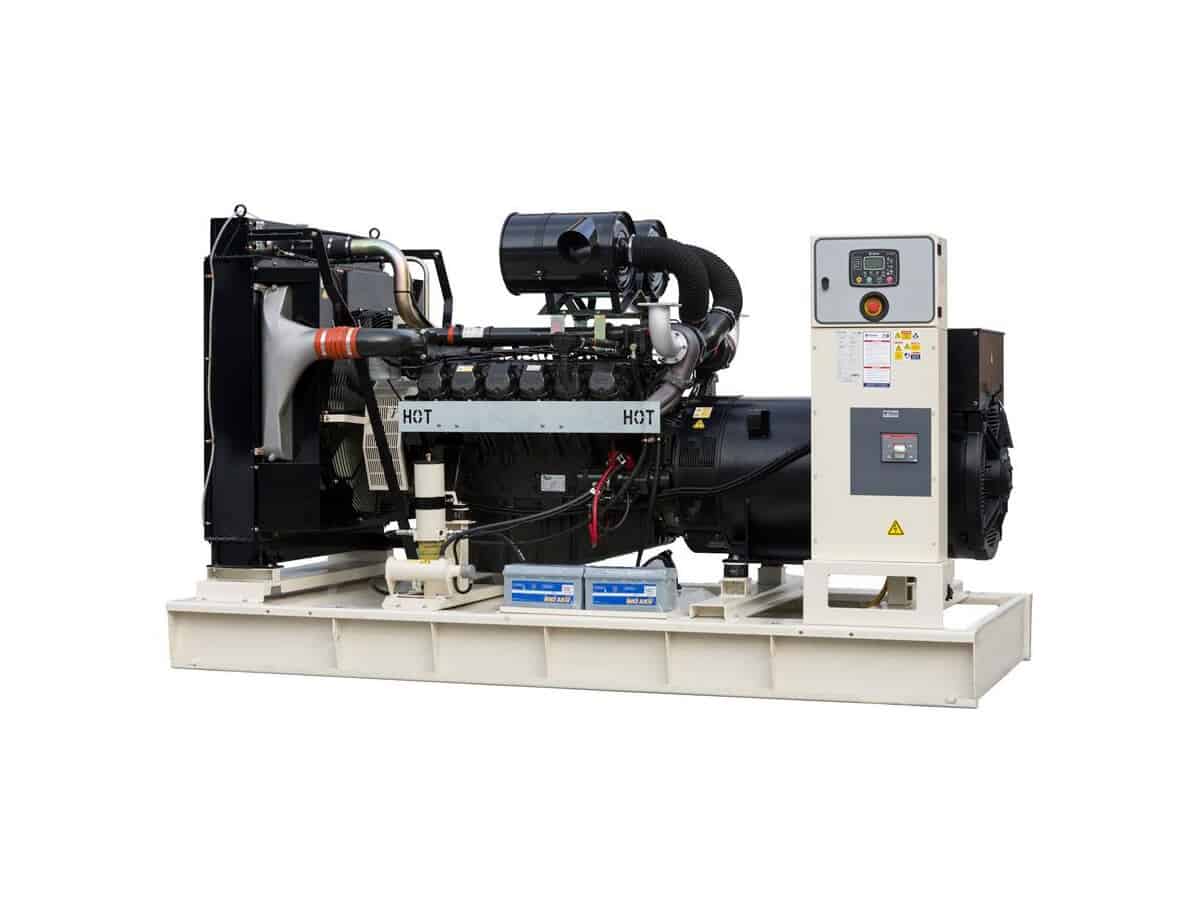
Cold becomes the main enemy in situations where a diesel generator is in standby and needs to start in seconds. Viscous oil, thickened fuel, a weaker battery and cold engine metal impair starting, increase wear and increase fuel consumption for warm-up. The heating system keeps the components within the operating temperature range, so the system can be brought up to speed quickly and without stress on the mechanics and electronics.
How low temperatures affect the operation of a diesel generator
When the temperature drops, the engine oil thickens, and it is harder for the starter to turn the crankshaft. On the downside, conventional 15W-40 loses its fluidity faster than 5W-40 or 0W-40, so the engine takes longer to reach lubrication and operating speed. The battery gives less output in cold weather – at negative temperatures, the capacity drops significantly, and the required starting current, on the contrary, increases. Diesel fuel without a “winter” class forms paraffin crystals that can partially block the fine filter and the supply. Cold cylinder metal reduces the auto-ignition temperature of the mixture, which is manifested by unstable ignition, white smoke and sluggish revs in the first few minutes.
Auxiliary components are also affected. Seals become harder, increasing the risk of air being sucked into the fuel line. Machine drive belts slip more often if the tension has not been checked for a long time. The alternator’s resistance to rotation increases in cold weather, and condensation can settle on the insulation in wet weather – so it’s important to warm the unit up to operating temperature before full load. At the system level, a delayed start-up results in disruptions to the automatic transfer switching time (ATS), and long cold starts mean extra fuel, additional smoke, and increased wear and tear.
Another nuance is the “wet” operation of the exhaust. When the engine keeps the block cold and the exhaust gas temperature low, part of the fuel burns out in the path, which increases soot and the risk of “scraping” during prolonged underloading. That is why in cold weather it is advisable to bring the system to a stable mode as quickly as possible and not to keep it idling for a long time.
The principle of operation of the diesel generator heating system
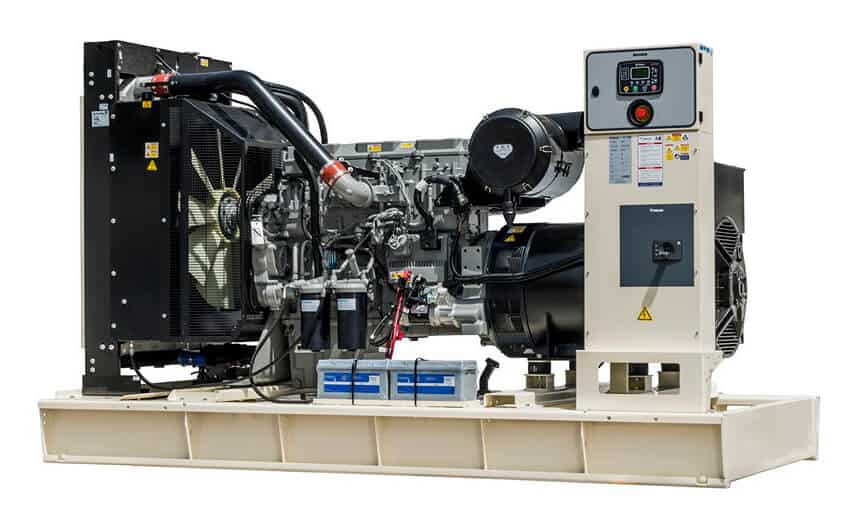
The basic unit of the system is an electric heater. This is either a flow-through heater with a small pump or a thermosyphon unit that circulates coolant naturally. It maintains 40-50 °C in the cylinder block to reduce the time to stable ignition. An oil crankcase heater is added – a thin film of oil maintains fluidity and immediately protects friction vapors. To power the engine controller, relay, and starter, a battery charger is installed to keep the battery on “duty” and compensate for self-discharge. At facilities with long downtimes, fuel or fine filter heating is used to prevent waxing. In container solutions, air convectors and controlled louvers are installed to keep the temperature inside at a positive level and close against wind and snow.
During operation, the automation monitors the stability – thermostats turn the heaters on and off.
When a generator heating system is a necessity
Heating is not always an optional extra. There are scenarios where it is mandatory for uninterrupted operation:
- Facilities with automatic standby. When the switching tolerance is measured in seconds, heating gives you a quick start.
- Climate with long periods of sub-zero temperatures or off-season with night frosts. Even zero temperatures significantly impair starting and increase wear.
- Long downtime without “training” starts. Cold oil and fuel stagnation after a month of downtime is a classic cause of a hard start.
- Large turbocharged engines. An oil wedge in the turbine bearings at a dry start is an unnecessary risk to the service life.
- Container stations at an open facility. Here, in addition to the engine, it is necessary to maintain a positive microclimate inside the container to avoid condensation on the electricity.
If your task is to provide power backup in industry, pay attention to Dalgakiran’s ready-made lines of industrial diesel generators, where battery heating and charging are included as standard or available as standard options.
Advantages of using a heater
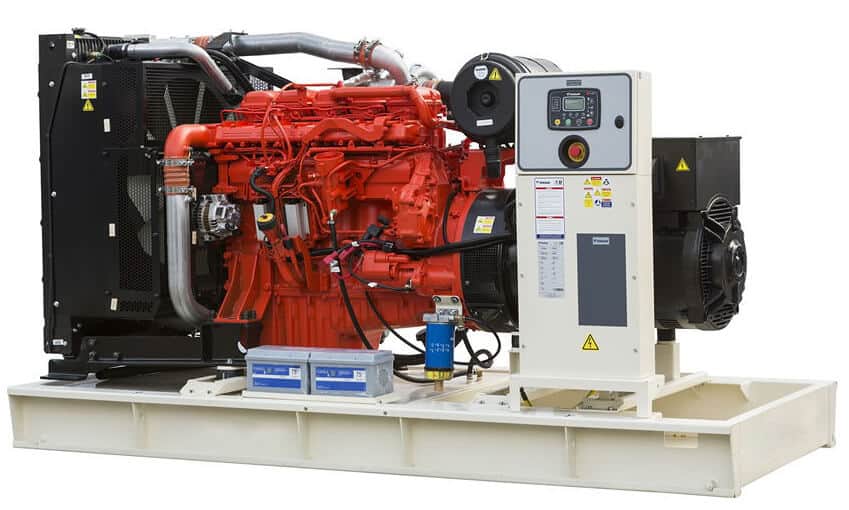
Heating the cooling jacket solves most of the problems described above. The engine starts smoothly, with almost no white smoke, and gets up to speed faster because the cooling channels and cylinder area are already warm. The crankcase heating keeps the oil flowing, so the oil wedge in the bearings forms immediately after startup, not after tens of seconds of “dry” friction. The battery charger in maintenance mode keeps the battery in good shape, compensating for self-discharge during long periods of inactivity. With the addition of fuel filter heating, winter refueling at lower temperatures goes smoothly.
The benefits are even greater in the containerized version. A small electric convector and controllable blinds maintain a positive microclimate inside, so that electronics, relays and cables do not get damp and condensation does not form on the terminals. This increases the reliability of the ATS, motor controller and sensors.
The effect of the preheater is noticeable during operation. The time to load acceptance is reduced, the number of repeated start-up attempts decreases, and fuel consumption for warm-up is reduced. Fewer “cold” starts means less soot and dirt in the oil, which means a longer service life. For facilities with strict requirements for power continuity, heating actually becomes part of the availability system: if the heater fails, a signal is sent to the control room.
For typical business tasks, it is worth paying special attention to generators from reliable manufacturers, such as Cummins Power.
How to choose the right heating system for a generator
Consider the engine size, the temperature range of the facility, and the availability requirements:
- Jacket heating power. For small installations, 0.5-1 kW is usually taken, for medium-sized ones – 1-2 kW, for large V-shaped diesel engines – higher. The engine manufacturer gives a recommendation for watts per liter.
- Type of heater. A flow-through heater with a pump warms up the unit faster and more evenly, while a thermosyphon heater is simpler and more unpretentious. The former works more stably in severe minus temperatures.
- Containerized version. If the station is in a box, pay attention to models in a container design. They are equipped with air heaters, electrically operated dampers and thermal insulation, which preserve autonomy and stability in winter.
Before installation, check the condition of the cooler, remove air from the jacket, check the hoses, and connect the heater power supply circuit to the panel with the signed group. After installation, perform a test warm-up and a no-load start-up, then connect the consumers in stages.
A heating system is not an “afterthought”, but a working tool that ensures uninterrupted operation of the standby power plant in cold weather and reduces wear and tear from the first second of start-up. If you have sub-zero temperatures, short switching tolerances or long downtimes, jacket, oil, battery and fuel protection are a basic necessity. The right kit for your engine and climate improves efficiency, adds stability and maintains site autonomy, whether it’s a compact standby in a warehouse or a powerful industrial unit in an open facility.