0800 30 13 77

 0800 30 13 77
 En


 Back
Solar inverters: how they work, types and benefits
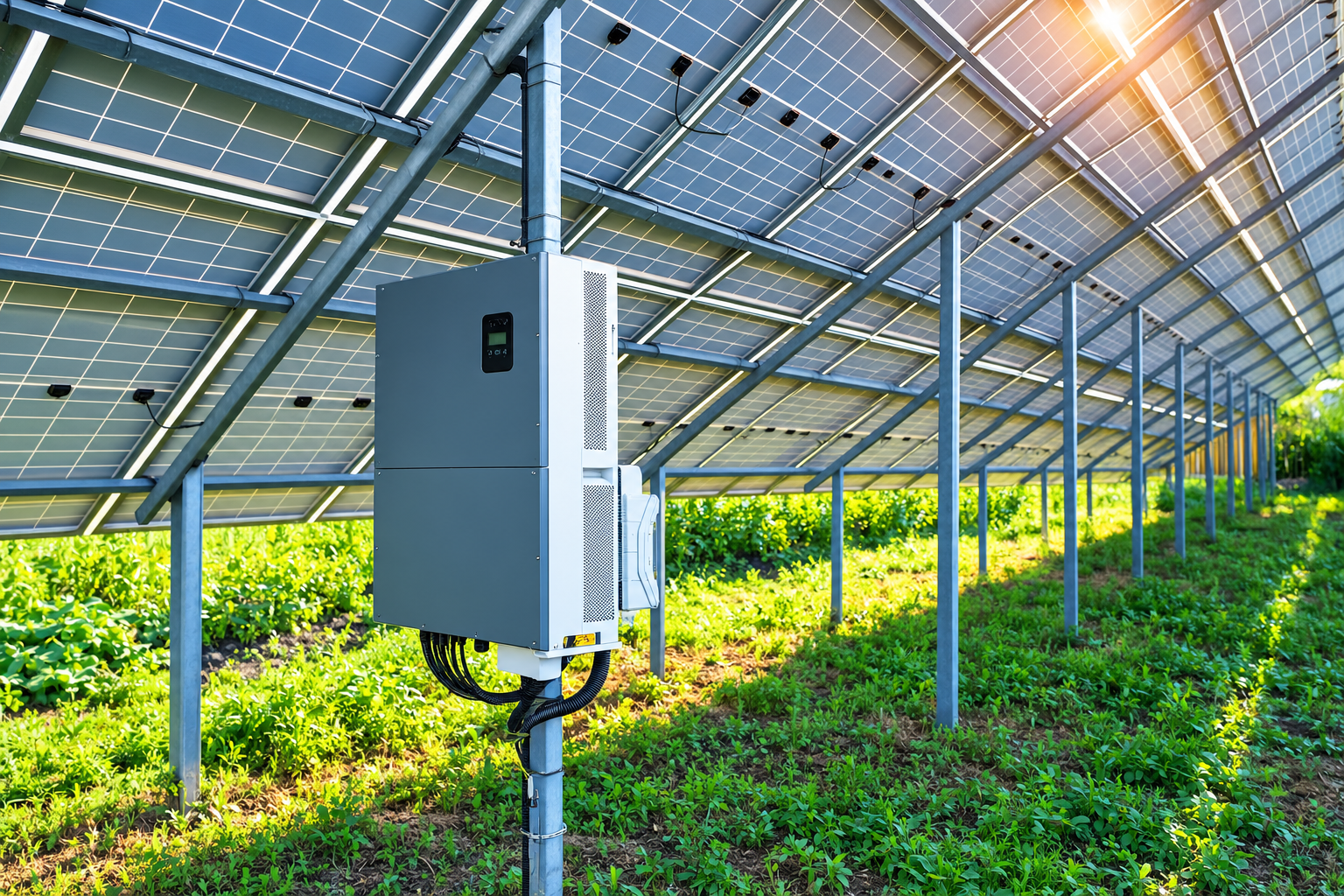
A solar power station simply won’t work without one component: the inverter. Let’s take a look at what a solar inverter is, what functions it performs in a solar power system, and how the main types of equipment differ. You’ll learn how to choose the right inverter for your needs.
How a solar power station inverter works
A solar inverter is a device that converts the direct current (DC) generated by solar panels into alternating current (AC), which is suitable for domestic appliances and the mains supply. The panels generate direct current, whilst fridges, air conditioners and lighting are designed to run on alternating current.
‘The inverter is a key component of any solar power station. The efficiency and safety of the system depend entirely on its quality,’ note the experts at Dalgakiran.
The principle behind a solar inverter is simple. Direct current from the panels enters the device, where electronic components convert it into alternating current at a set frequency (usually 50 Hz) and with a waveform close to a sine wave. The current is then either consumed by appliances in the home or fed into the grid.
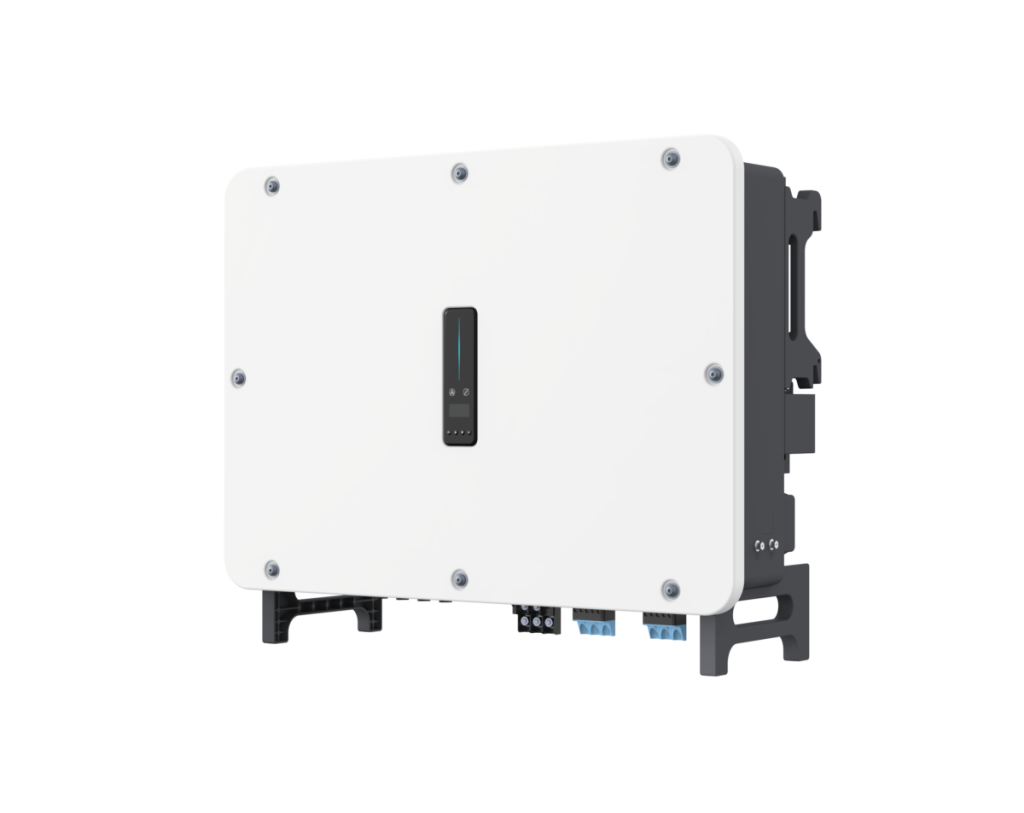
The main functions of an inverter in a solar power system
As we have already noted, the inverter in a solar power station is the heart of the entire system, responsible for ensuring a stable power supply to a home or business.
Converting direct current to alternating current
This is the device’s primary function — transforming the energy generated by solar panels into a form suitable for domestic and industrial consumers.
Monitoring the operation of solar panels
The inverter monitors the output voltage parameters of the panels and selects the optimum operating point using MPPT technology. Thanks to this, the system extracts the maximum amount of energy even in overcast weather or when the modules are partially shaded.
System overload protection
Another important feature is safety. The device monitors current, voltage and temperature, and in the event of any deviations, automatically disconnects the relevant section of the system, protecting the equipment from short circuits and overheating.
Monitoring of electricity generation
Modern models feature built-in Wi-Fi or GSM modules that transmit energy generation data to a smartphone. The owner can see how many kilowatts have been generated per day and assess how efficiently the system is operating.
Types of solar inverters
Before purchasing equipment, it is worth understanding the different types of devices available and how they differ. Solar inverters are generally divided into three categories depending on how the system interacts with the grid and energy storage systems.
- On-grid inverters. These operate only in conjunction with the centralised grid, without batteries. Surplus energy is fed into the grid, and in the event of a power cut, the system also shuts down.
- Hybrid inverters. These combine the functions of on-grid and off-grid equipment: they operate simultaneously with solar panels, batteries and the grid, providing a backup in the event of a power cut.
- Off-grid inverters. These are used where there is no access to the grid and operate exclusively from solar panels and batteries.
Let’s compare the two most popular types in a short table.
|
Parameter |
Grid-connected inverter |
Hybrid inverter |
|
Off-grid operation |
Not possible |
Possible if batteries are available |
|
Backup power |
Not available |
Available |
|
Cost |
Lower |
Higher |
|
What it’s suitable for |
For saving on electricity bills |
For complete energy independence |
For a private home, where stability during power cuts is important, it is worth choosing a hybrid option. For commercial premises, where the aim is to reduce electricity costs without the need for off-grid capability, a grid-connected solution is sufficient. The current range is presented in the section on inverters for solar power stations.
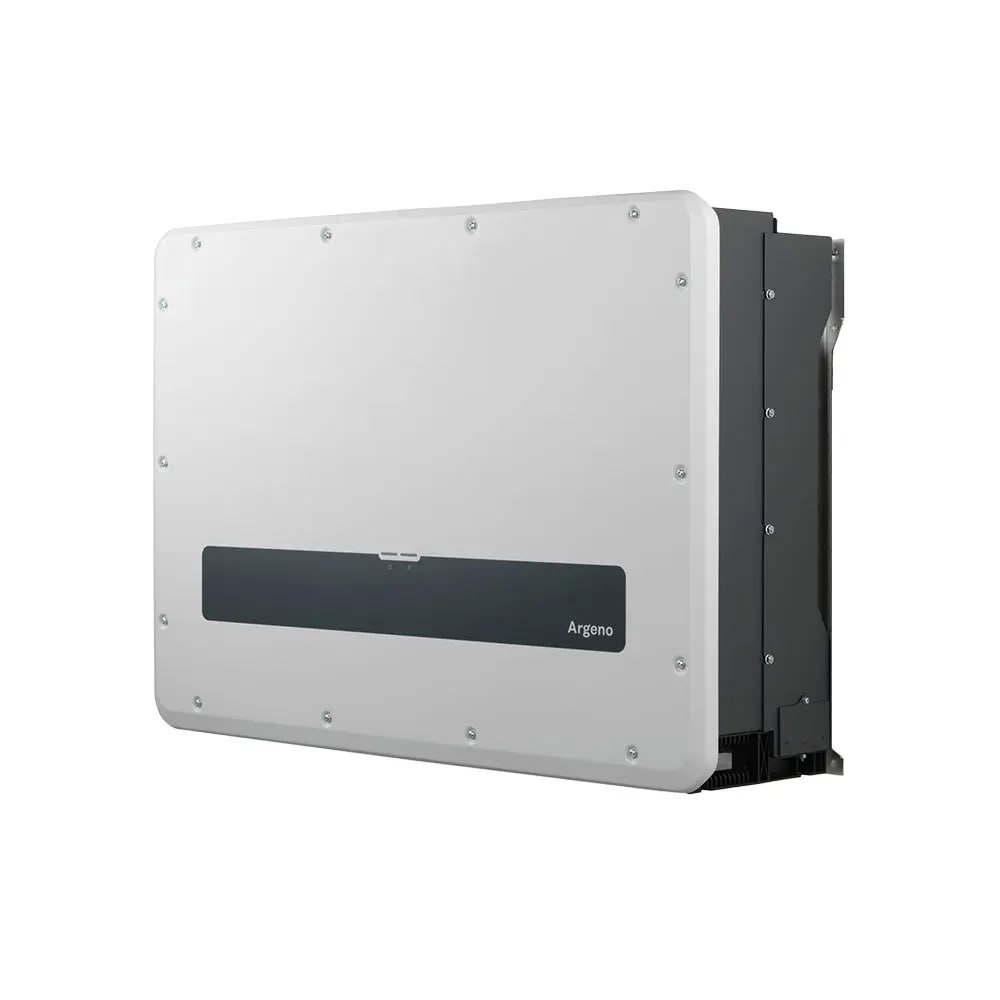
Benefits of using solar inverters
A correctly selected inverter offers the owner a number of tangible benefits — and it’s not just about savings:
- Energy savings. It allows you to use energy generated by the sun instead of buying it from the grid at the full tariff.
- Autonomy during power cuts. Hybrid models provide power when there is no electricity on the grid.
- Extended service life of appliances. A stable sine wave protects appliances from voltage fluctuations.
- Convenient control. Monitoring energy generation helps you plan your consumption.
- Scalability. The system can easily be expanded by adding new panels or storage units.
“An inverter is a cost-effective solution for private homes, businesses and small enterprises alike. However, the most common mistake when choosing equipment is to focus solely on price without taking power consumption into account,” emphasise Dalgakiran’s engineers.
To select the optimal type of equipment, it is important to consider not only the power output of the panels but also the specific characteristics of the site’s electrical network. Dalgakiran’s specialists help you make the right choice right from the design stage, and also offer turnkey solar panel connection and installation services.
Conclusions
An inverter is a piece of equipment without which a solar power station would be pointless: it is the inverter that converts the sun’s energy into a form suitable for everyday use. Understanding how they work, their main functions and the different types of devices makes it much easier to choose the best solution for your home or business.
We offer hybrid inverters and grid-connected inverters. If you need help with your selection, Dalgakiran’s specialists will always advise you on the best option, taking into account the specific features of your system.